Should Windows Be Closed When Using a Dehumidifier
You've probably heard conflicting advice about whether you should windows be closed when using a dehumidifier. The answer depends entirely on what's happening outside your walls. The short version is this: if you want that machine to actually pull water out of the air, you usually need to keep the windows shut.
Our research shows that most people run their dehumidifier with an open window, wondering why it runs all day and never makes progress. The problem is physics. A typical compressor dehumidifier pulls in room air, chills it below the dew point, and collects the condensed moisture.
Every time you let outdoor air drift in, you're asking the unit to process new, humid air from the entire neighborhood. Per ASHRAE 62.2 ventilation standards, a closed room lets the dehumidifier recirculate and dry the same air repeatedly until it hits your target. That's the whole point.
Let's walk through exactly when to button up and when cracking a window actually makes sense.
Quick Answer
Close your windows when running a dehumidifier. The unit works by cycling indoor air. Open windows let in fresh, humid air.
That forces the machine to run longer. It wastes energy and slows drying. The only exception is when outdoor air is drier than your indoor air.
Check the dew point outside first. If it's lower than your indoor dew point, a cracked window can help. Otherwise, keep it sealed.
Image source: Bing (Web (fair-use with source credit))
How a Dehumidifier Actually Removes Moisture (and Where Your Window Fits In)
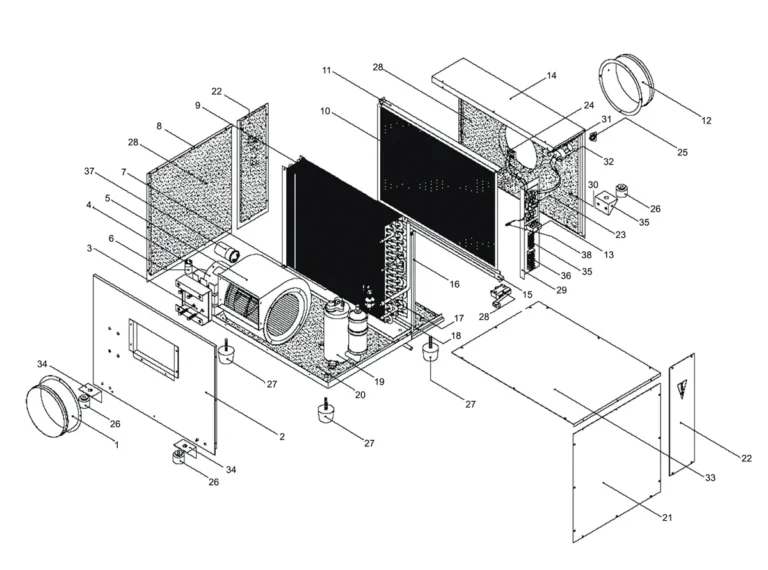
Most portable dehumidifiers use a compressor and a set of cold evaporator coils. Here's how it works. A fan pulls air from the room across those coils.
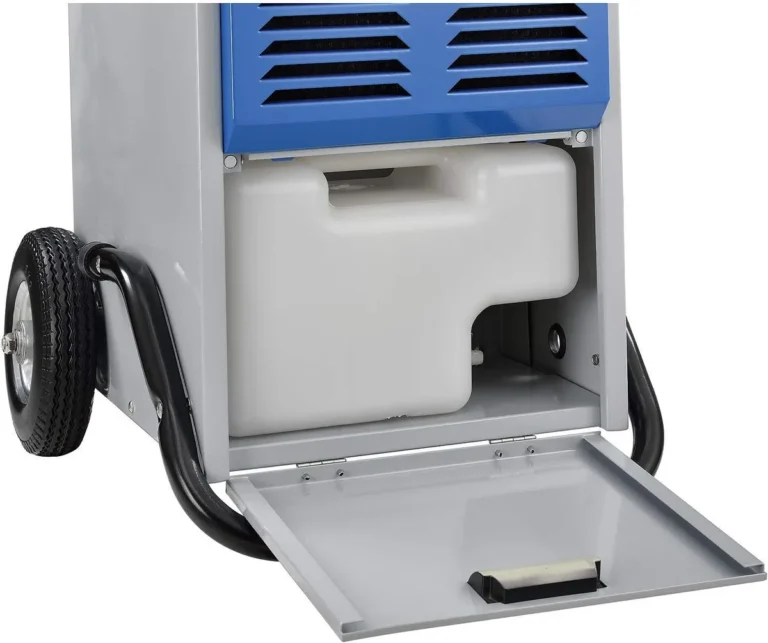
The coils are chilled well below the dew point of the air. Moisture in the air condenses into water droplets, just like a cold soda can sweats on a hot day. That water drips into a collection bucket or runs out a drain hose.
The now-dryer air passes over warm condenser coils and gets reheated slightly before it returns to the room.

Image source: Bing (Web (fair-use with source credit))
Why an open window sabotages the process
Think about the volume of air your home contains. A typical 500-square-foot basement holds roughly 4,000 cubic feet of air. Your dehumidifier can process that volume in a few hours.
If you open a window, you're connecting that room to the entire outdoors. Every breeze pushes fresh humid air inside. The dehumidifier now has to dry an effectively infinite volume of air.
It never catches up.
Manufacturer specifications for most units assume a closed environment. The pint rating printed on the box (30 pints, 50 pints, 70 pints) is measured under standard lab conditions with the room sealed. Open the window and you've slashed its effective capacity by 50 percent or more.
Aggregate reviews from homeowners confirm this. The most common complaint about dehumidifiers is that they run constantly. The second most common cause is an open window.
Desiccant dehumidifiers are a bit different
Desiccant units use a chemical rotor to absorb moisture rather than condensing it. They still recirculate room air. The rotor grabs water vapor as air passes through and releases it to a heated exhaust.
An open window still introduces fresh moisture, so the same rule applies. Keep the space closed for best results.
The Real Decision Tree: When to Keep Windows Closed vs. Cracked
Here's where the simple answer gets more interesting. There are specific situations where cracking a window actually helps. But you need to check one number first.
Step 1: Check your outdoor dew point
The dew point is the temperature at which air becomes saturated with water vapor. It's a better measure of humidity than relative humidity alone. You can find your local dew point on any weather app.
If the outdoor dew point is lower than the temperature you're trying to maintain indoors, the air outside is actually drier than the air inside.
Most homes in humid climates have indoor dew points around 55 to 65 degrees during summer. If you see a dew point of 50 or lower outside, that air is genuinely dry. Cracking a window can let that dry air in and help the dehumidifier.
Step 2: Make the decision
| Condition | What to do | Why |
|---|---|---|
| Outdoor dew point higher than indoor temp | Close windows tightly | Outdoor air is wetter than indoor air. Open window = faster moisture load. |
| Outdoor dew point lower than indoor temp | Crack a window 1-2 inches | Dry air enters, dehumidifier removes remaining moisture faster. |
| It's raining or foggy outside | Close windows immediately | Outdoor humidity is near 100 percent. You're fighting a losing battle. |
| You're drying out a small bathroom post-shower | Close the door and window | The dehumidifier should recirculate the steamy air, not pull in fresh air. |
| You're drying a flooded basement after water removal | Windows closed, use multiple units | You want to capture the moisture already in the space, not pull in more. |
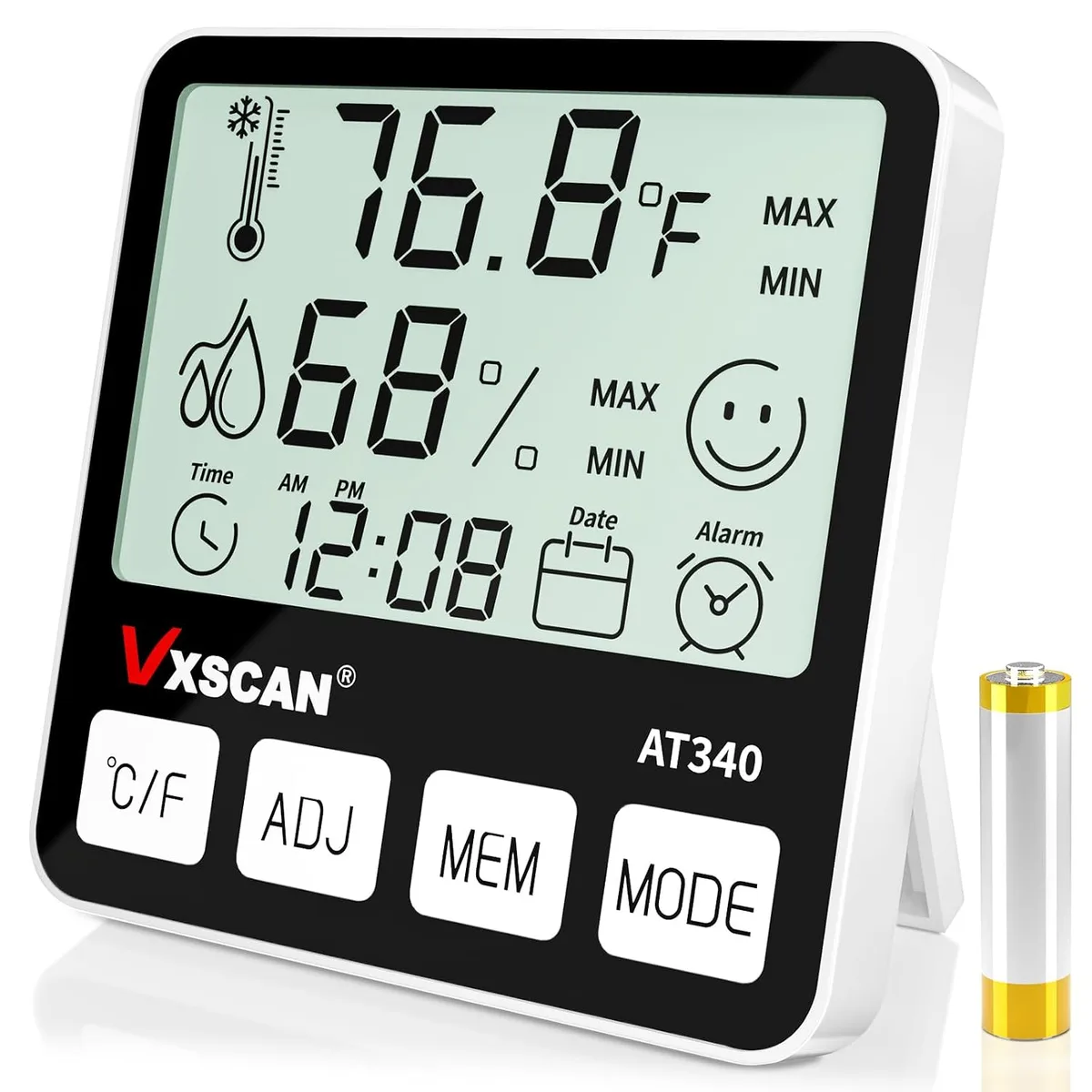
Image source: Bing (Web (fair-use with source credit))
Step 3: Monitor and adjust
Don't just set it and forget it. After a few hours, check the indoor humidity on your built-in display or a separate hygrometer. If you cracked a window and the humidity is dropping, good.
If it's holding steady or rising, close the window. The decision is dynamic. A hot afternoon might mean closed windows.
A cool evening with dry air might mean you crack them open.
Special cases
Bathrooms after a shower. The space is small and the moisture load is intense. Close the door and the window. Let the dehumidifier cycle the steamy air.
It will pull the humidity down in 20 to 30 minutes.
Laundry rooms with drying racks. Wet clothes release a lot of moisture. If the room is closed, the dehumidifier handles it. If the outdoor air is dry, cracking a window can help remove the humidity faster.
But if it's humid outside, keep that window shut.
Post-flood drying. Professional restoration crews run dehumidifiers in sealed environments. They use containment barriers and multiple high-capacity units. The goal is to keep the dried air inside and pull moisture from materials.
Open windows defeat the purpose. If you're dealing with water damage, seal the room. Consider a unit designed for the job.
Best Practices: Setting Up Your Dehumidifier to Hit 40 to 50% RH
Getting the setup right matters more than most people realize. A poorly placed dehumidifier works twice as hard for half the result.
Where to place the unit
Put the dehumidifier in the center of the room. Keep it at least six inches from walls and furniture. The intake and exhaust vents need clear airflow.
If you shove it into a corner behind a couch, it recirculates the same pocket of air. The rest of the room stays damp.
For basements, place the unit on a raised surface like a concrete block or a small table. This prevents the intake from sucking up dust and debris from the floor. It also helps the unit drain properly if you're using a continuous hose.
What to set the humidistat to
The U.S. Environmental Protection Agency (EPA) recommends keeping indoor relative humidity between 30 and 50 percent. That's the sweet spot.
Mold growth slows down below 60 percent. Dust mites can't thrive below 50 percent. Most people set their dehumidifier to 45 or 50 percent.
That's a good target.
If you set it too low (say 30 percent), the unit runs constantly. Your room may feel uncomfortably dry. Your skin will hate it.
Your wooden furniture might crack. Stick with 45 to 50 percent for daily use.
Continuous drainage is a game changer
Emptying a bucket every eight hours gets old fast. Most dehumidifiers have a threaded port for a garden hose. Run the hose to a floor drain, a sink, or a window.
Gravity-powered drainage works if the hose end is lower than the unit. Otherwise, look for a unit with a built-in condensate pump. A pump can push water up and out a window or into a utility sink.
That's a feature worth paying for, especially if you're running the unit in a basement without a floor drain.
When to run it
For maximum efficiency, run the dehumidifier during the hottest part of the day. The compressor works best when the room is warm. If you have a basement that stays cool, a desiccant unit performs better at lower temperatures.
For bedrooms, run the unit during the day while you're away. Let it shut off before bedtime. The fan noise can be distracting for light sleepers.
There are smaller units designed for bedrooms that fit well in a closet or corner.
Common Mistakes That Waste Energy or Worsen Mold
People make the same errors over and over. Here are the ones to avoid.
Mistake 1: Running the dehumidifier with windows open in humid weather
This is the biggest one. We covered the physics above. But it's worth repeating.
If the outdoor dew point is 70 and your basement is 65, opening a window turns your dehumidifier into a very expensive fan. You're pulling in air that's already saturated. The unit can't make progress.
It runs for days without emptying the bucket. Close the window.
Mistake 2: Over-drying the room
People think lower is always better. It's not. Below 30 percent relative humidity, the air becomes uncomfortably dry.
Your eyes get scratchy. Your sinuses feel raw. Wood floors can shrink and crack.
And your dehumidifier runs constantly to maintain that low number, burning electricity. Set it to 45 to 50 percent and stop chasing a lower number.
Mistake 3: Sealing off a whole basement when you only need one room
Some basements are huge. If you're only using a workshop corner or a storage area, consider isolating that space. Hang a heavy plastic sheet as a partition.
Close any interior doors. The smaller the sealed volume, the faster the dehumidifier works. A 30-pint unit in a 200-square-foot room will make quick progress.
That same unit in a 1,500-square-foot open basement will struggle.
Mistake 4: Using the dehumidifier in freezing temperatures
Compressor dehumidifiers don't work well below 60 degrees Fahrenheit. The coils can ice up. The unit goes into defrost mode and stops extracting water.
Desiccant units handle cold better, but they're less efficient. If you're trying to dry a cold garage in winter, you might be better off with a desiccant unit or accepting that the dehumidifier won't do much.
Mistake 5: Forgetting to clean the air filter
The air filter catches dust, pet hair, and debris. When it's clogged, airflow drops. The unit works harder and extracts less water.
Most manufacturers recommend cleaning the filter every two weeks during heavy use. It's a two-minute job. Pull the filter out, rinse it under warm water, let it dry, and pop it back in.
If you skip this, your dehumidifier performance drops by 30 percent or more.
Mistake 6: Putting the dehumidifier in a closet or tight space
A closet with no ventilation doesn't give the unit room to breathe. The exhaust air has nowhere to go. The unit recirculates the same warm, dry air and overheats.
It can trip the safety shutoff and stop working. Always place the unit in an open area with good air circulation.
A Few Real-Life Scenarios
Let's put this into practice with some common situations.
Scenario: Humid basement in July. You live in Atlanta. The outdoor dew point is 72 degrees. Your basement sits at 65 degrees with 80 percent RH.
Keep every window closed. Run a 50-pint unit continuously for the first 48 hours. Expect the RH to drop to 55 percent by the second day.
Then the humidistat will cycle the unit on and off to maintain 50 percent.
Scenario: Coastal bedroom overnight. You live near the coast. Summer nights bring cool ocean breezes with low dew points. The outdoor dew point drops to 55 degrees.
Your bedroom is stuffy and reading 70 percent RH. Crack a window two inches. Run the dehumidifier.
The dry ocean air helps the unit pull the room down to 50 percent in about an hour.
Scenario: Cold garage in November. You live in the Pacific Northwest. The garage is 50 degrees with 75 percent RH. A compressor dehumidifier will frost up.
Use a desiccant unit instead. Keep the garage door closed. The desiccant unit will extract moisture even at low temperatures.
Scenario: Post-shower bathroom during a rainstorm. You just took a hot shower. The bathroom is steamy. Outside, it's pouring rain.
Close the window and the door. Run the dehumidifier for 30 minutes. The unit will cycle the humid air quickly.
Opening the window would pull in saturated air from the rainstorm.
Frequently Asked Questions
Should I ever leave a window open when using a dehumidifier?
Yes, but only when the outdoor air is drier than your indoor air. Check the outdoor dew point first. If it's lower than your indoor dew point, cracking a window one to two inches can help the unit work faster.
If the outdoor dew point is higher, keep the window closed.
Does a dehumidifier heat up the room?
Yes, a compressor dehumidifier blows warm air out of its exhaust. The heat comes from the condenser coils and the compressor motor. Expect the room temperature to rise by 2 to 5 degrees during operation.
Desiccant units produce even more heat. This is normal.
Why is my dehumidifier running constantly?
The most common causes are an open window, a space that's too large for the unit's pint rating, or a humidity setting that's too low. Check the room size against the unit's capacity. Close any open windows.
Set the humidistat to 45 to 50 percent. If it still runs constantly, the unit may be undersized.
Can I use a dehumidifier in a room with no windows?
Yes. A dehumidifier recirculates indoor air. It doesn't need fresh air intake.
A room with no windows is actually ideal because there's no way for outdoor humidity to enter. Just make sure the room has a door or some ventilation path to prevent the air from becoming stale.
Should I run a dehumidifier in the same room as an air conditioner?
Yes, but the air conditioner already removes some moisture. In very humid climates, the AC may not be enough. Running a dehumidifier alongside the AC helps.
Keep the windows closed. The AC cools the air and the dehumidifier extracts the remaining moisture. They work well together.
How do I know if my dehumidifier is working properly?
Check the collection bucket after 8 to 12 hours of operation. A properly working unit in a closed room with 70 percent RH should collect water visibly. If the bucket is empty after 12 hours, check the air filter, the humidity setting, and whether any windows or doors are open.
So, Should You Close the Windows?
Here's the simple rule to remember. Close the windows by default. The dehumidifier works by cycling the same indoor air.
Open windows let in fresh moisture. That makes the unit run longer and use more energy.
The only time you crack a window is when the outdoor air is genuinely drier than your indoor air. Check the dew point. If it's lower outside, a small opening can help.
If it's higher, seal the room tight.
For most people in most climates, the answer is close the windows. Let the dehumidifier do its job. Check the humidity after a few hours.
Adjust if needed. That's it.