Can One Hygrometer Measure Humidity in a Large Enclosure
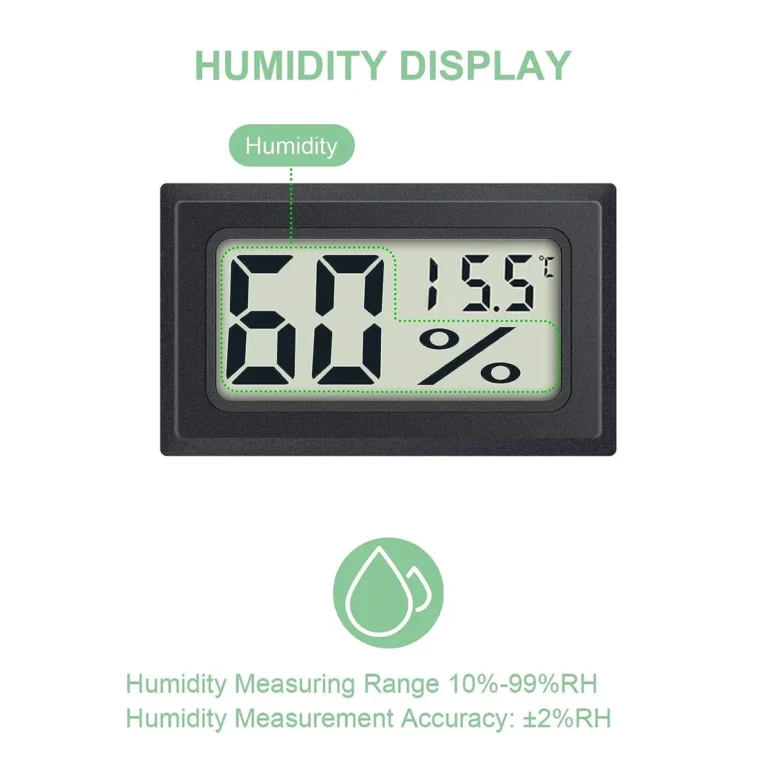
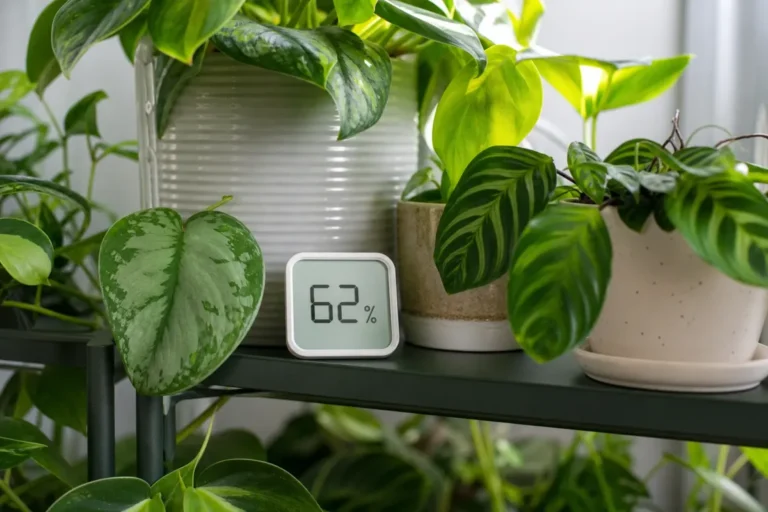
Can one hygrometer measure humidity in a large enclosure? Yes, but only if you place it well and your enclosure has decent airflow. One sensor reads the air immediately around it.
That reading can be wildly different from other spots unless the air mixes properly.
Manufacturer specifications typically rate capacitive hygrometers at ±2% to ±3% RH accuracy. As of 2026, that's precise enough for most reptile tanks, grow tents, and greenhouses. But accuracy at the sensor doesn't mean accuracy across the whole space.
You need to understand your enclosure's gradient before trusting a single reading. This guide walks through the process.
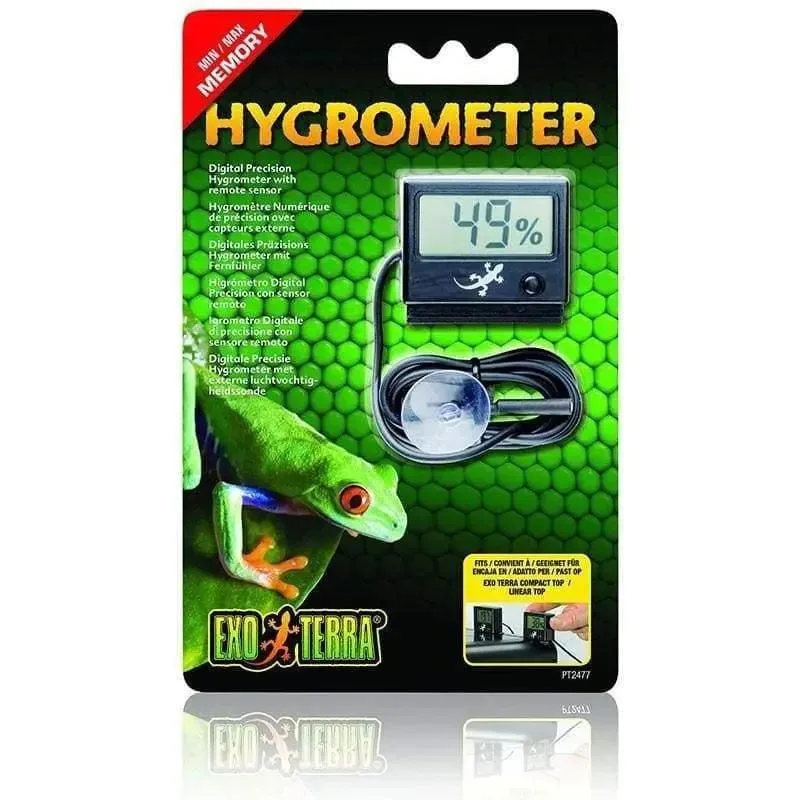
Image source: Bing (Web (fair-use with source credit))
Can One Hygrometer Handle It? The Quick Answer
One hygrometer can measure humidity in a large enclosure, but not consistently. It depends on air mixing and sensor placement. Small spaces with good airflow often need just one.
Large spaces typically need two or more.
This question gets confusing because humidity is not a single value. It shifts across space and time. A sensor hanging near a heat lamp can read 30% RH while the floor sits at 60% RH.
Neither reading is wrong. They're just measuring different zones.
Your job is to figure out whether those zones are close enough for one sensor to represent the whole enclosure. That comes down to three things: enclosure volume, ventilation, and heat sources. A 10-gallon tank with a screen top mixes air naturally.
A walk-in greenhouse does not.
| Enclosure Type | Typical Volume | One Sensor Enough? |
|---|---|---|
| 10–20 gallon reptile tank | 1.5–2.5 cu ft | Usually |
| 2x2x3 grow tent | 12 cu ft | Rarely |
| Walk-in greenhouse | 100+ cu ft | No |
That table matches manufacturer guidance from most digital hygrometer brands. It's a starting point, not a verdict. A small enclosure with no ventilation can still produce a 10% RH gradient.
A large enclosure with strong fans can stay uniform within 3%.
Why Enclosure Size, Airflow, and Gradients Matter
Humidity gradients form because warm air holds more moisture than cool air. When a heat source exists, warm air rises and carries vapor with it. That leaves cooler spots near the floor with lower RH, or higher RH if the substrate is wet.
Airflow is the great equalizer. A fan forces air to mix, which smooths out those hot and cold pockets. Without circulation, a single hygrometer reads whatever microclimate it sits in.
It won't tell you about the corner behind the water bowl or the dry zone under the lamp.
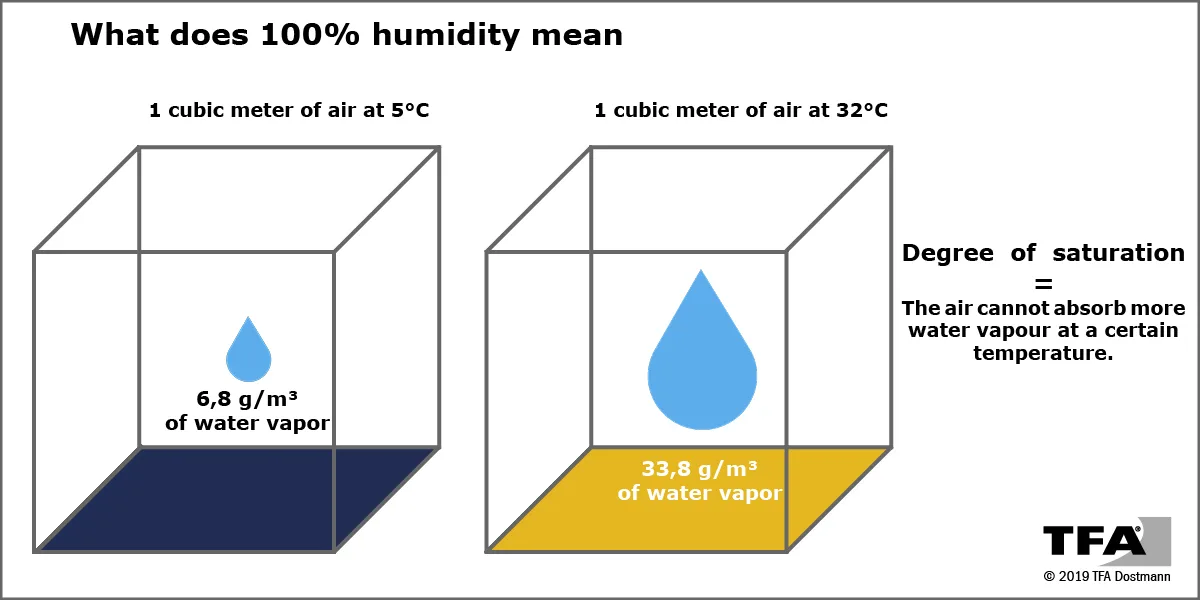
Image source: Web (Bing) / fity.club (Web image (fair-use with source credit))
Three factors create gradients in every enclosure:
- Heat sources. Lamps, heaters, and basking spots lower RH where they radiate.
- Moisture sources. Water bowls, misters, and wet substrate raise RH nearby.
- Air mixing. Fans, vents, and natural convection either blend or isolate these zones.
Research shows that 4×4 grow tents can hold a 15% RH difference between floor and canopy. The same tent with a single circulation fan dropped that gap to under 5%. So the real question isn't "how big is the enclosure?" It's "how well does the air move?"
How to Test Your Setup: A Step-by-Step Decision Process
Here's a practical method to find out if one hygrometer is enough for your enclosure. It takes about 24 hours and uses the sensor you already own. No special equipment needed.
- Measure your enclosure's floor area and height.
- Place your hygrometer at the most important spot, like the basking zone or plant canopy.
- Let it sit for 30 minutes to stabilize.
- Record the reading, then move the sensor to a second spot.
- Test three or four spots total. Aim for the canopy, the floor, a corner, and near the water source.
- Wait 30 minutes at each position before recording.
- Compare the highest and lowest readings after 24 hours.
If the difference stays under 5% RH, a single sensor will serve you fine. If readings swing more than 5%, you need a second sensor for reliable tracking. That 5% threshold comes from typical calibration tolerance for mid-range digital hygrometers.
| Reading Difference | What It Means | Action |
|---|---|---|
| Under 3% RH | Well-mixed air | One sensor is fine |
| 3–5% RH | Mild gradient | One sensor is OK, but note placement |
| Over 5% RH | Strong gradient | Add a second sensor |
Repeat this test after changing anything major. Seasons shift room humidity, insulation changes, and adding a heater alters temperature profiles. A setup that reads evenly in March can develop stubborn gradients by July.
Common Mistakes That Fool Single-Sensor Readings
A single hygrometer isn't automatically wrong. Most mistakes come from where you place it and how you interpret the data.
- Placing it near a mister or water bowl. That sensor reads local moisture, not the enclosure average.
- Hanging it under a heat lamp. Heat depresses RH in that exact spot by several points.
- Putting it flush against a glass wall. Glass stays cooler than interior air, which skews the reading.
- Ignoring calibration drift. Cheap sensors can drift 1, 2% RH per month if never recalibrated.
- Moving the sensor right before reading. Your breath and handling can spike the number for minutes.
- Trusting one reading when your animal or plant shows stress. Behavioral signs always trump a single number.
Aggregate user feedback reports many cases where a keeper relies on one hygrometer reading 70% RH, while their reptile shows dehydration. The sensor sat near a fresh water bowl. The rest of the tank sat at 40%.
This is the classic single-sensor trap.
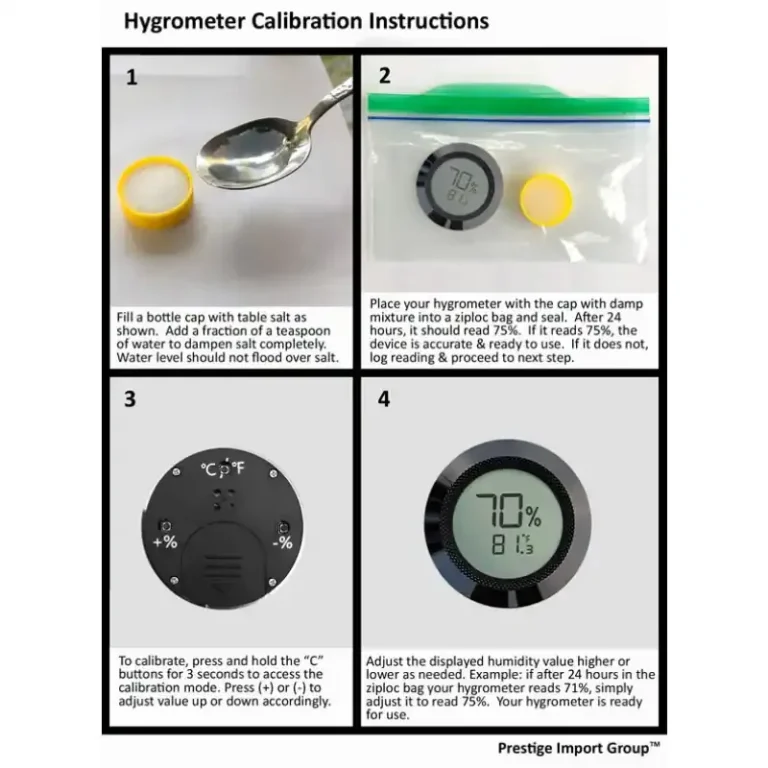
Calibrate your hygrometer before you trust it. The salt test checks it against a known 75% RH standard. The National Institute of Standards and Technology (NIST) publishes calibration procedures for humidity sensors, and most mid-range units hold accuracy for months after a good test.
Follow their guidelines and you'll know exactly what your sensor is telling you.
Real-World Examples: When One Sensor Works and When It Doesn't
Let's make this concrete with three realistic setups.
Small reptile vivarium (20-gallon, 2 feet long). With one small fan and a screen top, air mixes well. A single hygrometer near the warm hide reads within 3% RH of the cool side. One sensor is plenty.
The gradient stays small because the enclosure is shallow and well-ventilated.
4×4 grow tent with zero circulation fans. Dense leaves block airflow. The canopy might sit at 55% RH while the floor near the pots hits 70%. A single sensor at canopy level tells you nothing about root-zone conditions.
You need at least two sensors here. One near the canopy, one near the pots.
Walk-in greenhouse (8×6 feet, 7 feet tall). Natural convection creates persistent gradients, especially near walls and roof vents. A single hygrometer in the center gives a rough average, but it misses cold corners where condensation forms every night. Most greenhouse managers run at least two monitored points.

Image source: Web (Bing) / in.pinterest.com (Web image (fair-use with source credit))
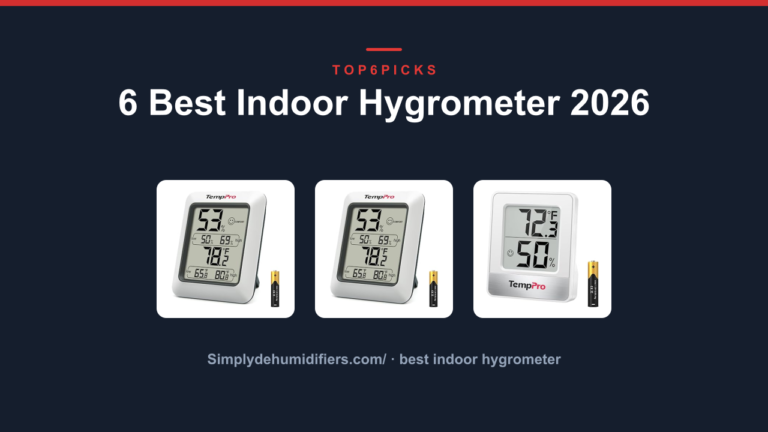
This photo shows what you'd expect from a larger enclosure. Two sensors placed twelve inches apart read different values. Neither sensor is broken.
They're sampling different air masses. The takeaway is simple: one sensor only ever tells you about its own little world.
Frequently Asked Questions
How do I know if my enclosure needs one or two hygrometers?
Run the 24-hour test described above. Move your sensor to three or four different spots and compare readings. A difference of 5% RH or more means you need a second sensor.
Differences under 3% mean one sensor is fine.
Can I use a single hygrometer with a fan and get accurate readings?
Yes, a fan helps a lot. Strong air circulation evens out humidity gradients. If your fan moves air across the entire enclosure, a single sensor placed in a central spot usually gives a reliable reading.
But test it first.
What's the best placement for a single hygrometer?
Place it at the same height as your animal or plant's breathing zone. For reptiles, that's near the warm hide. For plants, it's canopy level.
Avoid spots near water sources, heat lamps, or walls. The center of the enclosure is usually best.
How often should I calibrate my hygrometer?
Calibrate every three to six months using the salt test. Digital sensors drift over time, especially in humid environments. A quick calibration check prevents you from trusting a sensor that's quietly gone off by 3% or 4% RH.
Does a digital or analog hygrometer matter for large enclosures?
Digital hygrometers respond faster and read more accurately than analog models. Analog units use a coiled hair or metal strip that reacts slowly. For a large enclosure, digital is the better choice because you need real-time data to spot gradients.
Final Decision Guide: How Many Sensors You Actually Need
| Enclosure Type | Typical Airflow | One Sensor Enough? | Why |
|---|---|---|---|
| Small tank, screen top | Natural convection | Yes | Air mixes freely |
| Small tank, glass lid | Limited | Maybe | Test first |
| Grow tent (2×2 or smaller) | With fan | Yes | Fan smooths gradient |
| Grow tent (3×3 or larger) | With fan | Maybe | Check canopy vs floor |
| Greenhouse (any size) | Variable | No | Multiple zones guaranteed |
| Any enclosure, no fan | Poor | No | Gradients are inevitable |
Here's the bottom line. If your enclosure has good airflow and you test to confirm even readings, one sensor works. If you see a 5% RH difference between spots, add a second sensor.
If you're dealing with a walk-in space or dense plant canopy, plan for two or three sensors from the start.
One sensor isn't a failure. It's a starting point. The right answer is the one that matches your actual setup.