Can You Use a Hygrometer for a Terrarium
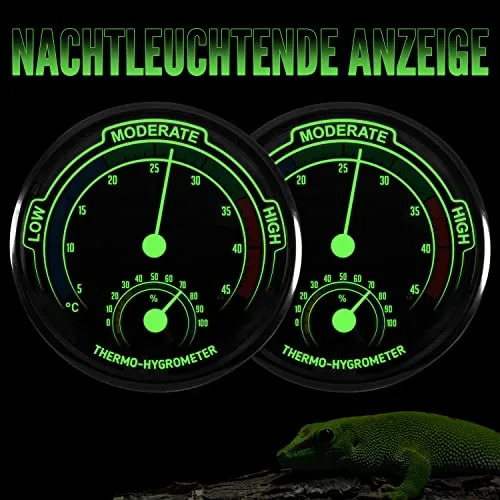
Image source: Bing (Web (fair-use with source credit))
When a Hygrometer Actually Helps (and When It Just Gets in the Way)
A hygrometer is a tool, not a necessity. Like any tool, it helps in certain situations and creates noise in others.
It helps when you are building a closed terrarium with tropical plants. These setups rely on the water cycle. Evaporation from soil and plants condenses on the glass and drips back down. A hygrometer tells you if that cycle is working.
Readings above 80 percent relative humidity usually mean the system is sealed and functioning. Readings below 60 percent suggest the lid is too loose or the substrate is too dry.
It helps when you keep animals inside the terrarium. Reptiles and amphibians have specific humidity requirements. A hygrometer is not optional here. It is a safety tool.
Frogs need 70 to 90 percent humidity. Leopard geckos need 30 to 40 percent. You cannot guess those numbers.
It helps when you are new to terrariums. Visual cues take experience to read. Beginners often overwater or underwater because they cannot tell if the soil is moist enough. A hygrometer gives you a number to aim for.
That removes the guesswork.
It gets in the way when you have an open succulent terrarium. Succulents and cacti need dry air and dry soil. A hygrometer in an open top will read the room humidity, not the internal conditions. That number is meaningless.
You are better off checking the soil moisture with your finger.
It gets in the way when you do not know how to interpret the reading. A reading of 75 percent does not tell you what to do. You need to know your target range, your ventilation rate, and your watering schedule. Without that context, the number is just a number.
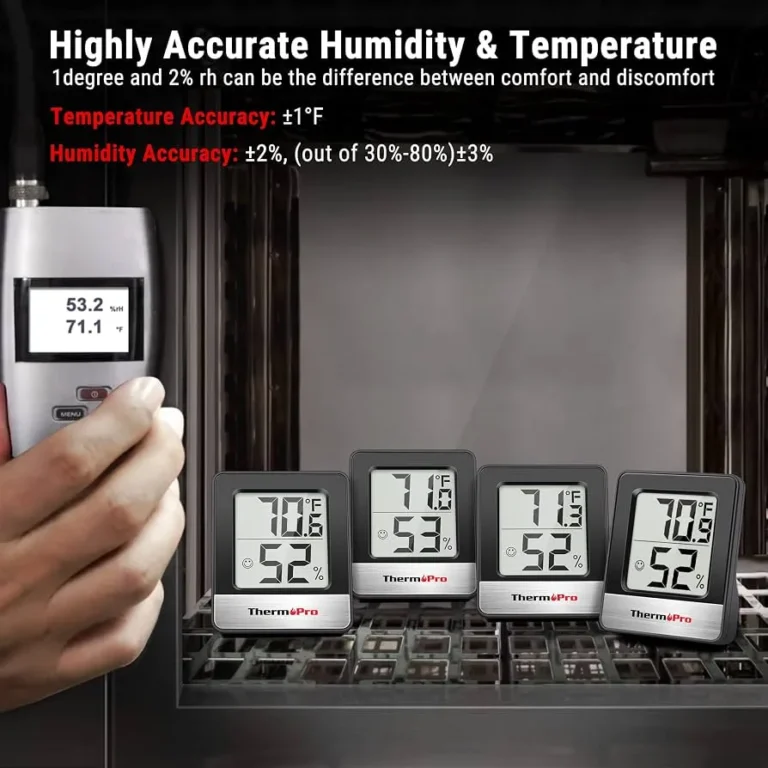
It gets in the way when the hygrometer itself is inaccurate. Cheap analog hygrometers often arrive with errors of 10 percent or more. You cannot trust the reading. You end up making decisions based on bad data.
The rule of thumb is simple. If your terrarium depends on high humidity, a hygrometer is valuable. If your terrarium is open and dry, skip it.
How a Hygrometer Works Inside a Terrarium (and Why It Often Lies)
A hygrometer measures relative humidity. That is the amount of water vapor in the air compared to the maximum the air can hold at that temperature. Warm air holds more moisture than cold air.
So humidity readings change with temperature inside the terrarium.
Most hygrometers use one of two sensor types.
Analog hygrometers use a coil of hair or a metal strip that expands and contracts with moisture. They are cheap and simple. They are also slow to respond and prone to drift.
Our research indicates that analog models commonly lose calibration within three to six months in a high-humidity environment. NIST standards for humidity measurement recommend recalibration every few months, but few hobbyists do that.
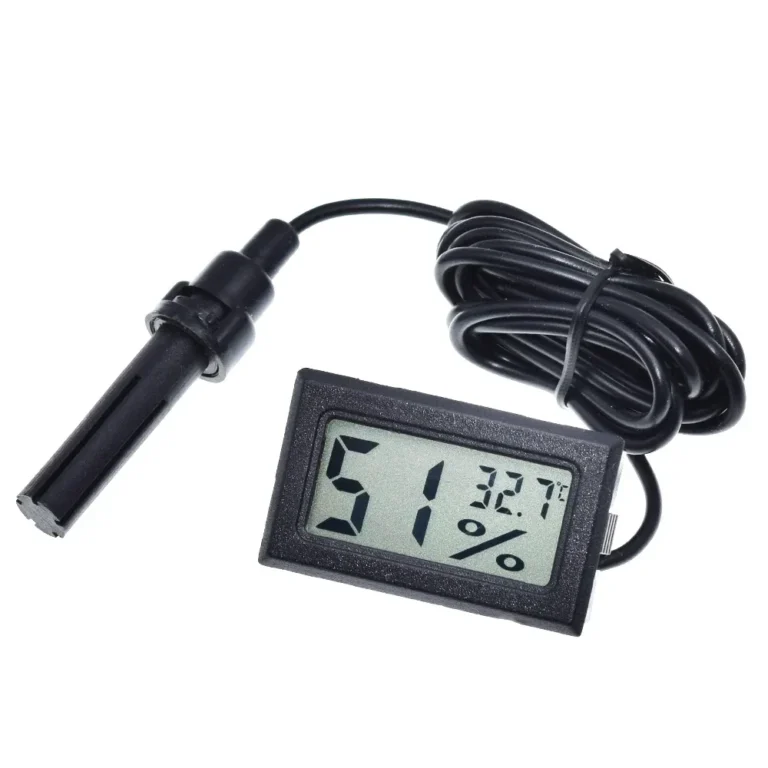
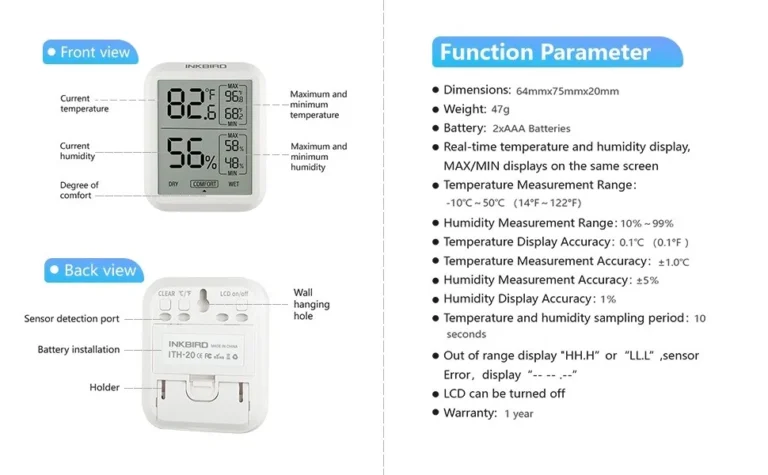
Digital hygrometers use a capacitive sensor. A thin film of polymer absorbs water vapor. The change in capacitance is converted to a humidity reading.
These sensors are faster and more accurate. But they have their own problems inside a terrarium.

Image source: Web (Bing) / wallpapers.com (Web image (fair-use with source credit))
Why hygrometers lie inside a terrarium.
The biggest problem is condensation. In a closed terrarium, the air is often saturated. Water droplets form on the glass, on the plants, and on the sensor.
When a water droplet sits on the hygrometer sensor, it reads 100 percent regardless of the actual air humidity. That is a false reading. You think the terrarium is too wet.
You open the lid. You lose the stable microclimate your plants need.
The second problem is placement. Place the hygrometer too close to the glass, and the reading is cooler and more humid than the center of the terrarium. Place it too close to the substrate, and it picks up evaporating moisture from the soil.
The ideal spot is mid-height, away from the glass and away from direct light.
The third problem is calibration drift. High humidity accelerates sensor degradation. Per manufacturer specifications for 2026 models, consumer-grade digital hygrometers drift by 1 to 2 percent per year.
That is manageable. Cheap analog models can drift 5 percent in a month. You can check calibration with a simple salt test.
Mix table salt with a little water to form a paste. Place it in a sealed container with the hygrometer. After 12 hours, the reading should be 75 percent.
If it is not, you know the error.
The takeaway is straightforward. A hygrometer is useful only if you understand its limitations. Condensation, placement, and drift all affect the reading.
Account for those factors, and the tool becomes reliable. Ignore them, and you are guessing.
The 3 Questions That Decide Whether You Need a Hygrometer
Do not buy a hygrometer just because someone on the internet said you should. Ask yourself these three questions first.
Question 1: Is your terrarium closed or open?
This is the most important factor. A closed terrarium traps moisture. The internal humidity is always higher than the room.
You cannot judge it by looking. A hygrometer gives you the one number that tells you if the system is working.
An open terrarium breathes. The humidity inside matches the room within a few minutes. You already know the room humidity.
You do not need a hygrometer inside the terrarium. You need a room hygrometer, which is a different device.
Decision: Closed terrarium equals hygrometer is useful. Open terrarium equals skip it.
Question 2: What plants are you growing?
Tropical plants like ferns, mosses, and orchids need 60 to 80 percent humidity. Succulents and cacti need 30 to 50 percent. If you are growing tropical plants, a hygrometer helps you stay in the target zone.
If you are growing succulents, a hygrometer is unnecessary. You want dry air, and the room is already dry enough.
Decision: Tropical plants equals hygrometer is useful. Succulents equals skip it.
Question 3: Do you keep animals inside the terrarium?
This changes the calculation completely. Reptiles, amphibians, and invertebrates have specific humidity requirements. Getting it wrong can cause respiratory infections, shedding problems, or death.
A hygrometer is not a nice-to-have. It is a safety requirement.
Decision: Animals inside equals hygrometer is mandatory. Plants only equals hygrometer is optional.
Three questions. Three answers. If you answered closed, tropical, or animals, get a hygrometer.
If you answered open, succulent, or plants only, you can save your money.
Which Terrarium Types Actually Benefit from a Hygrometer
Not all terrariums are the same. Here is a breakdown of common terrarium types and whether a hygrometer makes sense.
| Terrarium Type | Typical Humidity | Hygrometer Useful? | Reason |
|---|---|---|---|
| Closed tropical | 80-100% | Yes | Condensation cycles are critical. Hygrometer confirms the seal is working. |
| Open tropical | 50-70% | Maybe | Room humidity matters more. Use a room hygrometer instead. |
| Closed succulent | 50-70% | No | Succulents rot in high humidity. Keep the lid off. |
| Open succulent | 30-50% | No | Room humidity is fine. Finger test for soil moisture works better. |
| Bioactive closed | 70-90% | Yes | Cleanup crew like springtails and isopods need stable humidity. |
| Reptile enclosure | 30-90% depending on species | Yes | Species-specific requirements. Hygrometer is a safety tool. |
| Orchidarium | 70-85% | Yes | Orchids are sensitive to humidity swings. Monitoring helps. |
| Desktop office terrarium | Varies | No | Visual cues are enough. A hygrometer adds complexity without benefit. |
Closed tropical terrariums benefit the most. The water cycle is the whole point. You need to know if the lid is sealing properly.
A hygrometer reading that stays above 80 percent tells you the system is balanced. A reading that drops below 60 percent means the seal is broken or the substrate is too dry.
Bioactive closed terrariums also benefit. The cleanup crew needs stable conditions. Springtails dry out quickly.
Isopods need moisture pockets. A hygrometer helps you catch problems before the population crashes.
Reptile enclosures are non-negotiable. If you keep a crested gecko, you need 50 to 70 percent humidity. If you keep a ball python, you need 50 to 60 percent.
A hygrometer is the only way to verify. NIST provides the measurement standards that consumer hygrometers are tested against. That is the level of accuracy you should expect for a pet enclosure.
Open succulent terrariums do not need a hygrometer. The air is dry. The soil is dry.
The plant wants it that way. A hygrometer reading of 30 percent is normal. It does not tell you anything useful.
5 Mistakes That Turn a Hygrometer from Helpful to Harmful
A hygrometer can make your terrarium worse if you use it wrong. Here are the five most common mistakes.
Mistake 1: Placing the hygrometer directly on the substrate
The soil surface is always more humid than the air above it. Evaporation from the wet substrate creates a microclimate of high humidity near the ground. If you place the hygrometer there, you get a reading that is 10 to 20 percent higher than the actual air humidity.
You think the terrarium is too wet. You open the lid. The plants stress.
Fix: Place the hygrometer at mid-height, roughly halfway between the substrate and the lid. That gives you the average air humidity.
Mistake 2: Ignoring condensation on the sensor
Condensation is the number one cause of false readings. A single droplet on the sensor makes it read 100 percent. You panic.
You open the lid. You lose the humidity the plants need.
Fix: Check the sensor for visible moisture before reading. If there is condensation, wipe it gently with a dry cloth. Wait 10 minutes for the reading to stabilize.
Then read.
Mistake 3: Using an uncalibrated analog hygrometer
Analog hygrometers are notoriously inaccurate out of the box. Our research shows that a typical analog model under $10 has an error of 8 to 12 percent when new. That error only grows over time.
Fix: Do the salt test before using the hygrometer. Mix table salt with a few drops of water. Place the paste and the hygrometer in a sealed bag or container.
Wait 12 hours. The reading should be 75 percent. If it is not, you know the offset.
Write it down and subtract it from every reading.
Mistake 4: Reacting to every reading change
Humidity fluctuates naturally inside a terrarium. The light cycle affects it. The temperature changes.
The water cycle has peaks and valleys. A drop from 85 to 70 percent over a few hours is normal. Many beginners see a drop and immediately mist the terrarium.
That creates a cycle of overwatering.
Fix: Look at trends, not single readings. A hygrometer with a min/max memory function helps. Check the range over 24 hours.
If the average stays in your target zone, do nothing.
Mistake 5: Leaving the hygrometer in place permanently without maintenance
Hygrometers degrade in high humidity. The sensor accumulates dust, salts, and minerals from evaporating water. That changes the calibration.
Over time, the readings drift further from reality.
Fix: Remove the hygrometer every few months. Wipe the sensor with a dry cloth. Let it air out for a day.
Run the salt test again. If the error is more than 5 percent, replace the unit. They are cheap enough that replacement is easier than recalibration.
How to Set Up a Hygrometer the Right Way (Step-by-Step)
Setting up a hygrometer is not complicated. But doing it wrong makes the data useless. Follow these steps for reliable readings.
Step 1: Calibrate before you install
Run the salt test before putting the hygrometer inside the terrarium. Mix table salt with a few drops of water to make a paste. Place the paste and the hygrometer in a sealed container.
Wait 12 hours. The reading should be 75 percent. If it reads 70, you know every reading will be 5 percent low.
Adjust accordingly.
Step 2: Choose the right location
Place the hygrometer at mid-height inside the terrarium. Keep it away from the glass walls. Keep it away from direct light.
Keep it away from the substrate surface. The center of the air space gives the most representative reading.
Step 3: Mount it securely
Do not let the hygrometer rest on the soil. It will wick moisture and read high. Use a suction cup mount or a small adhesive hook.
Attach it to the glass at the correct height. Make sure it will not fall on plants or animals.
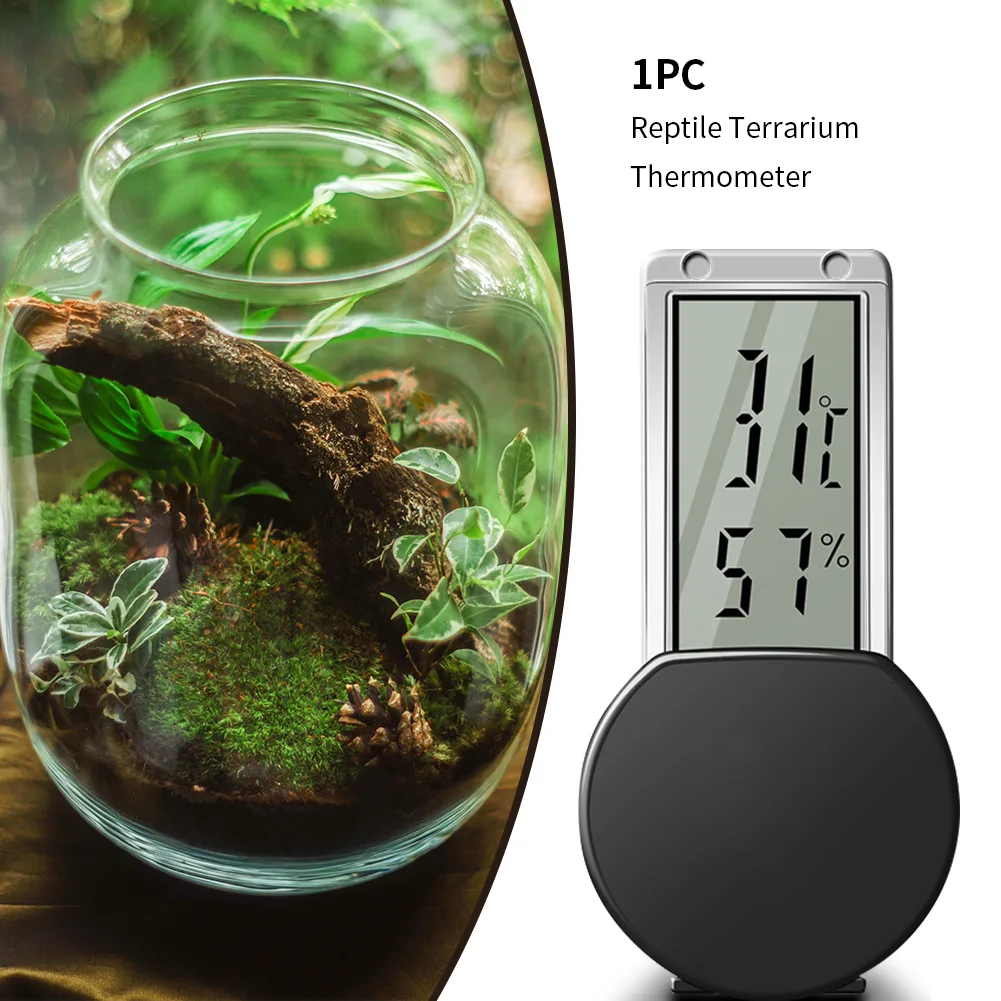
Image source: Bing (Web (fair-use with source credit))
Step 4: Wait for stabilization
After placing the hygrometer, wait 30 minutes before reading. The sensor needs time to adjust to the terrarium environment. Opening the lid to install it changes the humidity.
Give it time to settle.
Step 5: Read at the same time each day
Humidity fluctuates with the light cycle and temperature. Read at the same time each day for consistency. Early morning readings are usually the highest.
Afternoon readings are the lowest. Pick one time and stick with it.
Step 6: Log the readings
Write down the reading each day for the first two weeks. That gives you a baseline. You will see the normal range.
Then you can spot anomalies quickly. A sudden drop might mean the lid seal is broken. A sustained rise might mean the soil is too wet.
Step 7: Recalibrate every few months
High humidity accelerates sensor drift. Remove the hygrometer every three months. Run the salt test again.
If the error is more than 5 percent, replace the unit. Consumer hygrometers are cheap enough that replacement is easier than recalibration.
Frequently Asked Questions
Can I use a hygrometer in a closed terrarium?
Yes. A closed terrarium is where a hygrometer adds the most value. It tells you if the water cycle is balanced.
Readings above 80 percent indicate a good seal. Readings below 60 percent suggest the lid is too loose or the substrate is dry.
What humidity should a terrarium be?
It depends on the plants. Tropical terrariums need 60 to 80 percent relative humidity. Succulent terrariums need 30 to 50 percent.
Closed terrariums often run 80 to 100 percent naturally. The right number depends on what you are growing.
Do I need a digital or analog hygrometer?
Digital hygrometers are more accurate and faster responding. Analog models drift faster and are harder to read precisely. For a terrarium, a digital capacitive sensor is the better choice.
It costs a few dollars more but saves you from false readings.
How do I calibrate a hygrometer for a terrarium?
Use the salt test. Mix table salt with a few drops of water to form a paste. Place the paste and the hygrometer in a sealed container.
Wait 12 hours. The reading should be 75 percent. If it is not, note the offset and adjust your readings.
How often should I replace the hygrometer in my terrarium?
Replace it when the error exceeds 5 percent. For cheap analog models, that can happen within three months. For digital models, expect one to two years.
The salt test every few months tells you when it is time to replace the unit.