Can a Hygrometer Help Plants Grow
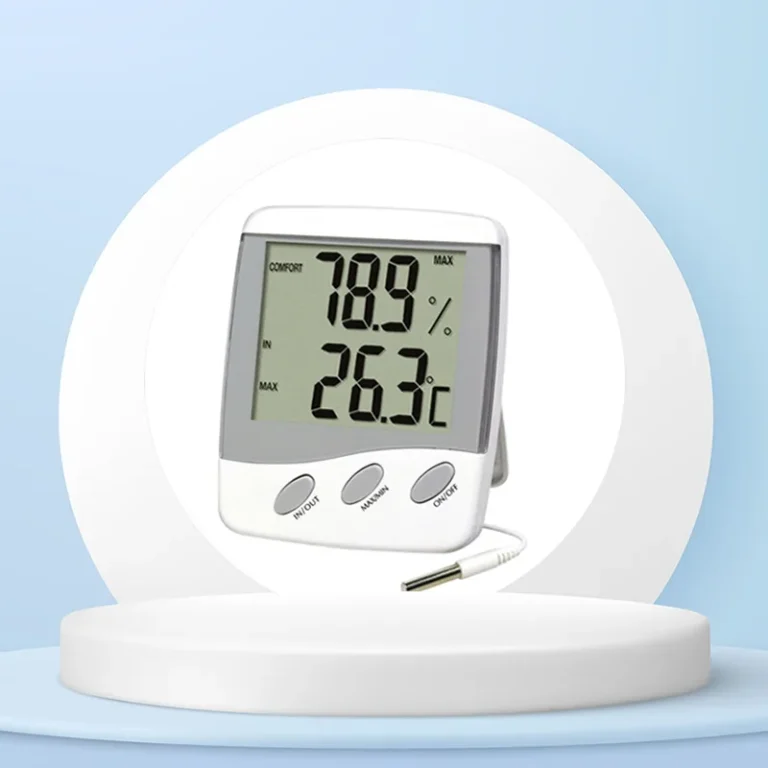
So, can a hygrometer help plants grow? Yes, but only when you're growing the right plants and you actually act on the numbers. A hygrometer measures relative humidity, which is the amount of water vapor in the air around your leaves.
That number helps you catch dry or damp conditions before your plants show damage.
Most common houseplants prefer 40 to 60 percent relative humidity, while tropicals like calatheas and ferns want 60 to 80 percent. Yet indoor air often drops below 30 percent in winter. That gap is exactly where a hygrometer earns its keep.
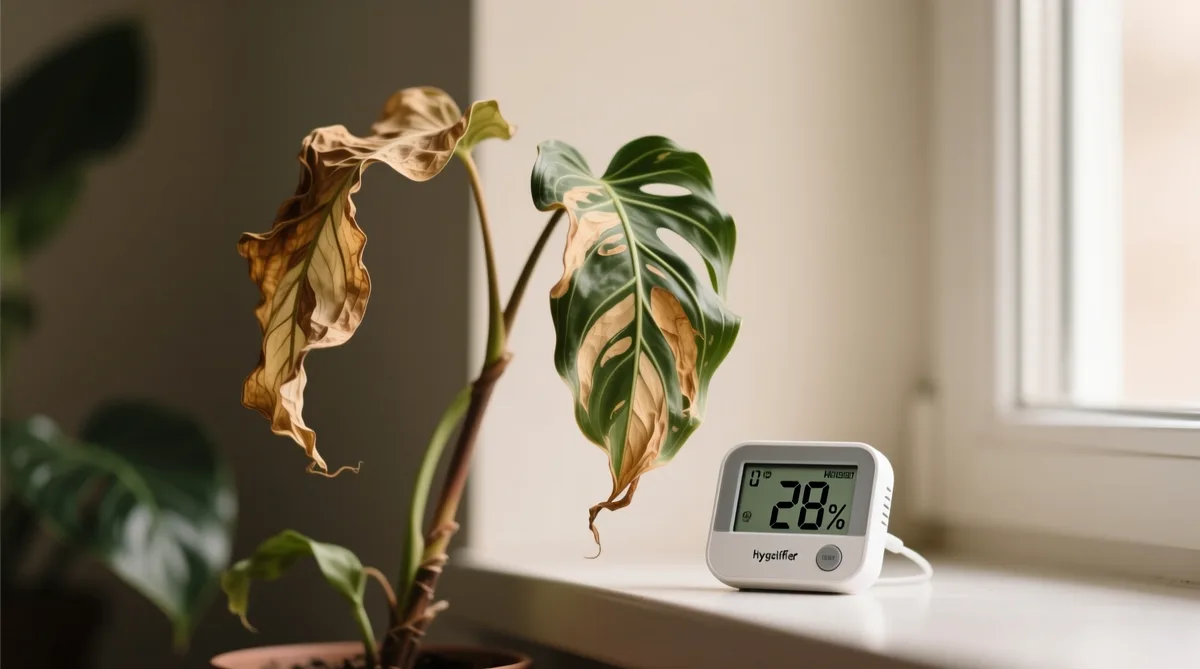
Image source: Bing (Web (fair-use with source credit))
Quick Answer: When a Hygrometer Actually Helps, and When It's Just a Gadget
A hygrometer helps plants grow when you grow humidity-sensitive species. Calatheas, ferns, orchids, and alocasias often struggle in dry air. The device tells you if surroundings are too dry or too humid.
For pothos and succulents, it's usually unnecessary.
The Real Variable: Your Plants, Your Air, and Your Season
The real variable isn't the hygrometer. It's your plant species and your home's baseline humidity. A tropical fern in a desert home will struggle.
A snake plant in the same room will thrive. The hygrometer just reveals which situation you're in.
Your season also shifts the numbers. Winter heating blows warm, dry air that can push indoor humidity below 30 percent. Summer air conditioning does the same.
A humid coastal climate might keep your room at 60 percent all year.
No single setting fits every home. The Environmental Protection Agency suggests keeping indoor relative humidity between 30 and 50 percent for comfort and health. You can read their guidance at epa.gov.
Here's a quick reference table showing what different plants need:
| Plant group | Relative humidity range | Examples |
|---|---|---|
| Tolerant houseplants | 30 to 50 percent RH | Snake plant, pothos, succulents, ZZ plant |
| Standard houseplants | 40 to 60 percent RH | Monstera, spider plant, rubber plant |
| Tropical humidity lovers | 60 to 80 percent RH | Calathea, fern, alocasia, orchids, anthurium |
The table gives you a target, not a law. Use the hygrometer to see where your room lands, then decide if your plants need help.
How to Use a Hygrometer the Right Way: Calibration, Placement, and Reading Trends
A fresh hygrometer often reads wrong. Cheap sensors drift in transit, and analog dials arrive off by up to 10 percent. As of 2026, even budget digital models advertise plus or minus 3 percent accuracy.
Calibrate before you trust it.
The salt test is easy. Put a few tablespoons of salt in a small cup and add a little water to make a slurry. Place the cup and the hygrometer in a sealed plastic bag for 8 to 12 hours.
Inside the bag, relative humidity stabilizes at about 75 percent. If your hygrometer reads 70, you know it runs 5 percent low. Adjust your readings accordingly.
Placement matters just as much. Put the hygrometer near your plants, 3 to 5 feet away, and out of direct sunlight. Keep it away from humidifiers, vents, and windows.
Those spots create microclimates that don't match the rest of the room.
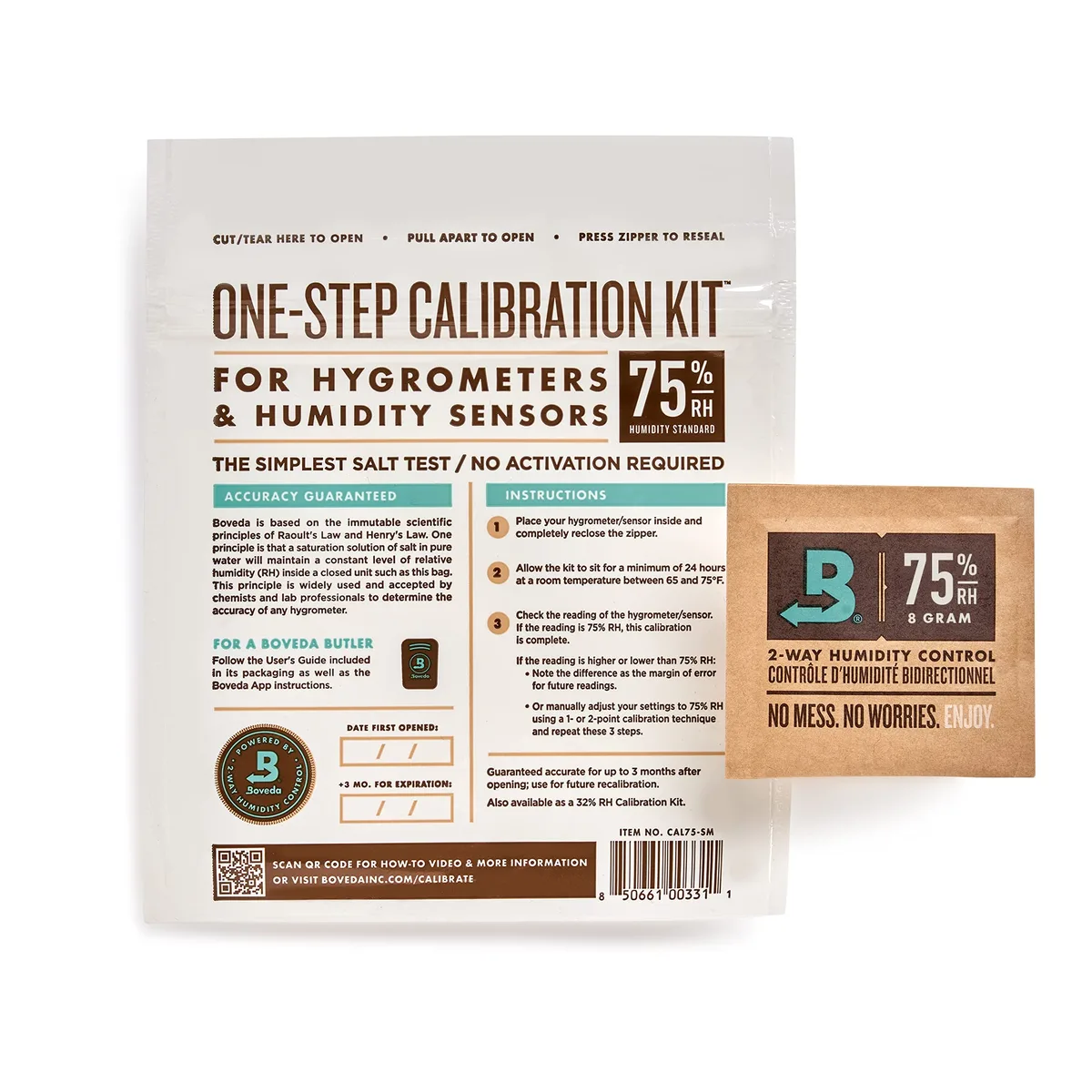
Image source: Bing (Web (fair-use with source credit))
Then track trends, not single numbers. A one-time reading of 35 percent could be a fluke. Two days of 35 to 40 percent tells you the room is genuinely dry.
For advanced growers, these readings also feed vapor pressure deficit (VPD) calculations. VPD combines humidity and temperature to show how fast plants transpire. That's a deeper step, but it starts with the same hygrometer.
The Decision Guide: What to Do With Your Humidity Readings
Now comes the useful part. You have numbers. Here's the if-then logic for what to do next.
- If your readings sit between 40 and 60 percent RH, most houseplants are fine. Do nothing. For tropicals at the lower end, bump up humidity a little with a humidifier or pebble tray.
- If readings drop below 40 percent RH, expect crispy leaf tips, curling leaves, and spider mites. Tropicals suffer fastest. Add a humidifier, group plants together, or move them off dry heat vents.
- If readings stay above 70 percent RH for days, watch for mold, rot, and edema. Increase airflow with a fan and run a dehumidifier if needed.
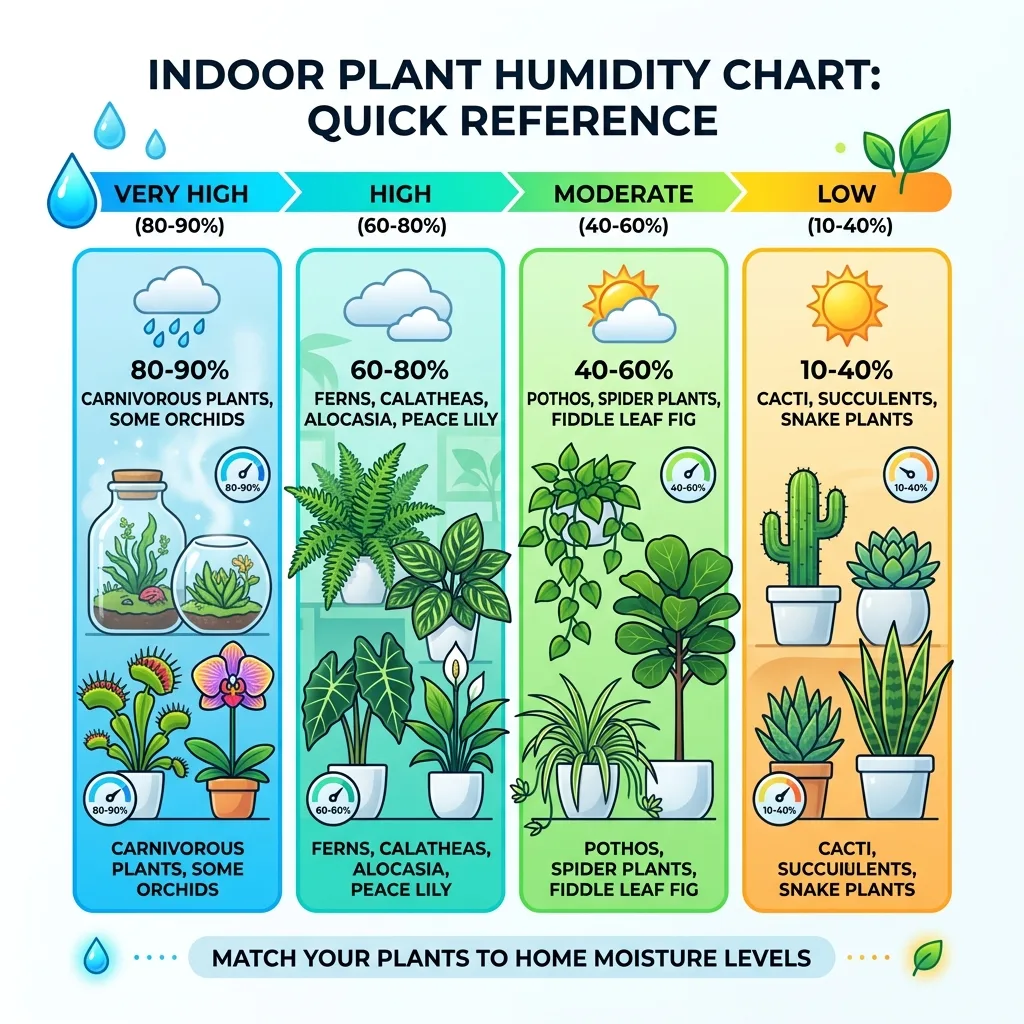
Image source: Bing (Web (fair-use with source credit))
The middle ground matters. Don't chase perfect numbers. A calathea at 50 percent will look better than one at 20 percent, even if it doesn't match a greenhouse.
Your goal is a stable range, not a perfect reading.
If you want to go deeper, calculate VPD. At 72 degrees Fahrenheit, most houseplants prefer a VPD between 0.8 and 1.1 kilopascals. Tropicals like it lower.
A hygrometer gives you the humidity input, and online VPD calculators handle the rest. For a reliable starting point, the University of Minnesota Extension offers indoor plant care guidance at extension.umn.edu.
Common Mistakes That Make a Hygrometer Pointless
The biggest mistake is reading the humidity and then doing nothing. A reading only helps if you act on it. The second mistake is placing the hygrometer in the wrong spot.
Near a humidifier, it may show 65 percent while your plants sit at 35 percent.
Another common issue is skipping calibration. A 5 percent error might not matter for succulents, but it can trick you into over-humidifying tropicals. That's how people end up with moldy soil and edema.
Beware of analog hygrometers too. Many are pretty to look at but inaccurate by up to 10 percent after a few months.
Don't confuse a hygrometer with a soil moisture meter. One measures the air. The other measures the water in your pot.
If your plant has droopy leaves, check the soil first, not the humidity.
Finally, remember that humidity is one piece of the puzzle. Light, watering, soil, and airflow all matter more. A hygrometer won't fix a plant sitting in the dark with wet roots.
It's a support tool, not a fix-all.
Hygrometer vs. Alternatives: Do You Even Need One?
A hygrometer measures humidity. It doesn't change it. That's the key distinction.
If your air is dry, a hygrometer only confirms the problem. A humidifier fixes it. A pebble tray adds moisture locally.
Misting helps for minutes, not hours.
Here's who each option suits best:
- Hygrometer: best for anyone growing tropical plants or tracking room conditions over time.
- Humidifier: necessary for dry climates or winter heating. It's the only tool that actively raises relative humidity.
- Pebble tray: cheap and passive. It adds about 5 to 10 percent humidity near the pot. Fine for small plants, weak for big rooms.
- Misting: gives a temporary spike. It can also spread fungal spores if you do it too often.
- Humidity dome: excellent for seedlings and cuttings. Not practical for mature houseplants.
- Soil moisture meter: measures water in the pot, not the air. Use it when droopy leaves signal overwatering or under watering.
The honest answer is that most houseplants don't need a hygrometer. Pothos, snake plants, and succulents tolerate dry indoor air fine. Buy one only if your plants show crispy edges or you're growing calatheas.
Otherwise, spend the money on a good potting mix or a grow light. That purchase will move the needle far more than a humidity reading ever will.
What to Buy: Accuracy, Price, and Features Worth Paying For
You don't need a fancy device. Basic digital hygrometers cost $8 to $15 and read within plus or minus 3 percent. That's accurate enough for plant care.
Analog dials look charming but drift badly. Most lose 5 to 10 percent accuracy within months.
Smart hygrometers run $20 to $50. They connect to phone apps, log readings over time, and alert you when humidity drops. That's genuinely useful if you track trends across seasons.
The app charts show you exactly when winter heating dries out your room.
| Feature | Worth paying for? | Notes |
|---|---|---|
| ±2% accuracy | Yes | Best for tropical plant owners |
| ±5% accuracy | Maybe | Fine for tolerant houseplants |
| Min/max memory | Yes | Shows nighttime humidity swings |
| Temperature sensor | Nice | Needed for VPD calculations |
| App connectivity | Optional | Useful for tracking weekly trends |
| Backlight | No | Doesn't affect readings at all |
Skip combined units that promise soil moisture, light, and humidity. Multifunction devices often compromise on sensor quality. A dedicated hygrometer is more reliable.
Also check response time. Cheap sensors can take 5 to 10 minutes to adjust. Good ones stabilize in under a minute.
Frequently Asked Questions
Is a hygrometer necessary for houseplants?
No, only for humidity-sensitive species like calatheas and ferns. Most common houseplants tolerate normal indoor air between 40 and 50 percent. A hygrometer becomes necessary when your home consistently sits below 30 percent or you're growing tropicals that already show damage.
Where should I place a hygrometer for plants?
Put it near your plants, 3 to 5 feet away, in an open spot. Avoid direct sunlight, vents, windows, and humidifiers. Those locations create false readings.
You want the general room air, not the microclimate right next to a misted pot.
What is the best humidity level for indoor plants?
Most houseplants prefer 40 to 60 percent relative humidity. Tropicals need 60 to 80 percent. Sustained levels above 70 percent risk mold and rot.
Below 40 percent causes crispy leaf tips and increases spider mite risk. Keep your target within your plants' natural range.
Can a cheap hygrometer be accurate?
Yes, if calibrated. The salt test takes 8 to 12 hours and corrects for drift. Budget digital models typically run plus or minus 3 percent after calibration.
That's plenty for plant care. Analog dials are less reliable and far harder to adjust.
What's the difference between a hygrometer and a soil moisture meter?
A hygrometer measures water vapor in the air. A soil moisture meter measures water in the potting mix. They solve different problems.
Droopy leaves usually point to soil issues. Crispy leaf edges point to air moisture. Start with the soil meter if you're unsure which problem you have.