What Humidity Should a Living Room Be
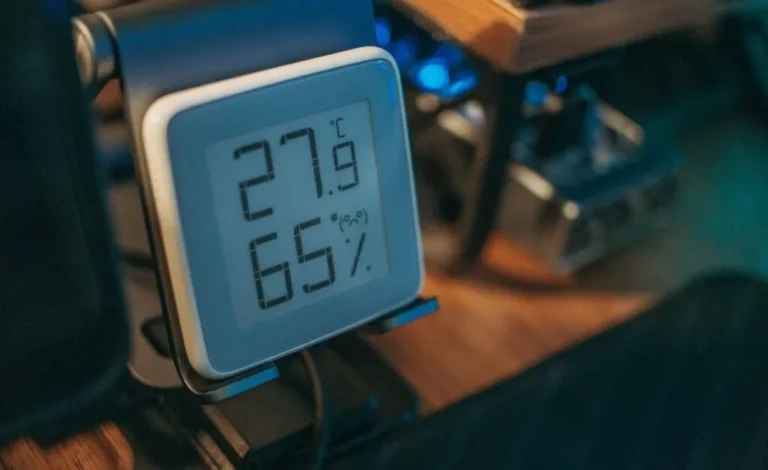
Ever walked into your living room and felt the air was just off? Maybe your skin is tight, your throat feels raw, or you notice fog on the windows. The real question is what humidity should a living room be.
The answer isn't complicated, but most people get it wrong.
The Environmental Protection Agency (EPA) recommends keeping indoor relative humidity between 30% and 50%. As of 2026, that range is still the gold standard for both health and home preservation. Stay inside it and you sleep better.
Drift outside it and you're inviting mold or cracked wood.

Image source: Web (Bing) / duperrin.com (Web image (fair-use with source credit))
Quick Answer
A living room should be between 30% and 50% relative humidity. The sweet spot is 40% to 45% for most people. Below 30%, you get dry skin and static shocks.
Above 50%, mold and dust mites start to thrive.
Keep your hygrometer reading inside that range and you're safe. Measure for a full day before making any changes. That gives you the real picture, not just one snapshot.
Why Getting Humidity Wrong Damages Your Health and Your Home
Humidity below 30% pulls moisture from your skin, eyes, and nasal passages. You end up with itching, sinus irritation, and a higher chance of catching respiratory infections. Your home suffers too.
Wood floors shrink, furniture joints loosen, and acoustic instruments can crack.
Humidity above 50% flips the problem. Dust mites multiply quickly at 55% and higher. Mold spores need only 48 hours to germinate at 60% relative humidity.
Once mold takes hold in drywall or upholstery, it's expensive and frustrating to remove.
There's also the structural damage that goes unnoticed. Moisture seeps into walls and condenses on cold surfaces. That leads to peeling paint, warped window frames, and hidden mold colonies.
The EPA sets the 30% to 50% range precisely to prevent these outcomes.
The American Society of Heating, Refrigerating and Air-Conditioning Engineers (ASHRAE) agrees. Standard 55 allows up to 60% for thermal comfort, but the practical ceiling for moisture control is 50%. Staying around 40% to 45% gives you a comfortable buffer in both directions.
Why the Right Humidity Shifts: Winter, Summer, and Your Climate
Cold air holds less moisture than warm air. When you heat outdoor air in winter, the relative humidity plummets. Your living room can easily fall below 20% without a humidifier.
That's drier than the Sahara Desert.
In summer, warm air holds more moisture. Humid climates can push your living room past 60% without intervention. Air conditioning helps because it dehumidifies as it cools.
But in places like the Gulf Coast or Southeast, your AC may not be enough.
Your local climate tells you which problem you'll face. Dry regions like the Southwest need humidifiers almost year-round. Humid coastal areas need dehumidifiers during the rainy season.
Temperate zones require seasonal adjustments.
| Climate | Danger Zone | Primary Solution |
|---|---|---|
| Dry, high altitude | Below 20% in winter | Humidifier |
| Humid, coastal | Above 60% in summer | Dehumidifier |
| Temperate | Both extremes | Seasonal changes |
| Cold, northern | Below 30% in winter | Humidifier |
The 30% to 50% target never changes. What changes is whether you add or remove moisture to hit it. Monitor your living room through the seasons and adjust accordingly.
How to Measure Your Living Room's Humidity Accurately (and Why Cheap Hygrometers Lie)
You can't manage what you don't measure. But cheap hygrometers are notoriously unreliable. We've seen models read 10% to 15% off from actual conditions.
That's the difference between thinking you're safe at 45% and actually sitting at 60% where mold takes hold.
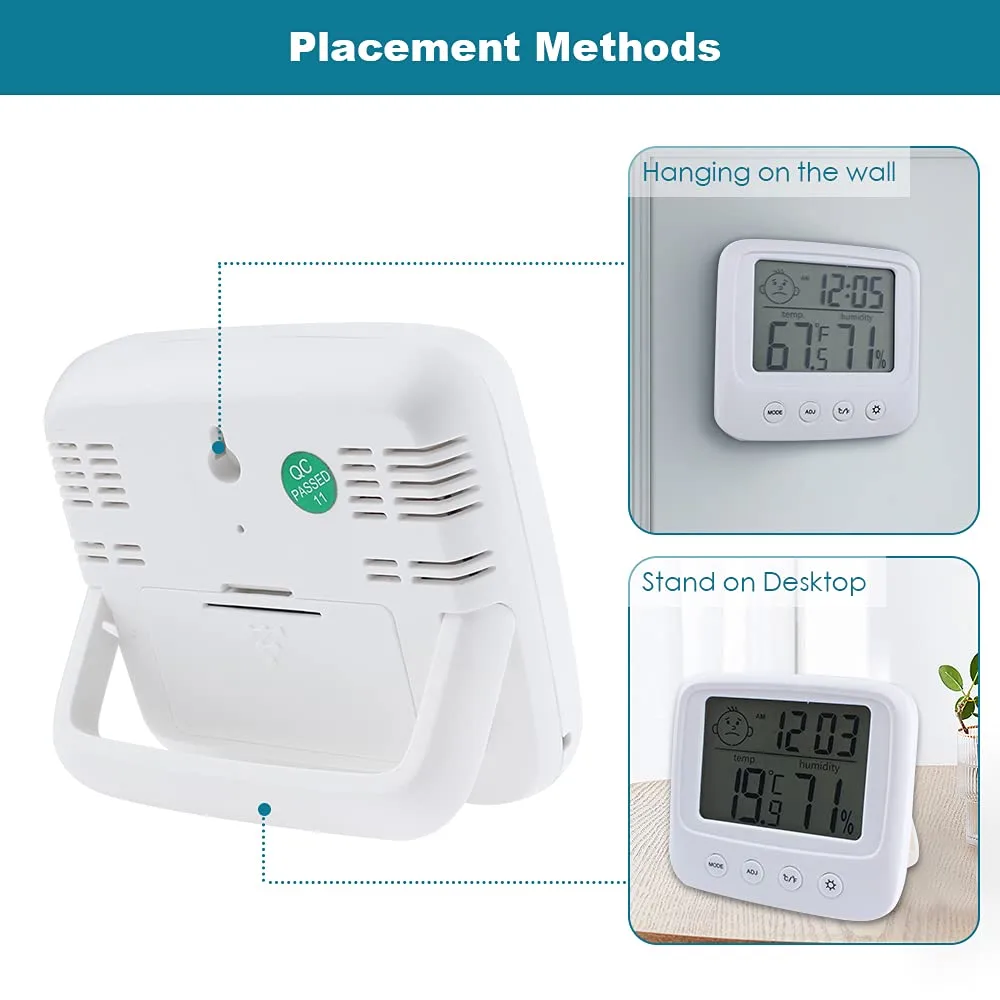
Image source: Bing (Web (fair-use with source credit))
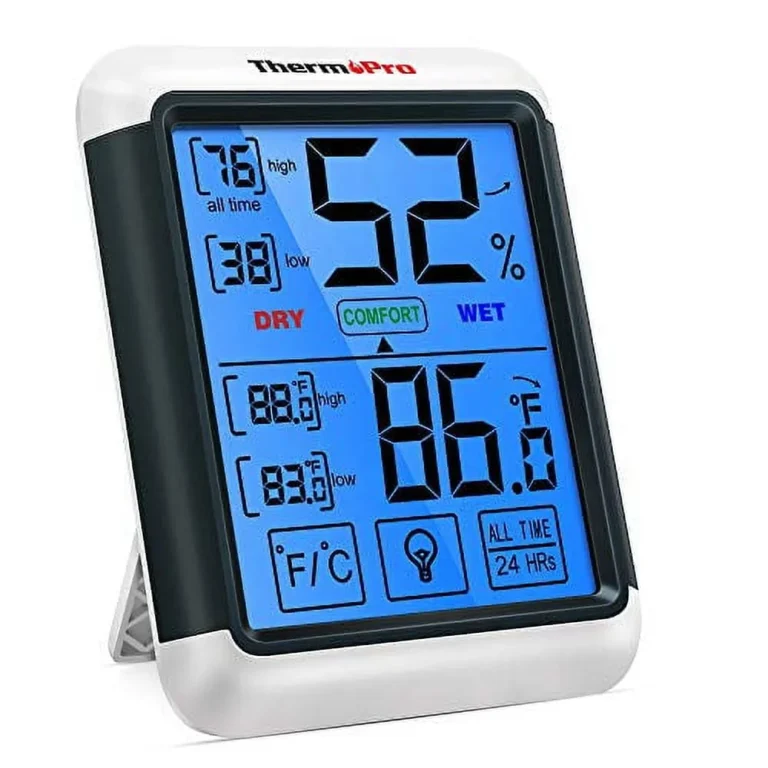
A good digital hygrometer should be accurate to within plus or minus 2% to 3%. Look for a reputable brand with clear specifications. Smart thermostats often include humidity sensors, and those generally work well.
Don't trust the sensor built into a cheap humidifier or dehumidifier.
Placement matters more than most people realize. Put the hygrometer at eye level in the middle of the room. Keep it away from windows, doors, heating vents, and direct sunlight.
Avoid placing it near the kitchen or bathroom, since steam from those rooms will inflate the reading.
Take readings at different times over 24 hours. Humidity naturally swings as temperatures rise and fall. A midday reading might show 45% while the 3 AM reading shows 60%.
Know the full range before making adjustments.
You can also test your hygrometer's accuracy with a simple salt test. Mix a tablespoon of salt with a few drops of water in a cup. Seal it in a plastic bag with the hygrometer for 6 to 8 hours.
The humidity inside should stabilize at 75%. If your device reads anything else, you know the offset.
How to Raise or Lower Humidity Safely (Without Overcorrecting)
Below 30% means you need a humidifier. For a single living room, a portable unit with a humidistat works well. Set it to 40% and let it run.
Clean the tank weekly to prevent bacteria and mold from growing inside.
Above 50% means you need a dehumidifier. Choose a portable unit sized for your room's square footage. Set it to 45% to 50%.
Empty the water tank regularly or attach a continuous drain hose. Dehumidifiers generate heat, so be aware they'll warm the room slightly.
| Adjustment | Best Tool | Setting | Maintenance |
|---|---|---|---|
| Raise humidity | Portable humidifier | 40% to 45% | Clean tank weekly |
| Lower humidity | Portable dehumidifier | 45% to 50% | Empty tank, clean coils |
| Both | Whole-house system | 40% to 45% | Professional yearly check |
Passive strategies also help. In winter, leave the bathroom door open after a shower or boil water on the stove. In summer, run exhaust fans while cooking and showering.
Vent your clothes dryer outside. These small habits reduce humidity peaks.
Don't overcorrect. Setting a humidifier to 50% when your room is at 28% overshoots the target. You'll end up with condensation on windows and mold behind curtains.
Make small changes and wait a few hours. Let the room stabilize before adjusting again.
Common Humidity Mistakes That Lead to Mold, Cracked Wood, and Discomfort
The biggest mistake is trusting the built-in sensor on your humidifier or dehumidifier. Those sensors are often 5% or more inaccurate. Always verify with a separate hygrometer.
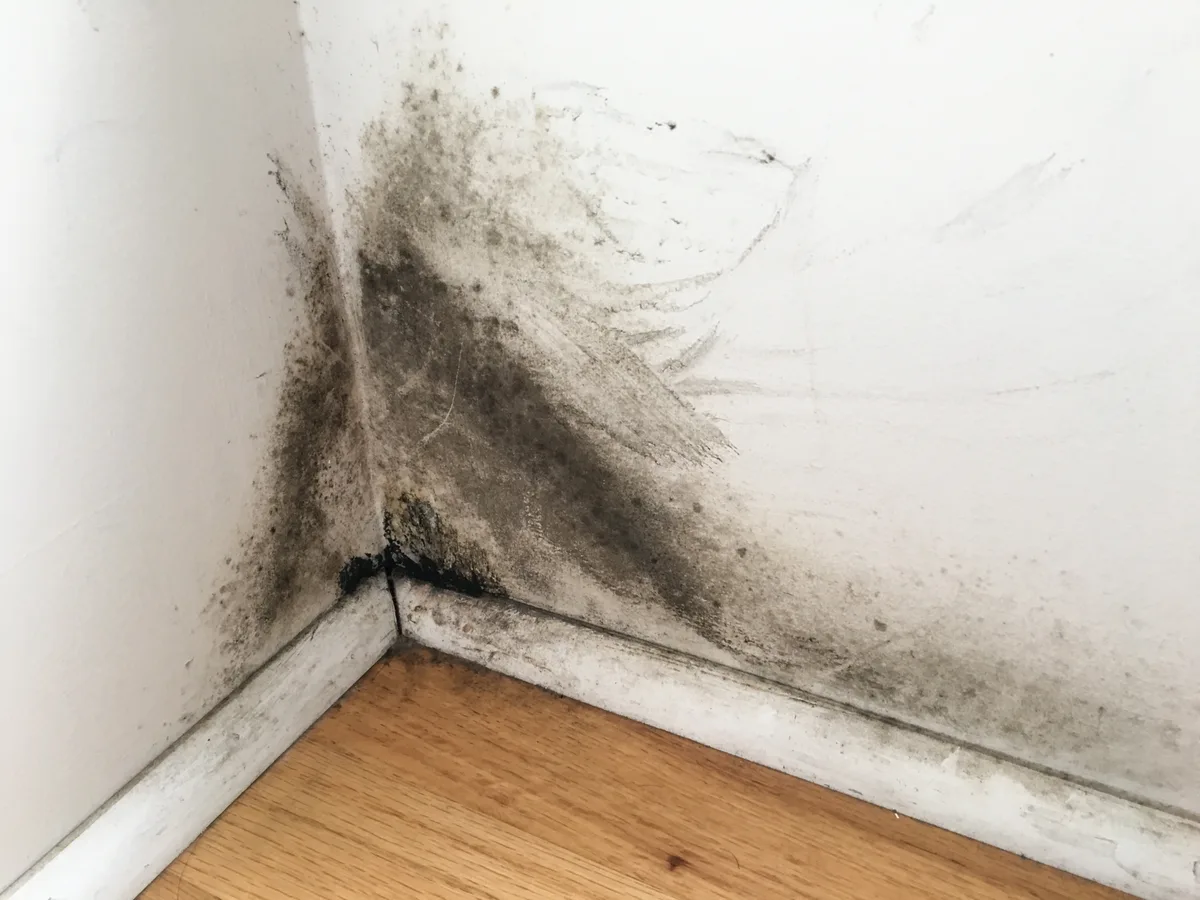
Image source: Bing (Web (fair-use with source credit))
Placing your hygrometer in the wrong spot is another classic error. Near a vent or sunny window, it reads artificially low. Next to a humidifier, it reads artificially high.
Both lead to overcorrection and wasted energy.
Then there's the set-and-forget trap. Humidity changes daily as weather shifts. Leave a device at one setting through a season change and you'll drift out of range.
Check your readings weekly, especially in spring and fall.
Skipping maintenance is the third big problem. A dirty humidifier blows mold spores into your air. Clogged dehumidifier coils reduce efficiency.
Both scenarios make your equipment work harder while performing worse.
Frequently Asked Questions
What is the ideal humidity for a living room in winter?
Keep it between 35% and 40%. Cold air holds less moisture, so your room will naturally sit lower. Staying at the lower end of the safe range prevents window condensation and is easier on your sinuses.
What humidity is too high for a living room?
Anything above 50% is risky. At 60%, mold can start growing within 48 hours. Dust mites also multiply rapidly above 50%.
If your hygrometer consistently reads over 50%, run a dehumidifier.
Can humidity in a living room cause mold?
Yes, when it stays above 50% to 60% for extended periods. Mold needs moisture, warmth, and a food source. Your drywall, wood trim, and upholstery provide all of that.
Fix the humidity problem first, then clean the mold.
Should I run a humidifier or dehumidifier in my living room?
Measure first. Below 30% means you need a humidifier. Above 50% means you need a dehumidifier.
Between 30% and 50%, you don't need either. That's the simple rule.
Final Verdict: The Simple Routine to Keep Your Living Room Safe
The answer to what humidity should a living room be remains the same. Keep it between 30% and 50%, with 40% to 45% as your target. It's the range both the EPA and ASHRAE recommend.
Buy a reliable digital hygrometer. Place it at eye level in the center of the room. Measure for 24 hours.
If you're below 30%, add a humidifier set to 40%. If you're above 50%, add a dehumidifier set to 45%.
Check the reading weekly. Adjust when seasons change. Clean your equipment monthly.
That routine is the whole solution.
For more details, the EPA provides clear guidance on indoor moisture control at epa.gov. Follow their recommendations and your living room will stay comfortable, safe, and free from mold.