TCL Dehumidifier Freezing Up
Nothing's more frustrating than walking into your basement and seeing ice crusted over the coils of your TCL dehumidifier. A TCL dehumidifier freezing up is a common problem, but it's usually fixable without a service call. The unit is working too hard in conditions it wasn't designed for.
Per manufacturer specifications, most TCL portable dehumidifiers operate best in rooms above 65°F (18°C). Below that threshold, the evaporator coils drop below freezing and ice builds up. Let's walk through exactly what's happening and how to fix it.
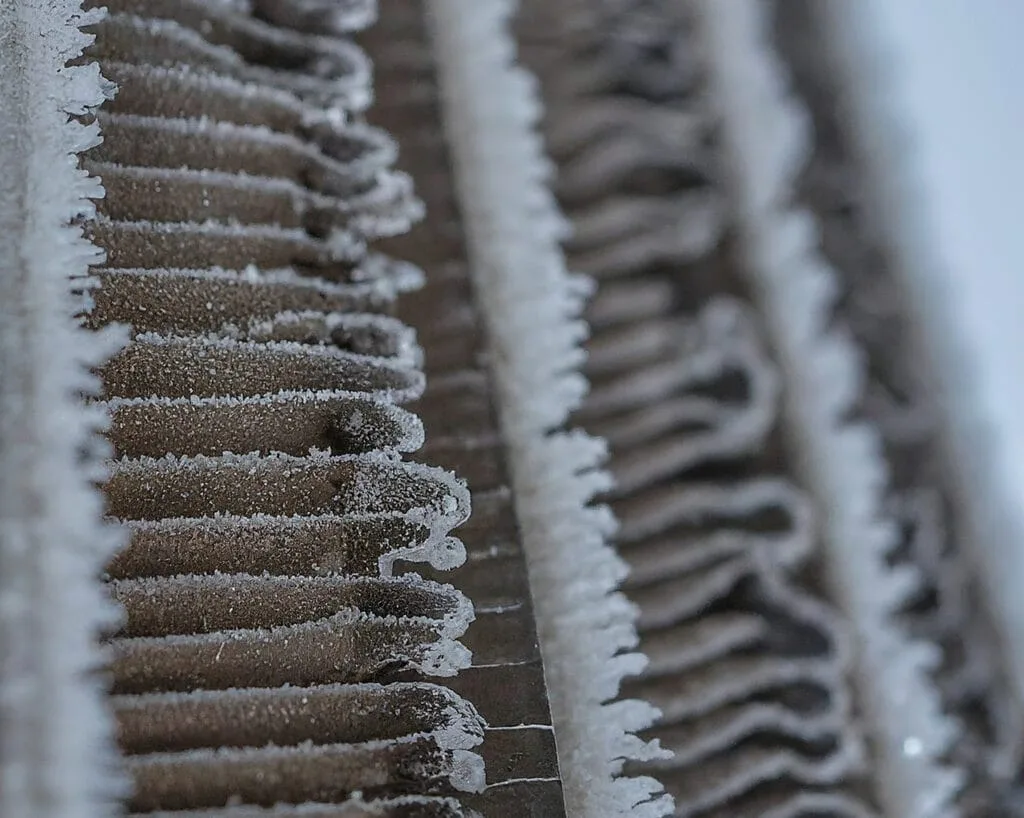
Image source: Bing (Web (fair-use with source credit))
Quick Answer
Your TCL dehumidifier freezes when coils get too cold. Ice blocks airflow and stops water collection. The fix is usually simple.
Check room temperature, clean the filter, and move the unit away from walls.
Why Your TCL Dehumidifier Keeps Freezing
A dehumidifier pulls warm, humid air over cold evaporator coils. Moisture condenses on those coils and drips into the bucket. When the room air is too cold, that condensation freezes instead of dripping.
The ice builds up layer by layer. It acts like insulation around the coils. The unit senses the temperature drop and triggers its auto-defrost cycle.
But if the room stays cold, the defrost cycle can't keep up. The ice keeps growing.
There are really only four things that cause this.
Low room temperature. If your basement or crawl space is below 65°F, the coils will frost over. Most TCL models list a minimum operating temperature around 41°F in the manual. But in real-world use, freezing happens well above that mark.
The air is cool and humid. That's a recipe for ice.
Restricted airflow. A dirty air filter is the most common cause of freezing. When the filter is clogged, not enough air moves across the coils. The coils get colder than they should.
Ice forms fast.
Blocked intake or exhaust. The unit needs space to breathe. If you shoved it into a corner or against a wall, the air can't circulate. The fan struggles.
The coils freeze.
Humidistat set too low. Setting the dehumidifier to 30% or 35% in a cool room forces the compressor to run longer. That extra runtime drops the coil temperature below freezing.
Quick First Step: Unplug and Let It Thaw
Before you do anything else, stop the unit and let it thaw completely. Running a dehumidifier with ice on the coils can damage the compressor. It can also cause water to leak inside the unit.
Unplug the dehumidifier. Do not skip this step. You don't want to clean or inspect a live appliance.
Move it to a warmer room if you can. A heated basement or a laundry room above 70°F will speed the thaw. If you can't move it, let it sit in place. The thaw will just take longer.
Wait 12 to 24 hours. Don't rush this. Ice can hide deep inside the coil pack. You might think it's clear when it isn't.
The unit needs to be completely dry inside.
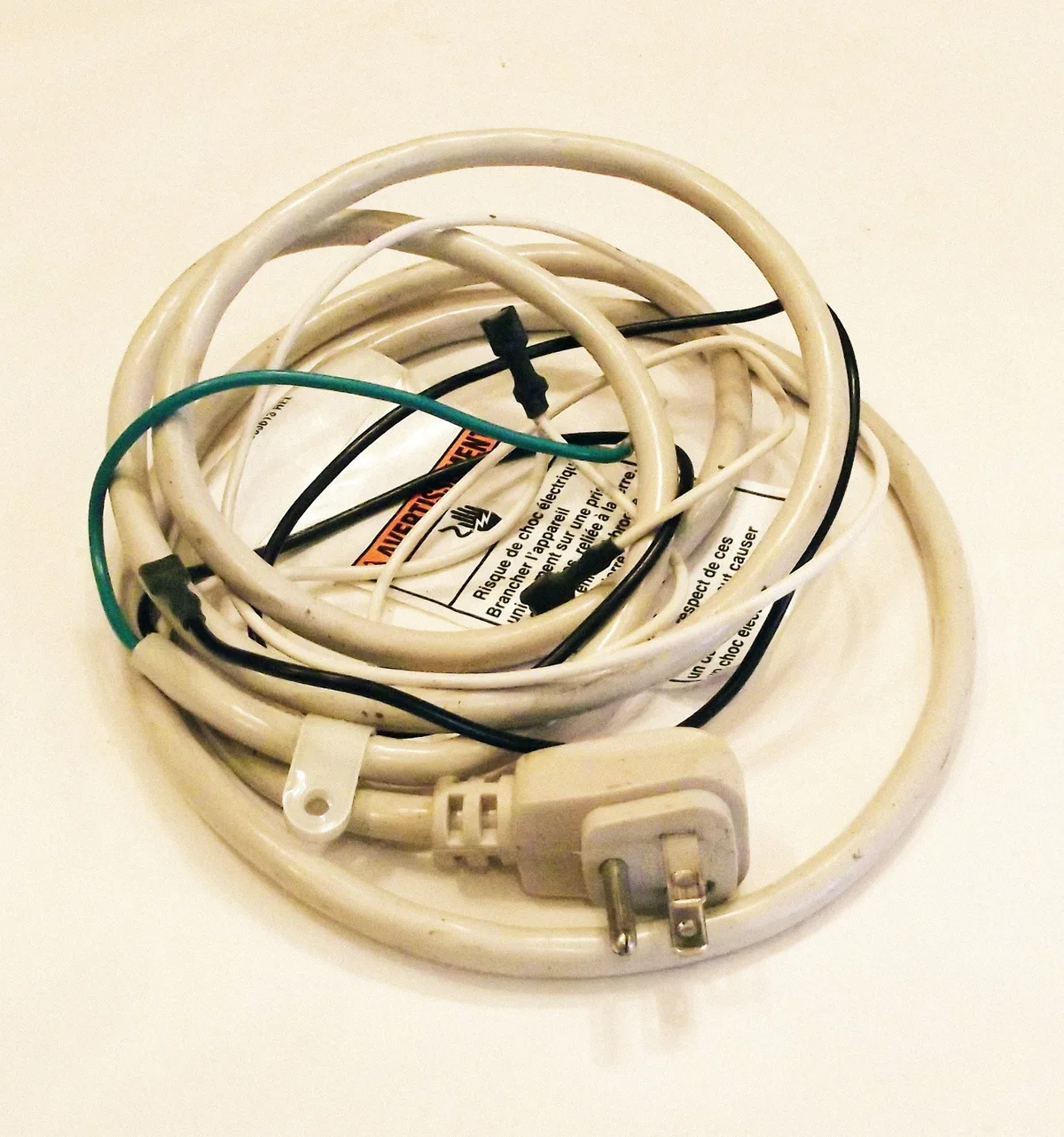
Image source: Bing (Web (fair-use with source credit))
Never chip the ice off. A screwdriver or scraper can puncture the refrigerant lines. That's a costly repair. It's also illegal to vent refrigerant into the air per EPA regulations.
Just let it melt naturally.
While the unit thaws, check the drain pan and bucket for water. Tip it carefully to drain any standing water. A dry unit is a safe unit to work on.
The Decision Tree: Diagnose the Cause
Once the unit is fully thawed and dry, it's time to figure out why it froze. Follow these branches in order. Start with the simplest fix first.
Branch 1: Is the room temperature below 65°F?
Use a simple thermometer to check. If the room is cool, that's almost certainly the cause. You can test this by moving the unit to a warmer area for a day.
If it stops freezing, you have your answer.
Branch 2: Is the air filter dirty?
Remove the filter and hold it up to the light. Can you see through it easily? If it's gray, dusty, or clogged with pet hair, it's restricting airflow.
Wash it with warm water and mild soap. Let it dry completely before reinstalling it.
Branch 3: Is the unit too close to a wall or furniture?
Check the clearance on all sides. Most TCL manuals recommend at least 12 to 20 inches from the intake grille. The exhaust needs space too.
Pull the unit out into the open and test it.
Branch 4: Is the humidistat set too low?
If you have the dial set to "continuous" or the lowest humidity setting, the compressor runs nonstop. In a cool room, that's a fast track to ice. Set it to 50% or 55% and see if the freezing stops.
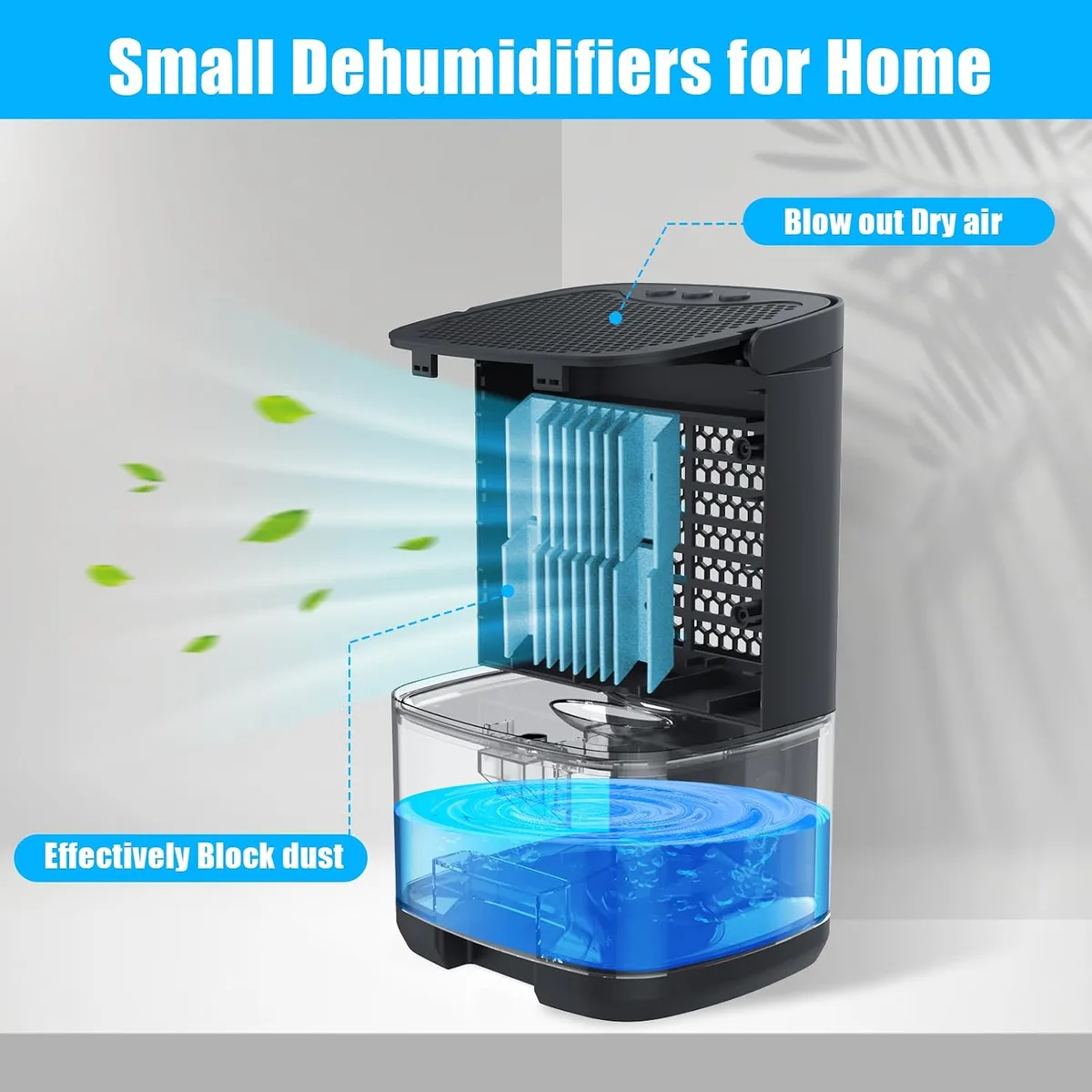
Image source: Bing (Web (fair-use with source credit))
Branch 5: Does the ice come back after fixing everything else?
This is the bad branch. If you've checked all four conditions above and the unit still freezes, you may have a refrigerant leak or a failed defrost sensor. That's a sealed-system problem.
It requires a professional repair or a replacement.
How to Fix Each Cause
Each branch has a straightforward fix. Let's go through them.
Fix for low room temperature. You have two options. Move the dehumidifier to a warmer room, or run it only when the space is above 65°F. Some people use a small space heater to raise the temperature a few degrees.
That works, but watch your energy bill. If you must dehumidify a cold basement, consider a desiccant dehumidifier. Those units don't use cold coils.
They absorb moisture with a rotor and heating element. They work well in temperatures as low as 32°F.
Fix for dirty filter. Clean the filter every two weeks during heavy use. Wash it with water and a little dish soap. Rinse thoroughly.
Let it air dry completely. A wet filter can cause mold growth. Make sure it's bone dry before you slide it back in.
Fix for blocked clearance. Move the dehumidifier at least 12 inches from any wall. Keep furniture, boxes, and storage bins away from the intake and exhaust. The unit needs open air on all sides.
If it's in a tight closet or alcove, relocate it.
Fix for low humidistat setting. Adjust the dial to 50% relative humidity. That's a comfortable and effective level for most basements. The compressor will cycle on and off instead of running constantly.
That gives the coils time to warm up between cycles.
Fix for persistent freezing. If you've done all the above and the ice comes back, call TCL support. Check your warranty status. Some TCL models include a one-year warranty on parts and labor.
The sealed system may have a longer warranty. If the unit is out of warranty, compare the repair cost to the price of a new dehumidifier. As of 2026, a mid-range TCL portable dehumidifier costs roughly $140 to $250.
A refrigerant repair can easily exceed that.
Common Mistakes That Make Freezing Worse
A few well-intentioned moves can turn a simple fix into a bigger problem. Avoid these.
Chipping ice off the coils. We mentioned this earlier, but it's worth repeating. Ice is bonded to thin metal fins and refrigerant tubing. One wrong swipe and you've got a leak.
The repair will cost more than a new unit. Let it thaw.
Running the unit 24/7 in a cold room. Some users think more runtime equals more drying. In a cold basement, the opposite is true. The unit freezes up, stops collecting water, and you end up with a block of ice.
Run it only when the room is warm enough.
Setting the humidity too low. People see a dry basement as a good thing. They crank the dial to 30%. That forces the compressor to run nonstop.
In a room at 62°F, that's a guaranteed freeze. Keep it at 50% or higher in cooler conditions.
Blocking the continuous drain hose. If you use the continuous drain option, make sure the hose doesn't kink or freeze. A frozen drain hose backs up water into the unit. That can cause the bucket sensor to think the bucket is full, shutting off the compressor.
Ice forms while the unit sits idle.
Ignoring the auto-defrost cycle. The dehumidifier has a built-in defrost sensor or timer. When it detects ice, it cycles the compressor off to let the coils warm up. That's normal.
Don't override it by switching the unit off and on repeatedly. Let the cycle complete.
Not cleaning the filter regularly. This is the number one cause of freezing. A clogged filter starves the coils of warm air. They get colder faster.
Set a reminder on your phone to check the filter every two weeks.
Frequently Asked Questions
Can I use my TCL dehumidifier in an unheated basement in winter?
You can, but it will likely freeze up. Most TCL portable dehumidifiers are designed for rooms above 65°F. If your basement stays in the 50s during winter, the unit will ice over.
A desiccant dehumidifier is a better choice for cold spaces.
How long does it take for a frozen dehumidifier to thaw?
It depends on the ice thickness and room temperature. In a 70°F room, expect 4 to 6 hours. In a colder basement closer to 50°F, it can take 12 to 24 hours.
Let it fully dry before restarting.
What does the defrost light mean on my TCL dehumidifier?
The defrost light means the unit has detected ice on the coils. It has stopped the compressor to let the ice melt. This is normal operation.
If the light stays on for hours without cycling off, check for dirty filters or low room temperature.
How do I know if my TCL dehumidifier has a refrigerant leak?
Signs include persistent ice that returns minutes after thawing, a hissing sound from the unit, or oily residue on the coils. If the unit runs but never collects water even in a warm room, that's another red flag. These issues require a professional.
Can a dirty filter cause ice on the coils?
Yes, it's the most common cause. When the filter is clogged, airflow drops. The coils get colder than intended, and ice forms.
Clean the filter every two weeks during heavy use to prevent this.
Is it safe to run a dehumidifier in a cold garage?
TCL dehumidifiers are not rated for garage use in freezing temperatures. If the garage drops below 41°F, internal components can freeze and crack. Use a unit specifically rated for low temperatures, or heat the garage.
Final Decision: Repair or Replace?
If you've worked through the decision tree and the unit still freezes after a full thaw, you have a choice to make.
When to repair. If the dehumidifier is still under warranty, call TCL support. A faulty defrost sensor or thermistor is a simple fix. If the sealed system has a refrigerant leak, the warranty may cover it.
Check your paperwork.
When to replace. If the unit is over three years old and out of warranty, repair costs usually don't make sense. A compressor or refrigerant repair runs $150 to $300. A new TCL unit costs about the same and comes with a fresh warranty.
Replace it.
When to switch types. If your basement stays cool year-round, consider a desiccant dehumidifier. These units don't use cold coils. They work in temperatures as low as 32°F.
They use more electricity but handle cold, damp spaces without freezing. For a warmer space, stick with a standard compressor model like your TCL.
For anyone shopping for a replacement, our guides on the best dehumidifier and the best dehumidifier for basement can help you pick the right size and type. A 50-pint unit is usually the sweet spot for a standard basement. And if you plan to run it in cooler conditions, look for a model with a low-temperature operating range.
Walking through the steps in order will solve nine out of ten freeze-ups. Start with the simplest fix. Clean the filter.
Check the temperature. Give the unit room to breathe. That's usually all it takes.