Are Portable Dehumidifiers Effective
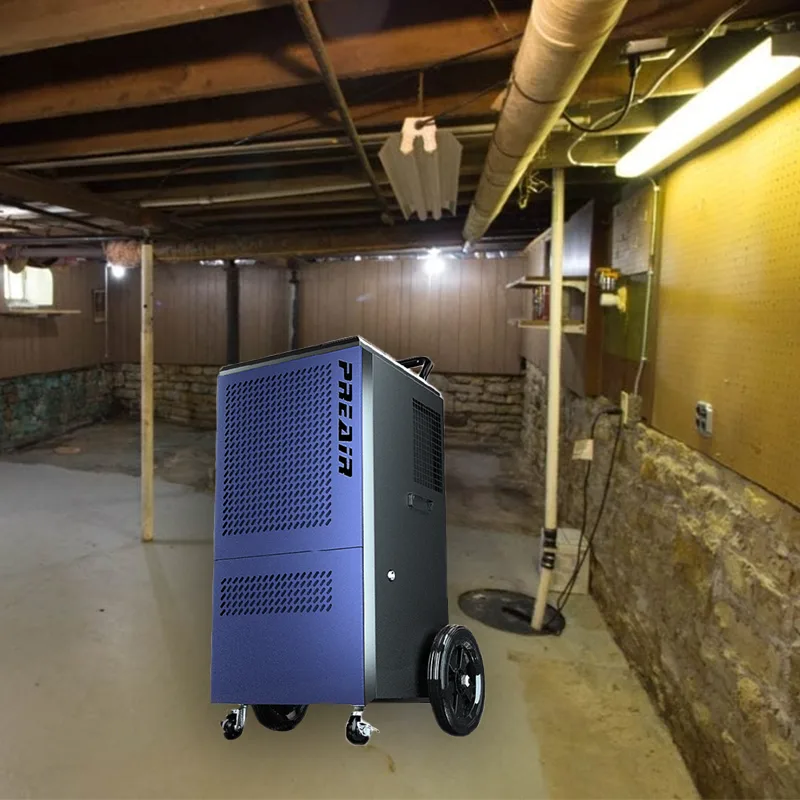
Image source: Bing (Web (fair-use with source credit))
So you've got a damp basement, a musty bedroom, or a laundry room that never fully dries out. And you're wondering: are portable dehumidifiers effective enough to fix this? The short answer is yes, but only under the right conditions.
Think of them as targeted tools, not magic wands.
According to Energy Star testing standards, a properly sized portable dehumidifier can pull 30 to 70 pints of moisture from the air every 24 hours. That makes a real difference in rooms up to about 500 to 800 square feet, depending on how damp things are. But effectiveness drops fast when you push a unit beyond its designed coverage or into extreme conditions.
Quick Answer
Portable dehumidifiers work very well in small to medium enclosed spaces. They are designed for single rooms or zones. Place one in a damp basement under 800 square feet and it will lower humidity by 10 to 20 percentage points.
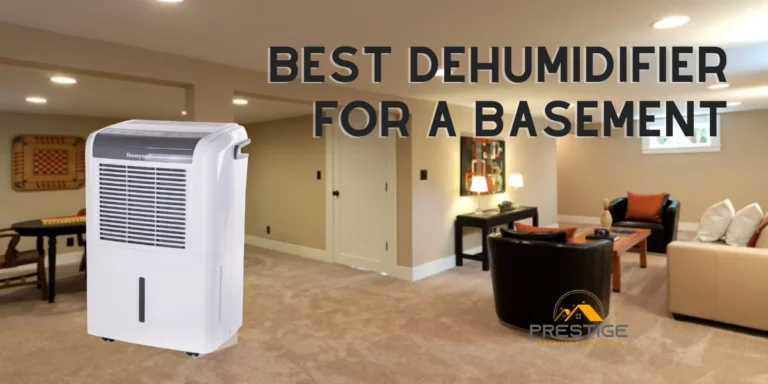
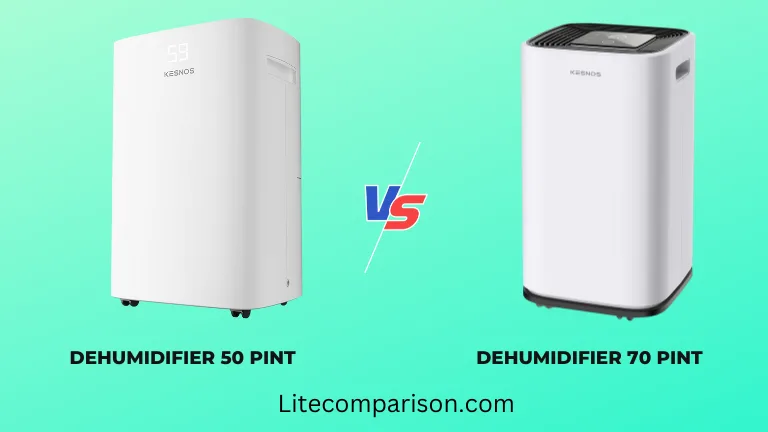
Move it to an open basement twice that size and it will struggle. Match the unit's pint capacity to your room's square footage and dampness level. A 50-pint unit handles a moderately damp 500-square-foot space.
A 70-pint unit is better for a wet 800-square-foot basement.
3 Questions to Ask Yourself Before Buying (A Decision Tree)
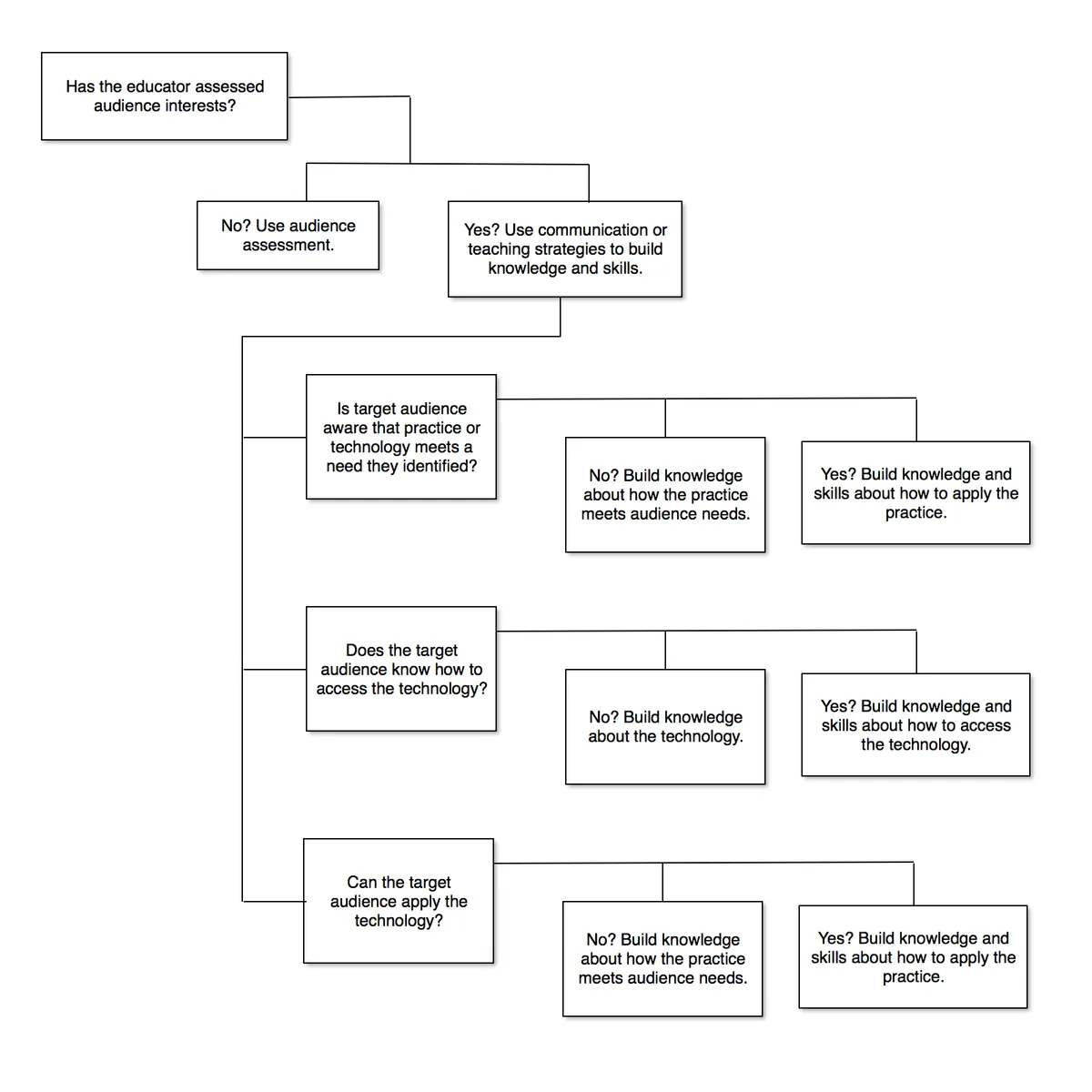
Image source: Bing (Web (fair-use with source credit))
Before you buy, answer these three questions. They form a simple decision tree that tells you if a portable unit is right for you.
Question 1: How big is the space you need to dehumidify?
If the area is under 1,000 square feet and you can close doors or walls around it, a portable unit will likely work. If it is larger or open to the rest of the house, you need a whole-house system. Measure the room length and width.
Multiply them. That is your square footage.
Question 2: How damp is it?
A musty smell and visible condensation mean high humidity above 60%. A wet floor or standing water means extreme humidity above 80%. For light dampness, a 30-pint unit might suffice.
For moderate dampness, go 50-pint. For severe dampness, go 70-pint or higher. Excessively damp spaces can overwhelm a portable unit quickly.
Question 3: What is the room temperature in winter?
If your basement stays below 65°F for weeks at a time, choose a desiccant dehumidifier. Compressor models lose efficiency below 60°F and can frost up. Desiccant units work right down to 30°F, though they use more electricity.
If you only need summer dehumidification, a compressor unit is far more energy-efficient.
If you answered "small to medium space," "moderate dampness," and "above 60°F" then a portable dehumidifier is effective for you. For a guide on choosing the right size for a basement, check sizing recommendations based on square footage and dampness level.
Portable vs. Whole-House Dehumidifiers: Where to Draw the Line
Portable units cost $150 to $300 and cover one room. Whole-house dehumidifiers cost $1,000 to $2,500 installed and connect to your HVAC system to dry the entire home.
| Factor | Portable Dehumidifier | Whole-House Dehumidifier |
|---|---|---|
| Best for | Single rooms, basements, apartments | Whole homes, large basements, ducted systems |
| Installation | Plug and play | Requires professional installation |
| Cost | $150 – $300 | $1,000 – $2,500 |
| Coverage | Up to 800 sq ft | 2,000 – 4,000+ sq ft |
| Noise | 45–55 dB (noticeable) | Very quiet (35–45 dB) |
| Maintenance | Empty tank, clean filter | Annual filter check, drain line |
Draw the line at 800 square feet. If your damp area is smaller than that and you want a quick, low-cost fix, go portable. If your basement is 1,200 square feet or you want whole-house humidity control without carrying buckets, invest in whole-house.
Portable units are great for renters. You can take them when you move. Whole-house units stay with the house.
The "Don't Waste Your Money" Pitfall
The biggest mistake is buying a cheap Peltier (thermoelectric) dehumidifier. These tiny units cost $30 to $60 and claim to dehumidify a room. In our research, they barely extract a few ounces of water per day.
They are essentially useless for any real damp problem.
Another waste: buying a 30-pint unit for a very damp 600-square-foot basement. It will run nonstop, never reaching your target humidity. Always size up by one tier in damp basements.
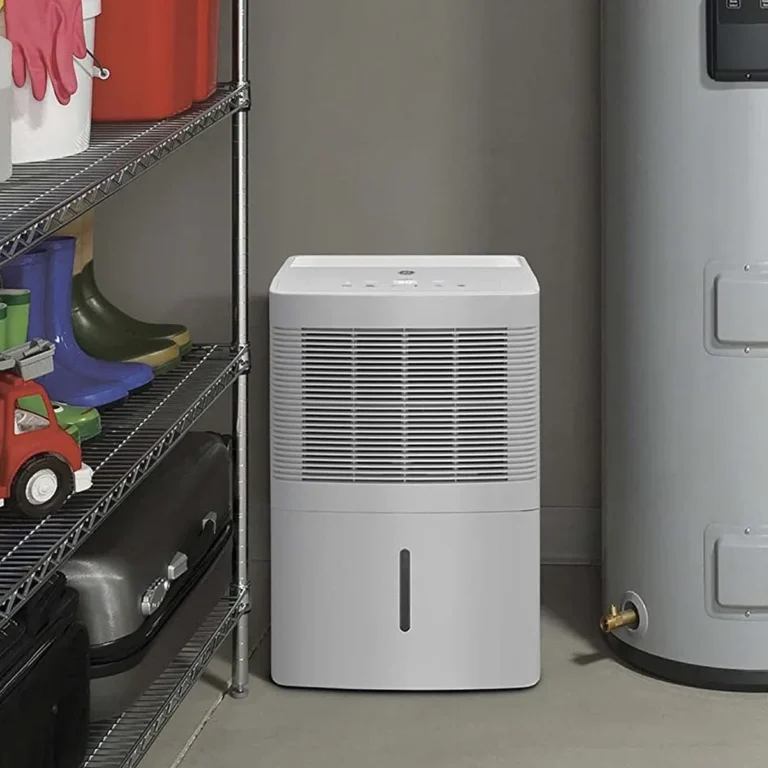
Third pitfall: placing the unit against a wall or in a corner. Dehumidifiers need airflow around all sides. Leave at least 6 inches of clearance.
Blocking the intake or exhaust kills performance by up to 50%.
Finally, do not buy a portable unit expecting it to dry a wet basement after a flood. That requires industrial-grade equipment. For flood drying, you need a pump-equipped unit or a professional water damage company.
Setup Secrets: How to Get the Best Performance
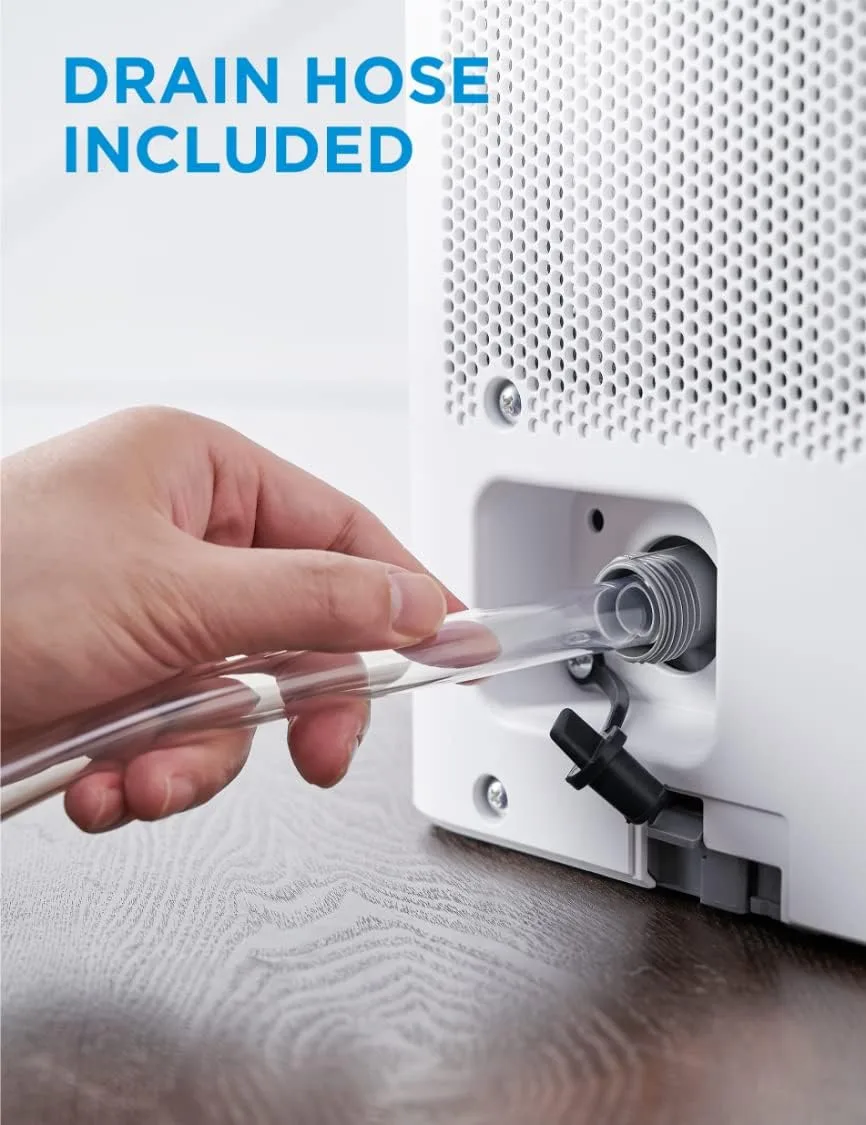
Image source: Bing (Web (fair-use with source credit))
Maximum effectiveness comes down to placement, drainage, and maintenance.
Placement. Put the unit in the center of the room if possible. If you must put it against a wall, leave at least 6 inches behind and on each side. Close all windows and doors in the space.
This creates a sealed environment. Opening an outside door while the unit runs wastes energy.
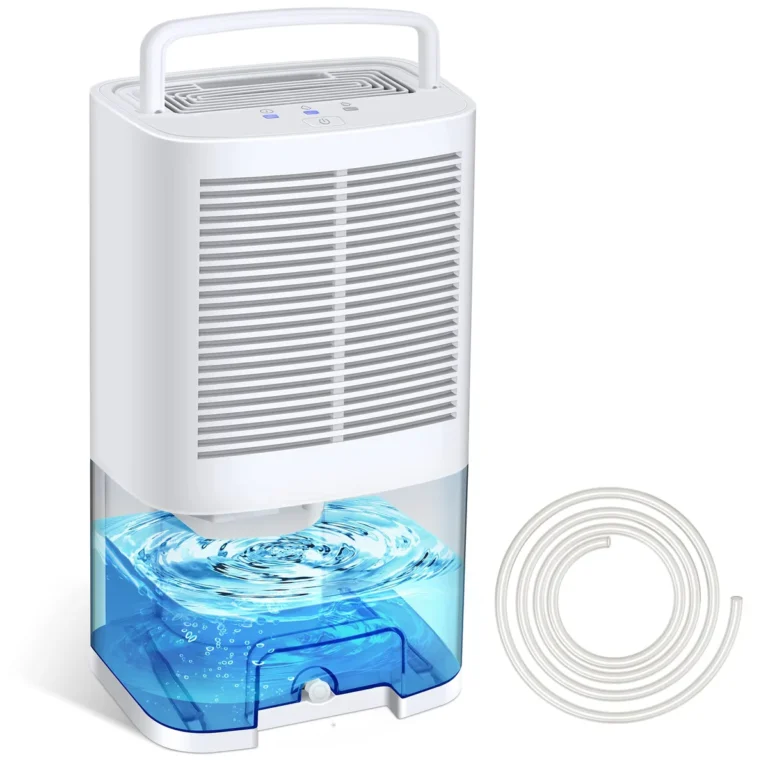
Drainage. The tank fills quickly in a damp space. Rather than emptying it twice a day, use the continuous drain hose. Most units have a threaded port on the back.
Attach a garden hose (typically 3/4-inch) and route it to a floor drain or sump pit. This is the single most effective upgrade for hassle-free operation. Make sure the hose runs downhill.
If it kinks or goes uphill, water will back up and shut the unit off.
Maintenance. Clean the washable filter every two weeks during heavy use. A clogged filter cuts airflow by half and doubles run time. Also check the coils for frost in winter.
If ice builds up, the unit likely needs defrost mode or the temperature is too low for a compressor model.
One final tip: run the unit at 50% humidity setting for a damp basement. That balances moisture removal with energy use. Lowering it to 40% runs the machine much longer and costs more for marginal improvement.
What to Expect: Performance, Noise, and Electricity Costs
Performance. In a sealed 500-square-foot basement starting at 75% humidity, a 50-pint unit typically drops humidity to 50% in 8 to 12 hours. It then cycles on and off to maintain that level. In an open 1,000-square-foot space, the same unit might never reach 50% and will run continuously.
Noise. Most compressor units run at 45 to 55 decibels. That is like a refrigerator hum or a quiet conversation. In a bedroom, it can be bothersome at night.
Desiccant models are often louder due to an internal fan. If noise is a concern, look for units with a sleep mode or a lower fan setting.
Electricity costs. A typical 50-pint compressor dehumidifier uses about 500 watts per hour. Running it 10 hours a day costs roughly $0.10 to $0.20 in most areas. Desiccant models use 600 to 800 watts and cost more.
Over a month of daily use, expect an increase of $3 to $8 on your electric bill with a compressor unit. Per Energy Star data, running a portable dehumidifier continuously in a damp basement can cost $50 to $100 per year.
Frequently Asked Questions
Will a portable dehumidifier work in a basement?
Yes, if the basement is under 800 square feet and enclosed. A 50-pint unit handles moderate dampness. For very wet basements, go with 70-pint.
Use continuous drain to avoid emptying the tank daily.
Can a portable dehumidifier dry a whole house?
No. Portable units are designed for single rooms. Drying a whole house requires a whole-house dehumidifier connected to your HVAC system.
A single portable unit in a large open space will struggle and run constantly.
Do portable dehumidifiers work in winter?
Compressor models lose efficiency below 60°F. Desiccant units work down to 30°F. If your basement stays cold, choose a desiccant model.
Otherwise, you risk frost on the coils and poor performance.
How often do I need to empty the water tank?
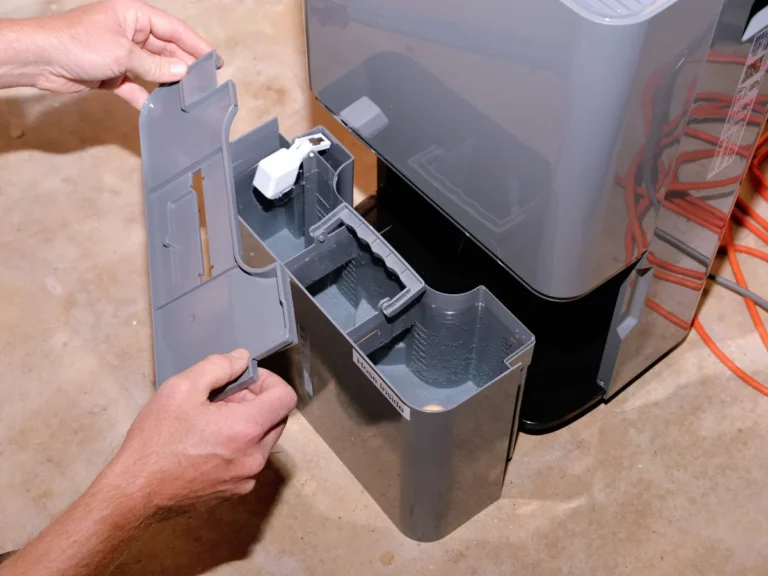
In a damp space, a 1.5-gallon tank fills in 6 to 12 hours. Empty it once or twice a day. Attaching a continuous drain hose eliminates this chore entirely.
Are portable dehumidifiers noisy?
Most are around 45 to 55 decibels. That is noticeable in a bedroom but acceptable in a basement or living room. Look for units with a quiet mode if noise is a concern.
Final Verdict
You should buy a portable dehumidifier if you have a single room or basement under 800 square feet with dampness issues. You should not buy one if your space is larger than that or if you need whole-house moisture control.
Here is your decision in one sentence: If your space is small, enclosed, and moderately damp, a portable dehumidifier is effective and worth the money. For anything bigger, consider whole-house or professional solutions.
Match your room size, dampness level, and climate to the pint capacity and type. Use the continuous drain. Clean the filter.
That is how you get the most out of a portable dehumidifier. For a full overview of top-rated models across different sizes, see our guide to choosing the right unit for your space.