Why Does My Dehumidifier Smell Burnt
If you're asking why does my dehumidifier smell burnt, start by unplugging it. That's not drama. That's the right first move.
A burnt odor can mean something simple like dust, or something serious like a failing electrical part.
In our research, the most common cause is dust burning off the coils or motor. That's usually harmless. But a sharp, acrid smell, especially near the plug or control board, can signal overheating.
As of 2026, most major dehumidifier brands still design to Underwriters Laboratories (UL) safety standards, so a certified unit that starts smelling burnt should never be ignored.
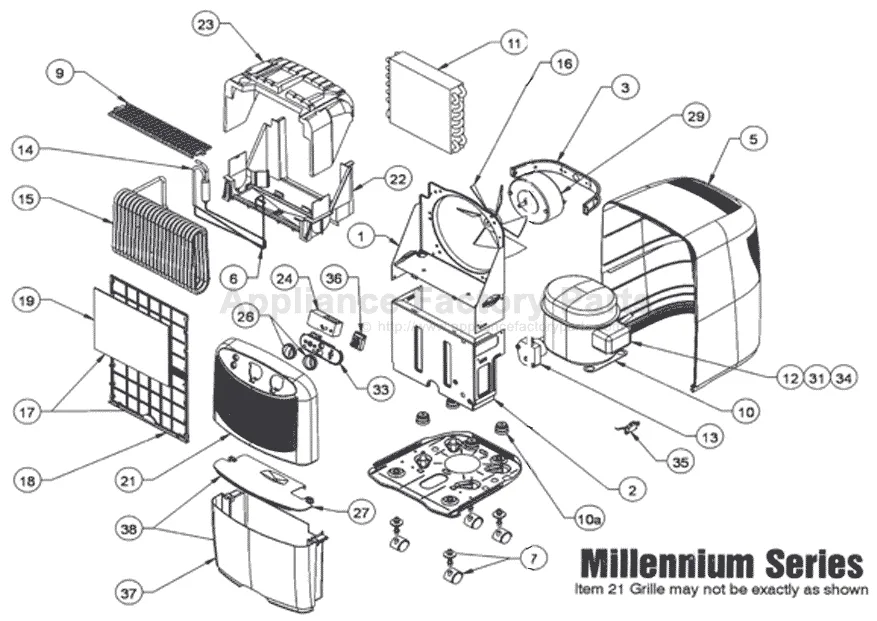
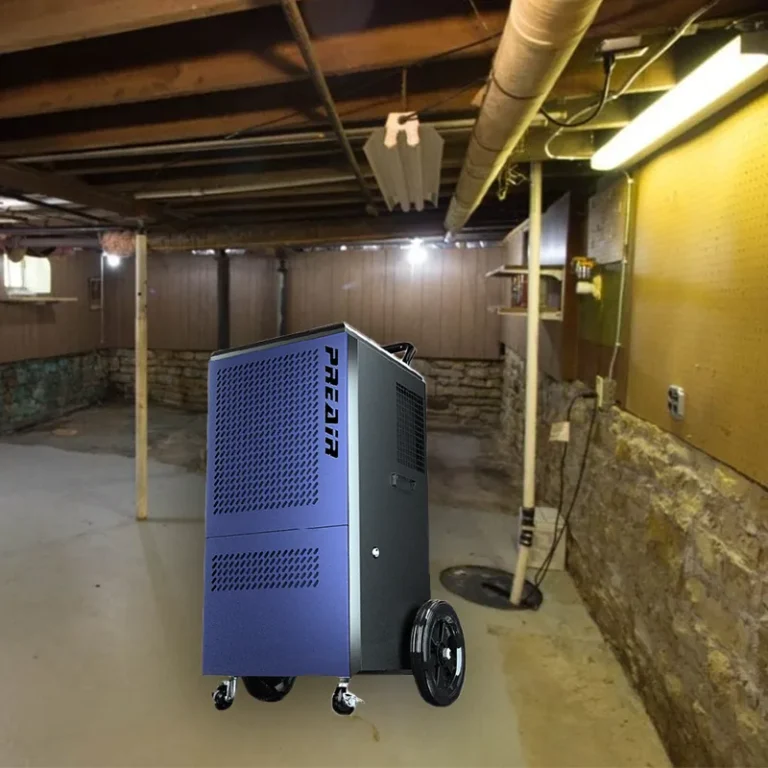
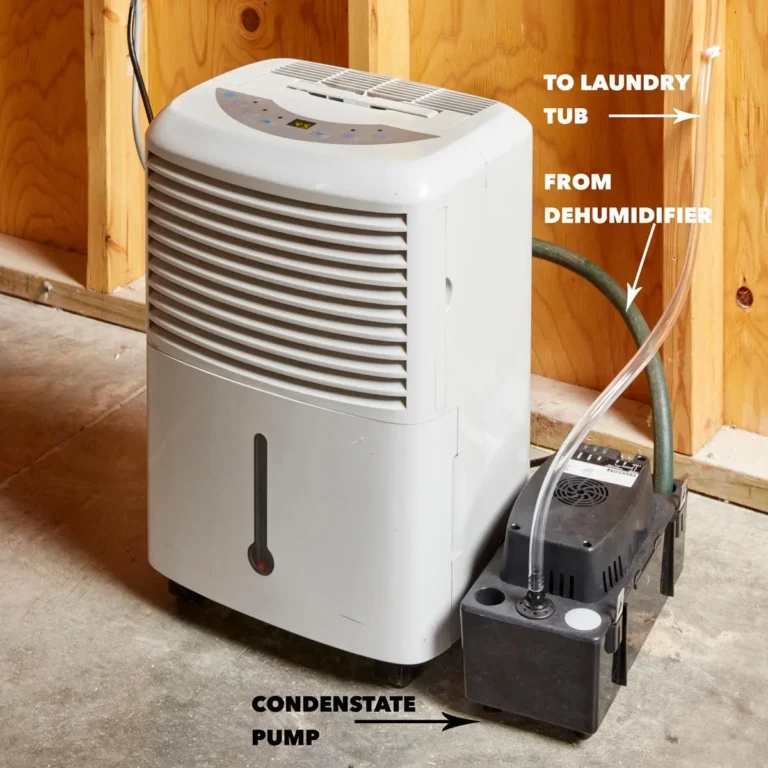
Image source: Bing (Web (fair-use with source credit))
Why That Burnt Smell Is a Big Deal
Here's the honest truth. A dehumidifier works hard by design. It runs for hours, pulls moisture through wet coils, and pushes warm air out the back.
All that heat gives small particles a chance to burn.
Dust is the usual suspect. After a month of running in a basement, the air filter and condenser coils collect a fine layer of lint and dirt. When the unit runs, that layer gets hot.
You smell a light, dusty, toasty odor. It's not dangerous, but it tells you the unit needs cleaning.
The bigger concern is an electrical burn. Melted plastic, overheated wiring, a failing capacitor, or a seized fan motor can produce a sharp, painful smell. That's not a cleaning issue.
That's a fire risk.
As of 2026, the Consumer Product Safety Commission still lists dehumidifier recalls tied to overheating and fires. So a strong electrical smell deserves respect. Unplug the unit and don't power it back on until you know what's wrong.
Quick Answer: Is It Just Dust or an Electrical Fire?
A burnt smell usually means dust, or a failing motor. Unplug the unit immediately. Then check the filter and coils.
A sharp electrical odor can signal an overheating part. That's a fire risk, not just an odor.
Here's how to tell the difference quickly. If the smell is mild and appears after the unit has been off for weeks, it's probably dust. If the smell is sharp, acrid, and lingers even after cleaning, it's electrical.
When in doubt, call a pro.
Don't run the unit to see if it goes away. That's how small issues become expensive failures.
The Main Culprits: Motors, Capacitors, and Dirty Coils
Let's break down what actually burns inside a dehumidifier.
Dust-covered condenser coils. This is the number one cause of a burnt smell. Dust insulates the coils, traps heat, and slowly cooks. The fix is simple: vacuum the coils gently with a soft brush attachment.
Clogged air filter. A dirty filter reduces airflow. Less airflow means the motor runs hotter. That heat produces a warm, dusty smell.
In severe cases, it can cause the motor to overheat and trip a thermal cutoff.
Failing capacitor. The capacitor gives the compressor and fan motor their startup jolt. When it degrades, the motor draws more current. That extra current creates heat.
A failing capacitor often smells like hot electronics or burnt wiring.
Seized fan motor. If the fan blade can't spin, the motor overheats fast. You'll usually hear a humming or grinding sound along with the smell.
Overloaded power cord or outlet. A unit plugged into a poor extension cord can heat up the plug. Touch the plug after running. If it's hot, that's a problem.
Each cause has a different fix. The good news? Most are easy to check.
Step-by-Step: How to Diagnose the Smell Safely
Grab a flashlight and a screwdriver. Work through these steps in order.
Step 1: Unplug the unit. Do this before anything else. Wait at least 10 minutes for the capacitors to discharge.
Step 2: Smell the air outlet. The outlet is the easiest place to locate the source. A mild dusty smell points to the coils. A sharp plastic smell points to the motor, board, or wiring.
Step 3: Remove and inspect the air filter. Slide it out and hold it to the light. If you can't see through it, that's your problem. Wash it with warm water and mild soap if it's washable.
Let it dry completely before reinstalling.
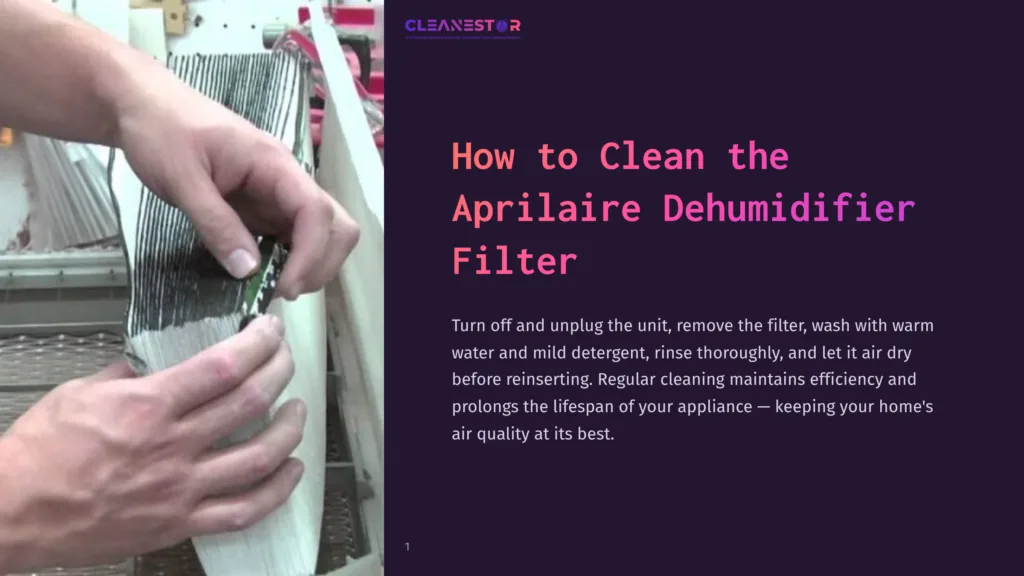
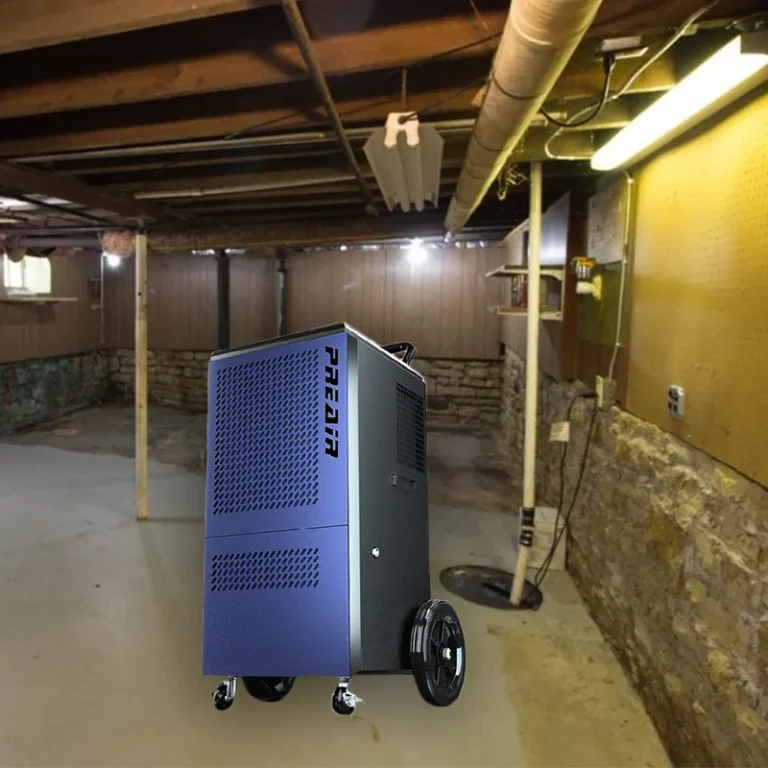
Image source: Bing (Web (fair-use with source credit))
Step 4: Vacuum the condenser coils. Reach the coils through the grille, or open the housing if your manual allows. Use a soft brush attachment and vacuum gently. Don't use water or coil cleaner on a sealed system.
Step 5: Inspect the plug and cord. Look for scorch marks, melting, or discoloration near the plug prongs. A burnt plug means bad wiring or an overloaded outlet.
Step 6: Listen when you restart the unit. Plug it in once and run it briefly. If you hear grinding, buzzing, or rattling, the motor or cap is failing. If the burnt smell returns fast, unplug it and stop.
If you're comfortable opening the unit, look for scorched wires or a swollen capacitor. Otherwise, leave deeper diagnosis to a technician.
Common Mistakes That Lead to a Burnt Dehumidifier
Most burnt smells aren't random. They're the result of common mistakes that strain the unit.
Running a unit with a dirty filter. This is the biggest one. A blocked filter starves the fan of airflow. The motor runs hotter and hotter until something burns.
Placing the unit against a wall. Dehumidifiers need clearance. The manual usually says 12 inches on each side. Without that, hot air gets trapped and recirculates into the unit.
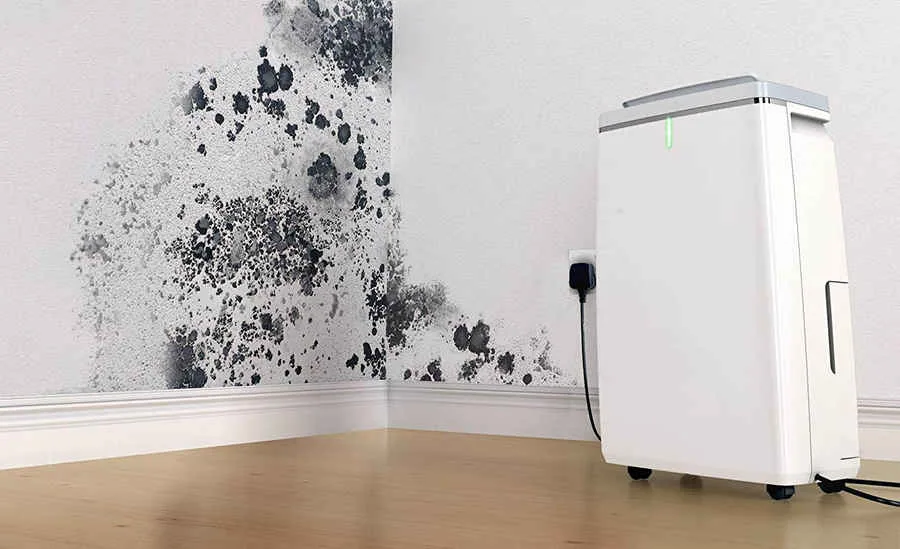
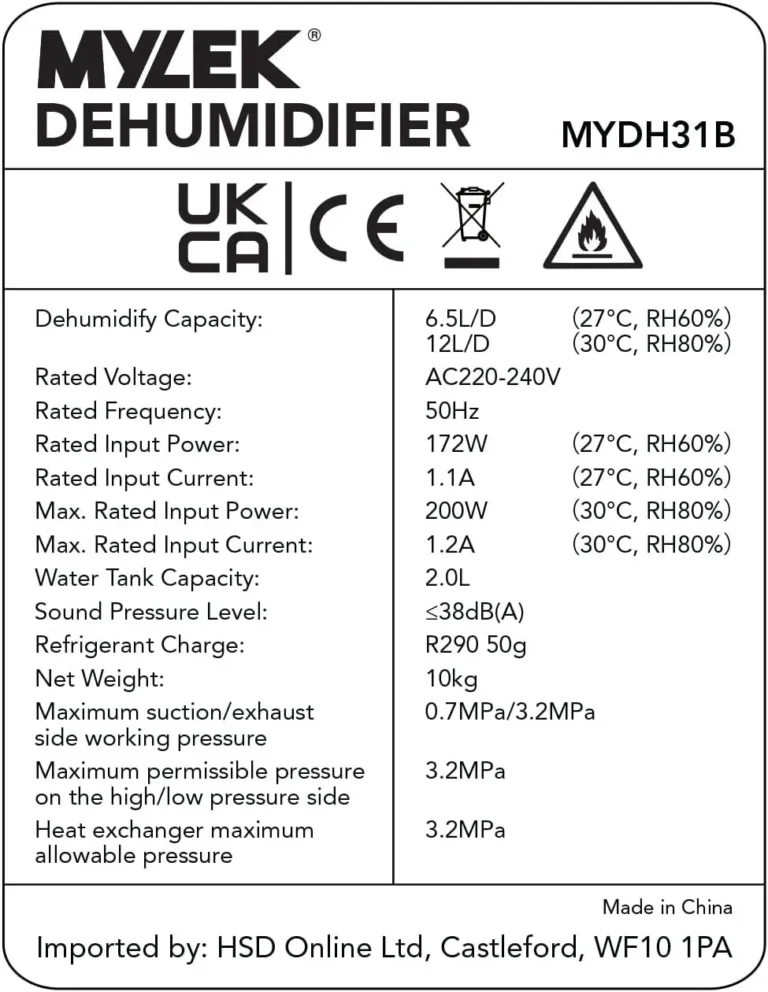
Image source: Bing (Web (fair-use with source credit))
Using a long extension cord. A thin cord will heat up under load. The plug melts, the outlet scorches, and the unit loses power unevenly.
Ignoring a humming sound. If the fan grinds but doesn't spin, the motor burns out while you wait. That humming noise is the smell before the smell.
Running it 24/7 at maximum settings. Even a well-maintained unit needs a break. Constant max load heats up the motor and capacitor over time.
Letting dust sit on the coils for months. Dust won't hurt a unit after one week. After a whole season, it becomes a slow-burning blanket.
Avoid these, and the burnt smell usually disappears. If it doesn't, you likely have a true electrical failure. That's a repair, not a cleaning job.
When to Call a Pro vs. When to Replace the Unit
If you smell an electrical burn, don't test the unit again. Call a technician. A certified HVAC or appliance repair pro can find the failed part quickly.
Some fixes are cheap. A capacitor costs $10 to $25. Replacing a fan motor runs $50 to $100 in parts.
Labor adds $100 to $200 depending on your area. If the compressor has failed, you're looking at $200 to $400 in parts and labor.
That math changes your decision. A new compressor is rarely worth it. If your unit is over five years old and the compressor is dead, replace it.
A new dehumidifier costs $150 to $500. Compare that to a repair bill that could hit half the price of a new machine.
If your unit is still under warranty, call the manufacturer first. Many brands cover parts and labor for one to two years. Check your manual or the manufacturer's site before paying anyone.
For replacement options, our research points to checking a few trusted models depending on your space. If you run a basement unit that pulls moisture around the clock, a basement-rated dehumidifier may outlast a standard portable unit.
Per the Consumer Product Safety Commission, dehumidifier recalls are still active for overheating and fire risks. If your unit is on a recall list, stop using it immediately and follow the manufacturer's instructions.
Maintenance: How to Keep the Burnt Smell from Coming Back
A burnt smell is almost always preventable. Regular cleaning takes ten minutes and saves you a headache.
- Wash the air filter every 2 to 4 weeks. A visible layer of dust means it's overdue. Dry it completely before reinstalling.
- Vacuum the coils every 3 months. Use a soft brush attachment. Dust cooks on the coils and produces that warm toasty smell.
- Check the drain pan and hose weekly. A clogged drain can back water into the motor and blower.
- Keep 12 inches of clearance on all sides. Check your manual for the exact number. Restricted airflow makes every component run hotter.
- Plug directly into a grounded wall outlet. Skip the extension cord entirely.
- Give it a break. Running 24/7 at max settings shortens the life of the motor and capacitor.
Set a monthly reminder on your phone. One cleaning cycle every month keeps dust from becoming that burnt odor.
In our research, households that cleaned filters monthly reported far fewer odor issues. Make it part of your routine and skip the drama.
Frequently Asked Questions
Why does my dehumidifier smell like burning plastic?
That's a sign of overheating plastic near the motor, wiring, or control board. Unplug the unit immediately. Burning plastic is not dust.
It's a fire risk that requires professional diagnosis before you run the unit again.
Why does my dehumidifier smell burnt after being off for a while?
Dust settles on the coils and motor while the unit sits. When you power it on, the dust heats up and burns off. This usually smells mild and disappears after a few minutes.
If the odor is sharp and lingers, skip the cleaning and call a technician.
Can a dehumidifier catch fire?
Yes. The Consumer Product Safety Commission has documented dehumidifier fires caused by electrical failures. Overheated motors, failed capacitors, and damaged wiring are the main triggers.
If you smell burning plastic or see smoke, unplug the unit and do not use it again.
How often should I clean my dehumidifier filter?
Every two to four weeks during heavy use. In dusty spaces like basements or crawl spaces, clean it more often. A blocked filter reduces airflow, increases motor heat, and leads to that burnt smell.
Set a monthly reminder so you never forget.
Is it safe to run a dehumidifier overnight?
Yes, if the unit is clean, has proper clearance, and is plugged into a good outlet. Dust buildup is the biggest overnight fire risk. A well-maintained unit runs overnight safely.
Check the filter before you start the season and keep an eye on the plug for heat.