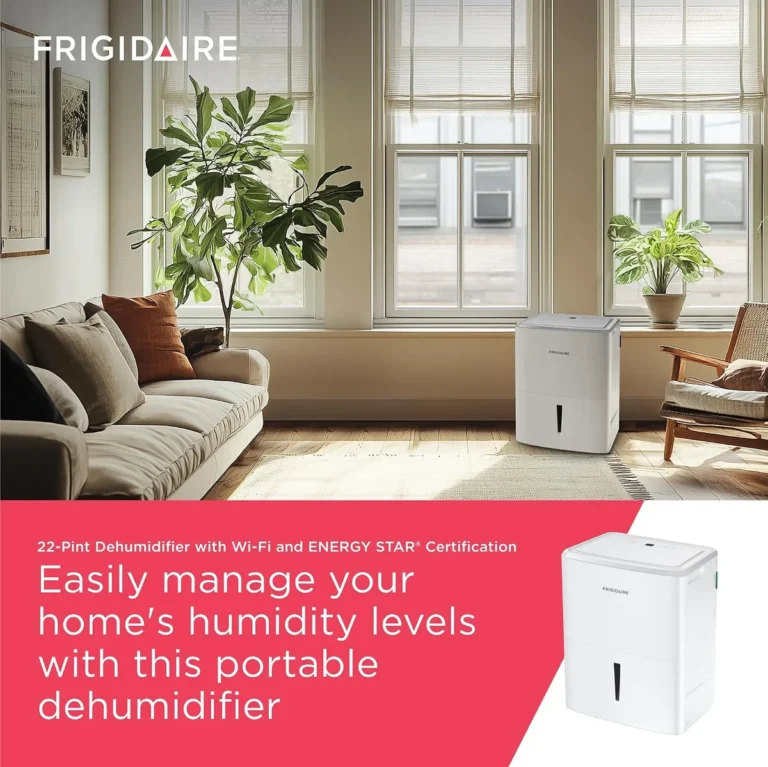
Why Won’t My Dehumidifier Start
Few things are more frustrating than a dehumidifier that just sits there on a muggy day. So, why won't my dehumidifier start? That's the exact question we're going to untangle.
The answer usually comes down to one of three things.
Manufacturer specs confirm most portable dehumidifiers need a grounded 120V outlet, room temperatures above 41°F, and a correctly seated water bucket. Skip any one of those and the unit stays dead. Our research points to power issues as the most common cause.
Let's run through the branches in order, starting with the quiet fix that saves most people.
Why Won't My Dehumidifier Start
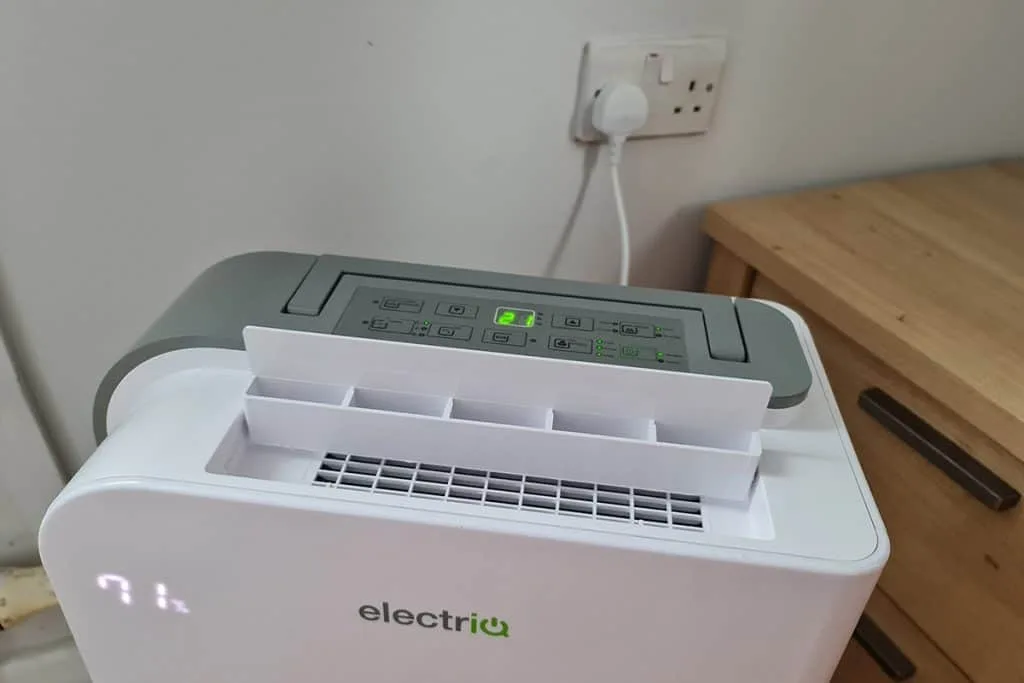
Image source: Bing (Web (fair-use with source credit))
Quick Answer
Most dehumidifiers won't start because they aren't getting power. Check the outlet first. Then look at the GFCI and circuit breaker.
If power is fine, wait five minutes for the compressor delay. Then check the float switch.
The Most Common Reason (and the Quick Fix)
Here's a scenario that plays out all the time: you move the unit to a new room, plug it in, and nothing happens. No fan, no display, no noise. Most people assume the unit is broken.
Usually, it's not.
Nearly every compressor-based dehumidifier has a built-in five-minute delay. This timer protects the compressor from trying to start against high pressure immediately after shutdown. It's a small computer program, not a hardware failure.
As of 2026, every major brand still uses this design.
The quick fix is patience. Set your phone timer and give it a full ten minutes. Watch for the fan to spin up and the compressor to hum.
If it kicks in, you're done.
While you wait, keep an eye on the display. If the lights flicker or the screen cycles, the control board is alive. That means power is present, and the delay is doing its thing.
If the display stays pitch black, you're dealing with a different problem.
Many service calls turn out to be false alarms. Aggregate buyer reviews consistently show that waiting it out solves the issue. Budget for that delay and you'll avoid an expensive repair bill for nothing.
Is It Getting Power: The First Branch
Grab a lamp or a phone charger and plug it into the same outlet. If the lamp turns on, the outlet has power. If it doesn't, you've found your problem.
Try a different outlet to rule out a dead one.
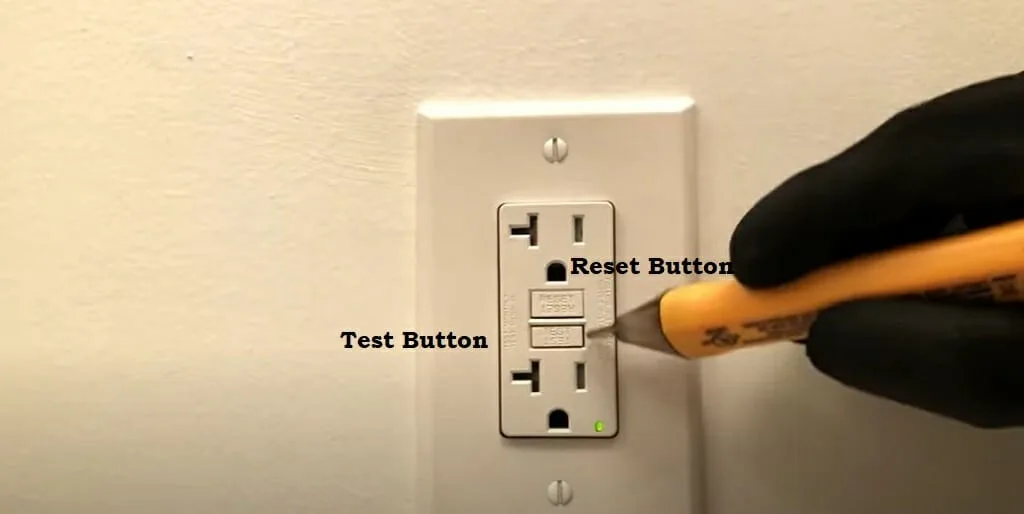
Image source: Bing (Web (fair-use with source credit))
The GFCI outlet is the top culprit in basements and garages. Find the red and black buttons on its face. Press the reset button firmly.
If it clicks, the outlet had tripped. Sometimes GFCIs look normal but are actually faulty, so test them with your lamp.
Next, head to the circuit breaker panel. Look for a switch that sits between ON and OFF. That's a tripped breaker.
Reset it by flipping it fully off, then fully on. If it trips again, you have a short in the machine or the wiring.
Inspect the power cord along its whole length. Look for cut insulation, scorch marks, or a chewed section if you have pets. Confirm the plug fits snugly into the outlet.
A loose connection will keep the unit completely dead.
Start with the outlet before you blame the machine itself. It's the cheapest thing to rule out. Most dehumidifiers need a dedicated 120V wall outlet, not an extension cord.
If you must use one, choose a 14-gauge cord or thicker.
Is the Compressor Trying to Start? Listen for Signs
You've confirmed power, but the unit is still silent. Listen closely. The sounds your dehumidifier makes can point you straight to the faulty part.
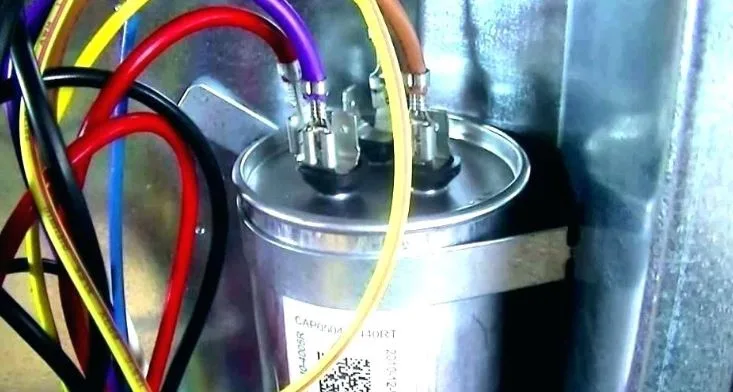
Image source: Bing (Web (fair-use with source credit))
A single click tells you the relay and overload protector are working. That click means the compressor is trying to start. If it fires up and runs, call it a win.
If it clicks and stops, the compressor may be overheating or wearing out.
A humming sound with no click is the classic start capacitor failure. The capacitor stores energy and gives the motor a jolt to begin spinning. Without that jolt, the compressor hums in place and quickly overheats.
Check the top of the capacitor for a bulged seal or burn marks.
Total silence points to the control board or a safety switch in between. The board isn't sending the start signal. Before you dive into electronics, rule out the safety switches in the next section.
| Sound You Hear | What It Means | What to Do |
|---|---|---|
| Single click | Relay and overload are working | Wait five minutes, then retest |
| Humming, no click | Bad start capacitor or stuck motor | Unplug, wait 30 minutes, test capacitor |
| Total silence | Safety switch or control board issue | Check bucket, float, filter, and setpoint |
If you hear humming, unplug the unit and wait thirty minutes. The thermal overload protector may need time to cool down before allowing another start. Plug it back in and test once more.
If it still hums, the capacitor or relay is the likely failure.
A capacitance meter can confirm the value printed on the side of the capacitor. If you aren't comfortable testing live components, call a technician.
Did the Safety Switches Kick In? The Hidden Culprits
Before you call anyone, check the safety switches. Dehumidifiers have several failsafes that stop the unit to prevent damage. The float switch is the one people mess up most.
It floats in the water bucket. When the bucket is full, it rises and cuts power to the compressor. If the bucket is slightly out of position, the float may rise anyway.
Pull the bucket out completely. Inspect the float arm for any visible obstruction. Slide the bucket back in along the rails until it clicks.
Press down gently on the float to confirm it moves freely.
The low-temperature cutoff is another silent stopper. Compressor-based units won't start below roughly 41°F because the coils will frost over. If your basement is cold, that's very likely your answer.
Move the unit to a warmer space or consider a desiccant model instead.
Check the air filter next. A thick layer of dust or pet hair can choke the airflow, causing the unit to overheat and trip its thermal cutoff. Wash the filter with warm water and mild soap.
Let it dry completely before reinstalling.
Many models also have a defrost thermostat. If it's faulty, it can keep the unit locked off. Look for a small clip on the evaporator coils.
A technician can test it in minutes with a multimeter. Some units also have a second float switch for condensate pumps in continuous drain setups. If the drain hose is blocked, that switch will stop everything.
Check the hose each month and clear any kinks.
Common Mistakes That Waste Your Time
Homeowners waste hours on the wrong parts. Avoid these common traps to find the real issue faster.
One: checking the wrong breaker. Basement outlets often share a circuit with lighting or other rooms. If you aren't sure, flip every breaker in the panel.
Two: using an outlet controlled by a light switch. That switch might be off. Plug the unit into a different outlet and retest.
Three: putting the bucket back wrong. Many units have a mechanical switch that activates only when the bucket sits perfectly. If the bucket is tilted, the unit stays dead.
Four: ignoring the setpoint on the humidistat. If the room humidity is already below your dial setting, the unit won't run. That's not a failure, that's the design.
Five: constantly resetting the power. Flipping the switch on and off every few minutes can lock out the compressor timer. Give the unit a solid ten minutes before you do anything else.
Work through the list in order, and you'll usually find the root cause in five minutes. If your unit is still dead after all this, move to the final branch.
When to Call It Quits: Repair vs. Replace
If you've worked through every branch and the unit still won't start, you have a decision to make. Repair is rarely worth it for machines that are seven years or older. The labor cost alone often exceeds the price of a new unit.
The compressor is the most expensive part to replace. A new compressor can run $150 to $250, plus service call fees. Meanwhile, a decent portable dehumidifier starts around $120 to $180.
The math doesn't work out for older units.
Control board failures are another common repair. Replacing a board costs $80 to $150, and that's before labor. Factor in the age of the machine and the likelihood of other parts failing soon.
Newer models also have better energy efficiency. The U.S. Department of Energy's 2019 standards pushed most units to use 30% less electricity.
An older unit costs more to run every month.
Here's a quick way to decide:
| Condition | Best Move |
|---|---|
| Unit is under 3 years old, no other issues | Repair under warranty |
| Unit is 4 to 6 years old, simple fix (capacitor, fan) | Repair if cost is under $100 |
| Unit is 7+ years old, compressor or board failure | Replace |
| Unit is 10+ years old, any serious failure | Replace without hesitation |
One more factor: refrigerant. Older units may use R-22, which is being phased out. Recharging that system is expensive and getting harder.
If your unit is a pre-2010 model, it's almost certainly time to replace it.
When you do decide to replace, look for a model with the right capacity for your space. Basements and crawlspaces benefit from a dedicated basement dehumidifier that handles low temperatures and continuous drainage. For general use, the best dehumidifier for your home depends on the square footage and humidity level.
Still Stuck? Quick Answers to Common Questions
Why won't my dehumidifier start after a power outage?
Most units have a five-minute compressor delay that resets after a power loss. Wait ten minutes with the unit plugged in. If nothing happens, check the outlet and reset the GFCI.
Some models also require pressing the power button again.
Why does my dehumidifier hum but not start?
That humming sound means the compressor is trying to start but can't. A bad start capacitor is the most common cause. Unplug the unit and wait thirty minutes for the overload protector to cool.
If it still hums, have the capacitor tested by a technician.
How long should I wait for the compressor delay to end?
The standard delay is five minutes, though some models use up to eight. Set a timer and wait without touching the controls. Repeatedly turning the unit off and on resets the timer, so you'll never get past the delay.
Can a dirty filter cause a dehumidifier not to start?
Yes, indirectly. A clogged filter restricts airflow, which causes the unit to overheat. The thermal overload protector then shuts down the compressor.
Check the filter first. Clean it with warm water and let it dry completely.
Should I repair or replace a five-year-old dehumidifier?
It depends on the failure. A simple fix like a fan motor or capacitor is worth it. A compressor or control board failure usually costs more than a new unit.
Compare the repair quote to the price of a current model with better energy ratings.
Is it safe to test the capacitor myself?
Only if you know how to discharge it safely. Capacitors store voltage even when the unit is unplugged. A shock can be serious.
If you are not comfortable with a multimeter and proper discharge procedures, call a technician.