Can You Vacuum a Dehumidifier Filter
The short answer: yes, you can vacuum a dehumidifier filter, but only if you know what type you're dealing with. The wrong approach can damage the filter or reduce your machine's efficiency.
Per manufacturer guidelines, cleaning your filter every 30 days can improve airflow by up to 15 percent and lower energy use. As of 2026, most major brands recommend vacuuming as a maintenance step between deeper washes. Here's what you need to know before you grab your vacuum.
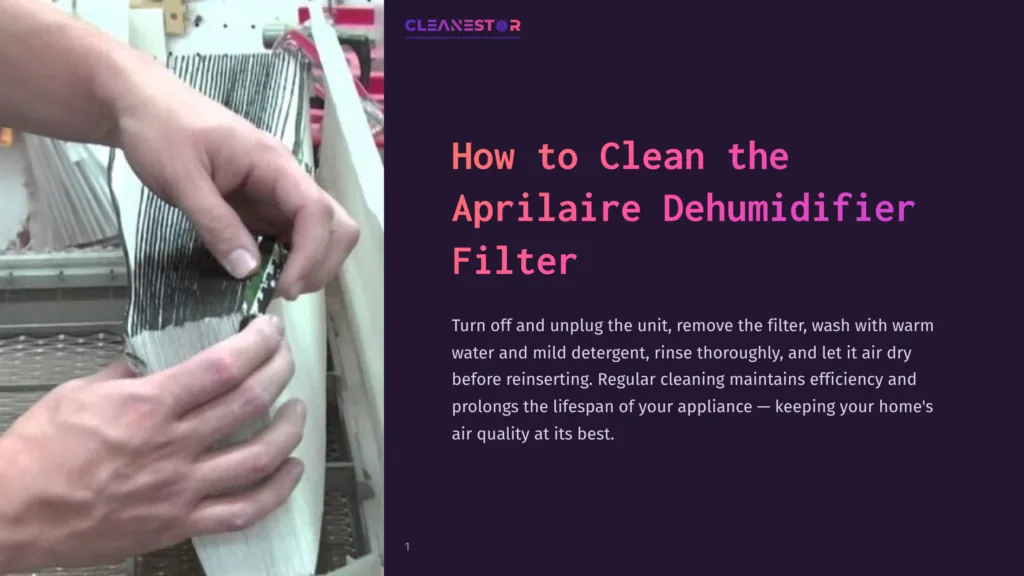
Image source: Bing (Web (fair-use with source credit))
Quick Answer: Yes, You Can Vacuum Most Dehumidifier Filters (With One Big Caveat)
Yes, you can vacuum most dehumidifier filters. Use a soft brush attachment. Keep the suction on low.
Vacuum both sides of the filter. Do this every two to four weeks.
The big caveat: you need to confirm your filter is washable first. Disposable filters fall apart under vacuum suction. You also can't skip the occasional deep wash.
Vacuuming removes surface dust only. Trapped oils, mold spores, and fine particles need water and mild detergent.
Washable vs. Disposable — How to Tell Which Filter You Have

Image source: Bing (Web (fair-use with source credit))
Check your filter material before you vacuum. This is the most important decision you'll make in the whole process.
Washable filters are made from foam, plastic mesh, or a reusable fabric frame. They feel flexible and slightly spongy. You can rinse them under running water without damage.
Most washable filters have a label that says "permanent" or "clean with water."
Disposable filters use pleated paper, cardboard frames, or thin fiber layers. They feel stiff and fragile. Water turns them into a wet mess.
They usually say "replace only" or have a part number for reordering.
If you're unsure, check your user manual. Manufacturers like Frigidaire, GE, and LG include clear filter care instructions. If you can't find the manual, look for a part number on the filter frame and search it online.
If the filter has a cardboard edge, it's almost certainly disposable.
For units that run year-round, especially in basements, choosing a model with a washable filter saves money over time. If you're shopping for a new unit, our guide to the best dehumidifiers highlights models with easy-to-clean filters.
How to Vacuum a Dehumidifier Filter Without Ruining It
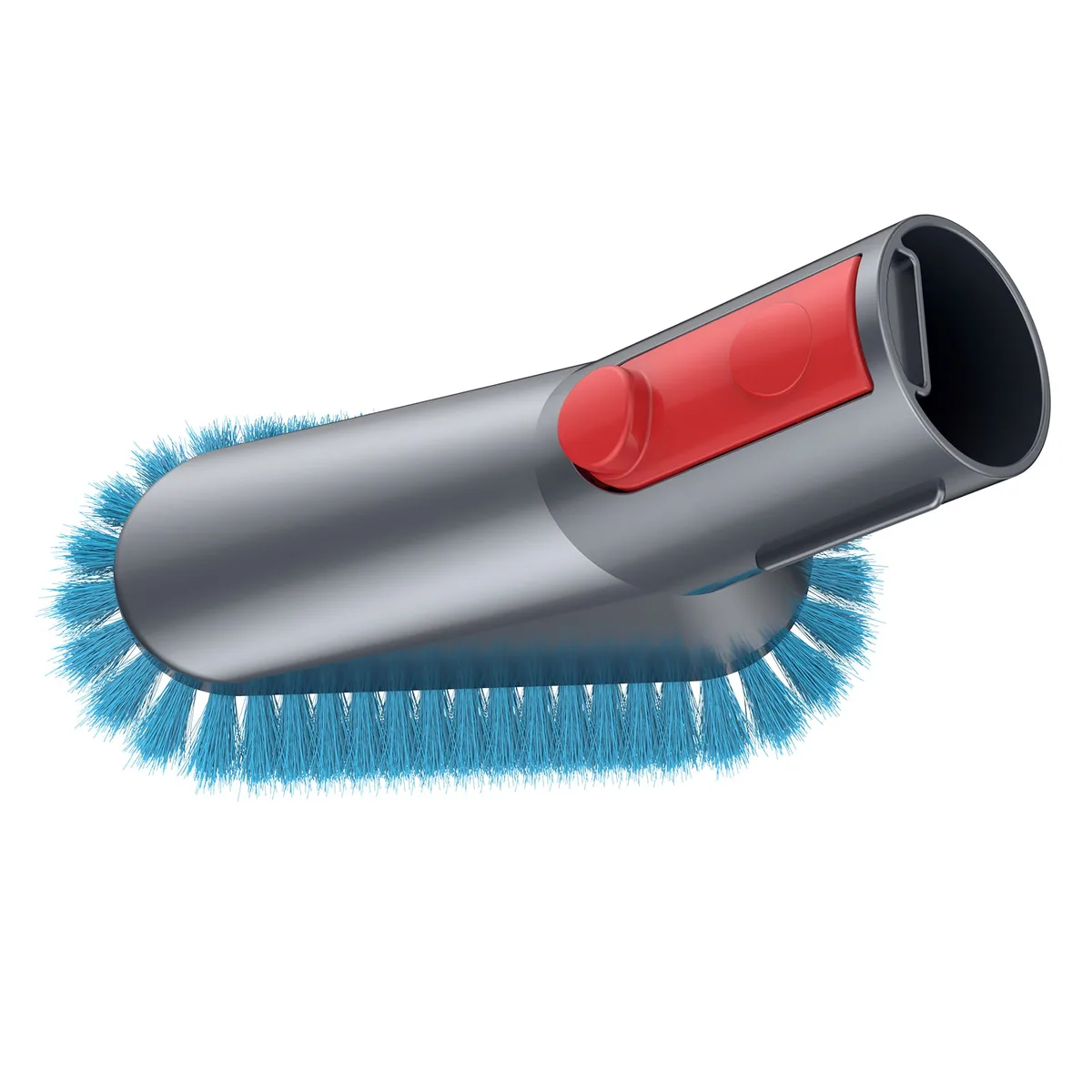
Image source: Bing (Web (fair-use with source credit))
Once you know your filter is washable, follow these steps. The process takes about five minutes.
Step 1: Unplug the dehumidifier. Never stick your hand near the fan or coils while the unit is live. This keeps you safe.
Step 2: Remove the filter. Most slide out from the front or rear grill. Some pop out with a gentle pull. Check the manual if it sticks.
Step 3: Inspect for heavy debris or mold. If you see visible mold or thick grease, skip the vacuum. You need to wash or replace the filter instead. Vacuuming alone won't fix that.
Step 4: Attach the soft brush. A crevice tool works too, but the brush is gentler. Avoid the hard bristle brush. It can tear foam fibers.
Step 5: Set your vacuum to low suction. If your vacuum has adjustable power, turn it down. High suction can pull foam apart or warp a plastic mesh.
Step 6: Vacuum both sides. Work from the center outward. Use gentle overlapping passes. Focus on the corners where dust collects.
Step 7: Reinstall the filter. Make sure it sits flat. Slide it back in until it clicks or locks into place.
Step 8: Plug the unit back in. Check that airflow sounds normal. If it seems restricted, remove the filter and check for leftover debris.
3 Signs Vacuuming Isn't Enough (and You Need to Wash or Replace)
Vacuuming is a maintenance step, not a deep clean. Watch for these three signs.
1. Visible mold or mildew. If you see black, green, or white growth on the filter, vacuuming will spread spores. You need to wash the filter with warm water and mild detergent.
If the mold has stained the filter material, replace it. Per AHAM dehumidifier performance standards, a moldy filter reduces efficiency and can recirculate spores into your room.
2. Caked-on dust that won't budge. After vacuuming, run your finger across the filter. If dust clings or forms a paste, it's embedded in the fibers.
Wash the filter under running water until the water runs clear. Let it dry completely before reinstalling.
3. Physical damage. Torn foam, bent mesh, or a crushed frame means the filter won't seal properly. Air leaks around the edges bypass the filter entirely.
Replace it with a new filter matched to your model number.
Vacuum, Wash, or Replace — When to Do What
This decision tree helps you choose the right action based on the filter's condition.
| Condition | Action | Frequency |
|---|---|---|
| Light surface dust only | Vacuum | Every 2 to 4 weeks |
| Visible dust but no mold or grease | Vacuum, then wash next cycle | Monthly vacuum, wash every 3 months |
| Oily residue, smoke film, or cooking grease | Wash with mild detergent | As needed, minimum every 3 months |
| Mold or mildew growth | Wash with diluted bleach solution (if washable) or replace | Immediately |
| Torn, bent, or crushed filter | Replace | As needed |
| Filter is over 12 months old (washable) | Replace | Annually |
| Disposable filter is dirty | Replace | Every 3 to 6 months |
For basement units that run continuously, vacuum every two weeks. The extra dust, pet hair, and pollen in basements clog filters faster. If you're managing a large basement space, you might benefit from our recommendations for the best dehumidifier for basement use.
When to always wash instead of vacuum: If the filter feels sticky, greasy, or smells musty. Vacuuming won't remove oils or odors. Water and detergent are the only fix.
When to always replace instead of wash: If the filter has a cardboard frame, pleated paper, or a HEPA layer. These materials fall apart in water. Only replace them.
5 Common Mistakes That Can Damage Your Filter or Dehumidifier
Even experienced owners make these errors.
Using too much suction. High vacuum power tears foam filters and bends plastic mesh. If your vacuum has a variable speed dial, set it to low. Shop vacs are especially dangerous.
Their strong suction can pull the filter right out of your hand.
Vacuuming a wet filter. Never vacuum a damp or wet filter. Moisture gets sucked into your vacuum motor. That can cause electrical damage or mold growth inside your vacuum.
Always let the filter dry completely after washing before you vacuum it.
Skipping the soft brush attachment. The bare vacuum hose or a crevice tool can gouge foam fibers. That creates weak spots. Over time, those spots develop into holes.
A soft brush attachment distributes the suction evenly and protects the filter surface.
Forgetting to check the other side. People often vacuum only the intake side of the filter. The rear side traps dust too. Flip the filter over and vacuum both faces.
Hold it up to a light afterward. If you see daylight through the filter, it's clean enough.
Ignoring the filter housing. While the filter is out, vacuum the filter compartment. Dust and debris collect in the slot and around the fan intake. A clean housing improves airflow and prevents that "musty" smell when the unit runs.
Frequently Asked Questions
Can I use a shop vac on my dehumidifier filter?
Only if you have a low-suction setting. Most shop vacs pull too hard for foam filters. If you must use one, attach a soft brush and turn the suction down.
Test a corner first. If the filter bends or tears, switch to a household vacuum.
How often should I vacuum my dehumidifier filter?
Every two to four weeks during heavy use. If your dehumidifier runs daily in a basement or humid climate, vacuum every two weeks. For seasonal use or low-humidity conditions, monthly is fine.
Set a phone reminder so you don't forget.
Can I vacuum a disposable dehumidifier filter?
No. Disposable filters use pleated paper or cardboard frames. Vacuuming dislodges the fibers and creates gaps.
You can gently tap the filter against a trash can to remove loose dust. But the only proper cleaning method is replacement.
What happens if I never clean my dehumidifier filter?
Airflow drops. The unit has to work harder to pull in air. That increases your electricity bill by 5 to 10 percent.
The coils can freeze over. The compressor may eventually fail. A dirty filter is the most common cause of dehumidifier breakdowns.
Can I vacuum the filter while it's still in the dehumidifier?
You can, but it is not ideal. The filter housing blocks access to the rear side. You also risk pushing debris into the fan intake.
Removing the filter takes ten seconds and gives you a much better result.
Do I need to vacuum before washing or after?
Both. Vacuum first to remove loose dust. Then wash with warm water and mild detergent.
After washing, let the filter dry completely. Vacuum again if you see any remaining debris. This two-step process gives the deepest clean.
Final Verdict: Vacuuming Is Fine, but Don't Skip the Deep Clean
Vacuuming is a great maintenance habit. It keeps your filter clear between wash cycles. It improves airflow, lowers energy use, and extends the life of your dehumidifier.
But vacuuming alone is not a complete cleaning routine. Oils, mold spores, and fine particles stick to filter fibers. Only water and detergent remove those.
If you vacuum every two weeks and wash every three months, your filter stays in good shape.
The bottom line: yes, you can vacuum a dehumidifier filter. Just do it the right way. Use a soft brush, low suction, and gentle passes.
Know your filter type. Wash when needed. Replace when worn.
Your dehumidifier will run better, last longer, and keep your space drier.