Where Does the Water From a Dehumidifier Come From
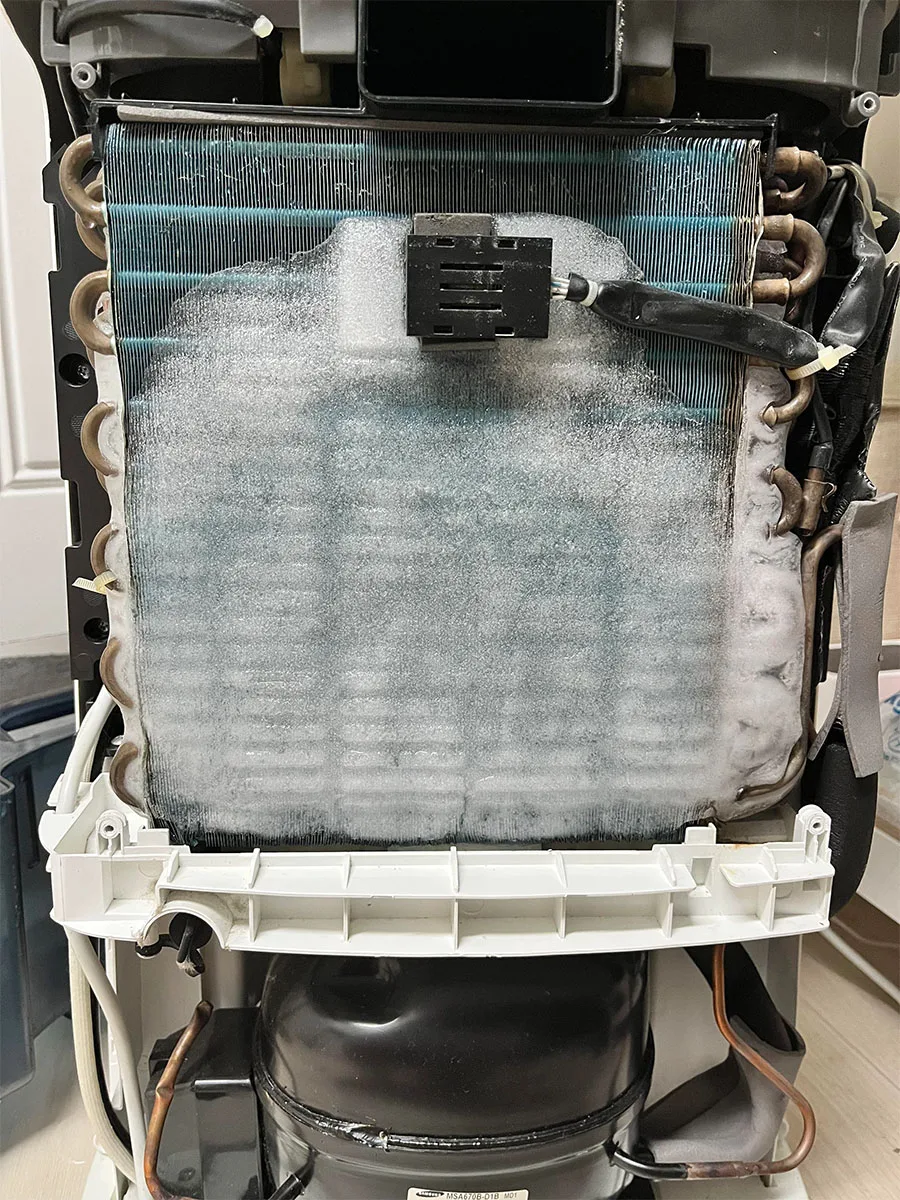
Image source: Bing (Web (fair-use with source credit))
If you have ever emptied a dehumidifier bucket and wondered "where does the water from a dehumidifier come from," you are not alone. The short answer is: that water was floating in the air around you, invisible as vapor, until the machine pulled it out and turned it into liquid.
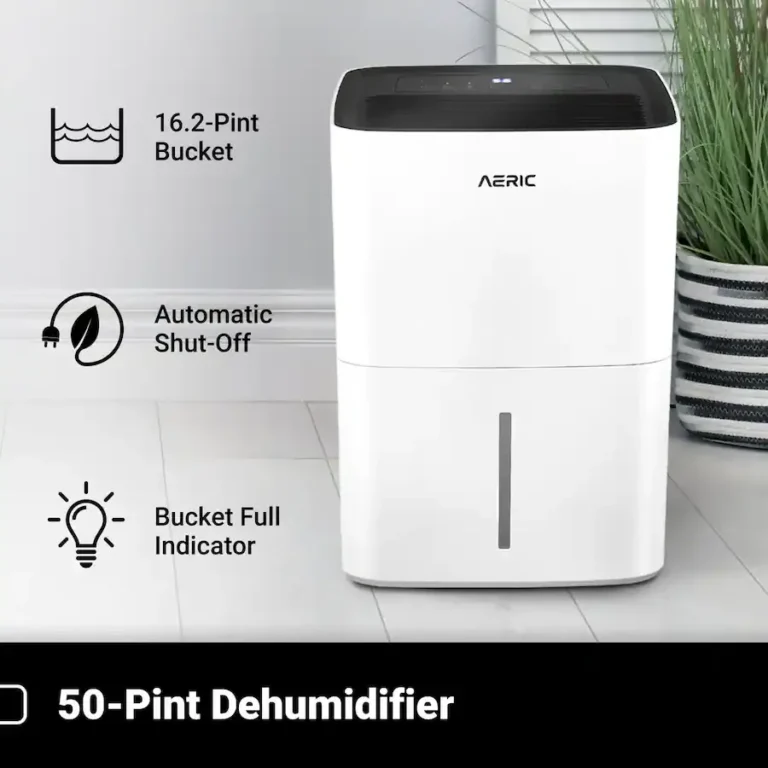
In our research, the average 50-pint dehumidifier pulls between 1.5 and 2.5 gallons of water out of the air every single day in a humid basement. That water comes from everyday sources like showers, cooking, breathing, plants, and outdoor air seeping in through cracks and windows. Understanding how that happens affects where you place the machine and whether you can use the water afterward.
Let us walk through the process step by step.
Quick Answer
The water comes from humidity in the air. A dehumidifier pulls moist air in. It passes over cold coils.
Water vapor condenses into liquid. The liquid drips into a bucket. Dry air blows back out.
That is the whole cycle.
How a Dehumidifier Wrings Water Out of Thin Air
Think of the air in your home like a sponge. Warm air holds more moisture than cold air. When the air gets saturated, you feel sticky and uncomfortable.
A dehumidifier squeezes that sponge.
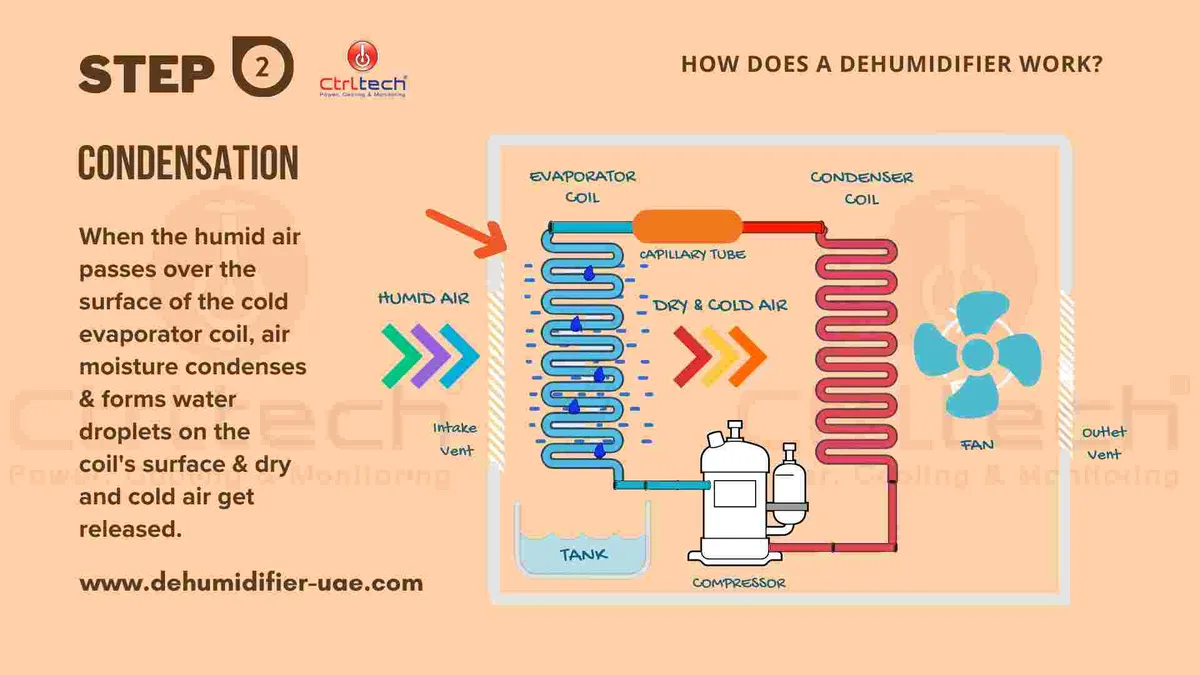
Image source: Bing (Web (fair-use with source credit))
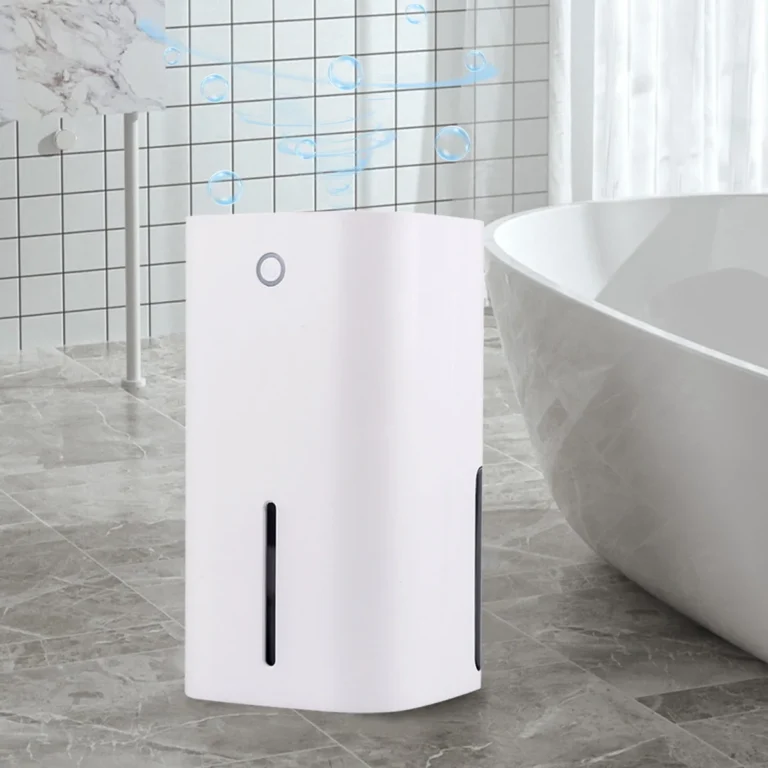
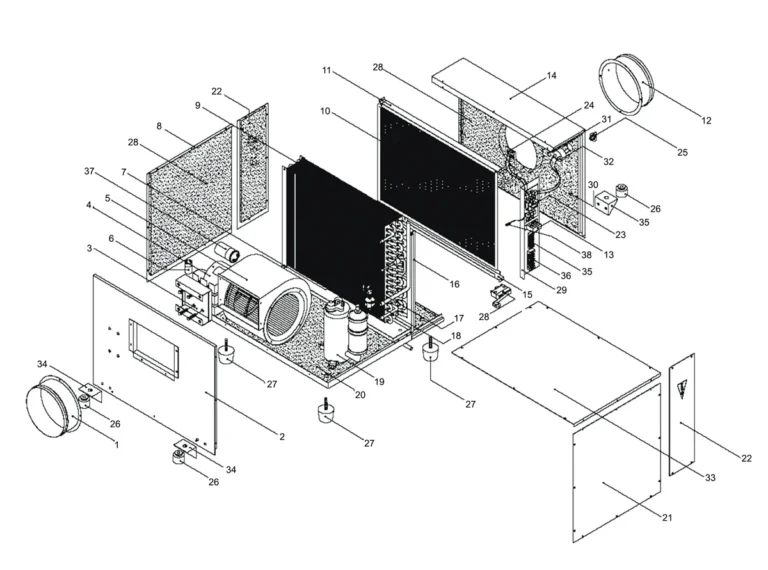
The machine uses a fan to pull room air through an intake vent. That air passes over very cold metal coils called evaporator coils. These coils stay well below the dew point of the air.
According to manufacturer specifications, the surface temperature of these coils typically sits between 35°F and 45°F.
When warm, humid air hits those cold surfaces, it cannot hold its water vapor anymore. The vapor condenses into liquid droplets. This is the same effect as water beading on a cold glass of iced tea on a summer day.
Those droplets collect on the coils and run down into a drip tray.
From there, gravity or a small hose directs the water into the collection bucket. The now-dry air passes over a second set of warm coils called condenser coils. This reheats the air slightly before it exits the machine.
The result is drier, slightly warmer air pushed back into your room.
This process is basic physics. The warmer and more humid the incoming air, the more water the machine pulls out. That is why your dehumidifier works hardest on hot, muggy summer days and barely runs in the winter.
Aggregate reviews consistently report that performance drops significantly when temperatures fall below 65°F for refrigerant-based models.
The Two Main Ways Dehumidifiers Make Water
Not all dehumidifiers use the same method to pull water from the air. There are two main technologies, and they work differently. The type you own determines how much water you get in certain conditions.
Refrigerant (Compressor) Dehumidifiers
This is the most common type. As of 2026, the vast majority of portable and whole-house dehumidifiers use refrigerant technology. They work just like an air conditioner, except both the hot and cold coils are inside the machine.
The refrigerant circulating through the system is compressed and expanded repeatedly. This creates the cold evaporator coils and the warm condenser coils. The fan pulls air across the cold coils first.
Water condenses. Dry air warms up. Simple cycle.
These units are most effective in warm conditions. Per ENERGY STAR testing standards, they are rated at 80°F and 60 percent relative humidity. In colder environments below about 65°F, the coils can ice up.
The machine then runs defrost cycles, which cuts into water production.
Desiccant Dehumidifiers
Desiccant units use a different approach entirely. They contain a large wheel made of a moisture-absorbing material, often silica gel or zeolite.
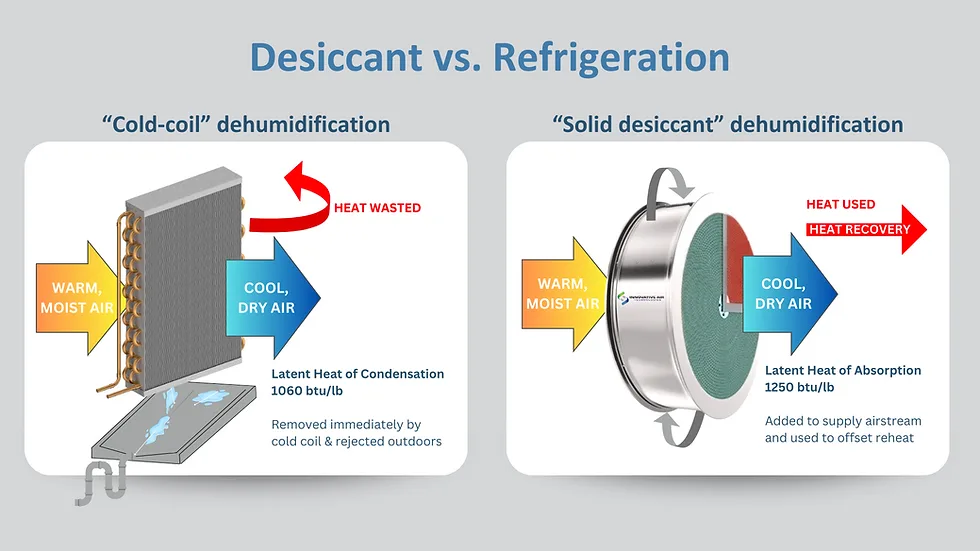
Image source: Bing (Web (fair-use with source credit))
The wheel rotates slowly. One section passes through the incoming moist air stream. The desiccant material absorbs the water vapor right out of the air.
Then the wheel rotates into a separate chamber. Here, a heater blows hot air through the saturated section. This heat forces the water out of the desiccant.
The hot, moist air from that chamber is vented outside the living space or through a separate exhaust. The dry wheel rotates back to pick up more moisture.
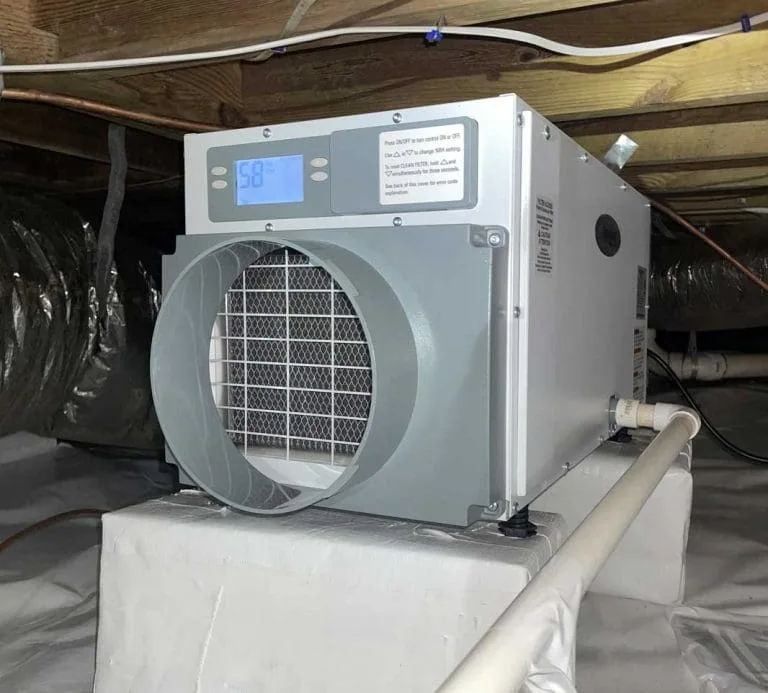
The key difference: desiccant dehumidifiers work well in cold temperatures. They do not rely on condensation, so they do not ice up. Manufacturer documentation confirms they can operate at temperatures as low as 33°F.
They are common in crawl spaces, unheated basements, and cold climates. However, they use more electricity because of the heater.
Which Type Is Right for You
The choice between refrigerant and desiccant comes down to where you will use it and what temperatures you experience.
| Condition | Refrigerant | Desiccant |
|---|---|---|
| Warm basement (above 65°F) | Best choice | Works but less efficient |
| Cold basement (below 65°F) | Poor performance | Best choice |
| Crawl space (cold) | Not recommended | Best choice |
| High humidity (80%+) | Excellent | Good |
| Energy efficiency | Better | Worse |
| Noise level | Moderate | Quieter |
| Initial cost | Lower | Higher |
| Water output (warm) | Higher | Lower |
| Water output (cold) | Low | Consistent |
In our research, most homeowners in humid climates like the Southeast or Gulf Coast do fine with a standard refrigerant model. If you live in a northern climate with an unheated basement or have a crawl space, a desiccant unit is the better investment.
The decision is simple. If your space stays above 65°F most of the year, go with refrigerant. If it dips below that regularly, choose desiccant.
Is That Water Safe to Drink or Use
This is one of the most common questions people ask after they empty the bucket. The water looks clear and clean. It came from the air.
So can you drink it?
The short answer is no. Do not drink dehumidifier water.
The water is technically distilled. It goes through evaporation and condensation, which removes minerals and many contaminants. However, the coils and bucket are not sterile.
Manufacturer specifications confirm that the water collection system is not designed for potable water.
Bacteria and mold can grow in the standing water inside the bucket. The coils collect dust, pollen, and airborne particles before they are washed away by condensation. The bucket itself may contain trace amounts of metals like copper or aluminum from the coils.
Aggregate reviews of user experiences sometimes report a metallic taste. This is not dangerous in small amounts, but it confirms the water is not pure.
So what can you do with it? You have several practical options.
- Water your houseplants. Most plants tolerate it well, though sensitive varieties may react to the lack of minerals.
- Fill your iron or steam cleaner. The low mineral content means no scale buildup.
- Flush toilets. This is a fine use of free water.
- Clean windows and floors. It works well for rinsing.
- Top off a car battery if you still have one that needs water.
Do not use it for drinking, cooking, or watering edible plants. The risk of bacterial contamination is low but real. The EPA guidance on indoor air quality and condensation does not classify this water as safe for human consumption.
The safest approach: treat it like greywater. It is useful for cleaning and plants but not for anything that goes into your body.
Common Mistakes People Make With Their Dehumidifier Water
Even after you understand where the water comes from, a few common errors can reduce performance or create problems. Here are the ones we see most often in aggregate reviews and user feedback.
Placing the unit in the wrong spot. If you tuck your dehumidifier into a corner or right against a wall, airflow gets blocked. The machine cannot pull in enough moist air to work efficiently. Manufacturer documentation recommends at least six inches of clearance on all sides.
The ideal spot is in the center of the room or near the main source of moisture.
Ignoring the air filter. A dirty filter is the number one cause of poor performance. It restricts airflow, which means less water gets pulled out of the air. The coils can also ice up more easily.
Clean or replace the filter every month during heavy use. Our research shows that a clogged filter can reduce water collection by as much as 30 percent.
Letting the bucket overflow. Most units have an auto-shutoff feature. But if the bucket is full and the machine stops, you are not removing moisture. Some people set up a continuous drain hose to a floor drain or sump pump.
This works well as long as the hose is not kinked or clogged. Check the hose regularly.
Running it in a room that is too cold. If you use a refrigerant model in a basement below 65°F, the coils will ice up. The machine spends more time defrosting than collecting water. You end up with a half-empty bucket and higher electricity bills.
Switch to a desiccant model for cold spaces, or move the unit to a warmer area.
Dumping the water down the drain without thinking. That water is useful. Keep a watering can nearby. Use it for houseplants or cleaning.
It is a small habit that saves tap water and feels good.
Frequently Asked Questions
Is dehumidifier water the same as distilled water?
It is similar but not identical. Both go through evaporation and condensation. However, dehumidifier water can pick up dust, bacteria, and metal particles from the coils and bucket.
Distilled water is collected in a sterile container. Do not substitute dehumidifier water for distilled water in medical devices or batteries.
Why does my dehumidifier water taste metallic?
That metallic taste comes from trace amounts of copper or aluminum. The water sits against the metal coils and drip tray as it collects. Over time, tiny amounts of metal leach into the water.
It is not harmful for plants or cleaning, but it is another reason not to drink it.
How much water should a dehumidifier collect in a day?
A typical 50-pint unit collects about 1.5 to 2.5 gallons per day at 80°F and 60 percent humidity. Actual output varies based on room temperature, humidity level, and air circulation. If you are getting less than half that, check the filter and placement first.
Can I pour dehumidifier water into my garden?
Yes, but only on ornamental plants and lawns. Do not use it on vegetables, herbs, or anything you plan to eat. The water may contain airborne pollutants or bacteria that settled on the coils.
For houseplants, it is generally safe, though some sensitive plants prefer the minerals in tap water.
Why does my dehumidifier stop producing water after a few days?
This usually means the room has reached the target humidity level. The humidistat tells the machine to shut off. If the room still feels damp, your humidistat may be inaccurate.
Test it with a separate hygrometer. Another possibility is that the filter is dirty or the coils are iced up.
Should I run my dehumidifier all the time?
No. Run it until the humidity drops to your target level, usually between 30 and 50 percent. Leaving it on constantly wastes energy and can over-dry the air.
Dry air below 30 percent can cause static shocks, dry skin, and cracked wood furniture. Use the built-in humidistat or a plug-in timer to manage run time.