Should a Crawl Space Dehumidifier Run Continuously
You've probably heard that a crawl space dehumidifier should run continuously to keep moisture at bay. But the real answer is more nuanced than a simple yes or no. It depends on your specific crawl space conditions, your climate, and the type of dehumidifier you own.
Getting it wrong can cost you in energy bills or, worse, lead to mold and structural damage.
As of 2026, the EPA recommends keeping crawl space relative humidity below 60 percent to prevent mold and wood rot. That's a clear target. But whether your dehumidifier needs to run 24/7 to hit that target depends on several factors.
Let's walk through those so you can decide what's right for your home.
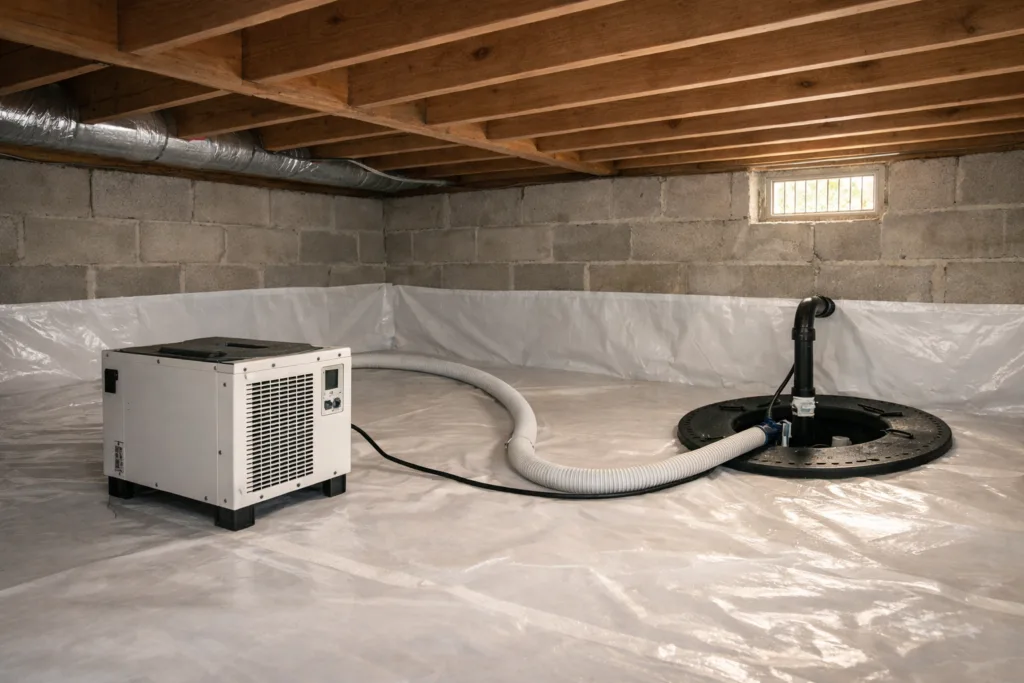
Image source: Bing (Web (fair-use with source credit))
Quick Answer
No, a crawl space dehumidifier should not run continuously in most cases. Run it only when humidity exceeds 60 percent. Continuous operation wastes energy and wears out the unit.
Set the humidistat to 55 percent for automatic cycling. Adjust settings seasonally for best results.
Why You Keep Asking This Question (and Why the Answer Isn't Simple)
It's a fair question. You see a puddle on the crawl space floor and think, "I need to run this thing all the time." But moisture isn't static. It changes with the seasons, with rain, and with your home's construction.
The answer depends on several interconnected factors. Each one can shift the decision from "yes, run continuously" to "no, let it cycle."
Here are the main variables that affect the answer:
- Vented vs. sealed crawl space: A vented space lets in humid outdoor air. A sealed space traps ground moisture. They behave completely differently.
- Your local climate: Humid summers in the Southeast are nothing like dry winters in the Rockies. The same settings won't work everywhere.
- Vapor barrier quality: A bare dirt floor releases massive amounts of moisture. A 6-mil or thicker vapor barrier blocks most of that.
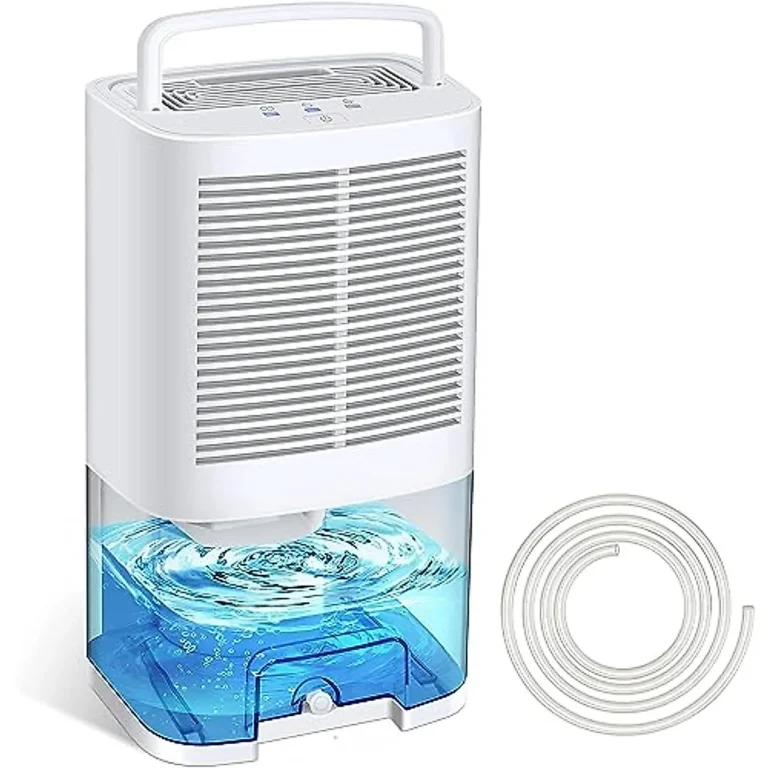
- Dehumidifier size and capacity: An undersized unit runs constantly without ever hitting the target. An oversized unit short-cycles and wastes energy.
- Condensate drainage setup: If you're using a bucket, you'll want the unit to cycle on and off to give you time to empty it. A continuous drain line removes that limitation.
The confusion comes from thinking there's a single right answer. There isn't. Per the EPA's mold guidance, the goal is to keep humidity below 60 percent, not to run the dehumidifier 24/7.
The right approach changes with your specific situation.
Vented vs. Sealed Crawl Spaces: The Single Biggest Factor
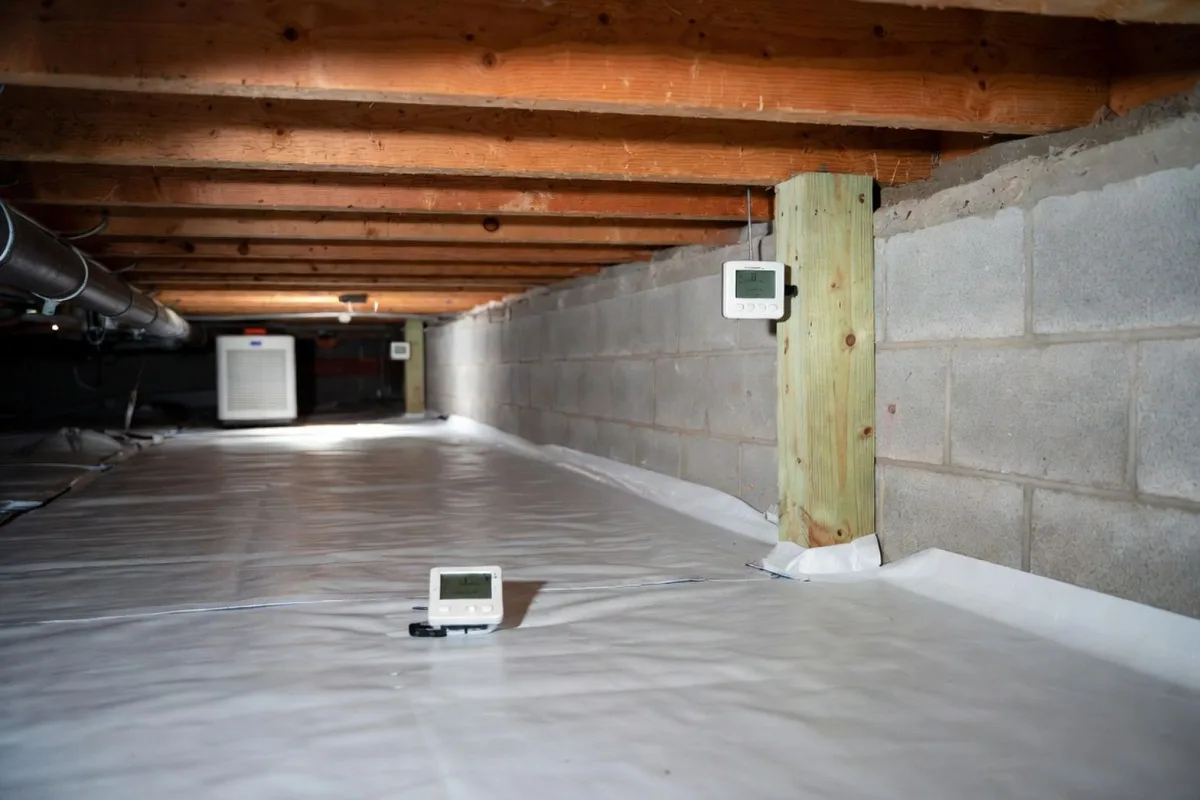
Image source: Bing (Web (fair-use with source credit))
This is the most important distinction you need to make. Your crawl space is either vented or sealed, and that changes everything about how your dehumidifier should run.
Here's a quick comparison:
| Feature | Vented Crawl Space | Sealed Crawl Space |
|---|---|---|
| Air exchange | Open to outdoors via foundation vents | Closed off with a vapor barrier and sealed vents |
| Main humidity source | Outside air plus ground moisture | Mostly ground moisture from the soil |
| Dehumidifier effectiveness | Less efficient; outdoor air constantly brings in new moisture | More efficient; once you dry the air, it stays dry longer |
| Typical continuous run need | Usually not needed unless climate is very humid | More likely to need continuous run, especially after rain |
If your crawl space is vented, you're essentially trying to dehumidify the outdoors. That's a losing battle in many climates. The humid outdoor air flows in through the vents, and your dehumidifier works hard to keep up.
In this setup, running continuously is rarely the answer. Instead, consider sealing the vents and installing a vapor barrier first.
If your crawl space is sealed, the situation is different. You've created a contained environment. The only moisture source is the ground.
With a good vapor barrier, the dehumidifier can actually catch up and maintain a stable humidity level. In a sealed space, continuous run might be necessary during humid seasons, but you still want to let the humidistat control the cycle.
The most common mistake we see is homeowners running a dehumidifier in a vented crawl space without a vapor barrier. It's like trying to dry out a bucket with a hole in the bottom. The right approach is to seal the space first, then size the unit correctly for your space.
The Decision Guide: Based on Your Crawl Space Type and Humidity
Now let's put this into a practical decision tree. Follow these steps based on your specific situation.
Step 1: Check your crawl space type.
- If it's vented: Your first priority should be sealing the vents and installing a vapor barrier. Until then, run the dehumidifier on a humidistat set to 55 percent, not continuously. Continuous operation here is a waste of energy.
- If it's sealed: Move to step 2.
Step 2: Measure your current humidity level.
Use a hygrometer to check the relative humidity. Wait a few hours after a rain to get a realistic reading.
- If humidity is above 70 percent: Run the dehumidifier continuously until it drops below 60 percent. This might take 24 to 48 hours. After that, switch to humidistat control.
- If humidity is between 60 and 70 percent: Set the humidistat to 55 percent. The unit will cycle on and off as needed. This is the most efficient approach.
- If humidity is below 50 percent: Turn off the dehumidifier entirely. You're over-drying your crawl space, which can cause wood to shrink and crack.
Step 3: Adjust for seasonal changes.
Humidity isn't constant. In summer, you might need continuous run. In winter, the unit might not run at all.
Don't set it and forget it. Check the humidity every month and adjust accordingly.
Step 4: Consider your dehumidifier's capacity.
If you have a sealed crawl space and still see humidity above 60 percent even with continuous run, your unit might be undersized. You might need a larger, heavier-duty unit to handle the moisture load.
Your Setup Checklist: From Dirt Floor to Encapsulated Space
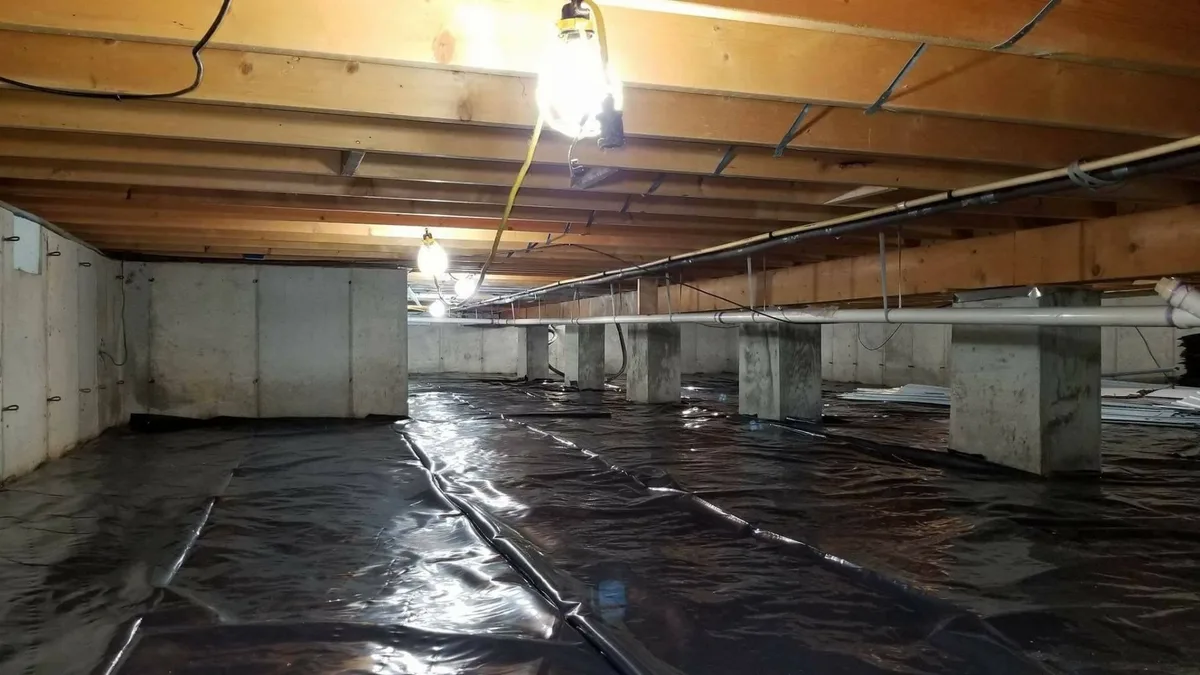
Image source: Bing (Web (fair-use with source credit))
Before you decide on continuous run, make sure your crawl space is set up correctly. This checklist covers the essentials.
1. Inspect for standing water and leaks.
Water pooling on the ground is a sign of a drainage problem. Fix that before you worry about the dehumidifier. Check for plumbing leaks, foundation cracks, or poor grading around the house.
2. Install a vapor barrier on the dirt floor.
A bare dirt floor releases moisture into the air constantly. A 6-mil or thicker polyethylene vapor barrier blocks that moisture. Overlap the seams by 12 inches and tape them.
Extend the barrier up the walls by 6 to 12 inches and seal it to the foundation.
3. Seal foundation vents if you're going sealed.
Close all vents and seal them with foam board or spray foam. This turns your vented crawl space into a sealed one. This is a critical step if you want the dehumidifier to work efficiently.
4. Place the dehumidifier on a level surface.
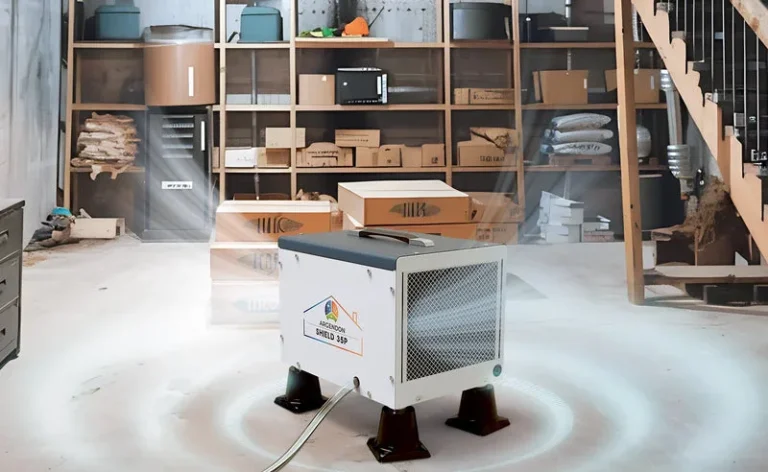
Put it on a concrete block or a stand so it's off the dirt floor. This prevents the unit from getting wet if water pools. Make sure the air intake and exhaust aren't blocked.
5. Connect a condensate pump or gravity drain.
If you have a floor drain or a sump pit nearby, use a gravity drain hose. If not, install a condensate pump that can push water up and out of the crawl space. This lets you run the dehumidifier continuously without emptying a bucket.
6. Set the humidistat to 55 percent.
This is the sweet spot for most crawl spaces. It keeps humidity low enough to prevent mold but not so low that it damages wood. Let the unit cycle on and off automatically.
7. Monitor humidity for the first week.
Check the hygrometer daily. If the humidity stays above 60 percent, you may need to run continuously for a few days. If it drops quickly, the humidistat control is working fine.
8. Schedule regular filter cleaning.
Clean the filter every one to three months. A dirty filter reduces airflow and makes the unit work harder. This is especially important if you run the dehumidifier continuously.
Three Mistakes That Will Cost You (and How to Avoid Them)
You've got the right setup now. Let's talk about the common ways people undo that work.
Mistake 1: Running an undersized unit continuously.
If your dehumidifier is too small for the crawl space, it will run 24/7 and never catch up. You'll see higher energy bills, and the unit will wear out long before it should. Continuous run isn't the fix here; capacity is.
Check the pints-per-day rating. A typical sealed crawl space needs 30 to 50 pints. A large, humid space might need 70.
If the humidity stays above 60 percent with the unit running nonstop, you need a bigger machine, not more running time.
Mistake 2: Treating the symptom, not the source.
A dehumidifier can't fix standing water or a bare dirt floor. Running it continuously in a space with drainage problems is like boiling water with a leaky pot. You'll never get ahead.
Fix the moisture source first. Install a 6-mil vapor barrier. Seal foundation vents.
Make sure gutters and grading direct water away from the foundation. Our research shows that without these steps, even premium units will struggle to hold the line.
Mistake 3: Forgetting to adjust for the seasons.
Many people set the dehumidifier in July and forget about it until December. In winter, continuous operation can over-dry the space and push humidity below 30 percent. That shrinks wood framing, pops fasteners, and cracks floorboards.
As of 2026, many year-round dehumidifiers come with built-in humidistats and temperature sensors. Use them. Let the unit cycle based on actual conditions, not on a fixed schedule.
Each of these mistakes shares a common root cause: treating the dehumidifier as a set-and-forget appliance. It's not. It's a tool that works best when you understand the environment around it.
Check the settings monthly, especially when the seasons change.
Frequently Asked Questions About Continuous Dehumidifier Operation
Will running my dehumidifier 24/7 damage the unit?
Yes, eventually. Continuous operation wears the compressor and fan faster than cycling. Most standard and budget dehumidifiers aren't rated for 24/7 use over months.
The coils can also ice over in cooler temperatures. Run the unit only when the humidistat calls for it.
What humidity setting should I use for my crawl space?
Set your dehumidifier to 55 percent relative humidity. That's the sweet spot for preventing mold while protecting wood framing. The EPA recommends keeping crawl space humidity below 60 percent.
Anything above that risks mold growth, and anything below 30 percent can cause wood to crack.
Can a dehumidifier replace a vapor barrier?
No. A dehumidifier removes moisture from the air, but a vapor barrier stops moisture from entering. You need both.
Without a 6-mil or thicker barrier on the dirt floor, your dehumidifier will run constantly and still struggle. Think of the barrier as the first line of defense.
Should I run a dehumidifier in my crawl space during winter?
Probably not. Most crawl space dehumidifiers have a low-temperature cutoff around 50°F. Below that, the coils freeze and the unit stops working.
In winter, your crawl space is usually drier anyway. Turn the unit off and check the humidity again in spring.
How much does it cost to run a crawl space dehumidifier continuously?
It depends on your unit's wattage and your electricity rate. A typical 50-pint dehumidifier draws about 600 watts. Running it 24/7 at $0.15/kWh costs roughly $65 per month.
That's a big reason to let the humidistat cycle the unit.