Do I Need a Hygrometer for Plants
If you have been wondering "do I need a hygrometer for plants," you are not alone. It is one of those questions that sounds simple but gets complicated fast. The short answer is maybe, and it depends entirely on what you grow and where you live.
Most tropical houseplants prefer a relative humidity level between 60 and 80 percent. As of 2026, the average heated home in winter sits around 30 to 40 percent RH. That gap is where the confusion starts, and also where a hygrometer can actually help you make better decisions.
Quick Answer
You need a hygrometer for plants only if you grow tropical varieties. It helps you know when to raise humidity. For hardy plants, your eyes are enough.
The tool's value depends on your home and your plant collection.
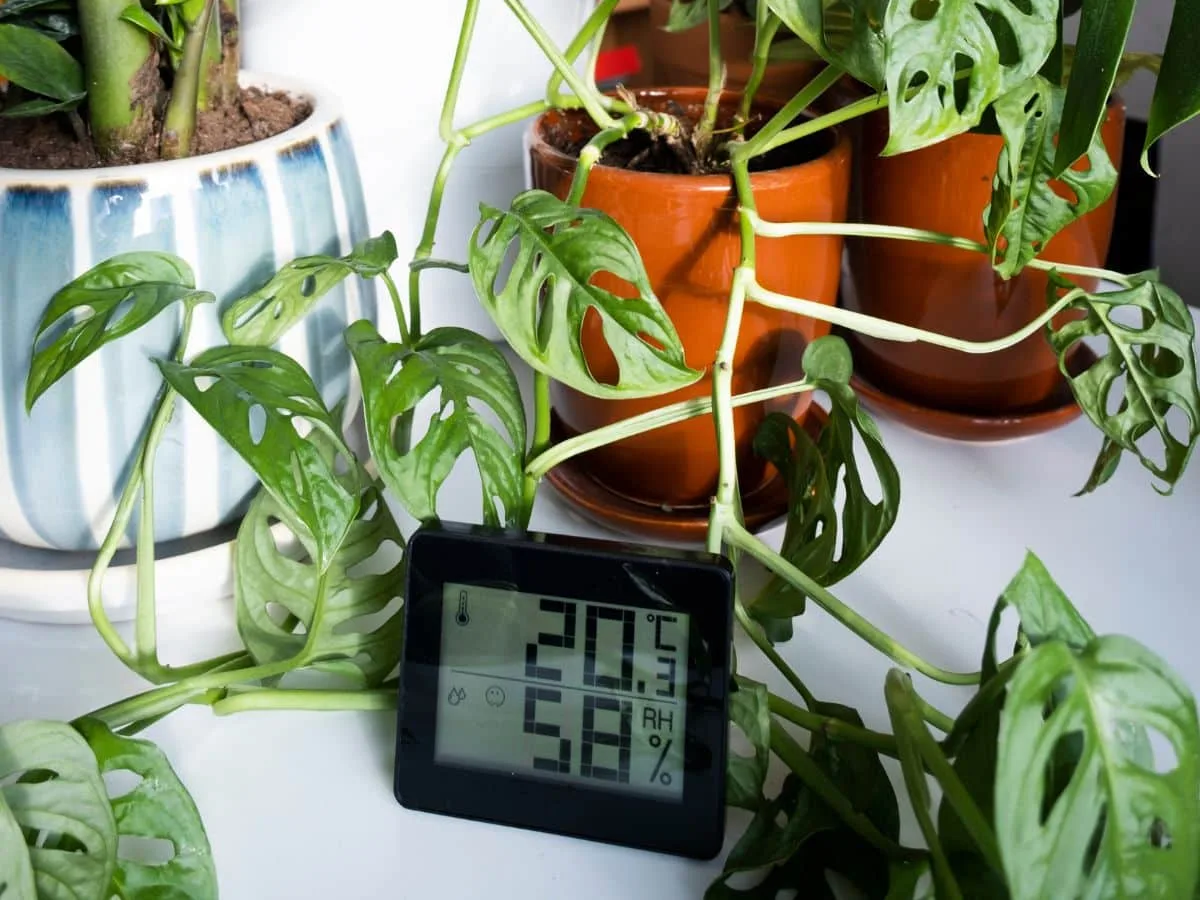
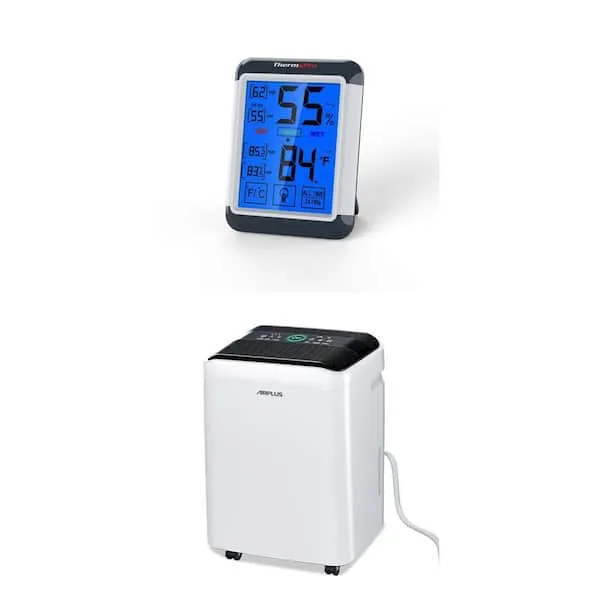
Image source: Bing (Web (fair-use with source credit))
Why Your Plants Might Be Begging for a Hygrometer (or Not)
Signs of low humidity look a lot like other problems. You see crispy leaf tips, brown edges, or leaves that curl inward. Your first instinct might be to water more.
That is often the wrong move.
When air is dry, plants lose water through their leaves faster than their roots can pull it up. The leaf edges dry out first. The plant looks thirsty even when the soil is damp.
Overwatering makes it worse.
Our research shows that most people mistake low humidity for underwatering. They add more water, the roots suffocate, and the plant declines faster. A hygrometer removes that guesswork.
It tells you whether the air is the problem or the soil is.
But not every plant needs this level of monitoring. Snake plants, ZZ plants, pothos, and succulents handle dry air just fine. They evolved in arid environments.
Crispy tips on a snake plant are usually from something else, like fluoride in tap water or inconsistent watering.
Tropical plants are the ones that suffer. Calatheas, ferns, alocasias, and most orchids come from humid understories. They need consistent moisture in the air.
If you grow these, low humidity is a real threat.
A hygrometer tells you what is wrong. More importantly, it tells you whether fixing the air is the right move.
What a Hygrometer Actually Tells You (and What It Doesn't)
A hygrometer measures the amount of water vapor in the air. It gives you a single number, relative humidity, expressed as a percentage. That number tells you how saturated the air is compared to its maximum capacity at the current temperature.
Warm air holds more water than cold air. That is why your home feels dry in winter. The furnace heats the air, but the absolute moisture level stays the same.
The relative humidity drops. A hygrometer catches that shift.
Here is what it does not tell you.
- Soil moisture. A hygrometer measures air, not dirt. You still need a moisture meter or your finger for that.
- Temperature. Some models include a thermometer. Many do not. If you want both, buy a thermo-hygrometer.
- Light levels. A hygrometer cannot tell you if your plant is getting enough sun.
- Airflow. Stagnant humid air can cause mold even at safe RH levels. The hygrometer only sees the number, not the movement.
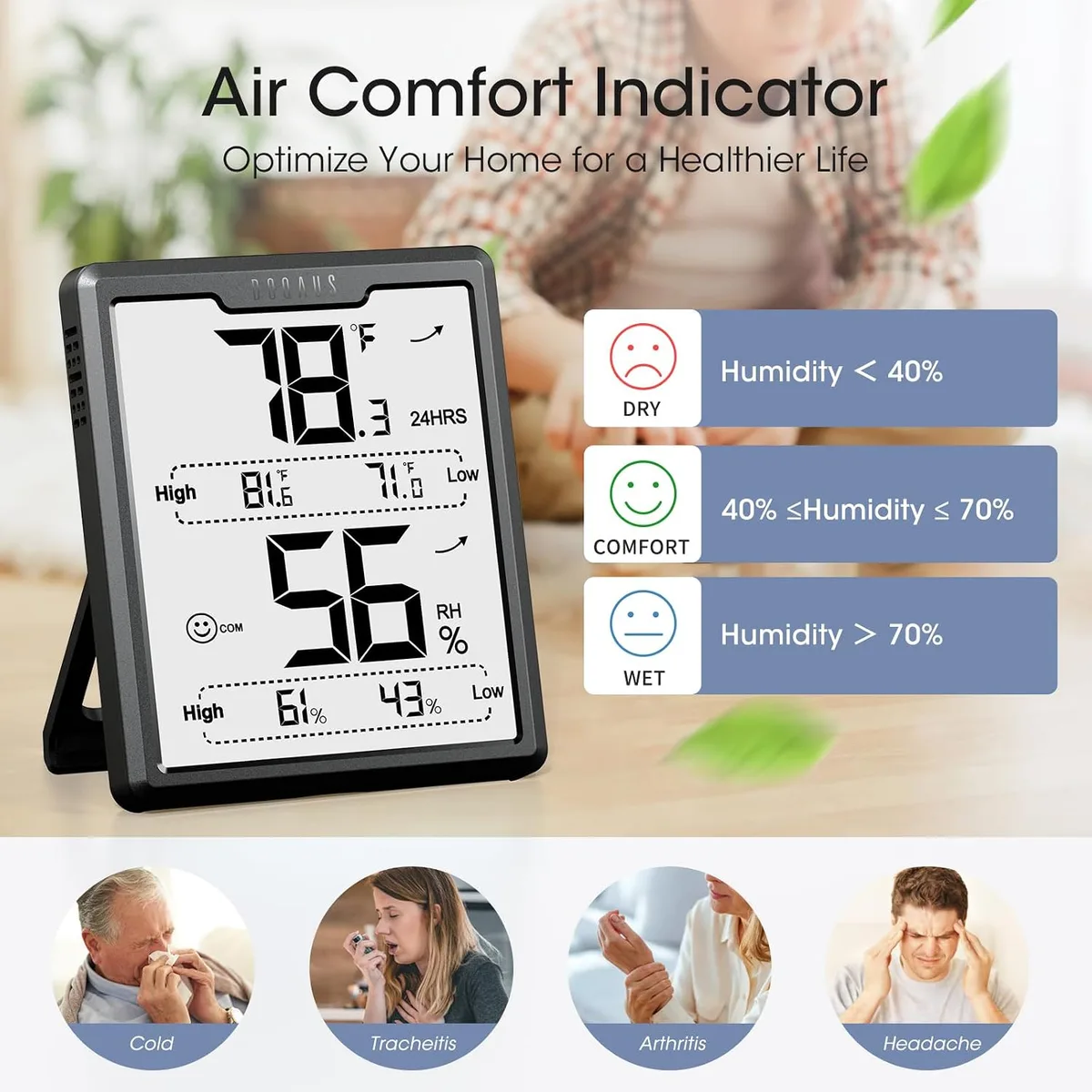
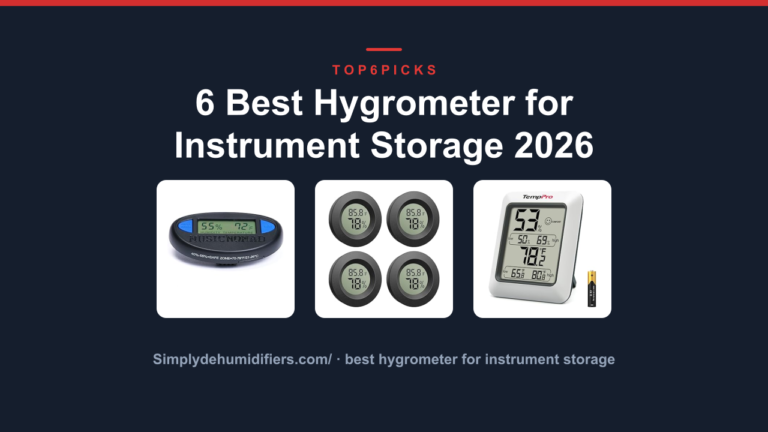
Image source: Bing (Web (fair-use with source credit))
Manufacturer specifications indicate that most digital hygrometers are accurate within ±2 to 3 percent. Analog models are less reliable. They drift over time and need periodic calibration.
The real value of a hygrometer is not the number itself. It is the trend. You see that your humidity drops to 35 percent every night when the heat kicks on.
You see that adding a humidifier brings it to 55 percent. You see that grouping plants together raises the local RH by five points.
The Decision Tree: Do You Actually Need One?
Here is the practical framework. Run through these four branches and find yourself.
Branch 1: You Grow Tropical Plants
Get a hygrometer. Calatheas, ferns, and alocasias need consistent humidity above 50 percent, ideally 60 to 80 percent. You cannot guess that accurately.
Without a hygrometer, you will either overcorrect with a humidifier or undercorrect and watch the leaves crisp.
A digital hygrometer costs around 10 to 15 dollars. It pays for itself in saved plants. Place it near the plant canopy.
Wait 15 minutes for a stable reading. If it reads below 50 percent, you need a humidifier or a humidity tray.
Branch 2: Your Home Is Dry in Winter or Air-Conditioned in Summer
Get a hygrometer. Heated winter air and air-conditioned summer air both remove moisture. You might not notice the drop, but your plants will.
A hygrometer confirms whether the dry air is bad enough to act on.
Per university extension service research, indoor RH below 30 percent stresses most tropical plants. If your hygrometer reads in the 20s, your plants are fighting just to breathe. A humidifier becomes a necessity, not a luxury.
Branch 3: You Are a Cactus or Succulent Grower
Skip the hygrometer. These plants thrive in dry air. They evolved in deserts where RH sits at 20 to 30 percent.
A hygrometer would only tell you what you already know. Spend your money on better soil mix or grow lights instead.
Branch 4: You Are a Greenhouse or Grow Tent Grower
Get a hygrometer and consider a hygrostat. In an enclosed space, humidity swings fast. One sunny afternoon can push RH from 50 to 90 percent.
That invites mold and powdery mildew. A hygrometer with max-min memory lets you see the range. A hygrostat automates exhaust fans or humidifiers.
| Branch | Need Hygrometer? | Key RH Range | Main Risk |
|---|---|---|---|
| Tropical plants | Yes | 50-80% | Crispy leaves |
| Winter/AC home | Yes | 30-50% | Stress, slow growth |
| Cactus/succulent | No | 20-40% | Overwatering confusion |
| Greenhouse/grow tent | Yes | 40-70% | Mold, mildew |
Mistakes to Avoid When Chasing Humidity
Placing it in the wrong spot. A hygrometer next to a humidifier reads 80 percent. The plant three feet away experiences 45 percent. Place the sensor at the same height as the plant canopy and away from direct mist or drafts.
Buying an analog hygrometer and never calibrating it. Analog models drift. A salt test is simple. Wrap the sensor in a cloth dampened with salt water, seal it in a bag for 8 hours, then adjust the dial to read 75 percent.
Skip this step and your readings are guesses.
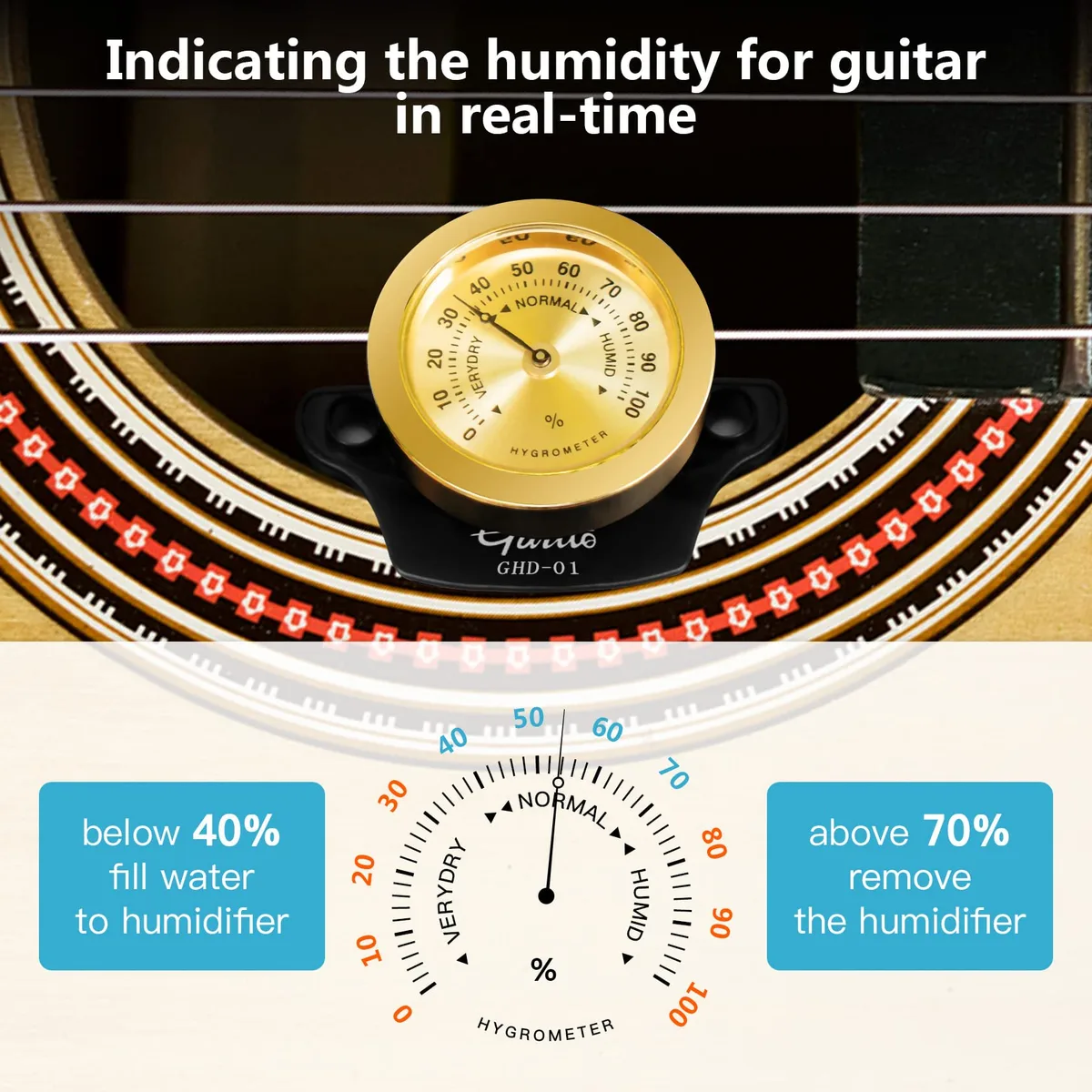
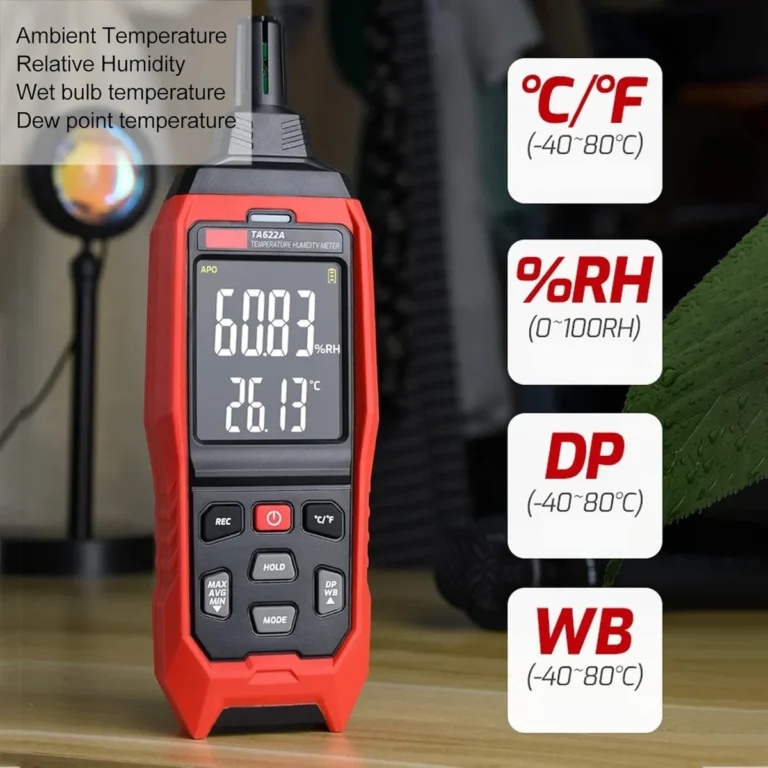
Image source: Bing (Web (fair-use with source credit))
Over-humidifying. More is not better. RH above 70 percent for extended periods encourages mold, fungus gnats, and bacterial leaf spots. Your plants need air movement as much as they need moisture.
A hygrometer helps you find the sweet spot, not the ceiling.
Misting instead of measuring. Misting raises humidity for about 15 minutes. It does not change the room's average RH. People mist because it feels productive.
A hygrometer reveals that it is mostly theater. A humidifier or a pebble tray does the real work.
Ignoring seasonal changes. Your home's RH in summer might be 60 percent. In winter, it drops to 30 percent. Many people set up their humidifier in January and never adjust.
Your hygrometer shows the shift. Use it.
How to Get the Most Out of a Hygrometer (If You Get One)
Place it at canopy level. Humidity changes with height. The air near the floor is different from the air near your plant's leaves. Put the sensor at the same height as the foliage.
That is the air your plant actually breathes.
Keep it away from walls and windows. Walls are cooler or warmer than room air. Windows leak drafts. Both distort the reading.
Place the hygrometer at least a foot away from any surface.
Wait for a stable reading. Sensors need time to adjust. If you move the hygrometer from a dry room to a humid one, give it 15 to 30 minutes. Checking it immediately gives you a false number.
Track the trend, not the moment. A single reading of 45 percent is not very useful. Knowing that it stays between 40 and 50 percent over a week is useful. Many digital hygrometers store max and min values.
Use that feature.
Calibrate analog models yearly. Use the salt test described above. Skip this and your analog hygrometer drifts.
Use multiple sensors if you have multiple rooms. Your kitchen is more humid than your bedroom. A plant in a north-facing bathroom might be fine while the same plant in a south-facing living room struggles.
Frequently Asked Questions
Can I use a weather app instead of a hygrometer?
Weather apps give outdoor humidity for your area. Your indoor humidity is completely different. Heating, cooling, and cooking all change the indoor air.
The app cannot tell you what your plant's room actually feels like.
What is the ideal humidity for most houseplants?
Common houseplants like pothos, philodendrons, and monsteras do well at 40 to 60 percent. Tropical plants like calatheas, ferns, and alocasias need 60 to 80 percent. Succulents and cacti prefer 20 to 40 percent.
Know your plant's origin.
Does grouping plants together raise humidity?
Yes, but only slightly. A cluster of plants creates a microclimate. The local RH can rise by 5 to 10 percent compared to the rest of the room.
It helps, but it is not a replacement for a humidifier if your room is very dry.
How often should I check my hygrometer?
Check it weekly during stable seasons. Check it daily when you run the heater or air conditioner. The goal is to catch swings before they stress your plants.
Can a hygrometer help with mold prevention?
Yes. If your hygrometer consistently reads above 70 percent, you have a mold risk. Increase ventilation or run a dehumidifier.
Keeping RH between 40 and 60 percent is safe for both plants and your home.
What is the difference between a hygrometer and a soil moisture meter?
A hygrometer measures air humidity. A soil moisture meter measures how wet the dirt is. They are not interchangeable.
You need both if you want full control over your plant's environment.
The Final Verdict: Get One or Skip It?
If you grow tropical plants, own a greenhouse, or live in a climate with extreme seasonal humidity swings, get a hygrometer. It costs 10 to 15 dollars and removes guesswork. That is cheap insurance for your plant collection.
If you grow only succulents, cacti, or hardy plants like snake plants and ZZ plants, skip it. Your eyes are enough. You can tell when something is wrong by looking at the leaves.
The in-between crowd is people who have a mix of plants. Get a hygrometer. It helps you decide which plants need extra care and which ones are fine.
You can also use it to find the best spots in your home for different plants. A bathroom with 60 percent RH is a calathea paradise. A dry living room at 30 percent is not.
A hygrometer does not fix anything by itself. It gives you information. What you do with that information is what matters.
If you use it to adjust your humidifier, move your plants, or change your watering routine, it pays for itself in healthier plants and fewer crispy leaves.