What Is the Difference Between a Hygrometer and Thermometer
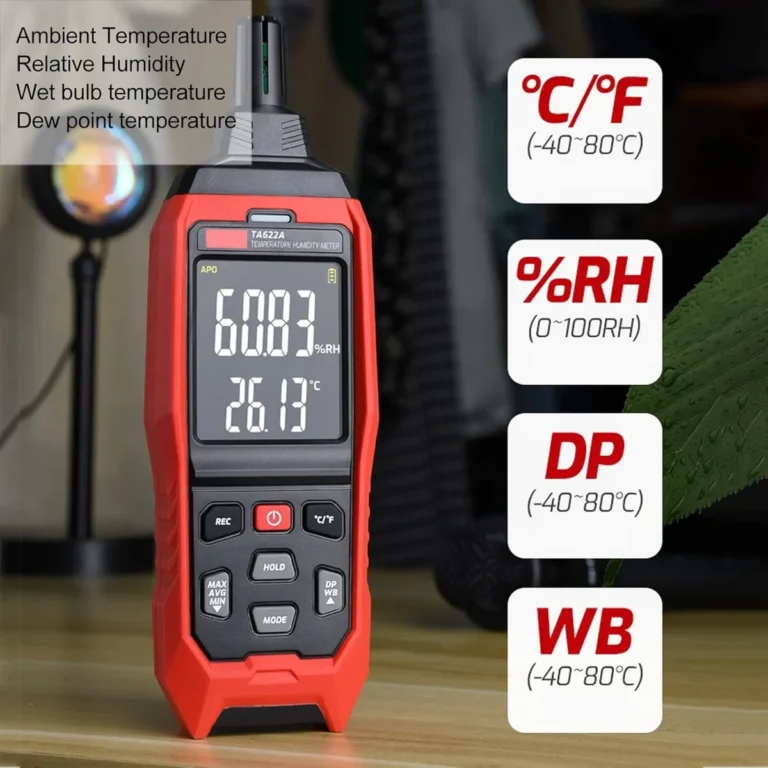
A thermometer and a hygrometer measure completely different things, even though they often share one screen. The direct answer to what is the difference between a hygrometer and thermometer is that a thermometer tracks air temperature, while a hygrometer tracks moisture in the air. That's simple enough.
The practical details are where people get mixed up.
Manufacturer specs and NIST calibration guidance show that a good digital thermometer holds accuracy within about ±1°F, while a decent hygrometer lands at ±3% relative humidity. That precision gap is a clue. Humidity is simply harder to measure.
And that's exactly where most people's confusion starts.
Quick Answer
A hygrometer measures humidity. A thermometer measures temperature. That's the core difference.
They are often paired in one device. But each tracks a separate physical property.
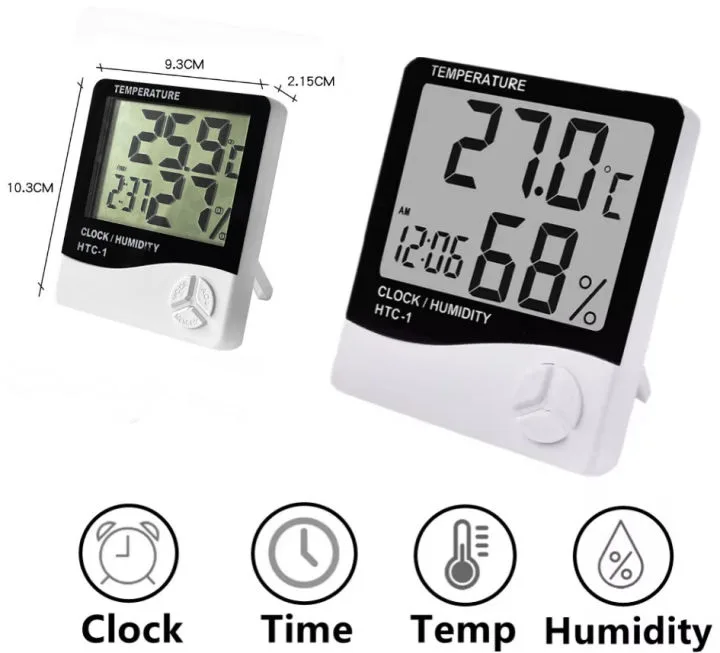
Image source: Bing (Web (fair-use with source credit))
Why the Thermometer vs. Hygrometer Question Actually Matters
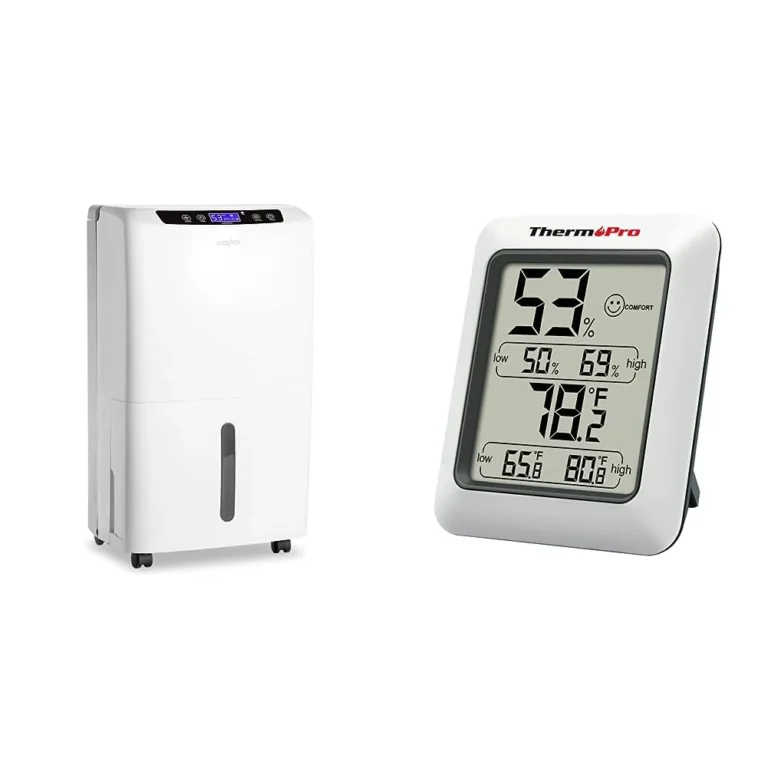
This distinction matters because temperature and humidity directly control your comfort, your home's health, and the lifespan of your belongings.
Picture winter. Your thermostat reads 72°F. It should feel great.
But if indoor relative humidity drops to 15%, your skin dries out, your throat gets scratchy, and your wooden floor starts squeaking. The temperature never changed. The moisture did.
That's the hygrometer's job.
Now think about summer. A humid 80°F day feels miserable, while a dry 80°F day feels pleasant. Your body cools itself through sweat evaporation.
When the air already holds too much water vapor, that cooling stops working. The thermometer reports the same number. Your comfort doesn't care.
There's a safety angle too. Prolonged indoor humidity above 60% creates a genuine mold risk. High moisture plus drywall plus time equals growth.
A thermometer can't warn you about that. A hygrometer can.
As of 2026, combined thermohygrometers cost about the same as a standalone thermometer did a decade ago. So there's little reason not to own both, even if you only thought you needed one.
How Thermometers Work (and What They Really Measure)
Temperature boils down to molecular motion. Air warms up, its molecules move faster and spread apart. A thermometer translates that motion into a number you can read.
The classic glass thermometer works because liquids expand when heated. Mercury and alcohol both rise inside a narrow tube as temperature climbs. That's why old glass thermometers needed careful handling.
Modern versions rarely use liquid at all.
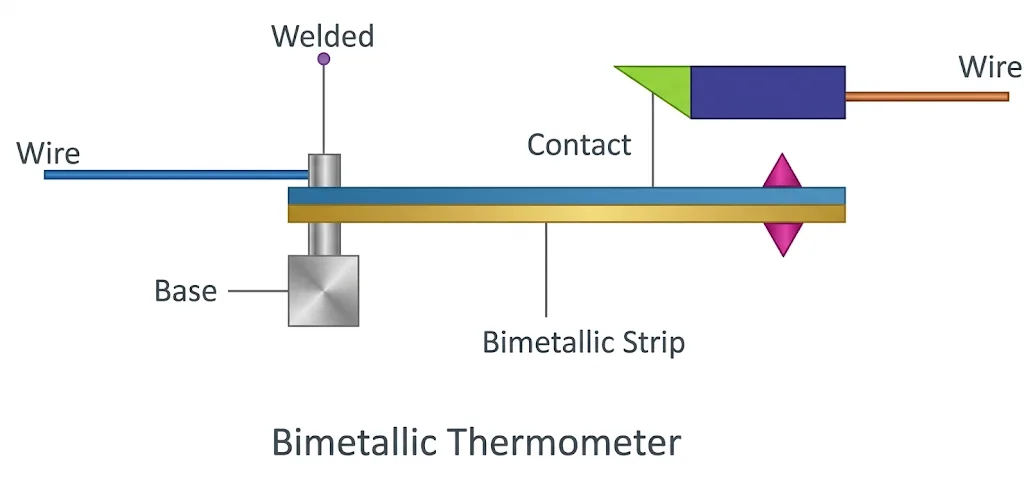
Image source: Bing (Web (fair-use with source credit))
The common types look like this:
- Bimetallic strip: two metals bonded together, each expanding at a different rate. Heat makes the strip curl, moving a dial needle.
- Thermistor: a resistor that changes electrical resistance with temperature. Cheap, fast, accurate.
- Thermocouple: two different metal wires joined at a junction, producing a tiny voltage that shifts with heat.
Our research across manufacturer specs shows most home digital thermometers hold accuracy within ±1°F to ±2°F. That's plenty for checking a room, cooking food, or tracking a fever.
One thing a thermometer will never do is tell you about moisture. Heat a room to 80°F with a humidifier running, and it reads 80. Let the air go bone dry, it still reads 80.
The number stays identical while the experience changes completely. Moisture is a separate measurement for a separate instrument.
How Hygrometers Work (and Why Humidity Is Tricky)
Humidity is invisible, which is exactly why it's so hard to measure. You can't look at air and guess its moisture content. Your body only notices via side effects like sticky skin, static shock, or that heavy feeling before a thunderstorm.
Relative humidity (RH) is the key term. It's a ratio of how much water vapor the air holds compared to the maximum it could hold at that same temperature. Warm air can hold more vapor than cold air.
That's why the same room feels different at different temperatures with the same moisture level.
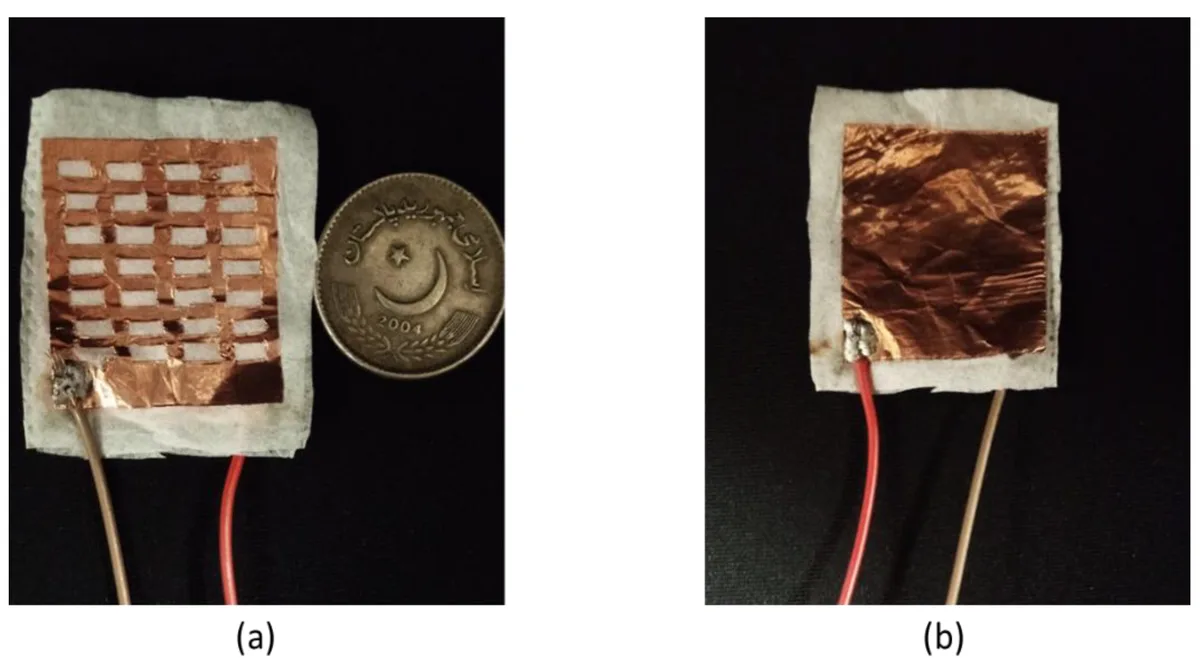
Image source: Bing (Web (fair-use with source credit))
Hygrometers measure RH through a few different tricks:
- Hair hygrometers: natural hair stretches as humidity rises. Ancient tech, still sold in cheap analog units, and prone to drifting off.
- Capacitive sensors: a polymer film absorbs water vapor and changes its electrical capacitance. The most common type in modern digital hygrometers.
- Resistive sensors: measure electrical resistance as moisture builds up on a substrate.
- Psychrometers: two thermometers side by side, one with a wet wick. Evaporation cools the wet one, and the temperature gap computes humidity.
Here's the honest catch. A quality hygrometer is accurate to about ±3% RH. Consumer units can drift further in extreme conditions, below 20% or above 90% RH.
Analog versions can be off by 10% or more until you calibrate them with a salt test.
Thermometer vs. Hygrometer: Side-by-Side Comparison
Now that you know how each sensor works, here's the side-by-side picture. This table sums up the practical differences.
| Feature | Thermometer | Hygrometer |
|---|---|---|
| Measures | Air temperature | Relative humidity |
| Units | °F, °C, or K | % RH |
| Typical sensors | Thermistor, thermocouple, bimetallic strip | Capacitive, resistive, hair, psychrometer |
| Home accuracy | ±1°F | ±3% RH |
| Response time | Seconds to minutes | Minutes to hours |
| Analog style | Mercury or alcohol column | Dial with hair or coil |
| Digital style | Probe with LCD | Sensor with LCD |
| Best one-liner | "How hot is it?" | "How damp is it?" |
That response time difference catches people off guard. A thermometer settles in a couple of minutes. A capacitive hygrometer can take 30 to 60 minutes to fully adjust after a big humidity shift.
If you just moved it from a humid bathroom to a dry living room, give it time.
Cost follows complexity, as of 2026. A basic thermometer runs $5 to $15. A standalone hygrometer runs $10 to $30.
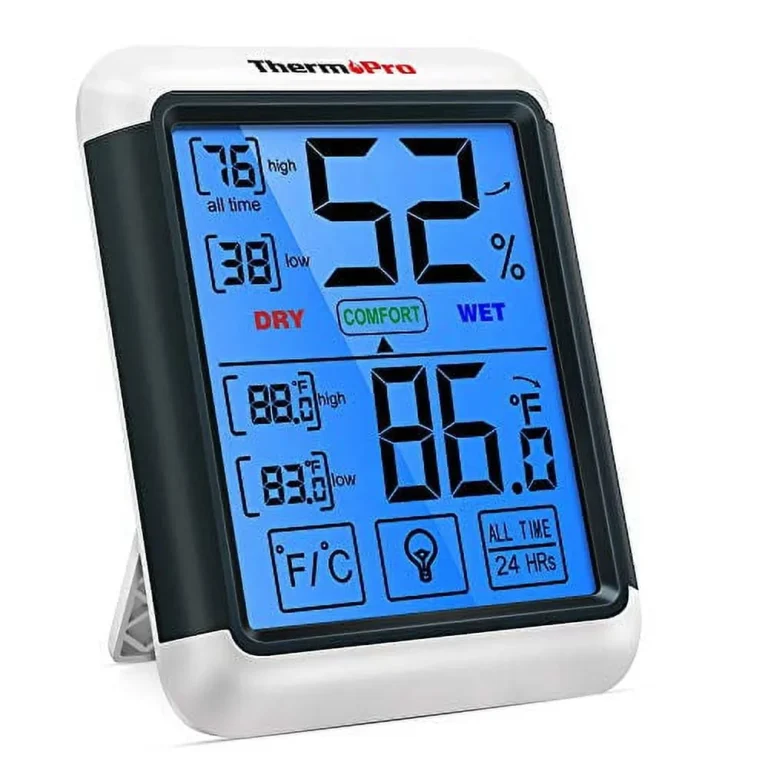
A combined thermohygrometer, which is what most home weather stations really are, costs $15 to $60. The crossover price point makes the combo device the obvious buy for anyone who needs both.
Which One Do You Need? Real Scenarios and the Practical Answer
The practical answer depends on what problem you're actually solving. Here's a quick decision guide built from research and real-world setups.
- You just want to know if you need a coat. Thermometer, full stop.
- You're fighting condensation on windows, musty closets, or warping wood. Hygrometer. Temperature isn't your issue, moisture is.
- You own wooden instruments, furniture, or wine. Hygrometer. Wood constantly swaps moisture with the air. Keep RH between 40% and 50% to avoid cracks.
- You grow plants indoors or run a greenhouse. Thermohygrometer. Most seedlings need both temperature and humidity in a specific range.
- You store tools, books, or documents long term. Hygrometer. Rust and paper decay accelerate above 60% RH.
That last point matters more than most people realize. The EPA's mold guidance identifies prolonged high humidity as a key factor in mold growth. A thermometer can't see that coming.
A hygrometer gives you a clear warning sign days before a problem becomes visible.
Most households with a thermostat and a basement or crawl space should just get a thermohygrometer. It removes the guesswork entirely.
One pattern our research keeps showing: people buy a hygrometer, and the first week is a revelation. They assume their indoor air is normal, then discover it swings between 25% and 70% RH. That change over days is exactly why monitoring both temperature and humidity matters.
Common Mistakes, Calibration, and Pro Placement Tips
The biggest mistake is placement. Put a hygrometer too close to a shower, a kettle, or a humidifier and the reading spikes. You'll think your whole home is damp when only one corner is.
Keep at least six feet of distance from any obvious moisture source.
The second most common error is impatience. A digital thermometer settles in a couple of minutes. A capacitive hygrometer needs 30 to 60 minutes to fully adjust.
Set it up, wait an hour, and then judge the readout.
Calibration matters too. Cheap analog hygrometers drift. Digital ones drift slower, but they still drift over the years.
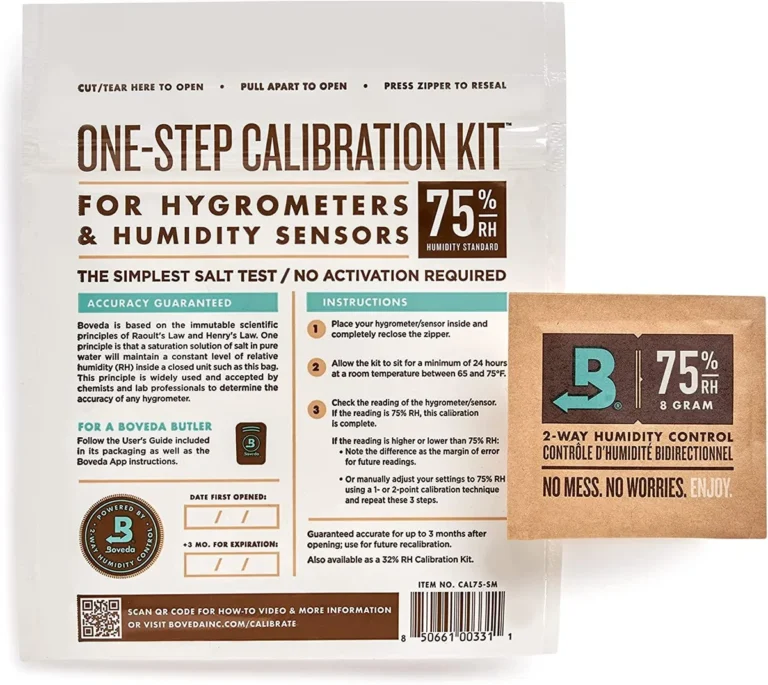
The salt test is the standard fix. Mix a tablespoon of table salt with a few drops of water, place it in a sealed bag with the hygrometer, and wait 12 hours. The salt slurry creates a stable 75% relative humidity environment.
If yours reads 75%, it's accurate. If not, adjust the offset on a digital unit, or turn the small screw on the back of an analog dial.
Thermometers are simpler to verify. Stir ice and water together for a minute, then place the probe in the mix. A fresh thermometer should read 32°F.
If it's digital and allows recalibration, adjust it. If it's off by more than a couple of degrees and can't be corrected, replace it.
Placement rules protect both instruments. Avoid direct sunlight, exterior walls in winter, and forced air vents. Those spots create microclimates that lie to your sensors.
Put devices at standing height rather than on the floor, since cold air pools low and skews readings.
Yearly calibration catches problems before they cost you. Set a phone reminder. It takes five minutes and keeps both tools honest.
FAQs: Thermometer and Hygrometer Questions, Answered
Can a thermometer measure humidity?
No. A thermometer measures temperature only. It has no sensor for water vapor.
If a device displays both temperature and humidity, it contains two separate sensors inside one housing. That device is called a thermohygrometer.
What is the ideal indoor humidity level?
The EPA recommends keeping indoor relative humidity between 30% and 50%. Below 30%, you risk dry skin, static shock, and cracking wood. Above 60%, mold and dust mites thrive.
Many homes feel best between 40% and 50%.
Is a hygrometer worth buying?
Yes, if you care about comfort, health, or protecting your belongings. Wood, wine, plants, and musical instruments all react to moisture. A $15 hygrometer provides data that helps prevent expensive problems.
Mold damage alone from unchecked humidity costs far more.
Why does my hygrometer read 75% in a salt test?
That's exactly right. The salt test creates a stable environment at 75% relative humidity. If your hygrometer reads 75%, calibration is perfect.
If it reads 80%, it runs 5% high. Adjust the offset or factor in the difference.
Do I need both a thermometer and a hygrometer?
Most people should buy a thermohygrometer instead. That's a single device with both sensors. It costs barely more than a standalone hygrometer and covers both measurement needs.
If you already own a solid thermometer, just add a hygrometer to cover the gap.