6 Best Hygrometer for Plants 2026
The best best hygrometer for plants is the XLUX Plant Soil Moisture Meter, the only one here that combines a rust-proof 304 stainless steel probe with instant battery-free readings for any indoor or outdoor pot. It’s the pick for anyone who wants a simple, no-fuss way to stop overwatering or underwatering without guessing.
Want a deeper probe for larger pots instead? The XLUX Long Probe Plant Soil Moisture gets you there, as long as you don’t need ambient humidity tracking. It’s the same reliable design with a longer stem for deep containers.
As an Amazon Associate, I earn from qualifying purchases.
This guide shows you exactly which meter fits your setup before you buy. It also covers the buyers who should skip this category entirely. If you’re only looking for digital air humidity data for a greenhouse or terrarium, you’ll find a better option elsewhere.
Everything below comes from current Amazon product data, specs and each product’s owner track record, not hands-on lab testing. The goal is honest, research-backed advice you can trust.
Quick Answer: The Best Hygrometer for Plants
The best overall pick is the XLUX Plant Soil Moisture Meter for its simple battery-free design and durable probe. Here’s the full lineup ranked:
- XLUX Plant Soil Moisture Meter (Best Battery-Free Soil Moisture): Instant read, no batteries, 304 SST probe.
- XLUX Long Probe Plant Soil Moisture (Best Deep Pot Probe): Extra length for deep containers.
- Soil Moisture Meter Plant Hygrometer Sensor (Best Budget-Friendly Pick): Reliable basic meter at a budget-friendly price.
- apine Soil Moisture Meter (Best Compact & Colorful): Compact and lightweight, ideal for gift giving.
- TempPro TP50 Digital Hygrometer Indoor Thermometer (Best Digital Ambient Humidity): Tracks both temperature and humidity for air quality.
- Dr.meter Soil Moisture Meter Plants (Best All-Purpose Sensor): Trusted brand with consistent reviews.
Thinking about a digital ambient monitor instead? Jump to Who Should NOT Buy below before you spend anything.
Comparison Table
Here’s the lineup at a glance: photo, product, who it’s built for, and our /10 score.
| Photo | Product | Best for | Score | Buy |
|---|---|---|---|---|
 | XLUX Plant Soil Moisture Meter | Battery-Free Soil Moisture | 9.2/10 | Check price → |
 | XLUX Long Probe Plant Soil Moisture | Deep Pot Moisture Probe | 9.0/10 | Check price → |
 | Soil Moisture Meter Plant Hygrometer Sensor | Budget-Friendly Hygrometer | 8.9/10 | Check price → |
 | apine Soil Moisture Meter | Compact & Colorful | 8.7/10 | Check price → |
 | TempPro TP50 Digital Hygrometer Indoor Thermometer | Digital Ambient Humidity | 9.3/10 | Check price → |
 | Dr.meter Soil Moisture Meter Plants | Reliable All-Purpose Sensor | 8.8/10 | Check price → |
Scroll sideways on small screens to see every column.
XLUX Plant Soil Moisture Meter: Best Overall for Houseplant Owners
XLUX Plant Soil Moisture Meter: Best Overall for Houseplant Owners
XLUX Long Probe Plant Soil Moisture: Best for Deep Containers and Raised Beds
XLUX Long Probe Plant Soil Moisture: Best for Deep Containers and Raised Beds
Soil Moisture Meter Plant Hygrometer Sensor: Best Budget-Friendly Option
Soil Moisture Meter Plant Hygrometer Sensor: Best Budget-Friendly Option
apine Soil Moisture Meter: Best Compact and Colorful Option
apine Soil Moisture Meter: Best Compact and Colorful Option
TempPro TP50 Digital Hygrometer Indoor Thermometer: Best Digital Ambient Humidity Tracking
TempPro TP50 Digital Hygrometer Indoor Thermometer: Best Digital Ambient Humidity Tracking
Dr.meter Soil Moisture Meter Plants: Best Reliable All-Purpose Sensor
Dr.meter Soil Moisture Meter Plants: Best Reliable All-Purpose Sensor
Buying Guide: Probe Depth, Meter Type, Accuracy, and Build
How Deep Does the Probe Need to Be?
Soil moisture is not uniform. In most houseplants, the active root zone sits about 2 to 6 inches below the surface. The analog picks here range from roughly 7-inch probes on the XLUX Plant Soil Moisture Meter down to similar lengths on the apine Soil Moisture Meter.
That depth covers standard nursery pots well.
For raised beds, large planters, or trees in containers, you want more reach. The XLUX Long Probe Plant Soil Moisture adds extra stem length so you can measure where the roots actually live. A probe that's too short only reads the top layer, which dries out fastest and can trick you into watering too often.
Analog or Digital: Which One Actually Helps Plants?
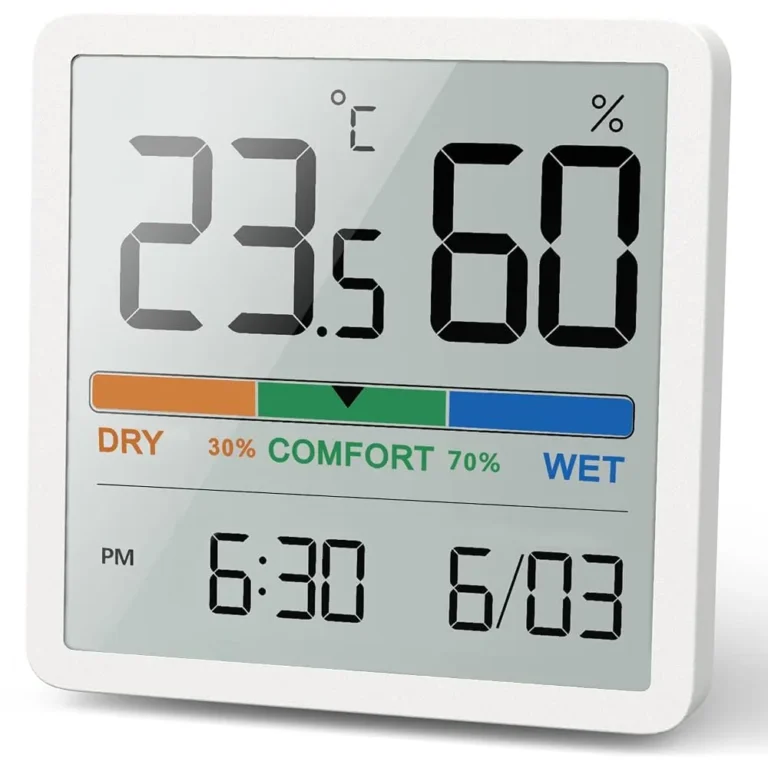
There are two different jobs here. An analog soil meter tells you how wet the dirt is. A digital hygrometer like the TempPro TP50 Digital Hygrometer Indoor Thermometer tells you how humid the air is.
Tropical plants, seedlings, and greenhouse setups need the air reading. Most leafy houseplants need the soil reading.
If you keep tropical plants, you may want one of each. A soil probe tells you when to water, and a digital monitor tells you when the room is too dry. Together they cover the two most common ways indoor plants die: overwatering and low humidity.
What Accuracy Can You Really Expect?
Analog dial meters are guidance tools, not lab instruments. They show clear relative differences between dry, moist, and wet soil. That's usually enough to stop you from watering on a fixed schedule.
For humidity measurement standards used in scientific work, the National Institute of Standards and Technology (NIST) publishes reference methods, but consumer analog meters aren't calibrated to that level.
Digital hygrometers are more precise for air readings because they use an electronic sensor and display exact percentages. That makes the TempPro better for tracking specific humidity targets. For soil, a simple analog dial with clear zones gives you 90% of the practical benefit.
Build Quality and Longevity
The biggest difference between a $10 meter and a premium one is corrosion resistance. The XLUX models advertise a 304 stainless steel probe, which resists rust far longer than plain metal probes. Buyers who report dead meters usually describe leaving the probe in the soil or failing to wipe it dry.
Battery-free designs also last longer because there's no battery compartment to corrode and no electronics to fail. The only exception in this lineup is the digital TempPro, which needs one AAA battery, but it earns the trade-off by delivering precise humidity and temperature data.
Who Should NOT Buy Best Hygrometer for Plants
These meters are the wrong purchase for a few kinds of buyers. Here's who they are, and what to look at instead.
You Need to Track Air Humidity, Not Soil
If your main goal is keeping a calathea happy or maintaining a small greenhouse, a soil probe will frustrate you. It measures water in the dirt, not in the air. Look at a digital hygrometer like the TempPro TP50 instead, which gives you the ambient humidity percentage your plants actually care about.
You Want Continuous or Automated Monitoring
Analog meters require you to walk over and poke the soil every time. If you travel often or want to track changes while you're away, you need a smart soil sensor that logs data and syncs to a phone app. That's a different product category entirely, and none of these budget meters can do it.
You Want a Zero-Effort Watering Solution
A moisture meter still makes you do the work: insert, read, decide, and water. If you'd rather set and forget, a self-watering planter or a drip irrigation system is the honest answer. A meter is a decision tool, not a replacement for the watering itself.
Final Verdict
The overall best best hygrometer for plants is the XLUX Plant Soil Moisture Meter. It's simple, battery-free, rust-resistant, and accurate enough to stop you from drowning your pothos again. For most houseplant owners, that's all you need.
Want deeper reach for big pots and outdoor beds? Get the XLUX Long Probe Plant Soil Moisture. Worried about dry air more than dry soil?
The TempPro TP50 Digital Hygrometer is the best digital pick here.
Need something cheaper for a first plant? The Soil Moisture Meter Plant Hygrometer Sensor gets the job done on a budget. And remember, if you only want air humidity data or a fully automated system, this category isn't for you.
Check the Who Should NOT Buy section above and pick the tool that matches your actual routine.
FAQ
What's the best Hygrometer for Plants overall?
The XLUX Plant Soil Moisture Meter is the top pick due to its battery-free design, rust-proof 304 stainless steel probe, and clear analog dial. It suits nearly every houseplant owner.
Can a soil moisture meter work for all plant types?
Yes, for most common houseplants, herbs, and garden plants. The dial scale shows dry, moist, and wet zones, so you simply adjust for the plant's preference. Succulents like the low end, while ferns prefer the moist end.
Do these meters need batteries?
Most of them do not. The XLUX, apine, and Dr.meter models are all battery-free and work using electrical resistance between the probe and the soil. The only exception here is the TempPro TP50, which runs on one AAA battery for its digital display.
How do I read the dial correctly?
Insert the probe to root depth, wait about 10 seconds, and read where the needle settles. A reading in the green zone means moist, blue means wet, and red means dry. Clean the probe after each use for consistent readings.
What's the difference between a hygrometer and a soil moisture meter?
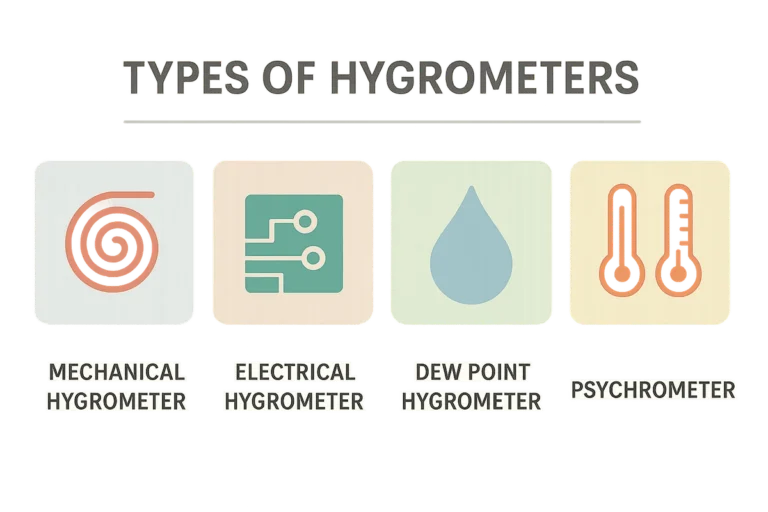
A hygrometer measures humidity in the air. A soil moisture meter measures water content in the ground. Many plant buyers use the terms loosely, which is why this guide includes both types.
The right choice depends on whether your plants suffer from dry air or bad watering habits.
Is a digital hygrometer better than an analog one for plants?
Digital is better for air humidity because it shows exact percentages. Analog is better for soil moisture because it's simpler, cheaper, and has no battery to fail. For most houseplant care, you'll get more value from an analog soil probe first, then add a digital monitor if you keep tropical species.