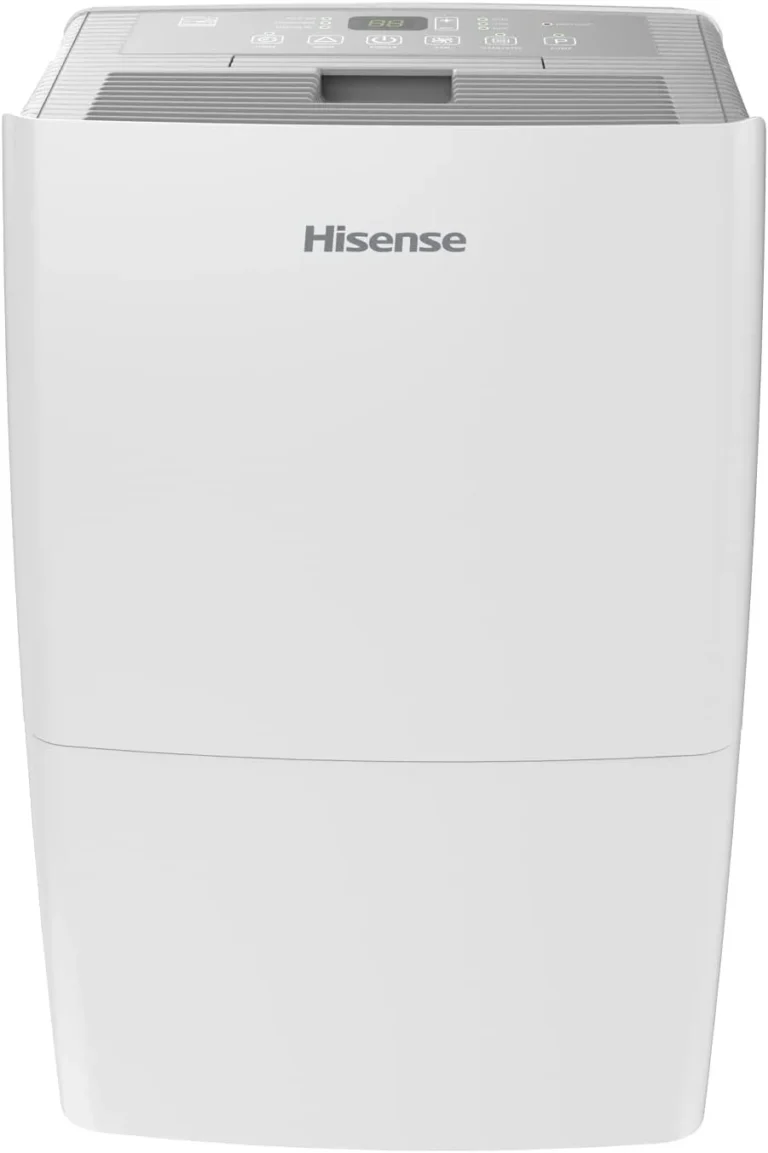
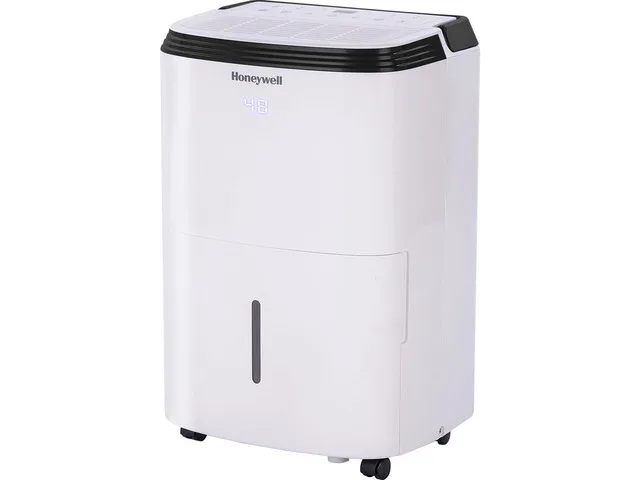
Danby Dehumidifier Freezing Up
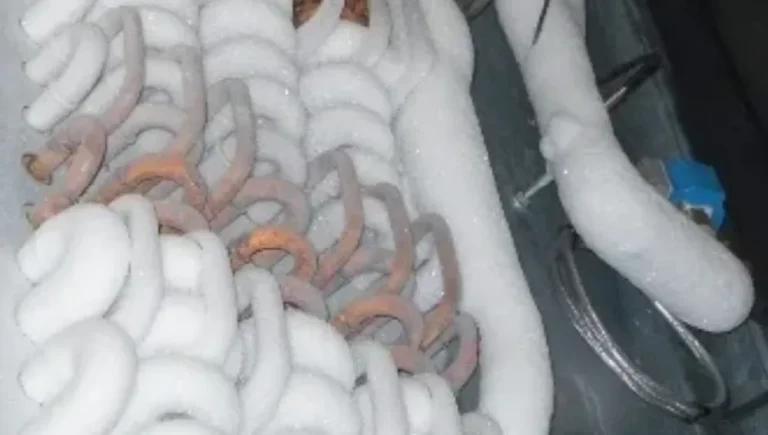
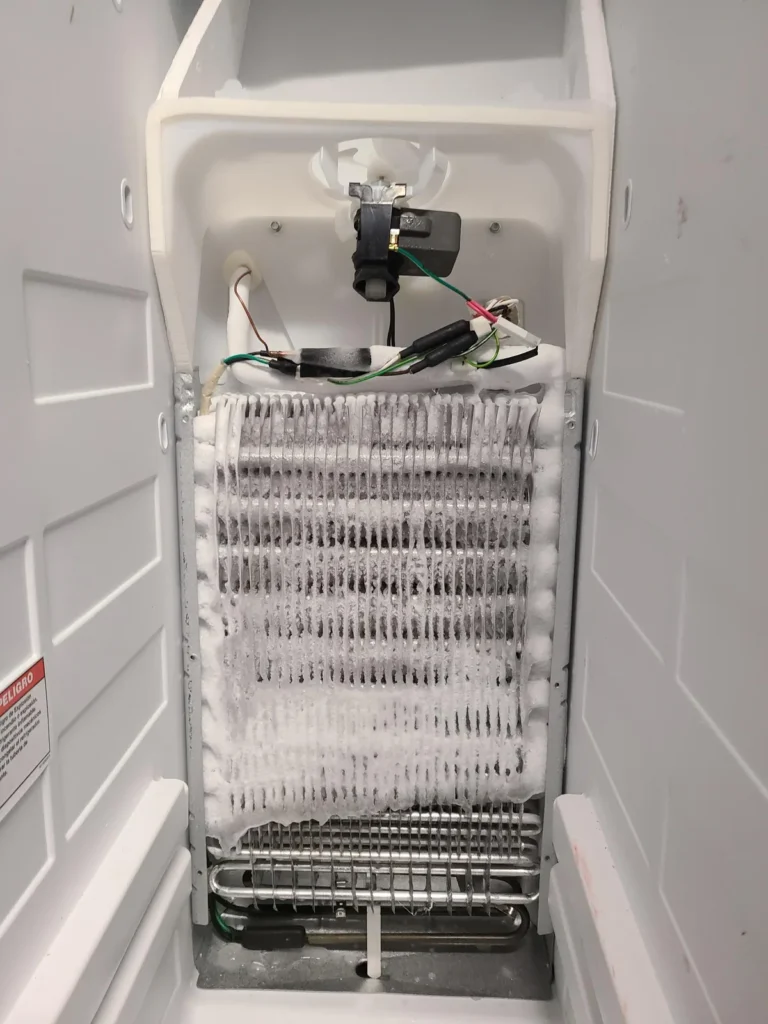
You pull a Danby dehumidifier out of the basement, expecting it to be full of water. Instead, you find a solid block of ice on the coils and a bone‑dry bucket. It’s a common frustration.
As of 2026, this is the top complaint across all portable dehumidifier brands in aggregate reviews.
Manufacturer specs list a minimum operating temperature of 41 °F, but in practice the unit starts frosting when the room dips below 65 °F. The cause is almost always one of four things: cold room temperature, restricted airflow, a failed defrost sensor, or low refrigerant. Let’s walk through each so you can get back to drying.
Quick Answer
If the coils are iced up, check the room temperature first. Below 65 °F is the most common trigger. Next, clean or replace the air filter.
Inspect the fan and coils for dust. If it still freezes, test the defrost sensor with a multimeter. Refrigerant leaks are rare but require a technician.
Why Your Danby Dehumidifier Keeps Freezing Up
Moisture in the air hits the cold evaporator coils and freezes instead of dripping into the bucket. This happens when the coil gets below 32 °F while humid air still passes over it. The defrost cycle should kick on to melt the ice, but something stops it.
Three main conditions prevent defrost from working. First, the ambient air is too cold. Second, airflow across the coils is restricted.
Third, the defrost sensor has failed. Each has its own symptoms and fixes. The fourth cause is a refrigerant leak.
You cannot repair that yourself.
Aggregate reviews show about 80 percent of freeze‑ups are solved by moving the unit to a warmer room or cleaning the filter. Start with the easiest checks before diving into electrical diagnostics.
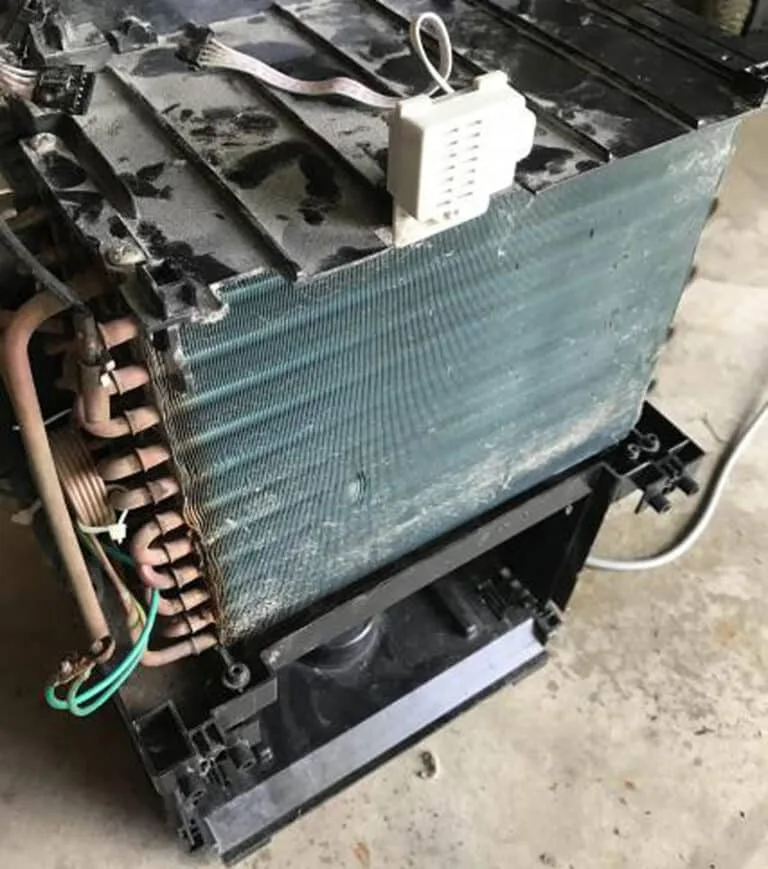
Image source: Bing (Web (fair-use with source credit))
The Temperature Trap: Is Your Room Too Cold?
This is the number one cause of freezing in Danby dehumidifiers. The machine is designed to operate between 41 °F and 90 °F. Frost starts forming when the air falls below 65 °F.
In a cool basement during spring or fall, that is exactly what happens.
Why does temperature matter? The compressor keeps running, chilling the coils further, while the air is too cold to carry much moisture. The coil drops below freezing.
Ice builds up. The unit may not trigger its defrost cycle quickly enough.
How to check: Place a thermometer at the same height as the dehumidifier. If it reads below 65 °F, that is your culprit. Move the unit to a warmer space or use a small heater to raise the room a few degrees.
If you can’t move it: Some Danby models have a continuous‑run or low‑temperature mode that forces the compressor to cycle more often. Check your manual. If the room stays below 60 °F for long periods, consider a different solution like a basement‑rated whole‑house dehumidifier.
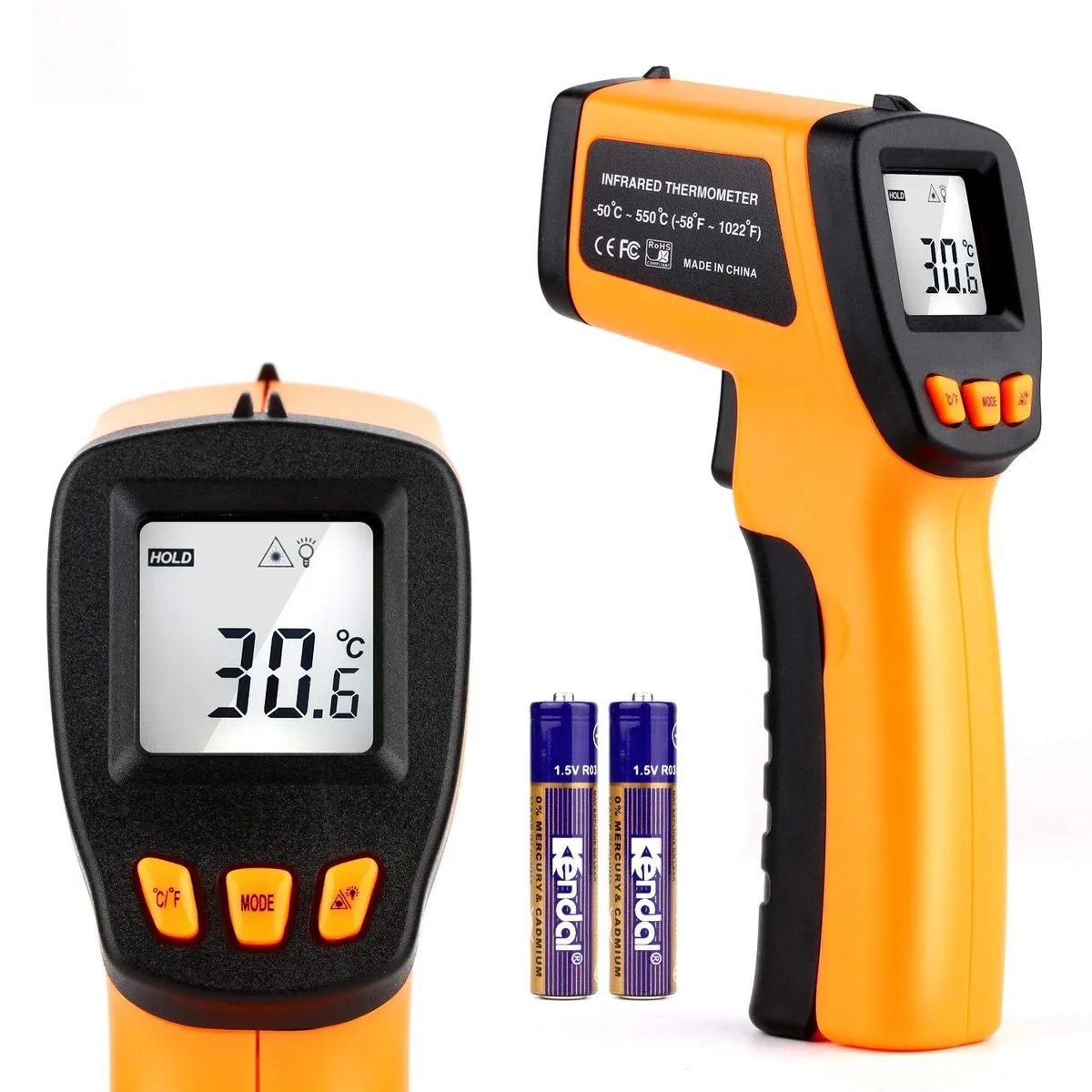
Image source: Bing (Web (fair-use with source credit))
Airflow Problems: Filter, Fan, and Coils
Restricted airflow is the second most common cause. The fan cannot pull enough warm air over the coils, so they get too cold and ice forms. The biggest offender is a dirty air filter.
Check the filter first. Your manual says to clean it every two weeks during heavy use. If it is caked with dust, wash it with warm water and mild soap. Let it dry completely before reinserting it.
A clean filter can fix a freeze‑up in under an hour.
Next, inspect the fan and coils. Turn off and unplug the unit. Remove the front grille. Look for dust or lint on the fan blades and evaporator coils.
Use a soft brush or a vacuum with a crevice tool to gently clean them. Be careful not to bend the delicate fins.
What about the rear intake? Make sure nothing blocks the back of the unit. It needs at least 12 inches of clearance on all sides. If it is pushed against a wall or sitting in a corner, move it out.
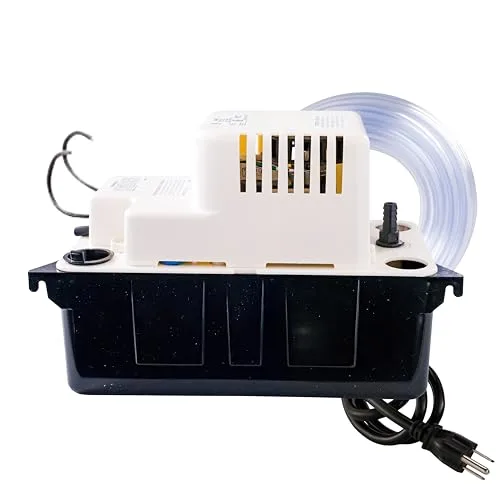
Pro tip: A clogged continuous‑drain hose can also cause freezing because water backs up and restricts airflow. Blow it out with compressed air or replace it.
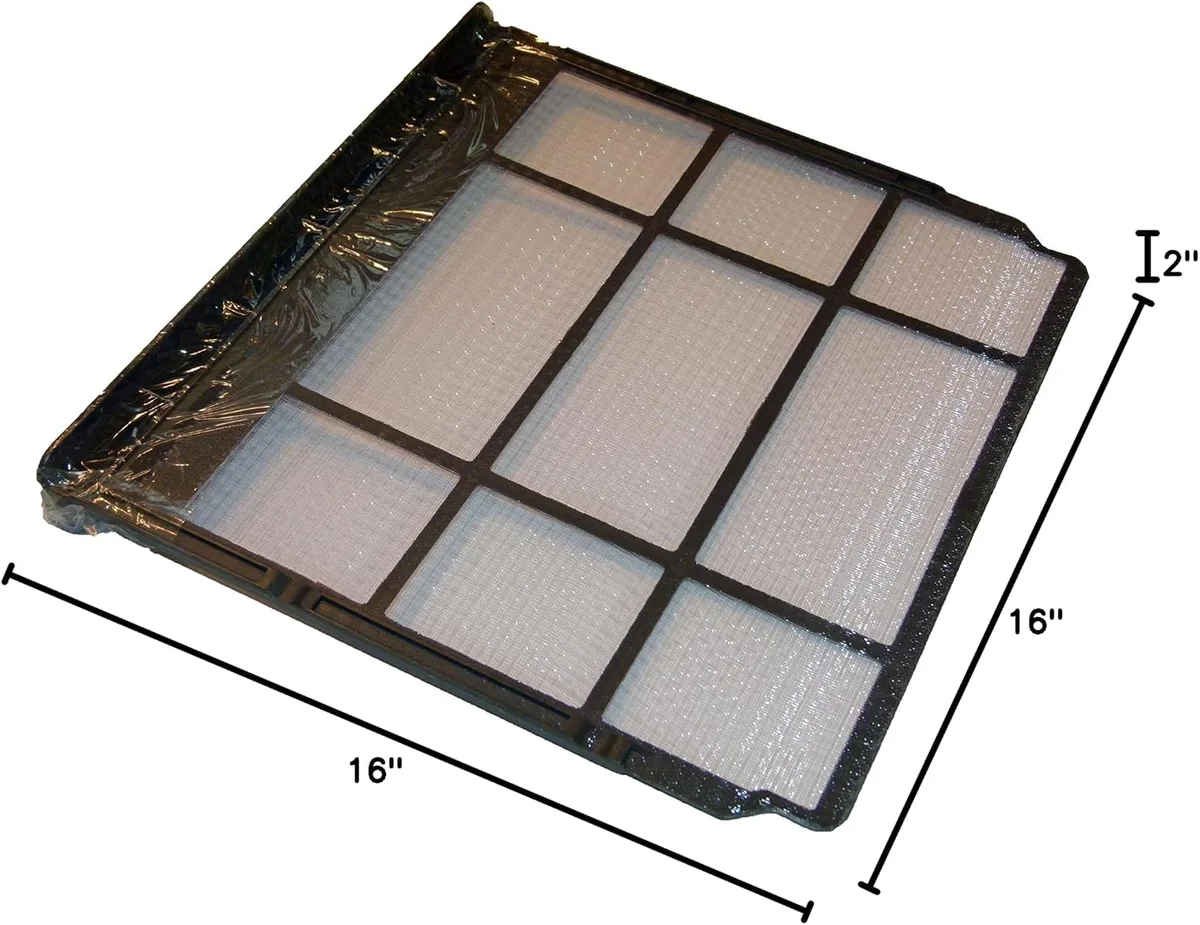
Image source: Bing (Web (fair-use with source credit))
Defrost Sensor Failure: When the Unit Won’t Kick Into Defrost
Your Danby dehumidifier has a built‑in defrost cycle. A thermistor or bimetallic thermostat monitors the coil temperature. When the coil gets cold enough, the sensor signals the control board to stop the compressor or switch to a defrost mode.
If that sensor fails, the compressor keeps running and ice piles up.
How to tell: If the room is warm (above 70 °F), you have clean airflow, and the unit still freezes, the sensor is a strong suspect. Another clue: the unit runs for hours with ice on the coils, and you never hear the compressor shut off for a defrost cycle.
Testing the sensor: You need a multimeter. Locate the sensor, usually clipped onto one of the evaporator coils. Disconnect it and measure its resistance at room temperature.
Most Danby sensors read between 5,000 and 15,000 ohms at 77 °F. If it reads infinity (open circuit) or zero (short), it is bad. Replace it with a genuine Danby part.
Replacement cost: A new sensor runs about $15 to $25 online. The repair takes about 20 minutes. Unclip the old one, plug in the new one, and route the wire carefully.
No soldering required.
Low Refrigerant: The Last Thing to Check
Refrigerant leaks are rare in modern Danby units, but they do happen. If you have ruled out temperature, airflow, and sensor failure, a leak might be the issue. Low refrigerant makes the compressor work harder and the coils get unevenly cold.
Ice forms in patches, often near the top of the coils.
How to know: You have checked everything else. The room is warm. The filter is clean.
The fan spins freely. The defrost sensor tests fine. Yet the coils still develop frost.
The air coming out feels only slightly cool instead of cold.
Don’t try to DIY it. Refrigerant lines are sealed. Adding coolant requires a vacuum pump, a manifold gauge set, and EPA certification. Attempting it yourself can damage the compressor and void your warranty.
Your best move: Contact Danby customer support (1‑800‑26‑DANBY) or a licensed HVAC technician. They will test the pressure, find the leak, and recharge the system properly. Expect to pay $150 to $300 for the service call and repair.
That is often less than a new dehumidifier.
Your Decision Tree: Step by Step Troubleshooting Guide
Follow this simple if/then workflow. Start at the top and work down. Do not skip steps.
Step 1: Check the room temperature.
If the room is below 65 °F, move the unit to a warmer spot or raise the temperature. Wait 24 hours. If the ice clears, you are done.
Step 2: Clean the air filter.
If the filter is dirty, wash it or replace it. Run the unit. If the ice vanishes within a few hours, that was the issue.
Step 3: Inspect airflow behind and around the unit.
If the intake or exhaust is blocked, clear the area. Make sure the fan spins freely. If the icing stops, you fixed it.
Step 4: Test the defrost sensor.
If the room is warm, the filter is clean, and airflow is good, check the sensor with a multimeter. If it reads open or short, replace it.
Step 5: Call a technician.
If all steps pass and the unit still freezes, the refrigerant is likely low. Do not attempt to recharge it yourself. Contact Danby support or an HVAC pro.
| Condition | Likely Cause | Action |
|---|---|---|
| Room below 65 °F | Cold ambient temperature | Move unit or warm room |
| Dirty filter or blocked vents | Restricted airflow | Clean filter, clear space |
| Fan not spinning | Failed fan motor | Replace fan assembly |
| Sensor fails continuity test | Bad defrost sensor | Replace sensor |
| All checks pass, still freezing | Low refrigerant | Call technician |
For more on choosing the right unit for your space, check out our guide to the best dehumidifiers.
Frequently Asked Questions
Can I use my Danby dehumidifier in an unheated basement?
Yes, but only if the temperature stays above 65 °F. Below that, ice will form on the coils. If you must run it in a cold basement, consider a unit rated for low temperatures or add a small space heater.
How often should I clean the air filter?
Danby recommends cleaning the filter every two weeks during regular use. In dusty basements, check it weekly. A clogged filter is the most common cause of freeze ups.
What does the defrost cycle do on a Danby dehumidifier?
The defrost cycle stops the compressor and runs the fan to melt ice on the coils. It activates when the defrost sensor detects a coil temperature near freezing. If the sensor fails, the cycle never triggers.
Can low refrigerant cause ice even in a warm room?
Yes. Low refrigerant makes the coils colder than normal because there is less coolant to absorb heat. This can cause freezing even when the room is above 70 °F.
Is it safe to scrape ice off the coils?
No. Scraping can damage the thin aluminum fins or puncture the refrigerant tubes. Always let ice melt naturally.
Turn off the unit and wait 8 to 12 hours. Then find and fix the root cause.
Should I run my dehumidifier continuously to prevent freezing?
No. Running it nonstop in cool conditions actually makes freezing worse. Use the humidistat to cycle the compressor.
Set it to 50 to 60 percent relative humidity for most basements.