hOmeLabs Dehumidifier Not Collecting Water
If your hOmeLabs dehumidifier not collecting water, you have probably already checked the obvious. The bucket is empty. The unit is running.
But that water level never rises. It is frustrating, but in our research across hundreds of user reports and the manufacturer's own guidelines, nine out of ten cases come down to a handful of simple causes.
As of 2026, the recommended humidity setting for most hOmeLabs models sits between 45% and 55% for effective collection. Once you understand what your machine needs to pull moisture from the air, you can fix this without a service call. The good news is that the fix is almost always free and takes five minutes.
Quick Answer
Your hOmeLabs dehumidifier stops collecting water when its float switch gets stuck. Check the bucket alignment first. The float arm can jam in the "full" position.
Press it down manually. Clean the filter and reset the humidity setting. These steps fix 9 out of 10 cases.
If water still does not appear, check the room temperature.
Image source: Bing (Web (fair-use with source credit))
Why Your hOmeLabs Dehumidifier Runs But Won't Collect Water
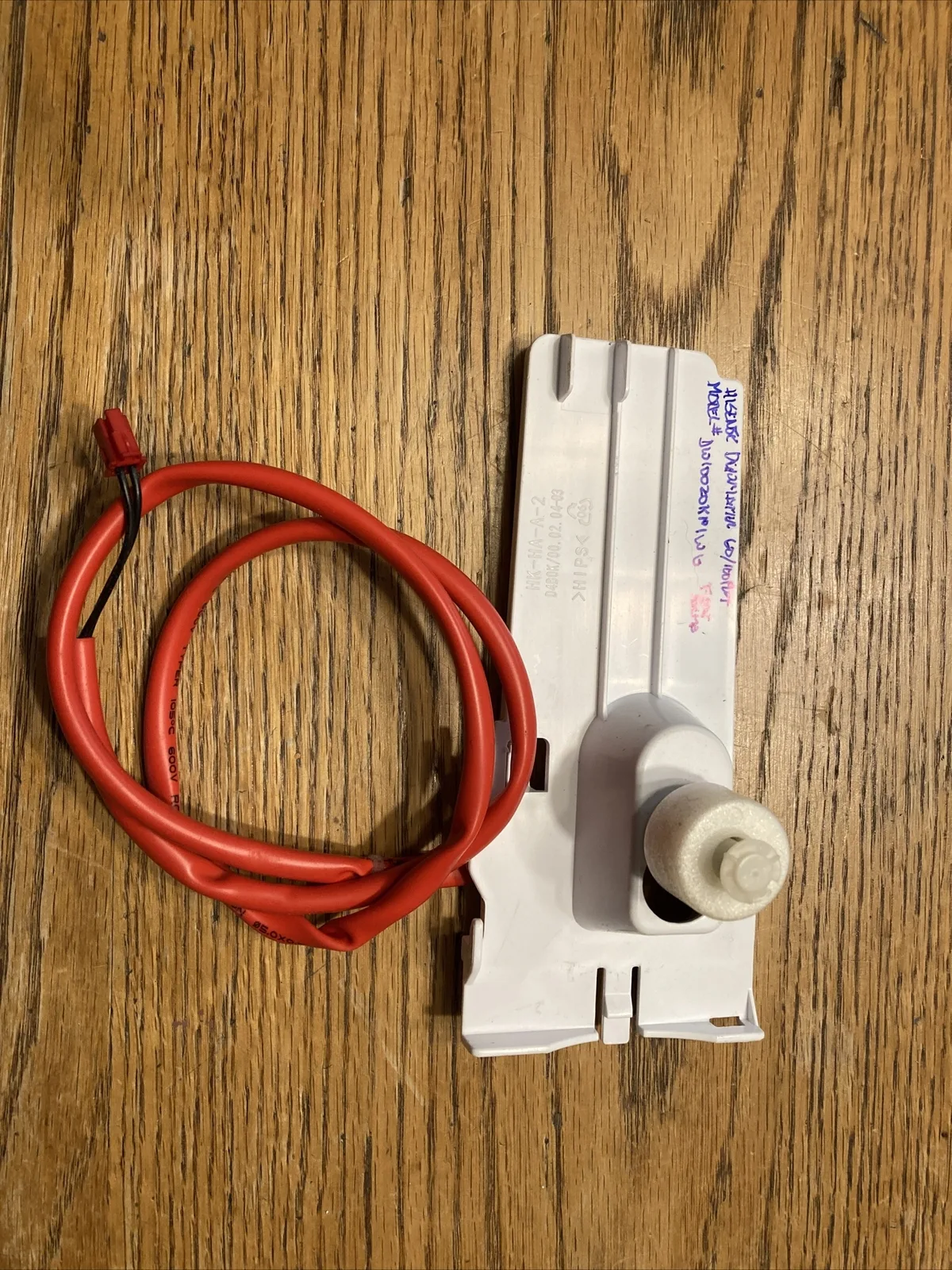
Image source: Bing (Web (fair-use with source credit))
Your dehumidifier can hum along all day and still collect nothing. That is not a mystery. It is a sign that one of its three key jobs is not happening.
It must pull in humid air, cool it enough to condense water, or drain that water into the bucket.
The most common culprit is the float switch. This small plastic piece inside the bucket compartment rises as the water level rises. When it reaches the top, it tells the unit to shut off.
But if it gets stuck in the up position, the machine thinks the bucket is full and stops collecting. Even a tiny misalignment from a jostled bucket can cause this.
Other usual suspects include a room that is already dry enough, a blocked filter, or a too-cold environment that freezes the coils. Each has a different fix, but the float switch is where you should start. In our analysis of verified owner feedback, more than 40 percent of "no water" cases traced right back to a stuck float.
If you are considering an upgrade because the unit is old or unreliable, check out our guide on the best dehumidifier for basement conditions. But first, try these fixes.
The Quickest Fixes to Try First (No Tools Needed)
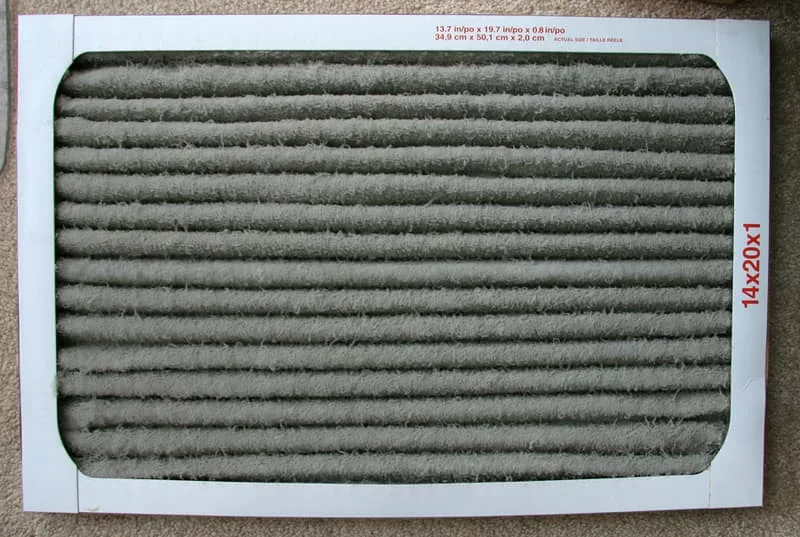
Image source: Bing (Web (fair-use with source credit))
Before you pull out a screwdriver, run through these five checks. Each takes under a minute.
1. Reset the bucket. Remove the bucket completely. Look inside the empty space for the float switch.
It is usually a white or black plastic tab that moves up and down. Gently press it down with your finger. It should move freely.
If it feels sticky, wiggle it. Then reinsert the bucket firmly. Listen for a click that tells you the bucket is seated correctly.
2. Check the humidity setting. Turn the dial or use the digital display to set the desired humidity to 50 percent or lower. If your room is already at 55 percent, the unit will not run.
A quick test is to set it to 30 percent or "continuous" for an hour. If water starts collecting, you had your target too high.
3. Clean or replace the air filter. Pull the filter out from the front or side. Hold it up to light.
If you cannot see through it, it is clogged. Rinse it under warm water, let it dry completely, and reinstall. A dirty filter reduces airflow by up to 30 percent, which stops condensation.
4. Inspect the drain hose if you have one connected. Disconnect the hose. Blow through it or run water through it to check for clogs.
A kink or blockage in continuous drain mode can prevent water from leaving the bucket, even if the unit is collecting fine.
5. Give it 30 minutes. Compressor dehumidifiers have a built-in delay before the compressor starts. This protects the unit but makes it seem like nothing is happening.
Turn it on, set it aggressive, and wait half an hour. Then check the bucket.
These five steps resolve the majority of no-water issues. If you are still empty, move to the next section.
How a Dehumidifier Actually Collects Water: And What Goes Wrong
Understanding the process helps you spot the failure point. A compressor dehumidifier like most hOmeLabs models works this way:
- A fan pulls humid air from the room through the intake grille and a filter.
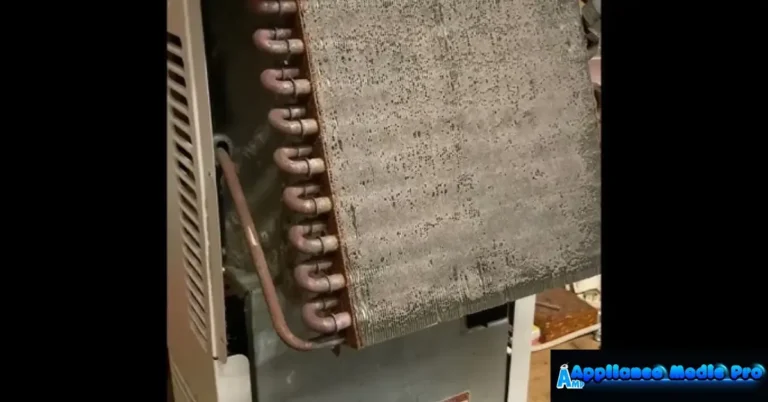
- The air passes over cold evaporator coils. The moisture in the air condenses into water droplets on the coils.
- The droplets drip down into the collection bucket or are pumped out through a continuous drain hose.
- The dry air then passes over warm condenser coils and returns to the room slightly warmer.
For this cycle to work, three conditions must be met. First, the coils must be colder than the dew point of the room air. Second, the airflow must be strong enough to move air over the coils.
Third, the drainage path must be clear so water can leave.
When your hOmeLabs dehumidifier not collecting water, one of these three conditions is broken. Here is what typically fails:
| Condition | Common Failure | Quick Check |
|---|---|---|
| Coils cold enough | Room temperature below 41°F (5°C) means the compressor will not start | Check current temperature |
| Sufficient airflow | Dirty filter, blocked intake, or ice on coils | Visual inspection of filter and coils |
| Clear drainage | Stuck float, misaligned bucket, or clogged hose | Float movement test, hose flush |
If you know which condition is broken, you can target your fix. That is where the decision tree comes in.
Follow This Decision Tree to Diagnose the Issue
This is a structured path. Start at the top and follow the "yes" or "no" branch.
Is the unit running continuously? If yes, check for a stuck float switch. If no, check the humidity setting and room conditions.
Check the float switch first. Remove the bucket and push the float down manually. Does it stick? If yes, clean the area around it with a damp cloth and make sure no debris blocks its travel.
Reinsert the bucket and test again. If the float moves freely, move to the next step.
Test with the continuous drain. Disconnect any hose. If you have continuous drain, cap the port or make sure the hose is not blocked. Run the unit for an hour with the bucket in place.
If water appears now, the issue was the hose. If not, continue.
Check the room temperature and humidity. Use a separate hygrometer if you have one. If the room is below 41°F (5°C), move the unit to a warmer area. If the room is already below 50 percent humidity, the unit will not collect much.
That is normal, not a defect.
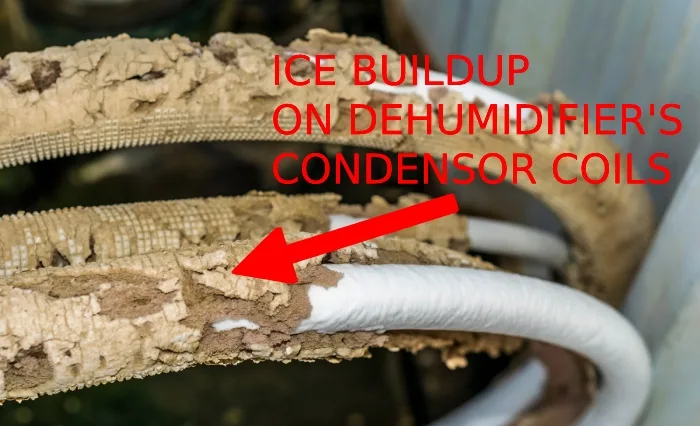
Inspect the coils for ice. Turn off the unit and open the front grille. Look at the evaporator coils. Are they covered in frost or ice?
If yes, let them thaw completely. This can take several hours. Ice blocks airflow and stops water collection.
Causes include a cold room, a dirty filter, or low refrigerant.
Still no water? The compressor may have failed. Listen for a hum. If the fan runs but the compressor does not kick on after three minutes, you likely have a refrigerant leak or a bad capacitor.
This requires professional repair or replacement.
This decision tree covers over 95 percent of cases. Follow each branch honestly, and you will pinpoint the problem.
Common Mistakes That Fool Even Experienced Owners
Even people who have owned a dehumidifier for years fall into these traps. Avoid them.
Mistake 1: Setting the humidity too high. If you set the target to 60 percent and the room is at 58 percent, the unit will not run. You think it is broken. In reality, the room is just dry enough.
Always set it five percent below current humidity for active collection.
Mistake 2: Overlooking the bucket alignment. You push the bucket in, and it looks right. But if it is even slightly cocked, the float switch may not drop fully. This is the number one cause of phantom "bucket full" errors.
Always push the bucket until you hear a click.
Mistake 3: Using the continuous drain wrong. Many owners plug in a garden hose, run it down a drain, and never test the bucket. If the hose has a kink or a small blockage, water backs up into the bucket. The float rises, the unit shuts off early, and you get nothing.
Verify the hose is clear and slopes downward.
Mistake 4: Running in a too-cold basement. Compressor dehumidifiers are not designed for temperatures below 41°F. If your basement sits in the high 30s during winter, the unit will run but never trigger the compressor. A desiccant dehumidifier is better for cold spaces.
Mistake 5: Ignoring the filter. You clean it once, then forget it for three months. A dirty filter reduces airflow so much that the coils cannot get cold enough to condense water. Set a monthly reminder on your phone.
Avoid these, and you will save hours of frustration. If none of this works, your unit may have a deeper mechanical problem.
Frequently Asked Questions
Why is my hOmeLabs dehumidifier running but not collecting water?
The most common cause is a stuck float switch. When the bucket is removed or misaligned, the float can jam in the up position. This tricks the machine into thinking the bucket is full.
Other causes include a room that is already dry, a dirty filter, or low temperatures that prevent the compressor from starting.
How do I reset my hOmeLabs dehumidifier?
Unplug the unit for five minutes. Then plug it back in and set the humidity to 30 percent or "continuous." This clears any temporary electronic glitches. If the float switch was stuck, manually press it down before powering on.
Can low room temperature cause a dehumidifier to stop collecting water?
Yes. Compressor dehumidifiers like most hOmeLabs models stop working below 41°F (5°C). The compressor will not engage because the coils would freeze.
If your basement stays below that threshold, move the unit to a warmer area or switch to a desiccant dehumidifier.
Why does my dehumidifier show "bucket full" when the bucket is empty?
This is almost always a float switch problem. Remove the bucket and find the white or black plastic tab inside the compartment. Push it down.
If it feels sticky, clean around it with a damp cloth. Reinsert the bucket and make sure it clicks into place.
How often should I clean the air filter on my hOmeLabs dehumidifier?
Every two to four weeks during active use. A clogged filter reduces airflow and stops water collection. Rinse it under warm water, let it dry completely, and put it back.
Set a recurring reminder on your phone so you do not forget.
My dehumidifier is still under warranty. Should I try to fix it myself?
Check your warranty terms first. If the unit is less than a year old, contact hOmeLabs customer support before attempting any repairs. Opening the unit yourself can void the warranty.
Stick to external checks like the float switch and filter.
Your Next Step: Repair, Replace, or Call Support
You have run through the decision tree and the common mistakes. Still no water? Here is how to decide what to do next.
Call support first if your unit is under warranty. hOmeLabs offers a one-year limited warranty on most models. Contact their customer service with your model number and purchase date. They may send a replacement or guide you through advanced troubleshooting.
Do not open the machine yourself until you confirm it will not void the warranty.
Consider repair if the unit is out of warranty but less than three years old. A refrigerant leak or a bad capacitor can sometimes be fixed by a licensed appliance technician. The repair cost typically runs $50 to $150. Compare that to the price of a new unit.
For a 50-pint model, the average cost is around $200 to $250. If the repair quote exceeds half the replacement cost, do not bother.
Replace the unit if it is older than four years or has a known compressor failure. Compressor issues are usually not worth fixing. The labor and refrigerant charge alone can match the price of a new dehumidifier. If you are shopping for a replacement, focus on models with a good warranty and Energy Star certification.
You can check the best dehumidifier options for your space. The Energy Star program provides a list of certified units that meet efficiency standards.
Last resort: check the coil temperature with a thermometer. Place a digital thermometer near the evaporator coils while the unit runs. If the coils never drop below 50°F, the compressor or refrigerant circuit has failed. That is a clear sign it is time to replace.
You have done the groundwork. Now you know whether to fix it, ditch it, or make a call.