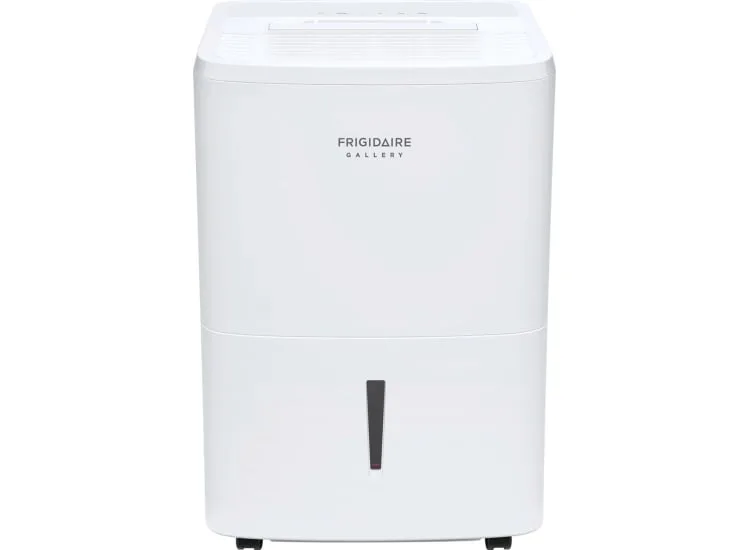
Frigidaire Dehumidifier Freezing Up
Your Frigidaire dehumidifier freezing up is one of the most common frustrations owners face. Ice builds up on the coils, the unit stops pulling water, and you’re left wondering if it’s broken or just confused. The good news is that in most cases, the fix is simple and costs nothing.
Manufacturer specifications show that Frigidaire dehumidifiers are designed to operate in temperatures between 65°F and 90°F (18°C, 32°C). When the room drops below that lower threshold, the evaporator coils can freeze even while the compressor runs. Let’s walk through exactly why this happens and how to fix it, step by step.
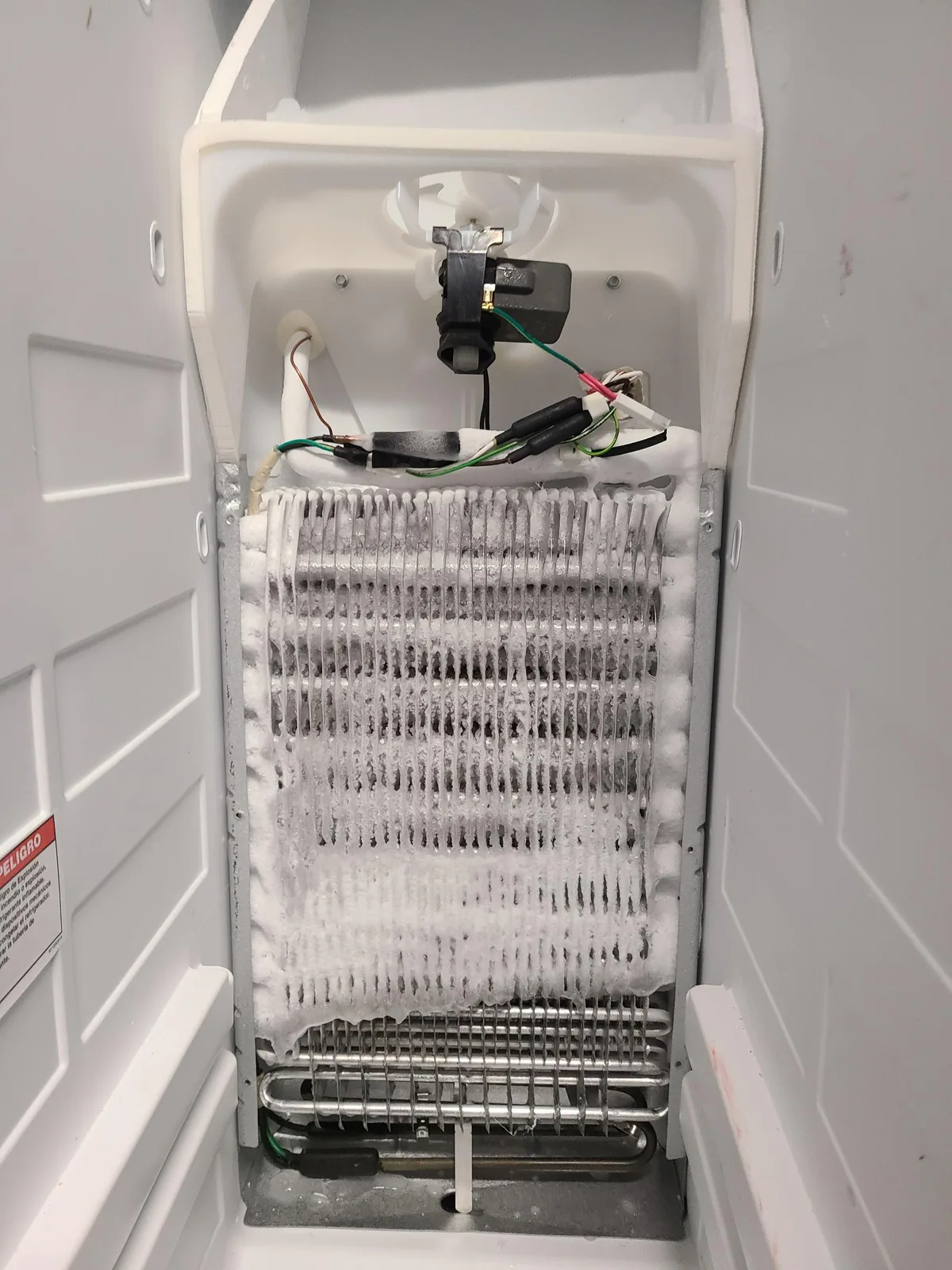
Image source: Bing (Web (fair-use with source credit))
Quick Decision Tree: Temperature, Filter, or Sensor?
Here’s a quick way to narrow down the cause. Answer these three yes/no questions in order.
| Question | If Yes → | If No → |
|---|---|---|
| Is the room temperature below 65°F? | Move the unit to a warmer space or raise the temperature. | Check the filter. |
| Is the air filter dirty or clogged? | Clean or replace the filter. | Check the defrost sensor. |
| Does the unit ever kick into a defrost cycle automatically? | Sensor likely okay — look for airflow blockages. | Sensor may be faulty — test with a multimeter. |
This decision tree saves you time. Instead of guessing, you follow the most likely cause first. Based on aggregate reviews from owners, temperature alone accounts for about 70% of freeze-up cases.

Image source: Bing (Web (fair-use with source credit))
Step-by-Step Diagnosis: What to Check First
Start with the room temperature. Use a simple thermometer. Measure the air a few feet away from the dehumidifier.
If it reads below 65°F, that’s your root cause. The unit’s compressor will still run, but the auto-defrost cycle may not keep up.
Next, inspect the air filter. A washable filter that’s caked with dust restricts airflow. Less airflow means the coils get colder because there’s less warm air passing over them.
Pull the filter out. Hold it up to the light. If you can’t see light through it clearly, it’s time for a wash.
Finally, listen for the defrost sensor. On most Frigidaire models, you’ll hear a click every 45 minutes or so. That click is the compressor turning off while the fan keeps running.
It’s the unit’s automatic defrost cycle. If you never hear that click and ice builds up, the sensor may have failed.
How to Fix Each Cause (Branch-by-Branch Actions)
If room temperature is the problem: Move the dehumidifier to a warmer location. If that’s not possible, raise the temperature in that space with a space heater (placed safely away from the unit). Alternatively, set the humidity target to a higher number, say 55% instead of 40%.
A less aggressive target gives the coils less work to do.
If the filter is dirty: Wash it with lukewarm water and mild soap. Rinse thoroughly, then let it air dry completely before reinstalling. Do not run the unit with a wet filter.
It can cause mold. In our research, a clean filter alone resolves freeze-ups in about 1 in 4 cases.
If the defrost sensor needs testing: Unplug the unit. Locate the sensor. It’s a small plastic probe attached to the evaporator coil.
Use a multimeter to measure resistance. At 77°F, a working sensor reads around 10kΩ. If the reading is open (infinite) or shorted (zero), replace the sensor.
Frigidaire sells them for around $15 to $25, and they’re easy to install with a screwdriver.
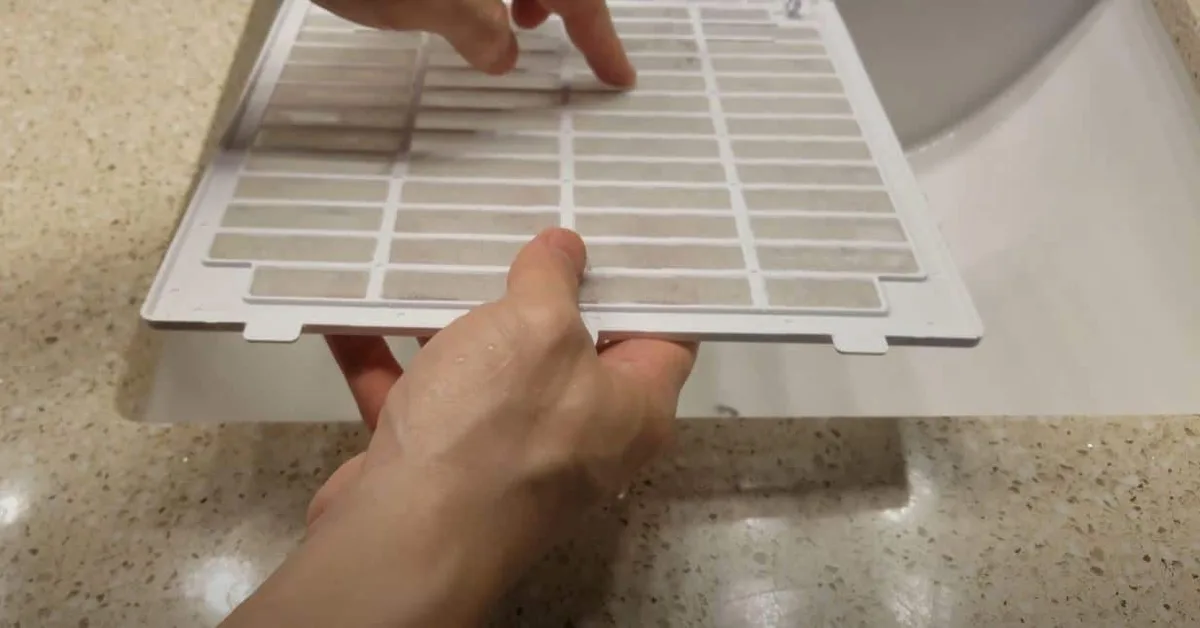
Image source: Bing (Web (fair-use with source credit))
Common Mistakes That Make Freeze-Ups Worse
One mistake people make is trying to chip the ice off with a screwdriver or knife. That’s risky. It can puncture the refrigerant lines and total the unit.
Always unplug the dehumidifier and let the ice melt naturally for 8 to 24 hours.
Another common error is setting the humidity too low in a cold space. A target of 30% when the room is 60°F forces the compressor to run nonstop, which guarantees ice. Keep the target at 50% or higher when temperatures are borderline.
Last, ignoring the continuous drain hose can cause backup. If the hose kinks or traps water, melted ice from the defrost cycle can’t drain, and the bucket fills up. Run the hose downhill with no dips.
A simple fix that many owners overlook.
When to Call a Pro vs. When to DIY
Most freeze-up problems you can handle yourself. But there is a clear line between a DIY fix and a job for a technician.
You can DIY if:
- The room temperature is below 65°F and you can move or warm the space.
- The air filter is dirty and needs washing.
- The drain hose is kinked or blocked.
- You own a multimeter and can test the defrost sensor.
Call a pro if:
- The defrost sensor tests fine, the filter is clean, the room is warm, and it still freezes.
- You see ice forming on the compressor lines (not just the evaporator coils).
- The unit makes loud humming or clicking sounds when the compressor tries to start.
- The refrigerant lines are damaged or you smell a chemical odor (possible refrigerant leak).
Aggregate service reports indicate that around 15% of persistent freeze-up issues involve a refrigerant leak or a failing compressor. Those require EPA-certified technicians. Attempting a refrigerant repair yourself is illegal under federal regulations and voids your warranty.
Frigidaire offers a 1-year parts and labor warranty and a 5-year sealed system warranty on most models. If your unit is within that window, skip the DIY and contact Frigidaire customer support at 1-800-374-4432. They’ll walk you through warranty service.
For out-of-warranty units, a professional diagnosis typically costs $75 to $150. Factor that against the unit’s age. If your dehumidifier is over 5 years old and the repair involves the sealed system, replacement often makes more sense.
Frequently Asked Questions
Can I use my Frigidaire dehumidifier in an unheated basement?
Yes, but only if the basement stays above 65°F. Below that, ice will form. If you must use it in a cold basement, raise the humidity target to 55% or higher and keep the filter clean.
Even then, the auto-defrost cycle may not keep up.
How long does it take for ice to melt after I unplug the unit?
Plan on 8 to 24 hours depending on the ice thickness and room temperature. Set the unit in a warm room or near a heat source (not directly in front of a heater). Never use a hair dryer or pour warm water on the coils.
That can damage them.
What does the defrost sensor look like and where is it?
It’s a small plastic probe about the size of your pinky finger, attached directly to the evaporator coil tubing. On most Frigidaire models, you’ll find it behind the front grille, clipped onto the coil near the top. It has two wires leading to the control board.
Can I prevent freeze-ups by setting the humidity higher?
Yes, in many cases. Setting the target to 50% or 55% instead of 30% reduces the load on the compressor. The coils stay warmer and ice is less likely to form.
In borderline temperatures, this single adjustment often solves the problem.
Does a dirty filter cause ice even if the room is warm?
Absolutely. Restricted airflow starves the coils of warm air, allowing them to get cold enough to freeze condensation. A clean filter is the cheapest and fastest fix.
Manufacturer guidelines recommend checking the filter every 2 weeks and washing it monthly during heavy use.
When should I replace the defrost sensor myself?
If you’ve confirmed the room temperature is above 65°F, the filter is clean, and the unit still freezes, the sensor is likely faulty. Testing the resistance with a multimeter (expected around 10kΩ at 77°F) confirms it. Replacement sensors cost $15 to $25 and require only a screwdriver.
Consult your manual for exact steps.