How Much Does It Cost to Run a Dehumidifier
If you have ever wondered how much does it cost to run a dehumidifier, you are not alone. It is the first question most people ask before plugging one in. The short answer is between 4 and 12 cents per hour.
But the real number depends on three things you can look up in about two minutes.
According to Energy Star testing, a typical 50-pint dehumidifier draws around 600 watts when running. That is less than a hair dryer but more than a box fan. Your actual cost comes down to your local electricity rate, how big your unit is, and how you use it.
Let us break down exactly how to find your number.
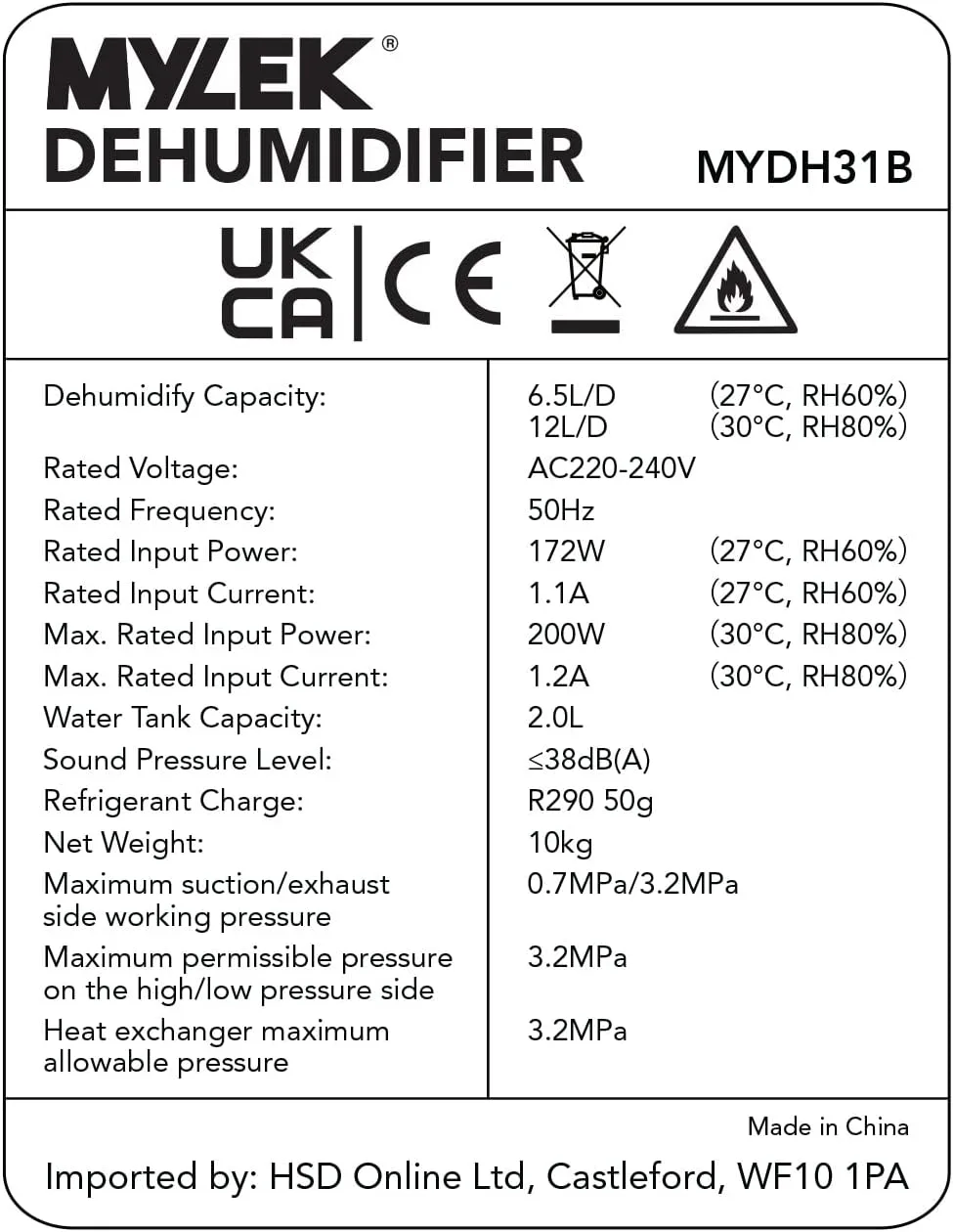
Image source: Bing (Web (fair-use with source credit))
Quick Answer
Running a dehumidifier costs between 4 and 12 cents per hour. At the national average electricity rate of 14 cents per kWh, a 50-pint unit costs about 8 cents per hour. That is roughly 64 cents for 8 hours.
A 70-pint model costs closer to 10 cents per hour. Your exact cost depends on wattage, hours, and local rate.
Why Your Dehumidifier Running Cost Is Not a Fixed Number
That number on the box does not tell you how much power it draws. Two different 50-pint dehumidifiers can use very different amounts of electricity. One might pull 500 watts.
Another might pull 700 watts.
Wattage is what matters for your electric bill. And wattage changes depending on what the unit is doing. When the compressor is running, it pulls full power.
When the fan runs but the compressor does not, it pulls much less. That is why a fixed cost per hour estimate only works as a rough starting point.
Your local electricity rate also makes a big difference. If you live in Louisiana, you might pay around 10 cents per kWh. If you are in Hawaii, you could pay over 40 cents per kWh.
The same dehumidifier running for the same hours will cost four times more in one place than the other.
Then there is the humidity level in your space. A dehumidifier in a damp basement runs more often than one in a moderately humid living room. It is not running all the time, even if it is plugged in.
That is the key insight most estimates miss.
The Simple Formula That Works for Any Dehumidifier
You do not need a special tool. You just need one formula. It works for any dehumidifier and any electricity rate.
(Watts / 1000) x Hours Per Day x Electricity Rate = Daily Cost
Let us walk through each piece.
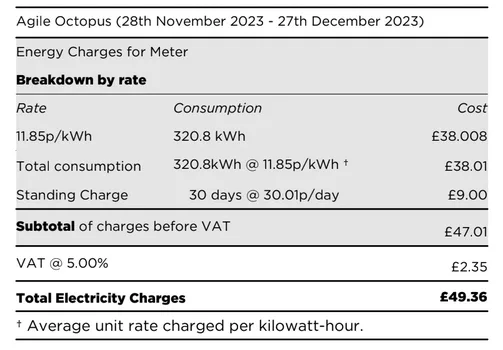
Image source: Bing (Web (fair-use with source credit))
Watts is the power draw of your unit. You will find this number on the yellow EnergyGuide label or on the back of the machine. A typical portable dehumidifier uses between 300 and 900 watts.
Divide by 1000 to convert to kilowatts. That is how your utility company bills you.
Hours Per Day is how many hours the compressor actually runs. Not how many hours it is plugged in. If you run it on a humidistat, the compressor cycles on and off.
Use estimated run time, not total plugged in time.
Electricity Rate is what you pay per kilowatt-hour. You will find this on your monthly bill. The national average as of 2026 is around 14 cents per kWh according to [U.S.
Energy Information Administration](https://www.eia.gov) data. But yours could be higher or lower.
Here is a real example. A 600-watt dehumidifier running 8 hours per day at 14 cents per kWh. (600 / 1000) x 8 x 0.14 = 0.672.
That is 67 cents per day. About 20 dollars per month.
Step by Step: Find Your Wattage, Hours, and Rate
You can get your personal number in three steps. Each step takes about a minute.
Step 1: Find your wattage.
Look at the back or bottom of your dehumidifier. You will see a sticker with electrical specs. It might say something like 115V, 5.2A.
Multiply volts by amps to get watts. That is 115 x 5.2 = 598 watts. Round to 600.
If you see a wattage number directly, use that.
If you cannot find the sticker, look up the model number online. Manufacturer specs list the rated wattage. Or use a kill-a-watt meter if you want the exact number.
The sticker method works for 95 percent of people.
Step 2: Estimate your daily run time.
This is the trickiest part. A dehumidifier on a humidistat set to 50 percent relative humidity runs differently in different conditions. In a damp basement in summer, it might run 12 hours per day.
In a dry living room in winter, it might run 4 hours per day.
A good starting estimate is 8 to 10 hours per day for a basement dehumidifier running during humid months. If you want to be more precise, run the unit for a few days and note how many hours the compressor actually runs. Some units have a run time counter.
Step 3: Find your electricity rate.
Look at your latest electric bill. Find the line that says rate per kWh or energy charge. It is usually between 9 and 30 cents depending on where you live.
If you cannot find it, call your utility company. They will tell you.
Now plug those three numbers into the formula. You will have your exact daily cost. Multiply by 30 for a monthly estimate.
Multiply by 3 or 4 for a seasonal estimate.
The Decision That Changes Everything: Continuous vs. Humidistat Mode
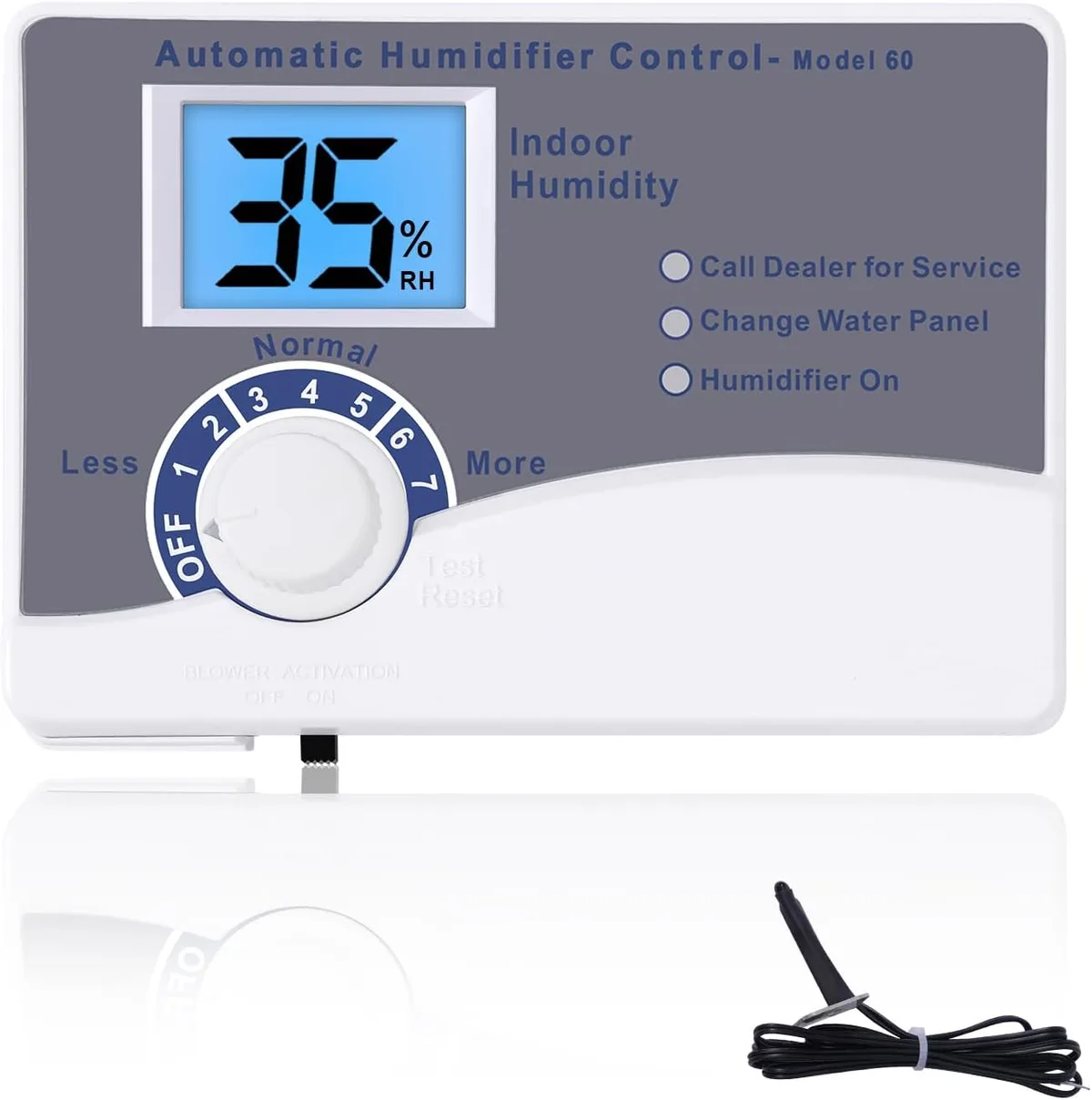
Image source: Bing (Web (fair-use with source credit))
This is where most people accidentally double their electric bill. They set the dehumidifier to continuous mode and let it run 24 hours per day. That is rarely necessary.
Continuous mode means the unit runs nonstop. The compressor never cycles off. It pulls full wattage every hour of every day.
A 600-watt unit running 24 hours per day at 14 cents per kWh costs about 2 dollars per day. That is 60 dollars per month.
Humidistat mode is different. You set a target humidity level, usually 50 percent. The dehumidifier runs until it reaches that level.
Then it turns off. It only kicks back on when the humidity rises again. This can cut your run time by half or more.
The savings add up fast. If your unit runs 12 hours per day on continuous but only 6 hours per day on humidistat mode, you cut your cost in half. That is the difference between 30 dollars per month and 15 dollars per month.
For most basements and living spaces, 50 percent relative humidity is the sweet spot. It is dry enough to prevent mold and musty smells. It is humid enough that the unit does not fight itself.
Setting it lower than 45 percent usually wastes energy without much benefit.
If you have a basement that stays consistently damp, you might need continuous mode during the worst summer weeks. But for normal use, let the humidistat do its job. That is what it is there for.
Real World Cost Scenarios by Unit Size and Usage
Different dehumidifier sizes have different power draws. Here is what you can expect for each common size.
| Unit Size | Typical Wattage | Cost per Hour* | Cost per Day (8 hrs) | Cost per Month |
|---|---|---|---|---|
| 30-pint | 300 watts | 4 cents | 34 cents | $10 |
| 50-pint | 600 watts | 8 cents | 67 cents | $20 |
| 70-pint | 700 watts | 10 cents | 78 cents | $24 |
| Whole-house | 900 watts | 13 cents | 1 dollar | $31 |
*Based on national average electricity rate of 14 cents per kWh.
These numbers assume the compressor runs for the full time. In reality, a unit on humidistat mode runs less. So your actual costs could be lower.
For a 50-pint unit running 8 hours per day on humidistat mode, the compressor might only run 5 or 6 of those hours. That drops the daily cost to about 50 cents. Over a three month humid season, that is roughly 45 dollars.
Well within what most people consider reasonable.
Common Mistakes That Make Your Electric Bill Higher Than It Should Be
Even with a good unit, small mistakes can add dollars to your monthly bill. Here are the most common ones.
Setting the humidity too low.
Some people set their dehumidifier to 35 or 40 percent. That forces the unit to run much longer. It rarely gets that dry in a basement.
Stick to 50 percent. You will save energy and still prevent mold.
Running continuous mode unnecessarily.
As we covered, continuous mode doubles your run time. Only use it for initial drying after a flood or during extreme humidity. For everyday use, humidistat mode is the better choice.
Blocking airflow.
Dehumidifiers need space to breathe. If you push the unit against a wall, it cannot pull in air properly. That makes it run longer to reach the same humidity level.
Keep it at least 6 inches from walls and furniture.
Ignoring the filter.
A dirty filter restricts airflow. The unit has to work harder. Clean the filter every month during heavy use.
It takes two minutes and keeps the unit running efficiently.
Using an oversized unit.
A 70-pint unit in a small room will cycle on and off too quickly. That wastes energy and wears out the compressor faster. Match the unit size to your space.
A 30-pint unit is fine for a single bedroom. A 50-pint unit works for most basements.
Placing the unit in a corner.
Corners have poor airflow. The unit pulls humid air from the center of the room better. Place it in an open area away from clutter.
Frequently Asked Questions
How much does it cost to run a dehumidifier all day?
A 50-pint dehumidifier running 24 hours per day costs about 2 dollars per day at the national average rate. That is 60 dollars per month. Running it on a humidistat instead of continuous mode can cut that cost in half.
Does a dehumidifier use a lot of electricity?
It depends on the unit size and how you use it. A typical dehumidifier uses about the same electricity as a refrigerator. It costs less than running a window air conditioner for the same amount of time.
How can I reduce my dehumidifier electricity cost?
Set the humidistat to 50 percent. Clean the filter monthly. Place the unit in an open area.
Use continuous mode only when necessary. Match the unit size to your room. These steps can cut your cost by 30 to 50 percent.
Is it cheaper to run a dehumidifier or an air conditioner for humidity?
A dehumidifier is usually cheaper. An air conditioner uses more power to cool the air while removing humidity. A dehumidifier only removes humidity.
For a basement, a dehumidifier is the more cost effective choice.
How many watts does a dehumidifier use per hour?
A 30-pint unit uses about 300 watts per hour. A 50-pint unit uses about 600 watts. A 70-pint unit uses about 700 watts.
Check the EnergyGuide label on your unit for the exact wattage.
What is the most energy efficient dehumidifier setting?
Set the humidistat to 50 percent relative humidity. That is the standard recommendation from the Department of Energy. It prevents mold without wasting energy.
Lower settings force the unit to run longer for minimal benefit.
The Bottom Line: Is Running a Dehumidifier Actually Worth It?
For most people, the answer is yes. The cost is usually between 10 and 30 dollars per month during humid seasons. That is a small price to pay for preventing mold, protecting your belongings, and keeping your home comfortable.
Consider what you get. No musty smells in the basement. No moisture damage to wood furniture.
No mold growth behind drywall. Better indoor air quality for your family. In our research, the benefits far outweigh the cost for most homes.
If you are still shopping for a unit, check the Energy Star rating. Energy Star certified models use about 15 percent less electricity than standard models. That savings adds up over the life of the unit.
For a deeper look at specific models, see our guide to the best dehumidifier for different spaces. And if you are dealing with a damp basement, the best dehumidifier for basement options focus on the features that matter most in that environment.
The formula is simple. Find your wattage. Check your rate.
Set your humidistat. You will know exactly what it costs to run your dehumidifier. And you will know it is money well spent.