Why Does My Dehumidifier Smell Like Plastic
Why does my dehumidifier smell like plastic? You're not alone. That sharp, sweet plastic smell on a brand-new unit is usually just off-gassing.
It's a harmless release of chemicals as the plastic heats up for the first time. But the key is knowing when it stays harmless and when it turns dangerous. Let's walk through it.
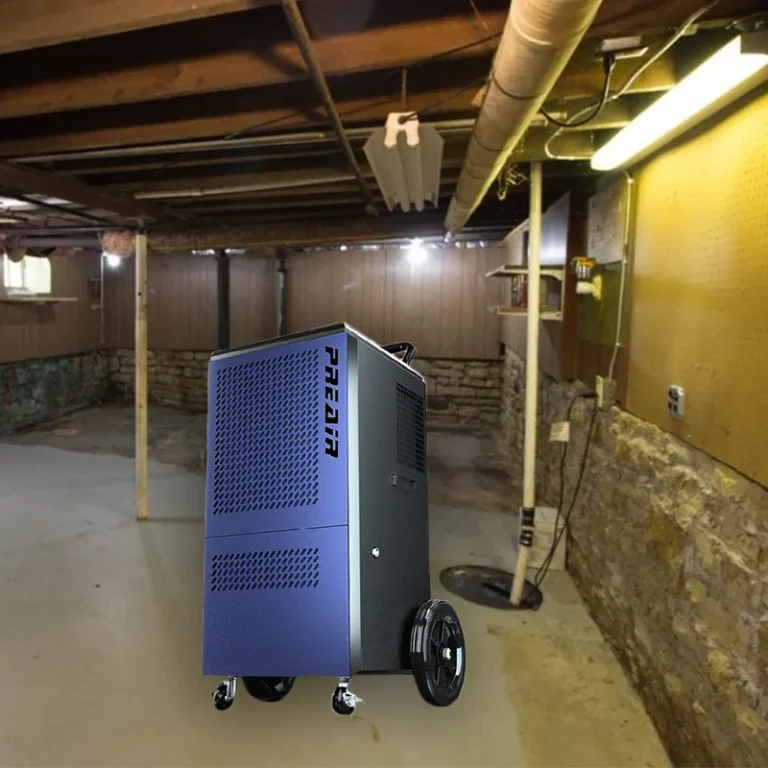
Per manufacturer specifications, new dehumidifiers can emit volatile organic compounds (VOCs) from plastic components like the housing and drain pan. These odors typically clear up within 24 to 72 hours of continuous use. As of 2026, most portable units still use ABS or polypropylene enclosures.
A plastic smell on day one is common. What matters is how the smell evolves.
Image source: Bing (Web (fair-use with source credit))
The Quick Answer: Is That Plastic Smell Normal or Dangerous?
Yes, it's probably normal off-gassing. If the smell is mild, doesn't burn, and fades within three days, you're fine. If it smells acrid, like melting wires, or comes with heat, unplug it now.
That's an electrical fault.
Why New Dehumidifiers Smell Like Plastic (Off-Gassing, Explained)
Think of off-gassing like the "new car smell" for appliances. When your dehumidifier's plastic casing, fan shroud, or drain pan heats up for the first time, the chemical compounds trapped inside those plastics escape as gases. These are VOCs, and they're a normal part of manufacturing.
The process is simple. Freshly molded plastic parts retain trace solvents and release them through your machine's exhaust. You'll notice it most during the first few runs, especially if the unit runs longer than an hour.
What should you expect?
- A distinct plastic or chemical smell when you first switch it on
- The smell often peaks at the 30 to 60 minute mark, then starts to fade
- It may return briefly after the unit sits for weeks, then vanish again
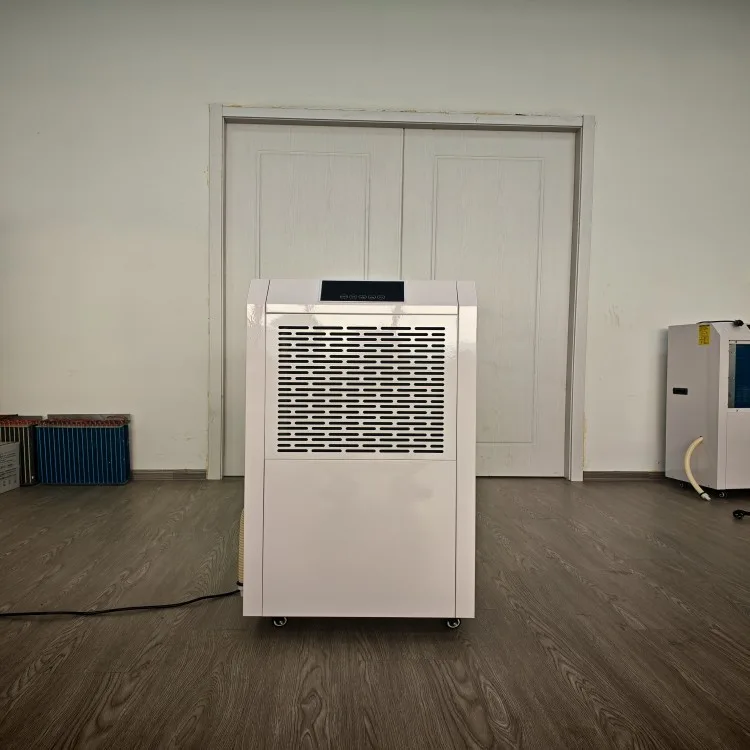
Most manufacturers design for this. They specify a break-in period precisely so the plastic can cure and stabilize. That's why the smell tends to disappear faster if you run the unit continuously for a day or two.
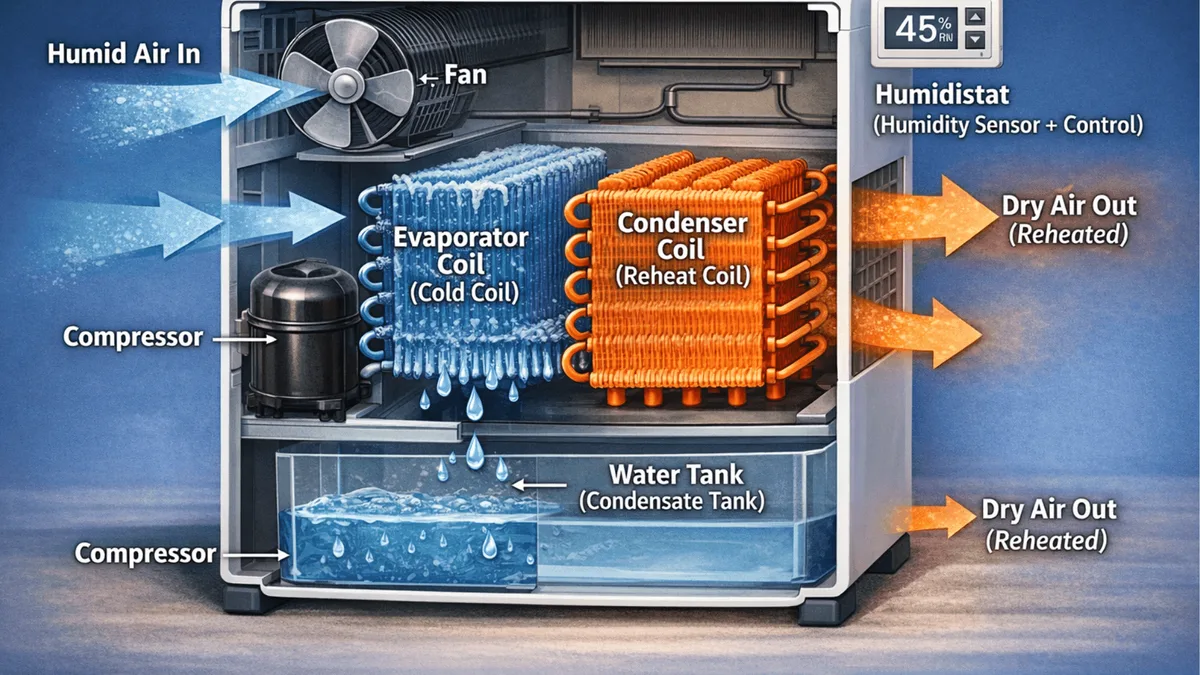
Image source: Bing (Web (fair-use with source credit))
If you're still smelling plastic after three or four days of constant running, something else is going on. That's not normal off-gassing. That's a problem worth investigating.
When It's Not Normal: Burning Plastic, Overheating, and Other Red Flags
Plastic off-gassing smells like warm plastic. Think of a blow dryer on a new appliance. A burning smell is different.
It's sharp, acrid, sometimes smoky. The difference is obvious up close.
| Normal plastic smell | Dangerous burning smell |
|---|---|
| Sweet, chemical smell | Acrid, stinging, smoky |
| Fades after 72 hours | Gets stronger over time |
| No visible smoke | Smoke or wisps near vents |
| Unit stays cool to touch | Housing feels hot or has hot spots |
Per the Consumer Product Safety Commission, any appliance that smells like burning should be unplugged immediately. Overheating plastic can melt wiring, trip circuits, and in rare cases, start a fire. Don't wait to see if it goes away.
Other red flags include:
- A crackling or sizzling sound from inside
- The power cord feels warm or hot
- Your circuit breaker trips while the unit runs
- The outlet or plug shows melt marks
If you see any of these, unplug the dehumidifier, stop using it, and contactthe manufacturer or a qualified technician for service. Do not attempt to open the sealed compressor housing yourself.
How to Find the Source: A Simple Step-by-Step Check
When the smell hangs around longer than a few days, it's time to inspect. Do this with the unit unplugged and cooled down.
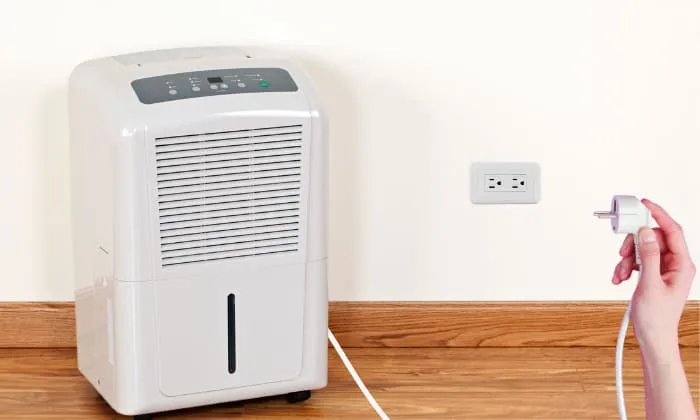
- Unplug the dehumidifier and let it cool for at least 30 minutes.
- Remove the air filter and inspect it. Dust and hair can hold odors. A clogged filter restricts airflow, which makes internal parts run hotter. Check our best dehumidifier for basement if airflow issues keep happening in large spaces.
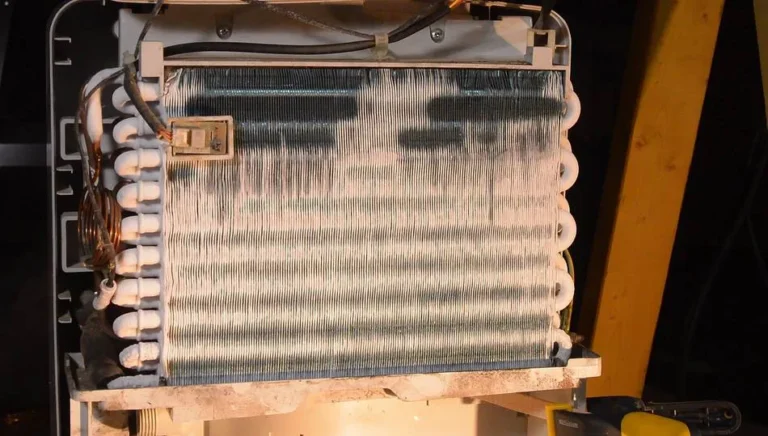
- Smell the filter. If it smells like burnt dust, that's a sign the coil is overheating. If it smells like vinegar or mildew, the filter needs a wash.
- Open the water bucket and sniff inside. Stagnant water can sometimes produce a chemical smell, especially if bacteria have started growing.
- Locate the air intake and exhaust vents. Shine a flashlight inside and look for anything melted, warped, or darkened. Also check for a foreign object, like a plastic bag or piece of packaging, that got sucked into the unit.
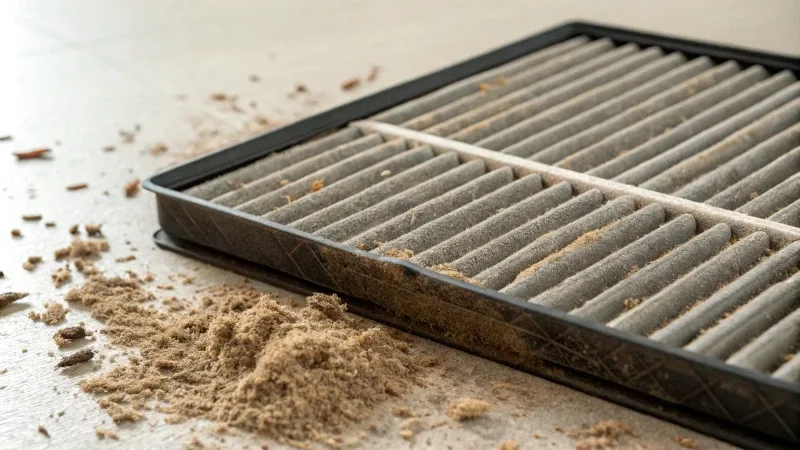
Image source: Bing (Web (fair-use with source credit))
- Reassemble and run the unit for 15 minutes. Stand near the exhaust and sniff again. If the smell is still strong, the source is likely the compressor or wiring inside the sealed system.
A quick note: do not open the compressor housing. The refrigerant system is sealed. Opening it voids your warranty and exposes you to pressurized chemicals.
That's a job for a professional.
Mistakes to Avoid (And What Those Other Smells Actually Mean)
Plenty of dehumidifier owners accidentally create smells that they later mistake for off-gassing. A few common mistakes can also make a real problem worse.
- Running the unit on an uneven surface. This causes vibration, which can loosen wires and make them rub against plastic. A loose wire can produce a burnt smell.
- Forgetting to change the filter. A dirty filter reduces airflow, which forces the motor to work harder and heat up. Heat plus dust equals that warm, dusty smell.
- Placing the unit too close to a wall. If the exhaust is blocked, hot air recirculates through the machine and can soften plastic parts.
- Ignoring the drain hose. If you use continuous drainage, a kinked hose can back water up into the fan motor. That creates a wet, hot plastic smell.
A fishy or urine-like smell is often a sign of an electrical short. A vinegar or sour smell means mold or mildew in the bucket or on the coil. Neither of those is normal plastic off-gassing.
If your unit's smell doesn't fit any of these patterns, and you're already considering a replacement, check our guide to the best dehumidifier to see what upgrades to look for. Otherwise, trust your nose, stick to the safety checks, and you'll know exactly when to keep running it and when to shut it down.
Maintenance That Keeps the Smell Away Long-Term
Most plastic smells come from things you can prevent. A clean, well-maintained dehumidifier practically never develops mystery odors. The trick is building a few simple habits.
Clean the filter every two weeks. A dirty filter restricts airflow, trapping heat inside the unit. That heat accelerates off-gassing from plastic parts. It also bakes dust onto the coils, which smells like burnt toast.
Rinse foam filters with warm water and let them dry completely before reinstalling.
Wipe down the bucket and drain pan monthly. Stagnant water grows bacteria and mold. Those organisms produce a sour, musty smell that can mix with the plastic odor and confuse your nose. Use a mild vinegar solution, rinse well, and dry before putting the bucket back.
Inspect the drain hose and port. If you use continuous drainage, check for kinks or algae buildup. A blocked hose can back water up into the fan assembly. That creates a wet, hot plastic smell that is hard to chase down.
Vacuum the intake and exhaust vents. Lint and pet hair accumulate fast. Use a soft brush attachment every few weeks. Aggregate reviews from users who run units in basements confirm that vent cleaning alone often resolves lingering plastic odors.
Let the unit rest once a month. Run it for 24 hours, then turn it off for 8 hours. This cool-down period lets internal parts return to room temperature. Thermal cycling helps plastic parts stabilize and reduces the concentration of VOCs released at once.
Store it properly between seasons. Empty the bucket completely. Remove the filter and clean it. Store the unit upright in a dry, climate-controlled space.
If you store it in a hot garage or damp shed, moisture trapped inside can react with plastic surfaces and produce a stale chemical smell when you restart it.
Frequently Asked Questions
How long does the plastic smell last on a new dehumidifier?
Most units off-gas for 24 to 72 hours of continuous use. The smell is strongest in the first hour and fades steadily. If it lasts longer than a week, you likely have a different problem.
Check the filter, bucket, and airflow.
Can a plastic smell from a dehumidifier be harmful?
The off-gassing from new plastic is not considered toxic at normal levels. But a burning plastic smell can indicate melting wires or an electrical short. That is a fire risk.
If the smell is sharp, smoky, or accompanied by heat, unplug the unit immediately.
Why does my dehumidifier smell like plastic after months of use?
This usually means a part is overheating. Check the air filter first. A clogged filter traps heat and can soften internal plastic.
Also inspect the fan blade for obstructions. If the smell comes from the compressor area, contact the manufacturer.
What does burning plastic smell like vs. normal off-gassing?
Normal off-gassing smells like a new shower curtain or a hair dryer on a new appliance. It is sweet and chemical. A burning smell is acrid, sharp, and smoky.
It stings your nose and throat. Trust your nose here. If it smells like something is on fire, something probably is.
Should I return a dehumidifier that smells like plastic?
Not right away. Give it three days of continuous operation. If the smell fades, it was normal off-gassing.
If it stays the same or gets stronger, contact the retailer or manufacturer. Most brands will replace a unit that smells like burning within the warranty period.
Can I speed up the off-gassing process?
Yes. Run the unit in a well-ventilated room for 48 hours straight. Open a window or use a fan to circulate air.
Keep the unit away from walls so airflow is unrestricted. You cannot fully eliminate off-gassing, but fresh air helps it dissipate faster.
The Bottom Line: Should You Keep Running It or Unplug It?
Here is the decision in plain terms. If the smell is mild, sweet, and fades within three days, keep running it. That is normal off-gassing.
If the smell is sharp, smoky, or gets stronger, unplug it. That is a safety issue.
If you are unsure, use the 15 minute test. Run the unit for 15 minutes with the filter removed. Stand near the exhaust.
If the smell is clearly chemical and not burning, put the filter back and run it for another hour. Check again. If the smell intensifies or changes, shut it down.
For basement units, where the smell can linger in a closed space, we recommend the best dehumidifier for basement models that include better ventilation and easier filter access. Those design features reduce the chance of overheating and the odors that come with it.
The bottom line is simple. Your nose knows the difference between new plastic and burning plastic. Trust it.
When in doubt, unplug first and ask questions later. A few hours without dehumidification is a small price for peace of mind.