Why Is My Dehumidifier Freezing Up
Probably not the question you planned to solve today, but if there's ice in your dehumidifier, you're in the right place. Why is my dehumidifier freezing up? The evaporator coils dropped below 32°F.
When that happens, the unit can't drain moisture. Your bucket stays empty while the machine keeps running.
As of 2026, most portable refrigerant dehumidifiers list a minimum operating temperature around 65°F (18°C). That spec is easy to ignore until the basement gets cold. Our research shows that low room temperature and a dirty filter cause the overwhelming majority of freeze-ups.
Let's walk through each cause and how to fix it.
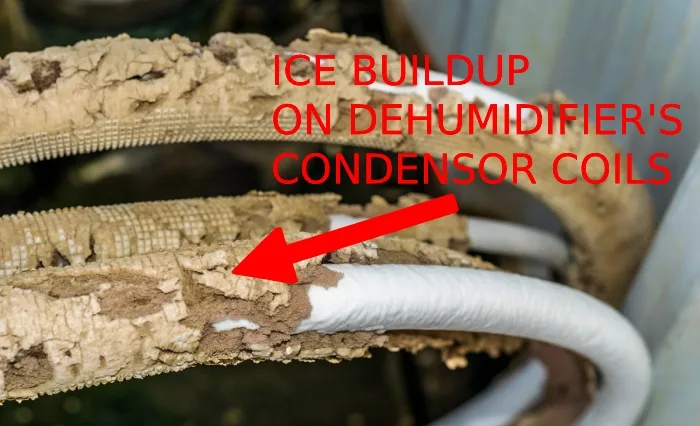
Image source: Bing (Web (fair-use with source credit))
Why Your Dehumidifier Freezes Up: The Quick Answer
Your dehumidifier freezes because its evaporator coils drop below 32°F (0°C). Cold air and weak airflow both cause this. A dirty filter is the usual suspect.
Low room temperature is the next. Defrost sensors can fail too, but check the basics first.
What freezing up actually means
The evaporator coil is already cold by design. That's how it pulls moisture from the air. When the coil gets colder than 32°F, the water vapor on it turns to frost instead of dripping into the bucket.
Over time, frost becomes a solid layer of ice.
That ice blocks heat exchange. The fan keeps pushing room air over the ice, which makes the coil even colder. The result is a machine that hums, blows air, and collects zero water.
Why ice stops water collection
Water only drains from a coil that's above 32°F. Ice locks moisture on the coil surface, so the bucket stays empty until it thaws. Some units trip the defrost sensor repeatedly, which makes them restart every few minutes.
The good news? This is rarely a dead compressor. In most cases, the fix is cleaning a filter, moving the unit, or changing your settings.
The 2 Biggest Triggers: Low Room Temp vs. Restricted Airflow
These two conditions cause nine out of ten freeze-ups. They often work together. A cold basement plus a half-clogged filter is the classic setup.
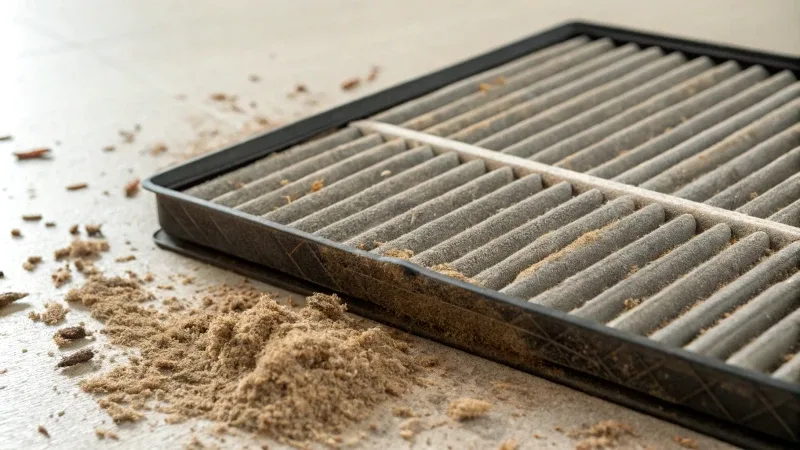
Image source: Bing (Web (fair-use with source credit))
Low room temperature
Refrigerant dehumidifiers are designed to run in rooms at or above 65°F. Drop below that, and the coil temperature falls past freezing quickly. The air in a cold room also holds less moisture, so the unit runs longer to remove water.
Longer run times mean more ice.
Restricted airflow
A dirty filter or a unit pushed against the wall reduces the air moving across the coils. Less airflow means the coil gets colder than it was designed to. The ice pattern looks different too.
Airflow problems often cause frost on the fins first, while cold-room freezing builds a uniform block over the whole coil.
Here's a quick visual test to separate the two:
| Symptom | Likely cause |
|---|---|
| Frost on the fins, airflow feels weak | Clogged filter or blocked intake |
| Thick ice all over the coil, room feels cold | Room below 65°F / 18°C |
| Ice returns quickly after defrost, room is warm | Defrost sensor or refrigerant problem |
Cold, damp basements are the most common setting for this. If your unit lives in a basement that stays chilly all year, check our guide to the best dehumidifier for basement use before buying anything new.
A Simple Decision Workflow: Diagnose Your Freeze in 10 Minutes
Follow these steps in order. Each one eliminates a possible cause and points to the fix.
Step 1: Check the room temperature. Use a thermometer near the dehumidifier. If it reads below 65°F, you've found the likely cause. Move the unit to a warmer room, or accept that it may keep freezing in that location.
Step 2: Unplug the unit and inspect the filter. If it's covered in dust, wash it with soapy water and dry it completely. A clean filter is the cheapest fix you'll ever make. If the filter is torn, replace it.
Step 3: Look at the ice pattern before it melts. Thin white frost across the fins points to airflow trouble. A thick, solid block over the entire coil points to cold room temperature or a refrigerant issue. Take a photo so you can compare after a test run.
Step 4: Test the defrost sensor. The sensor sits against the coil and tells the control board when to heat the coil. If the sensor fails, the unit never defrosts. Check the resistance with a multimeter and compare it to the manufacturer's spec.
If you're not comfortable with this step, call a technician.
Step 5: Suspect low refrigerant in a warm, clean room. If the room is above 70°F, the filter is new, and the unit still freezes, a refrigerant leak may be the cause. Oil streaks on the copper lines or a hissing sound support that diagnosis. Per EPA rules, refrigerant repairs require a certified technician.
This is not a DIY project.
One warning: never chip ice off the coils. A screwdriver can puncture the refrigerant line and turn a small problem into an expensive one.
The Fix: What to Do After It Thaws
The first step is patience. Unplug the unit and let it thaw completely. This can take 6 to 24 hours depending on how thick the ice is.
Put towels around the base to catch melting water, and empty the bucket more than once.

Image source: Bing (Web (fair-use with source credit))
Once the coil is dry, clean or replace the filter. This is the single best way to prevent a second freeze-up. Then check the placement.
The unit needs at least 12 inches of clearance on the intake side and around the exhaust. If the back of the unit is touching a wall, airflow dies fast.
Next, adjust your settings. Set the humidity target to 50% instead of 35% in cool rooms. A lower target forces the compressor to run longer, which encourages ice.
Run the fan on high rather than low. Low fan speed keeps the coil too cold.
If the defrost sensor is faulty, replace it. An OEM sensor typically costs $40 to $80 and clips directly onto the coil. It plugs into the control board with a simple connector.
If that feels out of your comfort zone, a local repair tech can handle it in about an hour.
For a basement that sits below the recommended temperature range, a standard refrigerant unit may keep freezing no matter what you do. A desiccant model, which doesn't use cold coils, can be a better fit.
Mistakes That Keep Ice Coming Back
These five mistakes undo all your hard work. Avoid them and your dehumidifier stands a much better chance.
Running the unit below its rated temperature. The minimum operating temp in your manual is a hard limit, not a suggestion. In a 55°F garage in January, a refrigerant dehumidifier will freeze again within hours.
Setting the humidity too low. A 30% target in a cold room means the compressor never cycles off. It runs continuously, the coil drops below freezing, and the defrost cycle can't catch up. Stick with 50% in cool conditions.
Ignoring the defrost cycle. Some units cycle the defrost heater automatically. Let it do its job. Turning the unit off and back on every time you see ice prevents the heater from running long enough to clear the coil.
Skipping filter maintenance. A filter takes 30 seconds to clean. After two months of dust, airflow drops enough to freeze the coil. Clean it monthly if the unit runs every day.
Confusing a frozen coil with a dead compressor. A frozen unit still hums, blows air, and draws power. That fools a lot of people into replacing the whole machine. Thaw it first, clean the filter, and run a test cycle before you buy anything new.
If your current unit is beyond saving, the best dehumidifier guide lists models with better cold-weather performance and stronger defrost systems.
Repair vs. Replace: How to Decide
A defrost sensor costs $40 to $80 in parts. A fan motor runs $80 to $200. A technician service call costs $75 to $150 just for diagnosis.
With labor, a simple fix lands between $150 and $300.
Refrigerant leaks are the expensive exception. Recharging the system runs $200 to $500, and finding the leak takes time. Under EPA regulations, only certified technicians can handle refrigerant.
This is never a weekend DIY project.
The compressor is the one part that signals the end. If it hums but won't start, or starts and trips the thermal overload, repairs can reach $400. That's usually more than a new portable unit.
Here's a quick decision table:
| Situation | Smart move |
|---|---|
| Unit under 5 years, repair under $150 | Fix it |
| Unit over 8 to 10 years, repair over $100 | Replace it |
| Compressor failure | Replace it |
| Refrigerant leak on an older unit | Replace it |
Refrigerant dehumidifiers typically last 3 to 5 years with daily use. A $200 repair on a 2-year-old unit is worth it. The same repair on an 8-year-old unit is a gamble.
Compare the quote to the price of a new model with similar capacity, not what you paid years ago.
Frequently Asked Questions
Can I use a dehumidifier in an unheated basement?
Yes, but only if the basement stays above the unit's rated minimum, usually 65°F. Below that, a refrigerant model freezes repeatedly. A desiccant dehumidifier handles colder spaces without ice, making it the better choice for unheated basements.
Measure the temperature before buying.
How long does it take for a dehumidifier to defrost?
Most units run a defrost cycle every 30 to 45 minutes, lasting 5 to 15 minutes. If ice has built up over hours, manually defrost by unplugging and letting the unit thaw for 6 to 24 hours. Never chip ice off the coils.
Will a space heater stop the freezing?
It can. Warming the room above 65°F raises the coil temperature above freezing, which stops new ice from forming. Place the heater near the intake, but leave the airflow path clear.
That's a temporary fix, not a permanent solution.
Is a desiccant dehumidifier better for cold rooms?
Yes, for rooms below 65°F. Desiccant units use a moisture-absorbing wheel instead of cold coils, so they don't freeze at low temperatures. They're also lighter.
The tradeoff is higher power draw and more heat output than refrigerant models.
Why does my dehumidifier freeze but still run?
This happens when the defrost sensor fails or ice forms somewhere the sensor can't read. The compressor keeps running while ice blocks airflow. Unplug the unit, let it thaw, then test the defrost sensor with a multimeter and replace it if needed.