Why Is My Dehumidifier Leaking From the Top
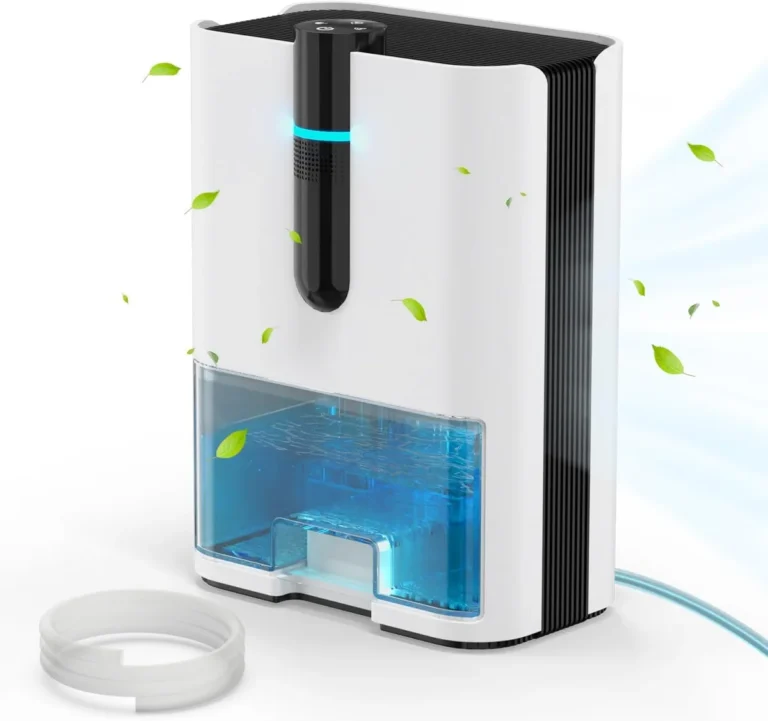
If you're staring at a puddle on the floor and wondering why is my dehumidifier leaking from the top, you're not alone. That top leak is more common than you'd think, and it's rarely a sign the machine is dead. In most cases, water is escaping past the collection point and finding its way out through a seam or seal.
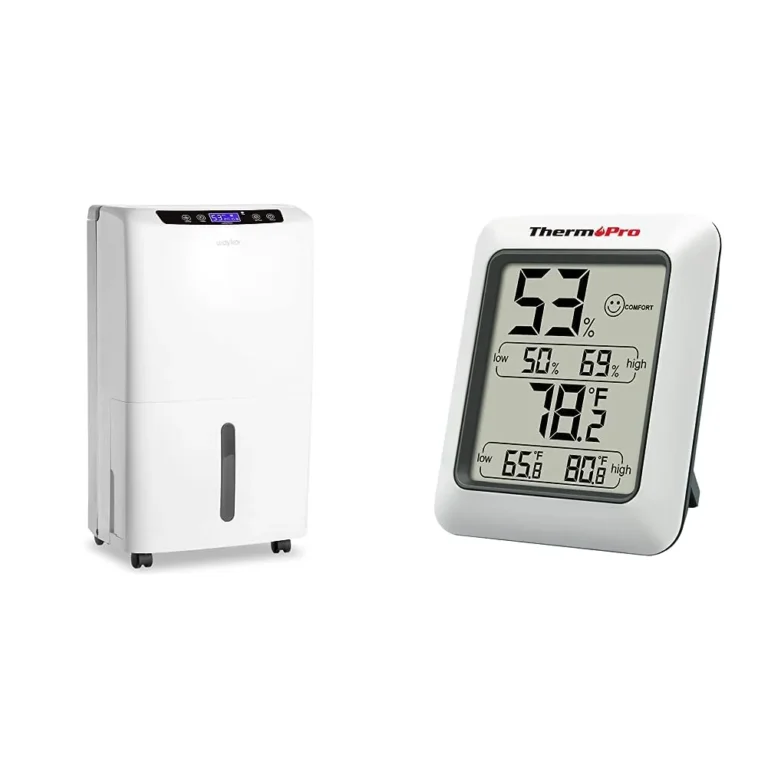
Manufacturer specifications suggest that most top leaks stem from three things: a misplaced float switch, a clogged air filter, or ice building up on the evaporator coils. As of 2026, the DOE test procedures for dehumidifiers emphasize proper airflow, which is exactly what keeps coils from freezing. Let's walk through the likely culprits one by one.
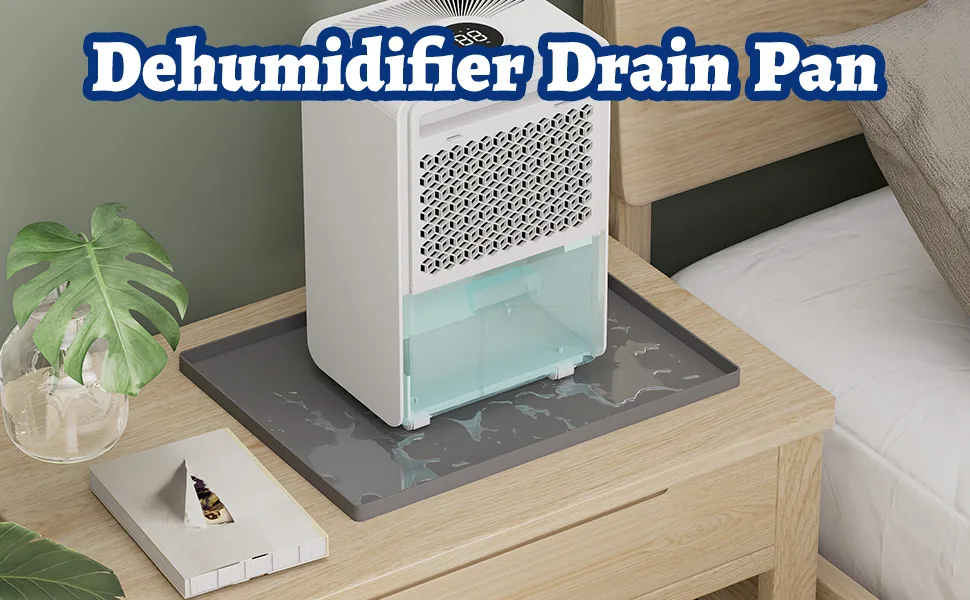
Image source: Bing (Web (fair-use with source credit))
Quick Answer
A top leak usually means water is bypassing the bucket and spilling over the internal drain pan. A clogged air filter, a stuck float switch, or frost on the coils are the typical causes. You can find the exact source in ten minutes with a few simple checks.
Why a Dehumidifier Leaks from the Top: How Condensation and Airflow Work
A dehumidifier pulls humid air over cold evaporator coils. The moisture condenses into droplets, which run down a drain pan and into the bucket. If that path gets blocked, water backs up and finds the easiest way out.
That's often the seam around the top cover.
The three main leak paths: the bucket, the drain pan, and the pump
- Bucket path. The water tank sits in a well below the pan. If the float switch fails or the bucket isn't seated properly, water overflows the pan.
- Drain pan path. Cracks or a tilted pan can drip water forward or sideways, where it pools on the top seam.
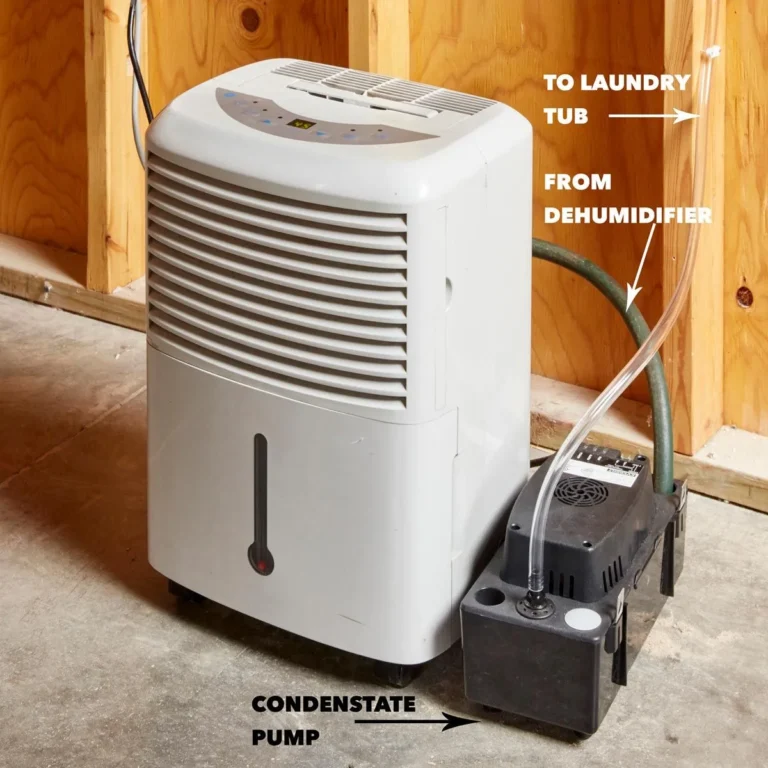
- Pump path. On pump models, a clogged inlet or discharge line makes water back up to the pan and spill over.
Why "top leak" is often a coil frosting issue in disguise
When airflow drops, the coils drop below freezing and ice forms. Then, when the defrost cycle kicks in, that ice melts all at once. A burst of water can overwhelm the drain pan, and you see a leak from the top.
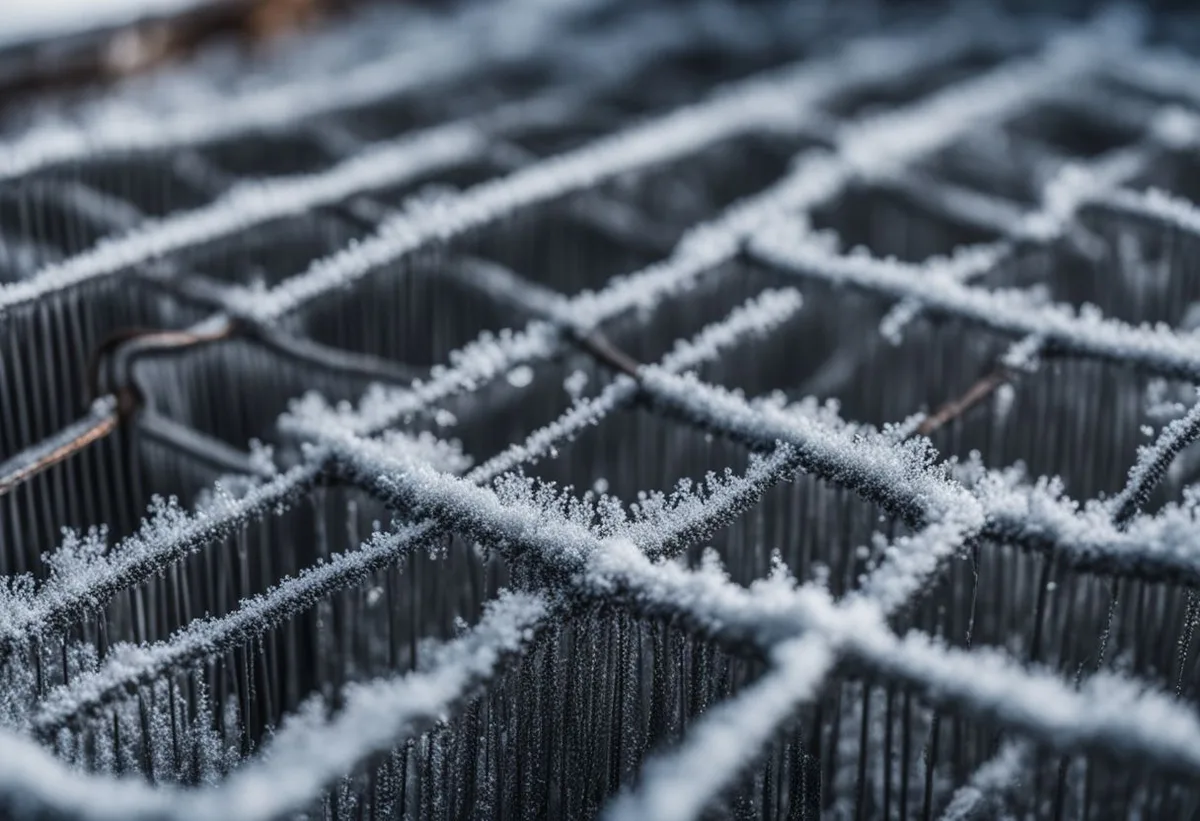
Image source: Bing (Web (fair-use with source credit))
Step-by-Step Diagnosis: Find the Source in 10 Minutes
Step 1: Unplug and dry the unit completely
Safety first. Unplug the dehumidifier and wipe down the top with a dry cloth. You can't trace a leak while water is still moving.
Step 2: Watch where the water actually collects first
Set the unit on a level surface with the bucket removed. Run it for 30 to 60 minutes, then check where the first drops appear. If they gather along the front seam, the float switch is likely stuck.
If they run from under the cover, suspect a blocked drain path.
Step 3: Check the float switch and bucket seating
The float switch shuts off the unit when the water level rises. If it's stuck down, the unit keeps running and water overflows. Make sure the bucket clicks firmly into place and the float moves freely.
Press the float gently to see if it springs back.
Step 4: Inspect the air filter and coils for ice
A dirty filter restricts airflow, which causes frost on the coils. Pull the filter out and hold it up to the light. If it's clogged, wash it and dry it completely.
Check the coils for white frost or heavy ice. If there's ice, turn the unit off and let it thaw for a few hours.
Step 5: Verify the drain hose and cap setup
If you're using a continuous drain, make sure the hose runs downhill and has no kinks. Check the drain cap. If you swapped from a bucket to a hose, the cap must be off the port.
A cap left in place blocks the water path entirely.
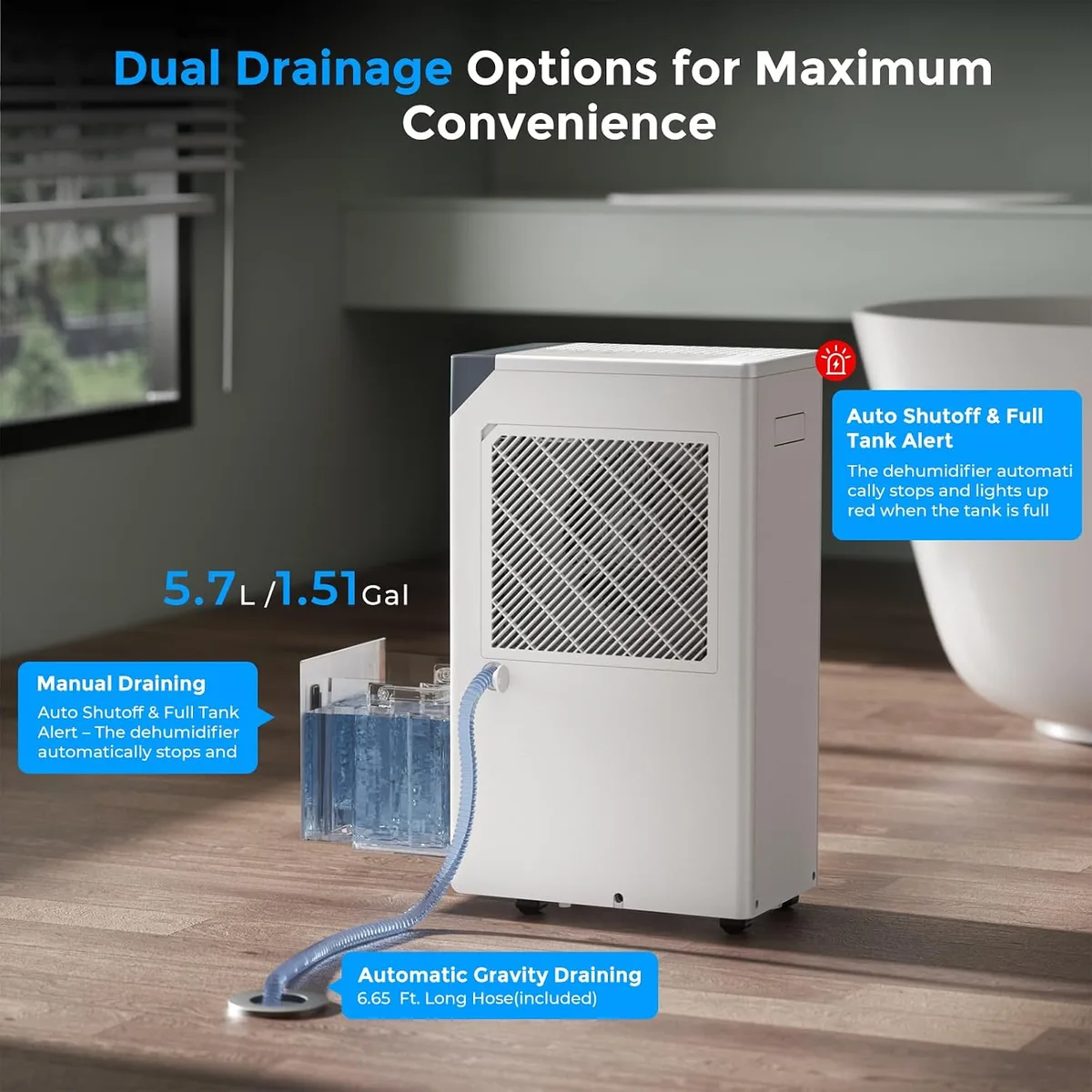
Image source: Bing (Web (fair-use with source credit))
Maintenance That Prevents Future Top Leaks
Cleaning the air filter, coils, and drain pan
Clean the air filter every two to four weeks during heavy use. Vacuum the coils with a soft brush attachment to remove dust. Flush the drain pan with warm water and mild soap to prevent sludge buildup.
A clean machine simply leaks less.
Leveling the unit correctly for good water flow
Dehumidifiers need a slight tilt away from the top seam. Most manufacturers recommend tilting the unit back by an eighth or quarter of an inch. This keeps water running into the drain pan instead of pooling forward.
Use a bubble level to check.
Using a continuous drain without violating gravity
Gravity drains only work when the hose goes downhill. If the hose rises even a few inches, water backs up and leaks from the top. Keep the run short and use the manufacturer's recommended hose diameter.
For outlets above the pan, you'll need a pump model instead. For more on moisture control, the EPA's mold guidance is a solid reference.
Common Mistakes That Make Leaks Worse
Tilting the unit the wrong way
It's tempting to tilt the unit forward so water runs toward the bucket. But that forces water against the top seam. Always tilt it slightly backward toward the drain pan.
Ignoring frost until it thaws in a puddle
Small amounts of frost are no big deal. But if you let ice build up all day, the defrost sequence dumps water too quickly to drain. Set the unit above 65°F and clean the filter to prevent frosting in the first place.
Forgetting the drain cap when switching from bucket to hose mode
Many units come with a rubber cap over the drain port. If you attach a hose but leave the cap on, water has nowhere to go. Double-check that the cap is removed and the hose is secure before running the unit.
If you're shopping for a replacement, our roundup of the best dehumidifier models covers reliable options.
When to Repair vs. Replace Your Dehumidifier
Cost of common fixes vs. price of a new unit
A stuck float switch costs nothing to fix. A clogged filter is a wash. Replacing a cracked bucket runs about $20 to $40.
Those are easy repairs.
But if the compressor fails or the evaporator coils leak refrigerant, the repair bill often tops $150. A new mid-range dehumidifier runs between $150 and $250 as of 2026. The math gets simple fast.
Signs the compressor or pump is beyond saving
Listen for the compressor. If it hums but never clicks on, the relay or capacitor is likely dead. That repair can hit $100 before labor.
If the compressor runs but the room stays damp, refrigerant is probably low. That leak is almost always a sealed-system failure.
For pump models, a burnt-out pump motor costs about $80 to $120 to replace. But if the pump has failed twice, the unit's age becomes a factor. Most dehumidifiers last five to seven years.
After year five, replacement is usually the smarter move.
Your options if the unit is under warranty
Check the manufacturer's warranty before you do anything. Most units carry a one-year parts and labor warranty. Some have a five-year sealed system warranty on the compressor.
If you're within the warranty window, file a claim. The manufacturer will often send a replacement or reimburse a repair. Don't crack open the sealed system yourself.
That voids the warranty immediately.
FAQ: Quick Answers to Related Questions
Can a dehumidifier leak from the top if the bucket is empty?
Yes. The bucket can be bone dry while water pools on top. That usually means the drain pan is cracked or the continuous drain hose is blocked.
The water never reaches the bucket.
Why does my dehumidifier leak only after it runs for a few hours?
That timing points to coil frosting. The first hour or two runs normally. Then ice builds up, blocks airflow, and triggers the defrost cycle.
The meltwater floods the pan and leaks out the top.
Is a top leak dangerous for the dehumidifier itself?
It can be. Water pooling on the top can seep into the electronics and control board. That can cause short circuits or permanent damage.
It's smart to address the leak right away.
Will tilting the dehumidifier stop the top leak?
It depends on the cause. Tilting the unit backward by about a quarter inch helps water drain into the pan. But if the float switch is stuck or the filter is clogged, tilting won't fix the root problem.
Can I use a dehumidifier in a basement that's below 60°F?
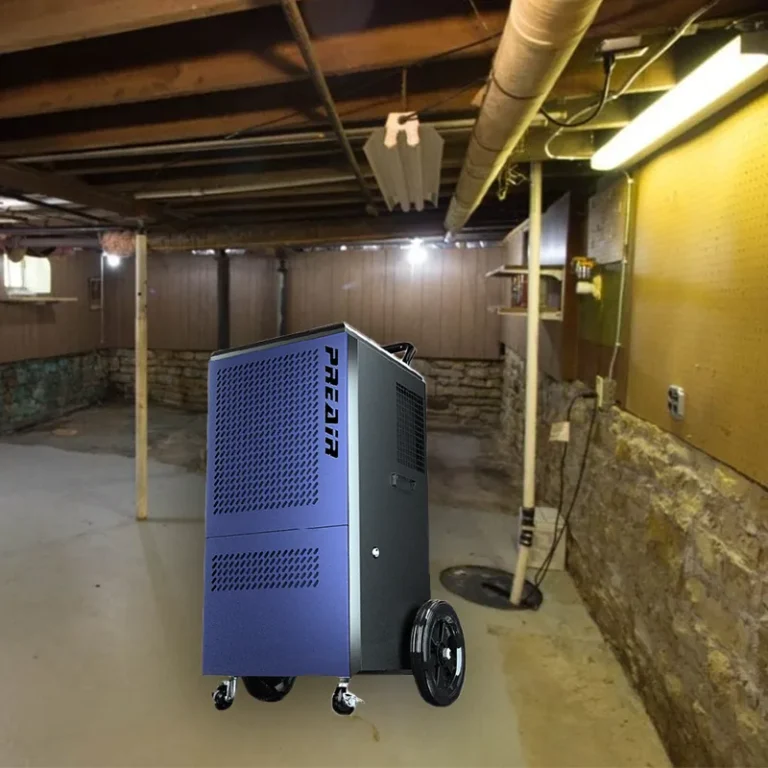
Desiccant models work fine at low temperatures. But most compressor dehumidifiers struggle below 65°F. The coils tend to frost over, which often leads to top leaks.
If your basement stays cold, a desiccant unit is the better choice.
Decision Guide: The Right Fix for Your Situation
Start with the easiest check. Pull the air filter and hold it up to the light. If it's dirty, clean it.
Run the unit for an hour and see if the leak stops.
If the leak continues, move to the float switch. Remove the bucket and press the float. It should move freely and spring back.
If it's stuck, clean the area around it with a damp cloth. Test again.
Next, examine the continuous drain. Make sure the hose runs downhill with no kinks. Confirm the drain cap is off if you're using a hose.
Run the unit and watch for water pooling on top.
If the leak persists, check for ice. Turn the unit off and let it thaw for two to three hours. Once it's dry, run it again at a room temperature above 65°F.
If frost returns quickly, the filter is dirty or the room is too cold.
Still leaking? Inspect the drain pan for cracks. You may need to remove the top cover to see it.
If the pan is cracked, the part is usually cheap but the labor can be annoying. At that point, weigh the cost of repairs against the price of a new unit.
| Symptom | Likely Cause | Fix |
|---|---|---|
| Water on top, filter dirty | Restricted airflow, coil frost | Clean filter, thaw coils |
| Water on top, bucket empty | Blocked drain pan or hose | Clear drain path, check for cracks |
| Water on top, unit runs constantly | Stuck float switch | Clean float mechanism |
| Water on top, cold room | Coil frosting below 65°F | Warm the room or switch to a desiccant unit |
| Water on top, pump model | Clogged pump inlet or hose | Clean pump, check discharge line |
If you're shopping for a replacement, our roundup of the best dehumidifiers for basement use covers models that handle cold rooms and continuous drain setups well.