Why Does My Dehumidifier Keep Shutting Off
You're standing in a damp basement staring at a dehumidifier that keeps clicking off. The air still feels sticky, and the unit looks perfectly fine. If you've been asking yourself why does my dehumidifier keep shutting off, you're not alone.
It's one of the most common repair issues we see, and the good news is, most fixes are simple.
Most dehumidifiers are built with multiple automatic safety switches, and each one can stop the compressor in seconds. As of 2026, most units include features like auto-defrost, thermal overload protection, and float switches that trip when something is off. In our research, the majority of random shutdowns trace back to a handful of causes: a full bucket, a dirty filter, a stuck float, or cold room temperatures.
Let's walk through each one.
Quick Answer
Your dehumidifier keeps shutting off because a safety switch trips. Common triggers are a full bucket, dirty filter, low room temperature, or faulty sensor. Each one is simple to diagnose.
Start with the easiest checks first. Most units shut off to protect themselves, not because they're broken.
Why Your Dehumidifier Keeps Shutting Off: The 30-Second Version
Think of your dehumidifier as a machine with several automatic stop switches. Each one exists to prevent water overflow, frost damage, or electrical failures. When any of them trips, the unit powers down.
That's a safety feature, not a defect.
The trick is figuring out which switch is triggering. The fastest way to narrow it down is to note the exact moment the unit shuts off. Then check the most common culprits in order.
We've seen this process solve the problem in minutes without spending a dime.
Most manufacturers, including Frigidaire, LG, Midea, and Honeywell, design their units to restart after 3 to 5 minutes. If your unit stays off much longer, something specific is holding it back. Here's how to find it.
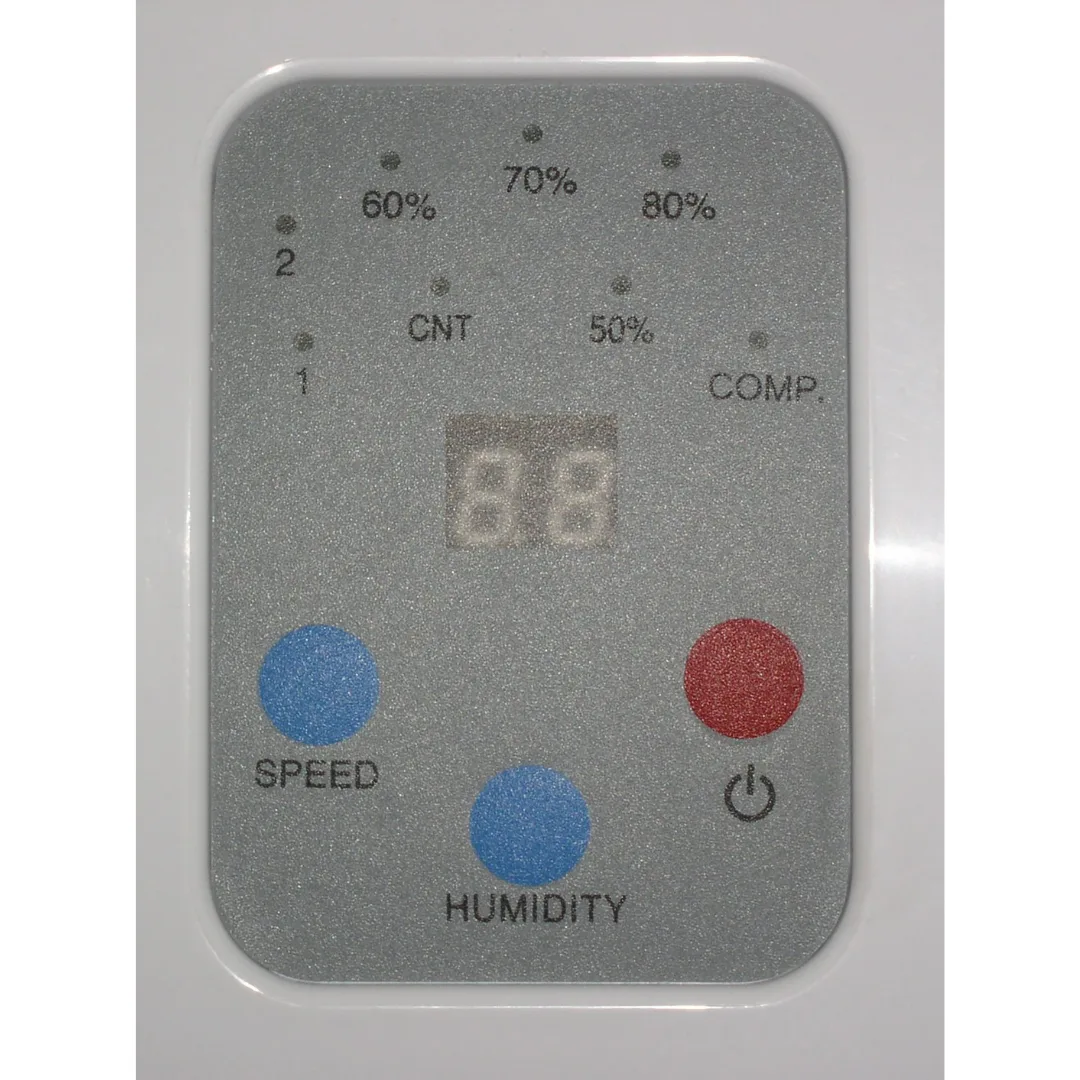
Image source: Bing (Web (fair-use with source credit))
Start With the Easy Fixes: Bucket, Filter, and Airflow Check
Start with the things you can see. In our research, the overwhelming majority of shutdown complaints trace back to one of three simple issues.
1. The water bucket is full or misaligned. Your dehumidifier has a float switch that trips when the bucket reaches capacity or sits even slightly off-center. Remove the bucket, empty it, and reseat it firmly.
Listen for the click. Many units also have a small tab that presses against the float. Make sure it's not bent or stuck.
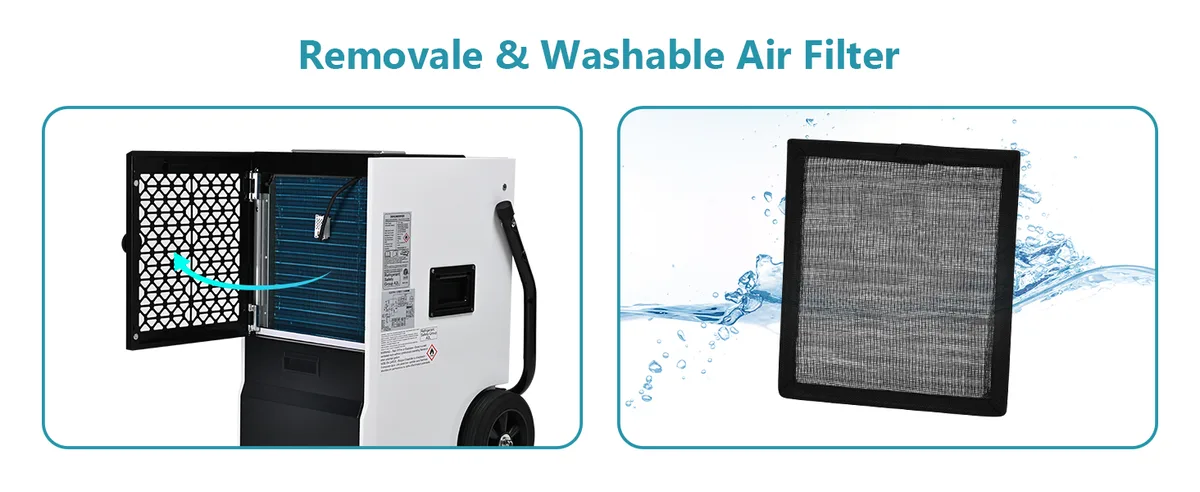
Image source: Bing (Web (fair-use with source credit))
2. The air filter is clogged. A dirty filter restricts airflow, which starves the coils of warmth and causes ice to form. That triggers the defrost safety.
Pull the filter out and hold it up to light. If you can't see through it, wash it with warm water and mild soap. Let it dry completely before reinstalling.
Clean it every 2 to 4 weeks during heavy use.
3. The unit is too close to a wall or furniture. Dehumidifiers need breathing room. If the intake or exhaust is blocked, the compressor overheats and trips its thermal cut-off.
Move the unit at least 6 inches away from any wall. Check the top vent too. Stacking things on the unit is an open invitation for shutdowns.
If those three checks don't solve it, move to timing. The exact behavior of the unit is your best diagnostic clue.
Decision Branch: When Exactly Does It Shut Off?
Answer one question honestly, and you'll cut the possibilities in half. When does your unit stop?
Shuts Off Right After Starting
If the unit clicks on and dies within a minute or two, you're likely dealing with one of three things. First, the compressor restart delay. That's completely normal.
The unit needs 3 to 5 minutes before it will kick back on. Second, the humidity sensor may think the room is already at the set level. Lower the setpoint by 10% and see what happens.
Third, and most common, the float switch may be stuck in the full position even though the bucket is empty. Reach into the bucket slot and gently press the float arm up and down a few times to free it.
Runs for 10 to 15 Minutes, Then Stops
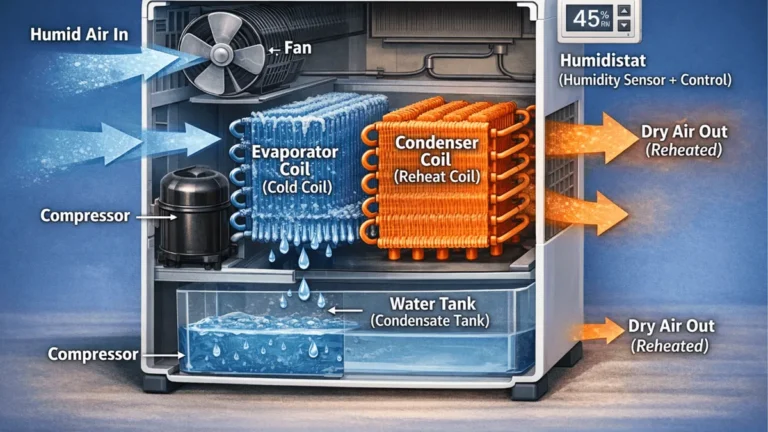
This pattern screams airflow restriction or frost buildup. The compressor runs long enough to pull moisture from the air, then the evaporator coils get too cold and ice forms. The defrost thermostat detects the ice and shuts the compressor down to melt it.
This can cycle repeatedly in rooms below 65°F or when the filter is dirty. Check the coils directly behind the filter. Frost or ice there is your smoking gun.
Runs for Hours, Then Suddenly Shuts Off
Long runtime followed by a shutdown usually points to overheating or a full bucket. The compressor builds heat over time, and if the condenser coils are dusty, the thermal overload protector trips. Vacuum the rear coils with a brush attachment.
Also confirm the bucket hasn't shifted after an hour of vibration. Both are easy fixes.
The Auto-Defrost and Low-Temperature Problem
This is the one most people never expect. Dehumidifiers are designed to shut off when the room gets too cold. It's not a malfunction.
It's intentional.
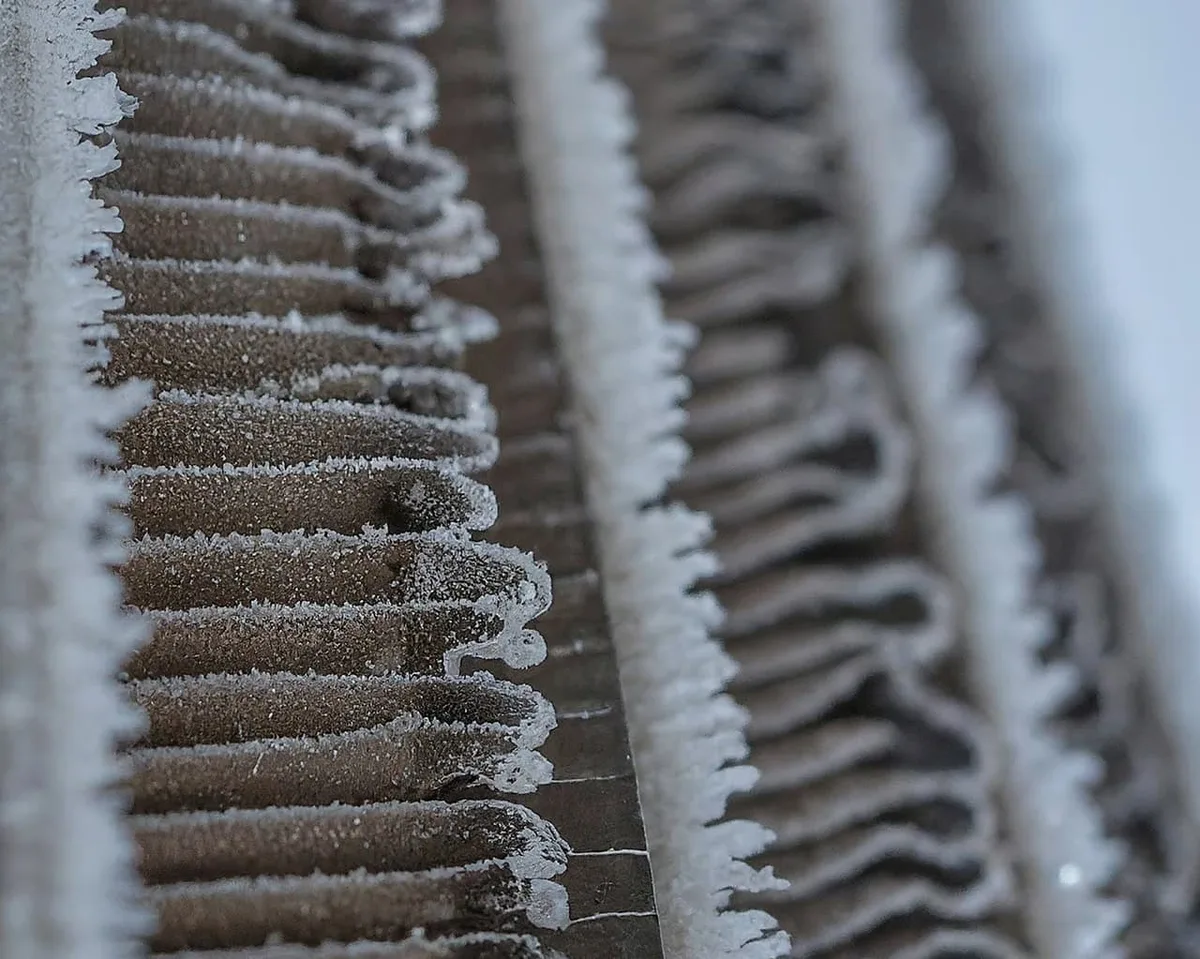
Image source: Bing (Web (fair-use with source credit))
Most compressor-based dehumidifiers operate in a temperature range of roughly 41°F to 90°F. Below that lower threshold, the coils can freeze solid. When that happens, the defrost thermostat triggers and switches off the compressor, often while the fan keeps spinning.
That's why you might hear the fan running but feel no cool air. The unit is waiting for the ice to melt.
If your dehumidifier sits in an unheated basement, garage, or crawl space, this is likely your culprit. Some newer models include a low-temperature operating mode, but many budget units still do not.
If this sounds like your situation, try raising the room temperature by a few degrees. A small space heater or simply closing off drafts can keep the room above 65°F. Alternatively, consider a desiccant dehumidifier built for cold spaces, which performs far better in cooler environments and has no compressor to freeze up.
Electrical, Float Switch, and Sensor Failures: The Hidden Culprits
If you've cleared the easy stuff and the temperature is fine, it's time to look deeper. These are the quieter failures that can mimic other problems.
Humidity sensor issues. The electronic board reads the room's humidity through a small sensor, typically a thermistor. If that sensor drifts out of calibration, it will tell the unit the room is already at target humidity when it isn't. The compressor shuts off while the fan keeps blowing.
Unplug the unit for 10 minutes to force a reset. If the problem reappears, the sensor likely needs replacement. It's a cheap part, usually $10 to $20, and it slots into a bracket behind the filter.
Float switch failure. This one is sneaky. The float can get stuck even when the bucket is empty. Dirt, mineral buildup, or a bent arm can hold it in the full position.
Remove the bucket and locate the float arm. Wipe it clean with a damp cloth. Test it by pressing up and down.
It should move freely without resistance.
Condensate pump problems. If you use a continuous drain hose, check the pump. Many units with built-in pumps have a separate overflow sensor in the pump tray. If the hose is kinked or the pump outlet is blocked, water backs up and trips the shut-off.
Inspect the drain line for bends. Flush it occasionally with a mix of warm water and vinegar.
Electrical supply issues. Dehumidifiers draw serious current, especially at startup. If your unit shares a circuit with other appliances, the breaker can trip intermittently. Plug the unit into a dedicated 15-amp outlet, not an extension cord.
Also test the outlet's GFCI reset button.
A Step-by-Step Troubleshooting Flow for Random Shutoffs
Start with a clean slate. Unplug the unit and wait 10 minutes. This resets the electronic board and clears false sensor readings.
After the reset, plug it back in and set the humidity to 30%. Run it on the highest fan speed. Watch for patterns.
If it dies within a minute, check the float switch. Press it manually to feel for resistance. If it sticks, clean the shaft with a damp cloth.
If it runs 15 minutes and stops, inspect the coils behind the filter. Frost means low ambient temperature or poor airflow. Warm the room or replace the filter.
If it shuts off after hours, suspect the condenser coils. Vacuum them with a brush attachment. Then verify the bucket is seated correctly.
Sometimes the issue is simply the restart delay. Most units wait 3 to 5 minutes before allowing the compressor to restart. That's protection, not a fault.
The 10-Minute Reset and What to Watch After It
Unplugging clears the capacitor charge and the board's memory. That single step resolves a surprising share of random shutoffs. Wait the full ten minutes, not a quick power cycle.
Once you restart, monitor the unit for two full cycles. Write down when it stops and what the display shows. That tells you whether you're dealing with a sensor, a float, or a compressor relay.
A pattern of short runs points to airflow. Long runs ending in shutdown point to heat or a full bucket. Both are fixable at home.
If the unit still fails after all this, the compressor relay may be weak. That's a repair for a licensed technician, not a DIY fix. The refrigerant system is sealed, and handling it requires certification under EPA Section 608.
Common Mistakes to Avoid (and Parts You Don't Need to Replace)
People often replace the humidistat before checking the float. That's a waste of money. The sensor rarely dies.
The float gets stuck often.
Don't run the unit without a bucket. Many models won't operate unless the bucket is inserted correctly. The float needs the bucket to press against it.
Don't ignore the drain hose. If you use continuous drainage, keep the hose straight and sloped downward. Any kink creates backpressure and triggers the pump sensor.
Don't place the unit on a cold concrete floor. That accelerates frost formation on the coils. Raise it on a plastic stand if you can.
Don't sit the unit against a wall. The intake and exhaust need at least six inches of clearance. Stacking boxes on top is asking for a shutoff.
Skip the extension cord. A voltage drop makes the compressor work harder. The thermal overload trips as a result.
Most of these are free fixes. The only parts you might legitimately replace are the float arm or the filter. Everything else is adjustment, not replacement.
Frequently Asked Questions
Why does my dehumidifier shut off but the fan keeps running?
The fan keeps spinning while the compressor rests. That's the auto-defrost cycle. The airflow melts ice on the coils.
It usually lasts 10 to 15 minutes.
Can a dirty filter cause my dehumidifier to shut off?
Yes. Restricted airflow makes the coils ice up. The defrost thermostat then shuts off the compressor to prevent damage.
Clean the filter every 2 to 4 weeks.
How long should a dehumidifier run before shutting off?
Expect cycles of 30 to 60 minutes with short breaks between them. A unit that dies after five minutes is signaling a problem. Start with the float and filter checks.
Is it normal for my dehumidifier to shut off in a cold basement?
Yes. Most compressor models stop working reliably below 65°F. They shut off to protect the coils from frost.
Consider a desiccant model for cold spaces.
Should I call a repair technician for a dehumidifier that keeps shutting off?
Only after basic troubleshooting fails. Clean the filter, empty the bucket, and reset the unit. If it still shuts off, the issue could be a refrigerant leak or relay.
Those need professional diagnosis.
What does a single flashing light mean on my dehumidifier?
Check the manual. Most brands use error codes for low temperature or a full bucket. A flashing light rarely means a dead unit.
Use it to guide your next step.