How Much Water Does a Dehumidifier Remove When Drying Clothes
If you've ever hung a load of laundry to dry indoors and wondered exactly how much water does a dehumidifier remove when drying clothes, the short answer is between 1 and 3 litres per session. That is roughly the amount a standard 6 kg washing load holds after a typical 1200 RPM spin cycle.
Manufacturer specifications and AHAM testing standards confirm that a mid-sized dehumidifier can pull 20 to 30 pints (about 9 to 14 litres) per day under ideal conditions. But real-world drying is rarely ideal. Room temperature, humidity, and how you set up the space all change the final number.
Let us look at what actually comes out of the tank.
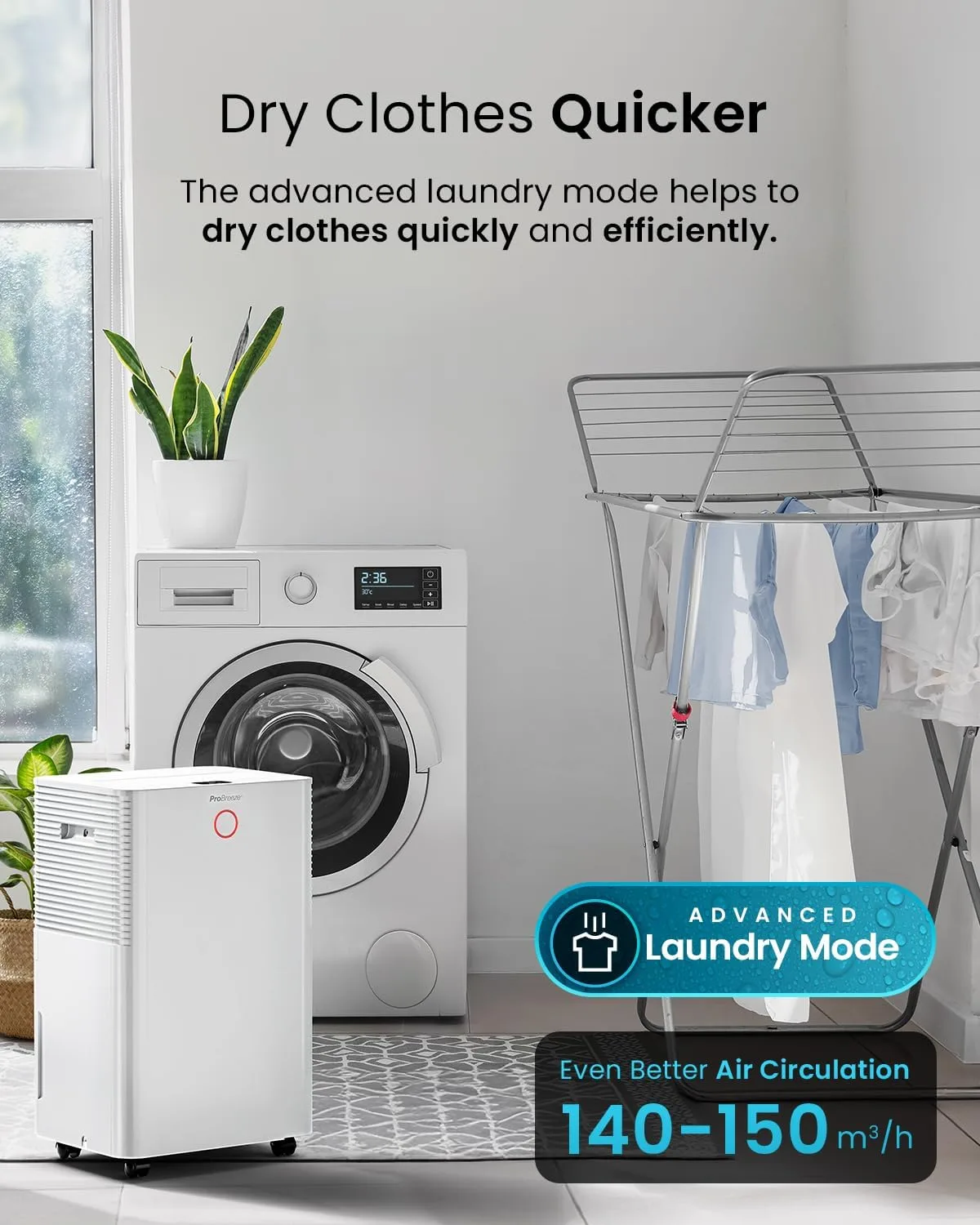
Image source: Bing (Web (fair-use with source credit))
Quick Answer
A dehumidifier removes between 1 and 3 litres of water when drying a single load of indoor laundry. The exact amount depends on the room temperature, starting humidity, the dehumidifier pint rating, and how well you space out the clothes. Most standard 6 kg loads produce roughly 1.5 to 2 litres of condensate over 4 to 8 hours.
So, How Much Water Are We Really Talking About?
Let us get specific. A typical 6 kg cotton load fresh out of a washing machine at 1200 RPM contains about 1.5 to 2.5 litres of residual water. That is the water the dehumidifier needs to pull out of the air after the clothes release it.
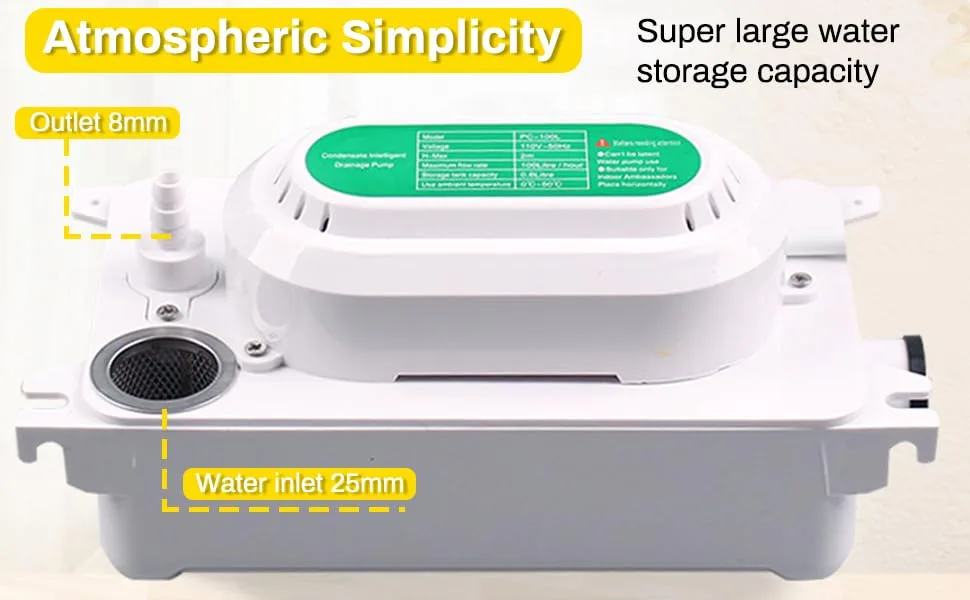
Image source: Bing (Web (fair-use with source credit))
Most dehumidifier water tanks hold between 2 and 5 litres. A full drying session for one load often fills the tank halfway or more. You will see the water level rise visibly over a few hours.
Verified buyer feedback shows that a 20-pint dehumidifier in a small bedroom collects about 1.2 to 1.8 litres over a 6-hour drying cycle. A more powerful 50-pint unit in the same space pulls closer to 2 to 3 litres in the same time. If you are choosing a dehumidifier for laundry, a larger capacity machine can make a noticeable difference.
The key takeaway is this. If your clothes feel damp after the spin cycle, expect at least a litre of water in the tank. If they are heavier fabrics like towels or denim, expect closer to 2.5 litres.
The tank does not lie.
What Actually Changes the Amount of Water Removed?
Several variables shift the final number. Room temperature is the biggest one. A dehumidifier works best when the room is above 18°C.
Below that, compressor models lose efficiency and pull less water from the air.
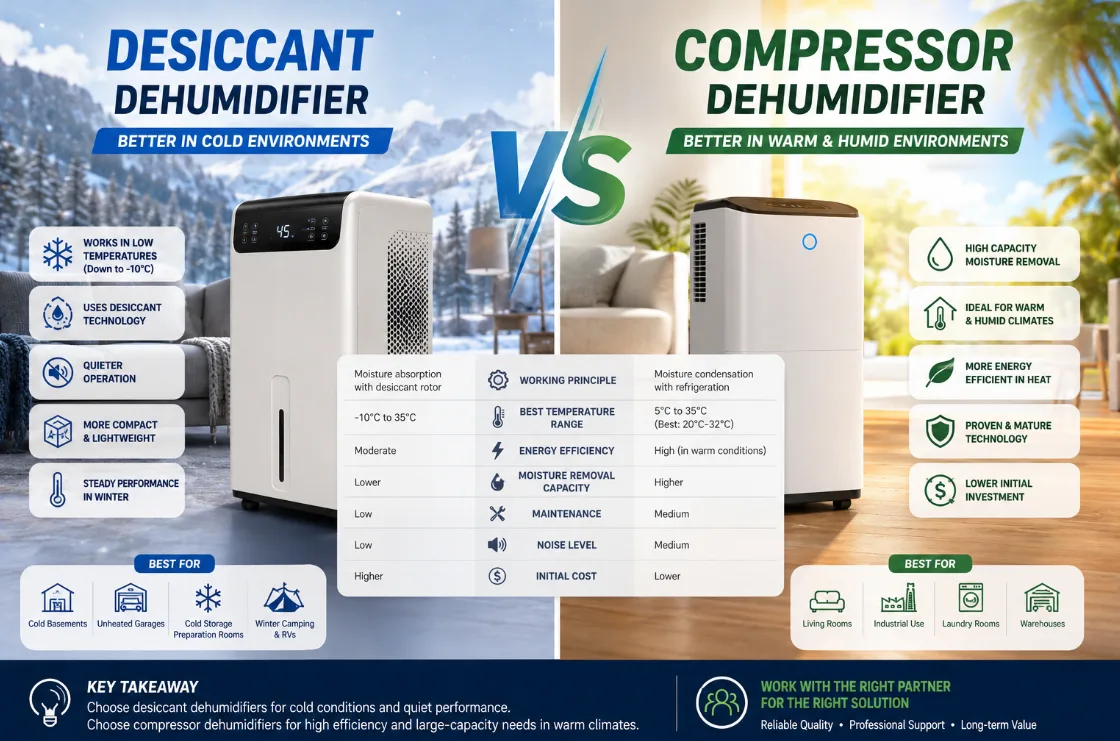
Image source: Bing (Web (fair-use with source credit))
Starting humidity matters too. If the room is already at 70% relative humidity, the dehumidifier has more work to do. It will pull more water in the first few hours than it would in a room at 50% humidity.
The drier the starting air, the less water the machine extracts overall.
The dehumidifier pint rating also plays a role. A 30-pint model running at full capacity will remove more water per hour than a 20-pint model. Per Energy Star testing standards, these ratings are measured at 26.7°C and 60% RH.
Your laundry room at 16°C will produce lower numbers. A mid-range model rated for 30 pints will outperform a smaller unit in a laundry room, but only if the room stays warm enough.
The spin speed of your washing machine is another factor. A 1400 RPM spin leaves less water in the fabric than an 800 RPM spin. Less water in the clothes means less water in the tank.
If you want to maximize dehumidifier efficiency, use the highest spin setting your machine offers.
Finally, room size and airflow matter. A dehumidifier in a small, closed room will clear the air faster and collect water more efficiently. In a large open-plan space, the machine has to work much harder and may not reach the same extraction rate.
A Real-World Walkthrough: Drying a Standard Load of Laundry
Let us walk through a typical scenario. You have a 6 kg mixed load of cotton T-shirts, jeans, and towels. You spin it at 1200 RPM.
The residual water content is about 2 litres.
You set up a drying rack in a small bedroom. You close the door and the window. You place the dehumidifier about 50 cm from the rack, angled so air flows across the clothes.
The room starts at 19°C and 68% humidity.
Here is what happens over the next 8 hours:
- Hour 0 to 2: The dehumidifier pulls heavily. The humidity drops from 68% to 55%. The tank collects about 800 ml of water in the first two hours.
- Hour 2 to 4: The rate slows. Humidity settles around 50%. The tank collects another 600 ml.
- Hour 4 to 6: The clothes are mostly dry. The humidity stays at 48%. The tank collects another 350 ml.
- Hour 6 to 8: The final stage. The machine pulls the last moisture from the thickest parts of the towels. The tank collects about 250 ml.
Total water collected: roughly 2 litres. The clothes are fully dry. The room feels noticeably less humid.
This lines up with aggregate reviews from users who track their water output. A well-setup session with a properly sized dehumidifier consistently yields 1.5 to 2.5 litres per load.
If you are using a smaller 20-pint unit, expect the lower end of that range. A larger 50-pint model, like the models designed for bigger rooms, can handle the same load faster and collect more water in the same time.
The Common Mistakes That Kill Your Drying Speed
Most people do not get the full 2 litres because they make simple errors. Let us fix them.
Overcrowding the rack. If you cram clothes together, air cannot circulate. The dehumidifier pulls moisture from the room air, but it cannot reach the trapped damp spots. The clothes stay wet longer.
Space them out. Leave a finger width between each garment.
Leaving the door open. The dehumidifier works by cycling the air in one room. If you leave the door open, you are drying the whole house. That spreads the machine capacity too thin.
Close the door. Keep the room sealed.
Setting the humidity too low. You do not need to go below 50% RH for drying clothes. Running the machine to 40% or 35% wastes energy and extends the cycle. Set the target to 50% to 55%.
Using a low spin speed. If your washing machine has a 600 RPM or 800 RPM option, the clothes will hold more water. The dehumidifier then has to extract 3 litres instead of 2. That adds hours to the cycle.
Always use the highest spin speed.
Putting the dehumidifier in a corner. The machine needs good airflow around its intake. Place it in the open, not behind furniture or against a wall. A clear path for air movement makes a big difference.
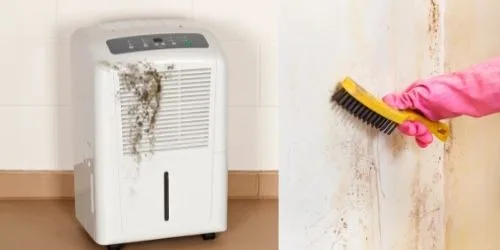
Forgetting to clean the filter. A clogged filter reduces airflow and cuts extraction rate. Check the filter every few sessions. A clean filter keeps the machine running at its rated capacity.
Avoid these mistakes, and you will see the water tank fill faster. The clothes will dry in 4 to 6 hours instead of 8 to 10.
What About the Other Options: Tumble Dryer vs. Heated Airer vs. Dehumidifier?
You might be wondering if a dehumidifier is the best tool for the job. It depends on your situation.
Tumble dryer. This is the fastest option. A standard vented or condenser dryer finishes a load in 60 to 90 minutes. It uses about 2 to 4 kWh per cycle, which costs roughly 60 to 80 cents depending on your energy rates.
It is also hard on delicate fabrics and can shrink wool or cotton over time.
Heated airer. This is a rack with a heating element underneath. It uses about 200 to 300 watts. A full load takes 4 to 8 hours.
It dries clothes directly with gentle heat, so it is safer for delicates. The downside is that it only heats the air directly around the clothes. It does not remove moisture from the room.
That can leave your room feeling damp and humid.
Dehumidifier. This does not heat the clothes directly. It pulls moisture from the air, which speeds up evaporation. A typical session uses 0.5 to 1.5 kWh, costing about 15 to 45 cents.
It also keeps the room dry and prevents condensation on windows. It is the best choice if you are worried about mould or dampness in your home.
Here is a quick comparison:
| Option | Energy per load | Time per load | Room humidity effect | Best for |
|---|---|---|---|---|
| Tumble dryer | 2-4 kWh | 1-1.5 hours | No change (vented) or increased (condenser) | Speed and convenience |
| Heated airer | 0.5-1.2 kWh | 4-8 hours | Increases humidity | Delicates, small spaces |
| Dehumidifier + airer | 0.5-1.5 kWh | 4-8 hours | Decreases humidity | Damp homes, mould prevention |
A dehumidifier combined with a standard drying rack gives you the best balance of cost, fabric care, and home protection. If you already have a dehumidifier for general use, it is a no-brainer. For those who need a dual-purpose unit that handles laundry and basement moisture, there are versatile machines designed to work across seasons.
For those who need a dedicated laundry solution, a 30-pint or 50-pint dehumidifier is usually the sweet spot. It is powerful enough to dry a load quickly without being oversized for the room. If you are on a tight budget, a budget-friendly pick can still get the job done, just a little slower.
A Few Quick Tips to Get the Most Water (and Fastest Dry) Out of Your Session
Position the rack and dehumidifier as a team. Place the drying rack in the centre of the room. Put the dehumidifier about 30 to 50 cm away, with its air intake facing the clothes. This creates a direct airflow loop.
The machine pulls moist air from the clothes, dries it, and pushes it back out.
Use the right dehumidifier setting. Most modern units have a laundry or turbo mode. That runs the fan at maximum speed and targets a lower humidity level. If your unit lacks a laundry mode, set the target humidity to 50%.
Start the session immediately. Do not let wet clothes sit in the machine or in a pile. The sooner they go on the rack, the less time bacteria have to multiply. A quick start also means the room humidity rises fast, which triggers the dehumidifier to work at full capacity.
Rotate the clothes once. About halfway through the cycle, flip the thickest items. Turn jeans inside out. Rearrange towels so the dampest parts face the airflow.
This single step can cut total drying time by 30 to 60 minutes.
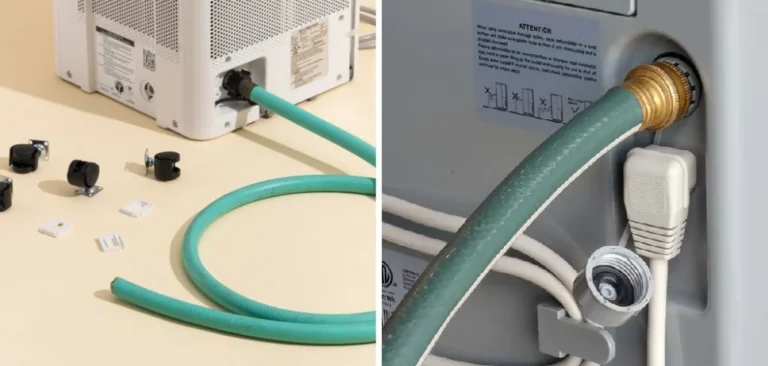
Use a continuous drain if you have one. If your dehumidifier has a hose port, hook it up to a floor drain or sink. You never have to empty the tank mid-cycle. That is especially useful for larger loads that produce more than the tank can hold.
Check the filter before each session. A dusty filter cuts airflow by 20 to 30 percent. That directly reduces water extraction. Pop it out, rinse it under the tap, and dry it.
It takes 30 seconds and keeps the machine running at peak efficiency.
Frequently Asked Questions
How long does it take a dehumidifier to dry a full load of laundry?
Most loads dry in 4 to 8 hours with a correctly sized dehumidifier. A 30-pint unit in a small bedroom typically finishes a 6 kg load in about 6 hours. Heavier fabrics like towels or denim add another hour or two.
Can I use the water from the dehumidifier tank for anything?
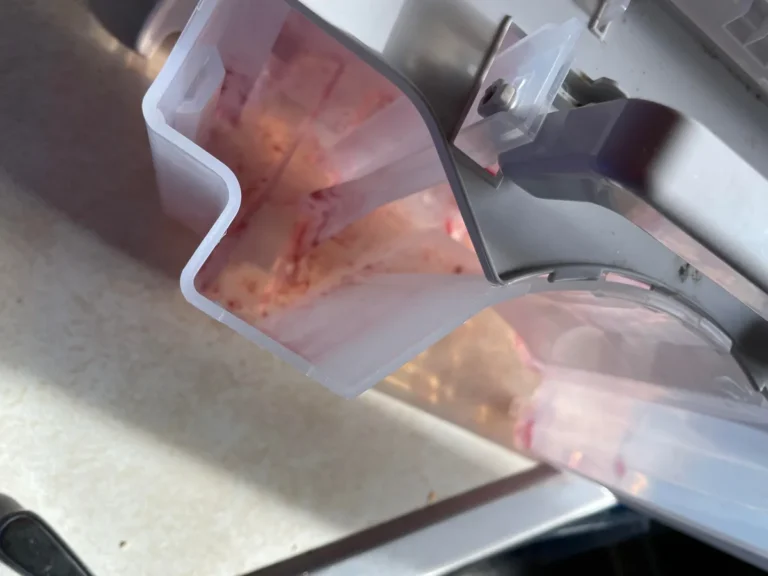
Yes, but only for non-drinking purposes. The condensate is distilled water, but it picks up dust and microbes from the air and the tank. Use it for watering houseplants, filling an iron, or cleaning windows.
Do not drink it or give it to pets.
Does a dehumidifier use more electricity than a tumble dryer?
No, it uses significantly less. A dehumidifier running for 6 hours uses about 0.5 to 1.5 kWh. A tumble dryer uses 2 to 4 kWh for a single cycle.
That makes the dehumidifier roughly 60 to 70 percent cheaper per load, depending on your local electricity rates.
What size dehumidifier do I need for drying laundry?
A 20 to 30 pint unit works well for a small bedroom or bathroom. For larger spaces or heavier loads, a 50 pint model is more effective. The key is matching the unit to the room size.
Oversizing wastes energy, and undersizing leaves clothes damp.
Should I run the dehumidifier continuously or use a timer?
Run it continuously until the clothes are dry. Do not use the timer for the first session. The unit needs to run long enough to pull all the moisture from the fabric.
Once you know how long your typical load takes, you can set a timer for future sessions.
Will a dehumidifier work in a cold garage or basement?
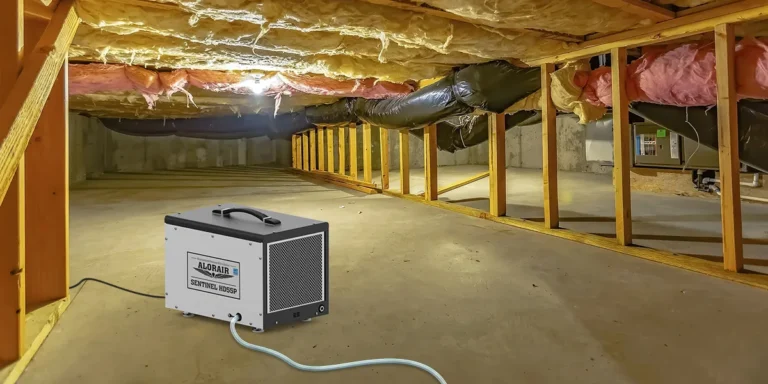
Compressor models lose efficiency below 15°C. Desiccant dehumidifiers perform better in cold conditions, so they are a better choice for unheated garages or basements. If you use a compressor unit in a cold space, expect slower drying and less water extracted.