Can Bathroom Humidity Damage a Dehumidifier
Can bathroom humidity damage a dehumidifier? Yes, it can, but only under certain conditions. If you are using the wrong type of unit or placing it poorly, the moisture it is meant to remove can actually shorten its lifespan.
That is the short version. Now let us unpack why.
Manufacturer specifications indicate that most portable dehumidifiers are designed for relative humidity levels between 30 and 50 percent. A bathroom after a hot shower can hit 90 percent or more in minutes. That constant extreme moisture pushes a dehumidifier past its design limits.
So the real question is not just whether it can happen, but how to avoid it while still getting the dryness you want.
Quick Answer
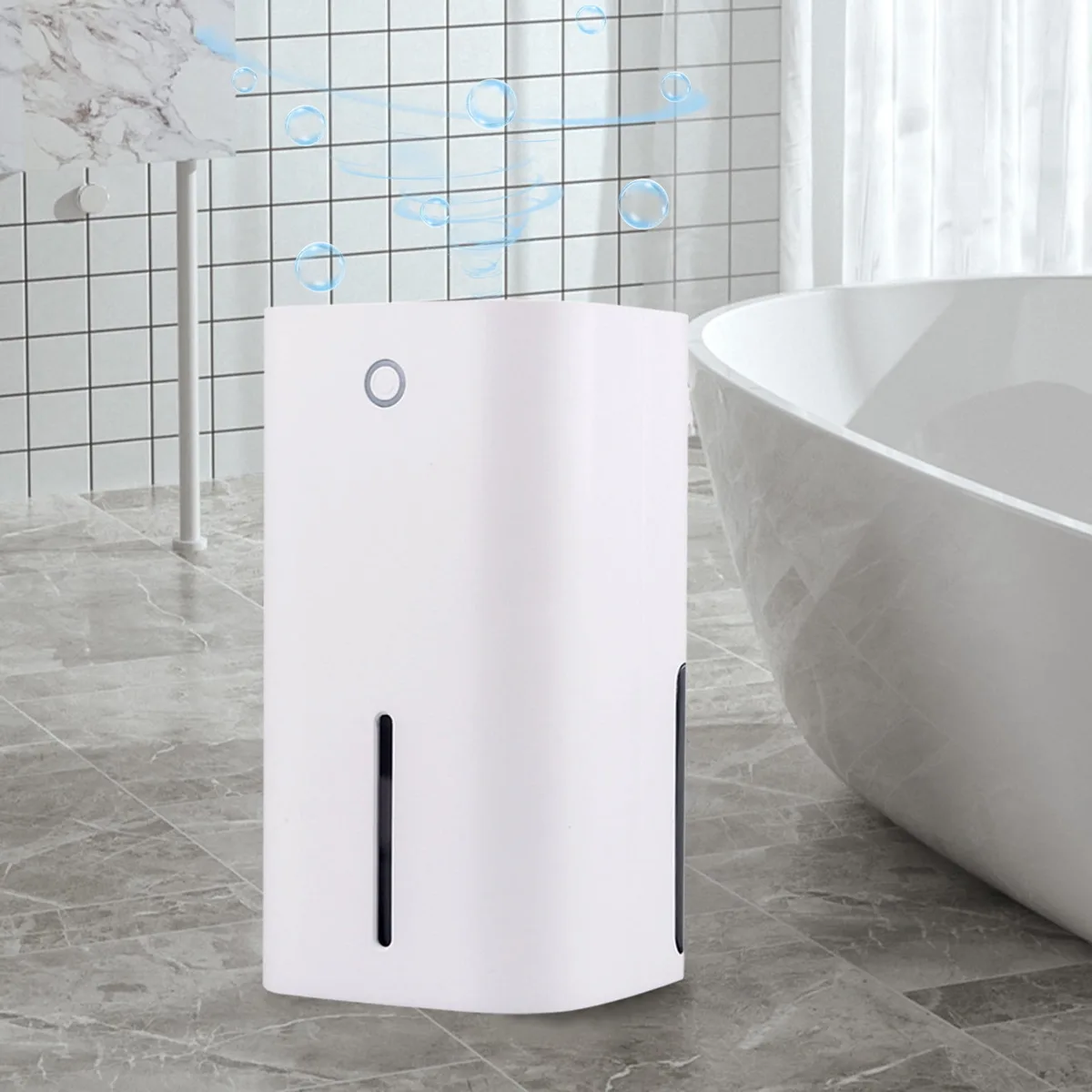
Bathroom humidity can damage a dehumidifier. The risk depends on the unit type and placement. Desiccant models handle moisture better than compressor units.
High humidity causes corrosion and mold growth inside the machine. Choose a model designed for wet environments.
How Humidity Damages a Dehumidifier (and What Determines Your Risk)
A dehumidifier pulls moisture from the air. But it is not built to handle a constant steam bath. When you run a standard compressor unit in a bathroom, the evaporator coils get coated in mineral-laden water every cycle.
That water slowly eats away at the copper and aluminum.
Over time, the corrosion creates tiny pinhole leaks. The refrigerant seeps out, and the unit stops cooling. You lose performance long before the machine dies completely.
The fan motor and control board are also vulnerable. Bathroom air carries fine water droplets. They settle on exposed electronics.
Even a small amount of moisture inside the control panel can cause short circuits.
Research from the Department of Energy shows that compressor dehumidifiers lose efficiency when ambient humidity consistently exceeds 80 percent. The unit works harder, runs longer, and wears out faster.
So what determines your risk? Three factors: the type of dehumidifier, where you place it, and how often you use it. If you run a compressor unit in a small bathroom without ventilation, the damage accelerates.
If you use a desiccant model or limit the runtime, you can avoid most of the problems.
Compressor vs Desiccant: Which Is Safer for a Bathroom?
The two main types of dehumidifiers handle bathroom moisture very differently. Compressor units use a refrigeration cycle. They are great for basements and whole-home use, but they struggle in small, humid spaces.
Desiccant units use a rotating wheel coated in moisture-absorbing material. They perform better in high humidity and cooler temperatures. That makes them a safer choice for bathroom use.
Here is a quick comparison:
| Type | How It Works | Bathroom Suitability | Key Limitation |
|---|---|---|---|
| Compressor | Refrigerant coils condense moisture | Low to moderate | Coils corrode faster; freeze-up in cold bathrooms |
| Desiccant | Absorbent wheel traps moisture | High | Uses more energy; slightly louder |
If you already own a compressor unit, you can still use it in a bathroom. But you need to be careful about placement and maintenance. A desiccant unit is the better long-term bet for a bathroom that lacks ventilation.
Common Mistakes That Will Damage Your Dehumidifier
Even the right type of dehumidifier can get damaged if you make these common errors.
Placing it directly in the shower spray. This is the biggest mistake. The dehumidifier should be at least three feet from the shower. Water hitting the unit directly gets into the air intake and electronics.
It can cause immediate short circuits.
Not using a continuous drain. The water tank fills fast in a bathroom. If you rely on the bucket, it will overflow while you sleep or are at work. That water pools around the base and soaks into the motor housing.
Overflow is the leading cause of early failure in bathroom dehumidifiers.
Running it in a cold bathroom without defrost protection. Compressor units freeze up when the room temperature drops below 60 degrees Fahrenheit. The ice forms on the coils and blocks airflow. The unit keeps running but stops removing moisture.
Eventually, the compressor burns out.
Neglecting filter and coil cleaning. Bathroom air carries soap residue, hair spray, and dust. These particles clog the filter fast. A dirty filter forces the fan to work harder.
The motor heats up and fails sooner.
Ignoring rust signs. If you see rust on the fan blades or inside the drain pan, the unit is already compromised. Rust spreads quickly in a humid environment. The metal flakes can clog the drain and cause mold growth inside the machine.
How to Use a Dehumidifier in a Bathroom Safely (Step-by-Step Workflow)
You can use a dehumidifier in a bathroom without damaging it. Follow this process to keep the unit safe and effective.
Step 1: Choose the right unit. A desiccant model is your safest bet. If you must use a compressor unit, pick one with an IPX4 rating or higher. The IP rating means the internal electronics are protected from splashing water.
Step 2: Place it away from water sources. Put the unit on a countertop or shelf. Keep it at least three feet from the shower, sink, and bathtub. Do not place it on the floor where puddles can form.
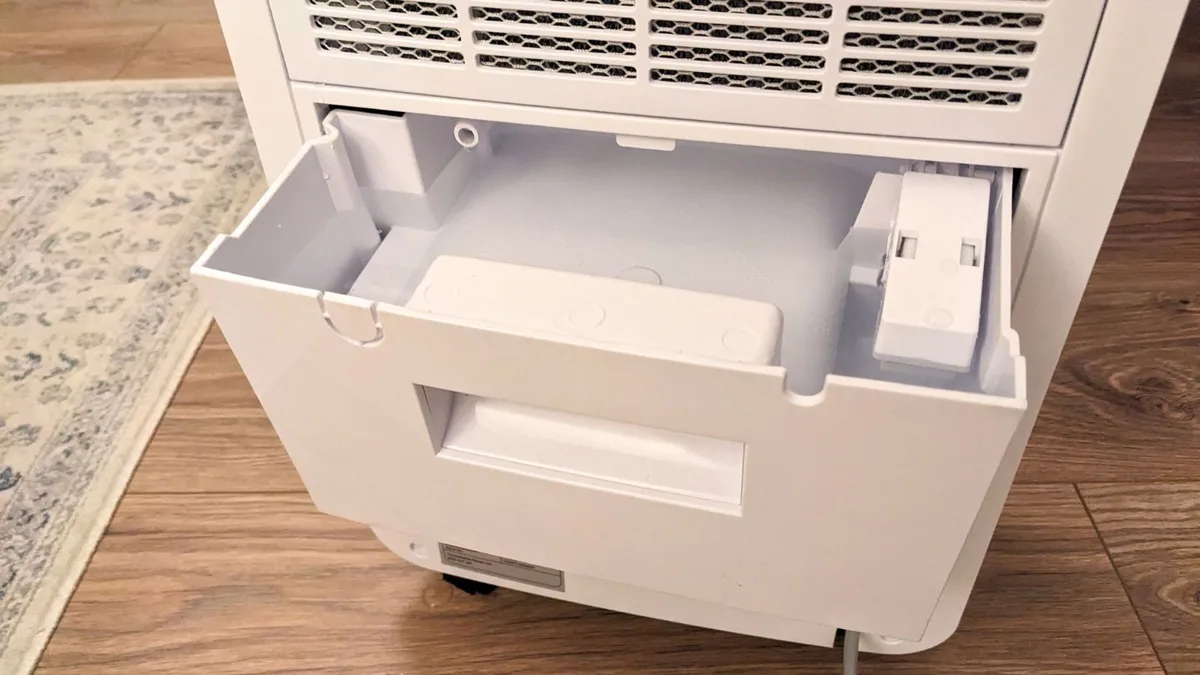
Step 3: Set up a continuous drain. Most portable dehumidifiers have a hose connection. Run the hose to the sink drain or a floor drain. If you cannot use a continuous drain, empty the bucket before every shower.
Do not rely on the auto shutoff alone.
Step 4: Set the humidity target. Aim for 40 to 50 percent relative humidity. The unit will cycle on and off as needed. Running it continuously at the lowest setting only wears it out faster.
Step 5: Clean the filter monthly. Remove the air filter and rinse it with warm water. Let it dry completely before reinstalling. A clean filter keeps the fan motor from overheating.
Step 6: Inspect for rust and corrosion quarterly. Look at the coils, fan blades, and drain pan. If you see rust, clean it with a soft brush and apply a light coating of rust inhibitor. Replace any part that shows deep corrosion.
Frequently Asked Questions
What size dehumidifier do I need for a bathroom?
A 20 to 30-pint unit handles most standard bathrooms. Bigger models short-cycle and cause faster wear. Smaller units run constantly and struggle to keep up.
For a compact space under 50 square feet, a 20-pint unit is the right fit.
Can I run a bathroom dehumidifier overnight?
Yes, but only with a continuous drain. The tank on a 20-pint unit fills in six to eight hours in a steamy bathroom. Without a drain, the machine switches off and moisture builds right back up.
Desiccant models are the safer overnight choice.
How often should I empty a bathroom dehumidifier?
Plan on every six to eight hours during heavy use. That means at least twice a day for an active family. A gravity-fed drain hose to a sink eliminates the task completely.
The water simply flows away as it collects.
Is it safe to use a dehumidifier near a bathtub?
Keep the unit at least three feet from any water source. Direct splash can enter the air intake and hit the control board. Use a GFCI outlet in case of accidental water contact.
Never place the unit inside the tub or shower stall.
What humidity level should a bathroom stay at?
Aim for 40 to 50 percent relative humidity. The EPA recommends keeping indoor humidity between 30 and 50 percent. A bathroom can spike higher right after a shower.
Prolonged exposure above 60 percent invites mold growth.
Your Decision Guide: Should You Use a Dehumidifier in Your Bathroom?
Work through these branches based on your setup.
You have a working exhaust fan. Skip the dehumidifier. The fan pulls moisture out faster and costs less to run. The dehumidifier only becomes useful if the fan stops working or you want extra drying after heavy showers.
You have a bathroom window. Open it after each shower. Run the dehumidifier on a timer for one to two hours. Fresh airflow plus mechanical drying handles the moisture without straining the unit.
You have no ventilation at all. Get a desiccant unit with a continuous drain and a built-in humidistat. This is the highest-risk scenario. The dehumidifier carries the full moisture load, so it needs the right features to survive.
You already own a compressor model. You can still use it. Place it three feet from the shower, connect a drain hose, and clean the coils monthly. Expect a shorter lifespan, around two to three years instead of five or more.
You are buying new as of 2026. Look for an IPX4 rating, a continuous drain option, and low-temperature operation. Desiccant units are the top choice for cold, damp bathrooms.
The Final Verdict
Yes, bathroom humidity can damage a dehumidifier if you choose the wrong unit or neglect basic maintenance. But the damage is avoidable. Use a desiccant model or a compressor with a drain hose.
Keep it away from the shower. Clean it regularly. Do that, and your dehumidifier will handle bathroom duty for years without issues.