What Humidity Should a Bathroom Be
If you've ever stepped out of a steamy shower and wondered what humidity should a bathroom be, you're not alone. The short answer is 40 to 60 percent relative humidity. But the timing of that measurement matters more than most people realize.
The key distinction is between a temporary spike during a shower and sustained humidity that lingers. Per ASHRAE Standard 62.2, bathrooms need ventilation that clears moisture within 30 minutes after use. That's the real test.
Let's look at what that means for your bathroom.
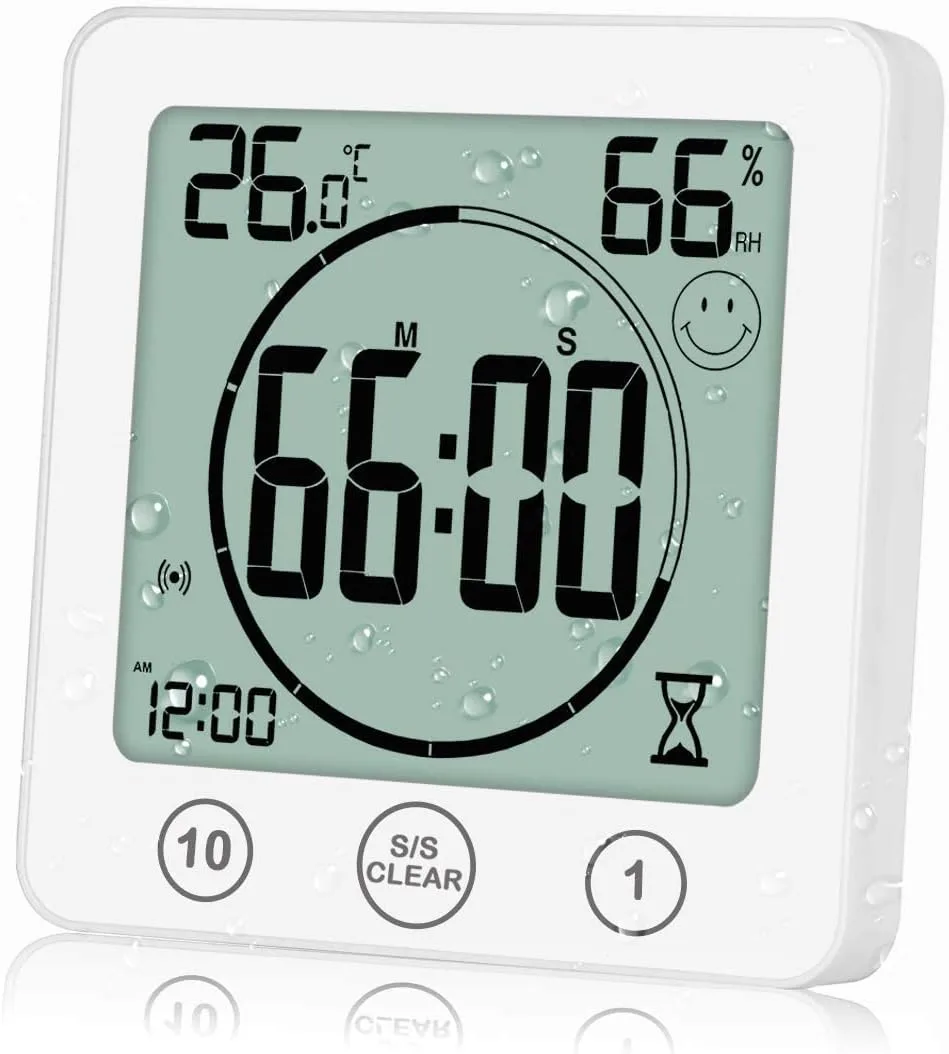
Image source: Bing (Web (fair-use with source credit))
Quick Answer
A bathroom should be at 40 to 60 percent relative humidity 30 minutes after showering. Spikes up to 90 percent during a shower are normal. The danger zone is sustained humidity above 60 percent.
That's where mold grows and damage happens.
The Quick Answer: 40–60% After the Fog Clears
Let's get more specific about that number. The 40 to 60 percent target is what environmental health agencies and building standards recommend for indoor spaces. A bathroom is unique.
It experiences dramatic humidity swings that no other room in your house sees.
During a shower, humidity can hit 90 percent or higher. That's not a problem. The water vapor is expected.
The trouble starts when that moisture sticks around.
| Measurement Timing | Typical RH Reading | What It Means |
|---|---|---|
| During shower | 80 to 90 percent | Normal, expected |
| 10 minutes after | 60 to 75 percent | Fan should be running |
| 30 minutes after | 40 to 60 percent | Target range |
| 1 hour after | 40 to 55 percent | Ideal recovery |
The 30-minute mark is your checkpoint. If your bathroom is still above 60 percent after half an hour, you have a ventilation problem. The moisture is settling into surfaces.
Paint, drywall, caulk, and grout all absorb that water. Give it 24 to 48 hours, and you're rolling out the welcome mat for mold.
The 30-minute rule applies whether you have a window, an exhaust fan, or both. It's the recovery time that matters. A bathroom that dries quickly is a bathroom that stays healthy.
What about the lower end? Below 40 percent is too dry for comfort. That's rarely an issue in bathrooms.
If you live in an arid climate and run a dehumidifier constantly, you might see readings in the 30s. That's not dangerous for the structure, but it can irritate your skin. For most people, the real concern is keeping humidity from climbing too high and staying there.
Why the Right Range Matters for Your Home and Health
The 60 percent threshold is a tipping point backed by building science and public health guidance. The EPA's guidance on mold prevention is clear. Keep indoor humidity below 60 percent to discourage mold growth.
Mold spores are everywhere. They float in the air you breathe right now. But they need moisture to germinate and colonize.
Give them a bathroom that stays above 60 percent for extended periods, and they will find a home in your caulk, your grout, your drywall, and your window sills.
The timeline is shorter than you think. Mold can begin growing within 24 to 48 hours on a damp surface. A bathroom that stays humid after your morning shower and doesn't dry out before your evening shower is essentially a mold incubator.
Dust mites also thrive above 60 percent. These microscopic creatures are a common trigger for asthma and allergies. They feed on dead skin cells and need humidity to survive.
Keep your bathroom consistently below 60 percent, and dust mite populations stay minimal.
Structural damage is the other cost. High humidity hurts your home. Paint peels.
Drywall softens. Wood trim warps. Cabinet doors swell and stick.
Caulk cracks and separates from the tile. Grout crumbles. Over time, the moisture can reach the studs and joists behind the walls.
That leads to rot that requires expensive repairs.
| Sustained RH Level | What Happens |
|---|---|
| Below 40 percent | Too dry. Skin irritation, static shock, respiratory discomfort |
| 40 to 60 percent | Ideal. Safe for structure and health |
| 60 to 70 percent | Risk zone. Mold spores can germinate. Dust mites thrive |
| Above 70 percent | Active mold growth likely. Structural damage accelerates |
The cost of ignoring this is real. A small mold problem in bathroom caulk can be fixed with a tube of silicone and an hour of work. A mold problem behind the walls means cutting out drywall, treating the studs, and potentially replacing insulation.
That's a job that runs into thousands of dollars. It starts with a bathroom that stayed too humid for too long.
How to Measure Bathroom Humidity (It's Simpler Than You Think)
You don't need a smart home system or a contractor. You need a $10 to $15 digital hygrometer. That's it.
This small device sits on your counter or hangs on a towel bar. It gives you an accurate reading of the relative humidity in the room.
Where to place it matters. Put the hygrometer on a shelf or counter away from direct water contact. Don't put it inside the shower stream or right next to the sink faucet.
You want to measure the room's air. A spot on the vanity or a towel bar opposite the shower works well.
When to take readings. Run a quick test cycle. Check the reading right before your shower to get your baseline.
Note the peak during the shower. After you finish, start a timer for 30 minutes. Leave the fan running and the door closed if that's your normal routine.
Check the reading at the 30-minute mark.
Here's a simple testing protocol:
- Before shower: Note the baseline RH. Ideally it's already between 40 and 60 percent
- During shower: The reading will spike. This is normal
- 10 minutes after: Check if it's dropping. Should be below 70 percent
- 30 minutes after: The critical reading. Should be below 60 percent
- 1 hour after: Should be below 55 percent and approaching baseline
What if you don't have a hygrometer yet? Your senses are a decent backup. Step into the bathroom 30 minutes after a shower.
Does it feel humid? Do the windows or mirror still have condensation? Is there a musty smell?
These are all signs that humidity is lingering above the safe range. A hygrometer gives you the actual number. It removes the guesswork.
Consumer-grade hygrometers are accurate enough for this purpose. Most digital models are accurate within plus or minus 2 to 3 percent. That's plenty for keeping your bathroom in the safe zone.
You don't need a calibrated lab instrument.
What to Do When Your Bathroom Holds Too Much Moisture
If your 30-minute reading is above 60 percent, you need to take action. The fix is usually straightforward. Here's a step-by-step approach that works for most bathrooms.
Run the Fan Correctly
This is the most common fix. Most people turn the exhaust fan off too early. The rule is simple.
Run the fan during the entire shower and for 20 to 30 minutes after you finish. That's roughly 30 to 40 minutes total per shower.
Is your fan strong enough? The standard recommendation is 8 to 10 air changes per hour. For a small bathroom under 50 square feet, that means a fan rated at 50 to 80 CFM.
For larger bathrooms, you need 100 CFM or more. You can check the CFM rating on the fan housing or the manufacturer's label.
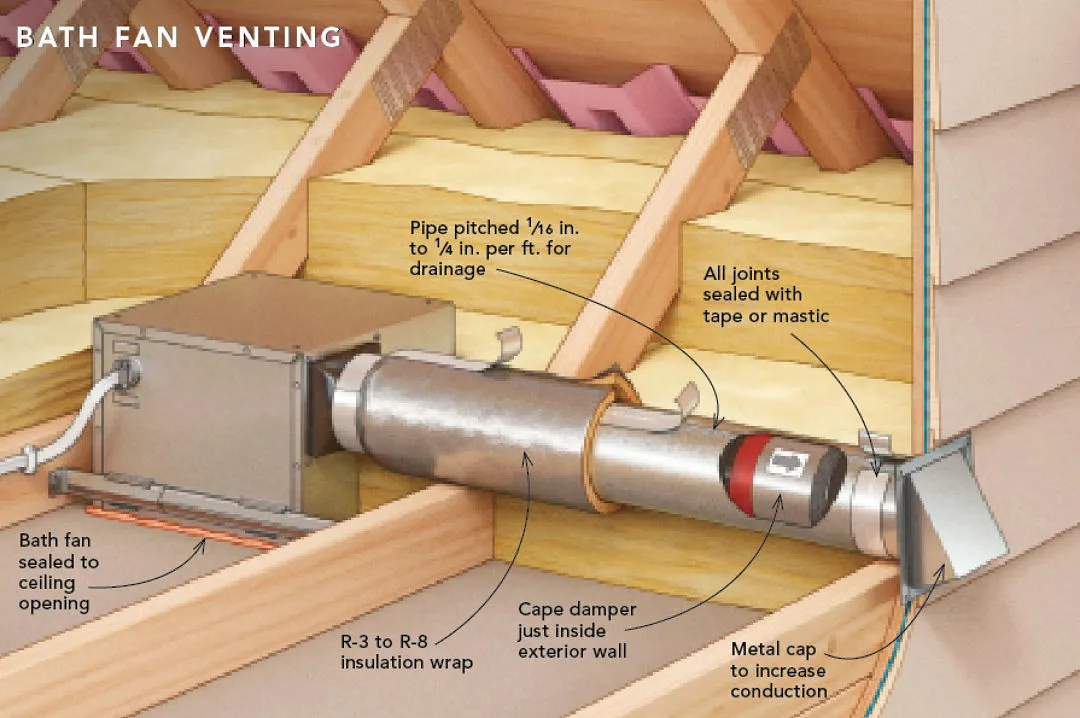
Image source: Bing (Web (fair-use with source credit))
What about noise? Many people avoid running the fan because it's loud. Quieter fans exist.
Look for models rated at 1.5 sones or lower. They cost more but make a real difference in daily use.
Check the Vent Path
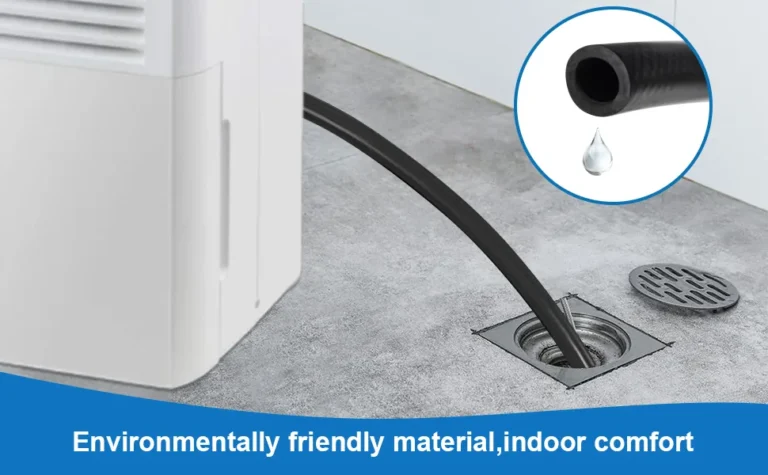
The fan is only half the system. The ductwork matters just as much. If your exhaust fan vents into the attic instead of outside, you're moving the moisture problem from your bathroom to your attic.
That's worse. The same goes for ducts that are kinked, crushed, or too long.
The vent should terminate outside the building. Through the roof or an exterior wall. If you're not sure where your fan vents, go into the attic during the day.
Look for the duct. Follow it to see where it ends. If it just dumps into the attic space, that's a problem that needs fixing.
Use a Window
If you have a bathroom window, crack it open during and after showers. Even a small gap creates cross-ventilation that helps clear moisture. This works especially well in cooler weather when the outdoor air is drier.
In humid summer months, the open window might not help as much. It's still better than a sealed room.
Wipe Down Surfaces
Keep a squeegee in the shower and a towel on the counter. After your shower, wipe the glass, the tile walls, and any other wet surfaces. You're removing the water that would otherwise evaporate into the air.
Less water in the air means lower humidity. It takes 30 seconds and makes a noticeable difference.
Leave the Door Open
After the bathroom is done, leave the door open if privacy allows. This lets the drier air from the rest of the house circulate through the bathroom. It speeds up the drying process.
If you have a guest bathroom that stays closed most of the day, this is a simple fix.
Consider a Portable Dehumidifier
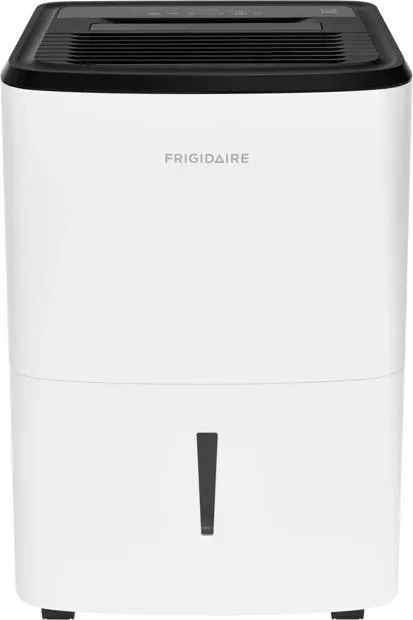
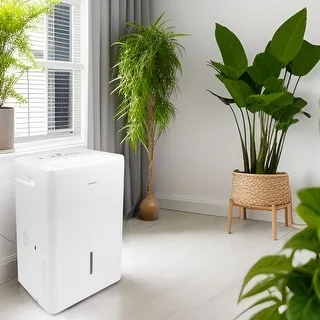
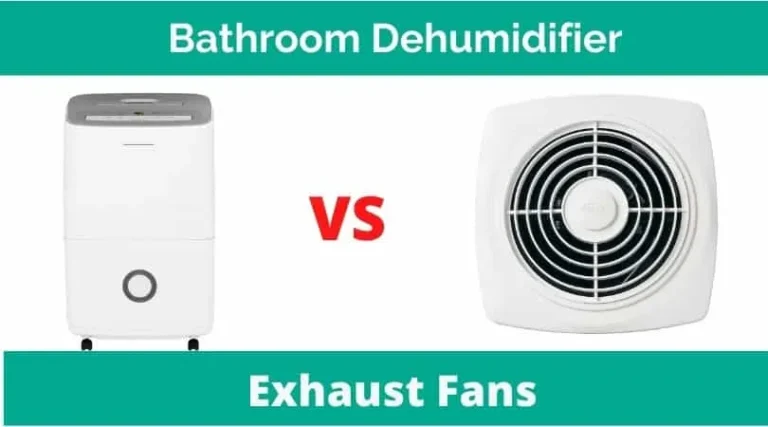
For bathrooms that consistently struggle despite good ventilation, a portable dehumidifier can help. This is especially useful for bathrooms that share space with a laundry room or are in a humid basement. A small 20-pint or 30-pint model placed in the bathroom or just outside the door can keep the baseline humidity low.
If you're looking for options, some of the top-rated units for regular use include a unit designed for year-round operation. For smaller bathrooms, a compact 20-pint model often fits the space better.
Upgrade the Fan
If you've tried everything and the bathroom still stays humid, it's time to upgrade the fan. Modern fans are more efficient, quieter, and move more air than older models. Look for one with a built-in humidistat that turns the fan on automatically when humidity rises.
This takes the guesswork out of timing.
When to Call a Professional (and When to DIY)
Most bathroom humidity problems are DIY fixes. Some situations require a contractor. Here's how to tell the difference.
You Can DIY These
Replacing a bathroom fan cover. Pop the old one off. Clean the vent.
Put the new one on. Ten minutes.
Cleaning the fan blades and housing. Dust buildup reduces airflow. A vacuum with a brush attachment and a damp cloth will do the job.
Installing a timer switch. If you want to run the fan longer without remembering to turn it off, a timer switch is a simple electrical swap. Basic wiring knowledge is enough.
Squeegeeing and wiping surfaces. This is just habit. No tools needed.
You Should Call a Pro for These
Venting the fan to the outside. If your fan currently vents into the attic, you need a contractor to run ductwork to an exterior wall or roof cap. This is a roofing and siding job in most cases.
It's not a beginner project.
Replacing an undersized fan with a larger one. If the new fan requires a bigger hole in the ceiling or different wiring, a contractor is the safer choice. The fan needs to be properly mounted and sealed to prevent air leaks.
Mold remediation. If you see mold covering more than a small patch of caulk or grout, call a professional. The same goes for mold behind walls or under the flooring.
Disturbing mold without proper containment can spread spores throughout your house. The EPA recommends professional remediation for areas larger than 10 square feet.
Structural damage. If you suspect moisture has reached the studs, subfloor, or joists, a contractor needs to assess the damage. Rotting wood is a structural issue.
It's not something you can fix with better ventilation.
When a Landlord or Property Manager Needs to Act
If you rent and your bathroom has persistent humidity problems, document the issue. Take photos of condensation, peeling paint, or mold. Send a written request for maintenance.
In many jurisdictions, landlords are required to maintain ventilation that meets local building codes. A bathroom without a working exhaust fan or a window that opens is a maintenance issue.
The Cost of Waiting vs. Acting
A small investment in a hygrometer, a timer switch, or a better fan saves thousands in remediation. The cost of ignoring a humidity problem is hidden at first. It shows up as a musty smell, then a patch of black caulk, then a soft spot in the drywall.
By the time you see structural damage, the fix is expensive.
A professional inspection is worth it if you're unsure. Many home inspectors and HVAC contractors will assess your bathroom ventilation for a modest fee. They can tell you exactly what's wrong and what it will take to fix it.
Common Mistakes That Keep Bathrooms Humid
Even with good intentions, people make the same mistakes over and over. Here are the most common ones.
Turning the Fan Off Too Early
This is mistake number one. You step out of the shower. The room feels steamy.
You flip the fan off. The moisture stays. The fan needs to run for 20 to 30 minutes after the shower ends.
Not during the shower only. Not for five minutes after. Set a timer if you need to.
Venting Into the Attic
Some bathrooms were installed with the fan duct ending in the attic. This is a code violation in most areas. It moves moisture into the attic space.
It causes mold on the roof sheathing. It damages insulation. If your fan does this, fix it.
Choosing a Fan That's Too Weak
A small builder-grade fan might move only 40 CFM. That's not enough for most bathrooms. The fan needs to match the room size.
A fan that can't move enough air will never clear the humidity. Upgrade to a model with the right CFM rating.
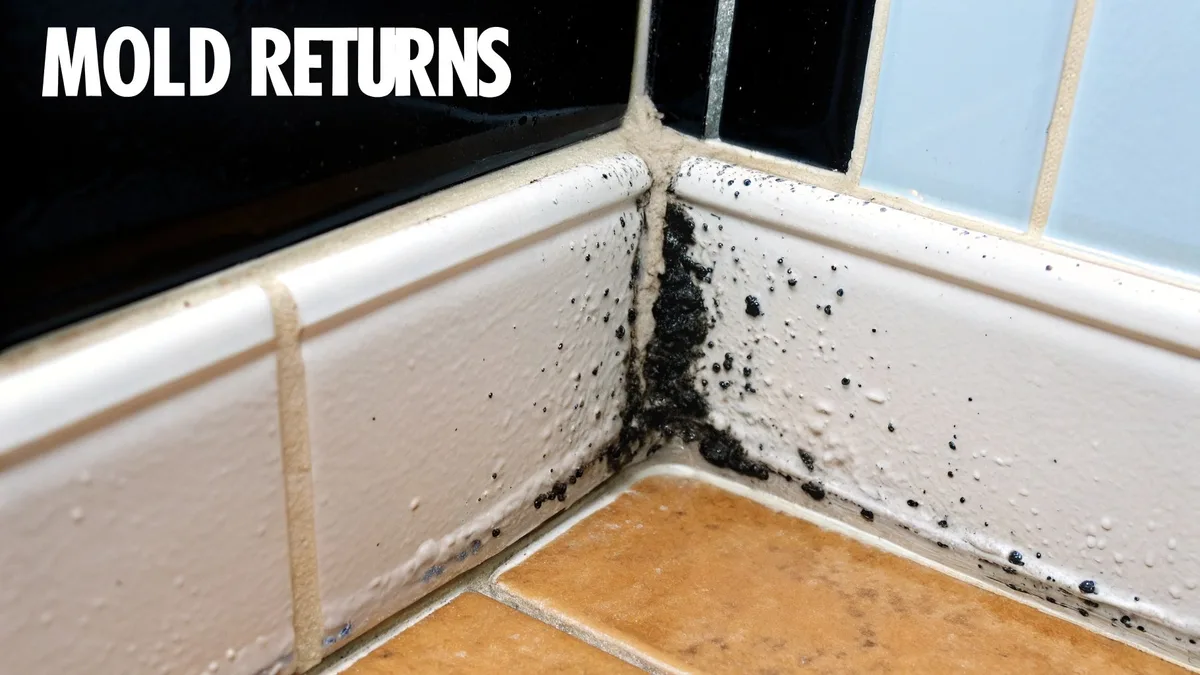
Image source: Bing (Web (fair-use with source credit))
Ignoring a Loud Fan
If the fan is loud, you won't run it. It's that simple. You'll turn it off early to get some quiet.
A noisy fan is a sign that it's either undersized, poorly installed, or on its last legs. Replace it with a quiet model rated at 1.5 sones or lower.
Relying on an Open Window in Humid Weather
In summer, the outdoor air might be just as humid as your bathroom. Opening the window won't help. In fact, it can make things worse.
The fan needs to exhaust the humid air outside. The window is a supplement, not a replacement.
Leaving Wet Towels and Bathmats Piled Up
Damp fabric releases moisture into the air. Hang towels to dry. Spread bathmats out.
Don't leave wet clothes on the floor. Every bit of moisture you remove from the room helps the humidity drop faster.
Skipping Regular Fan Maintenance
The fan cover collects dust. The blades collect dust. The duct can get clogged.
A dirty fan moves less air. Clean the cover and blades every few months. Vacuum the duct opening.
It takes five minutes and keeps the fan working at full capacity.
Real Scenarios: What the Numbers Look Like in Practice
Let's look at three common bathroom situations. Each one shows what the numbers tell you and what to do about it.
Scenario 1: The Guest Bathroom With No Window
A small guest bathroom has a low-power fan and no window. The 30-minute reading after a shower is 72 percent. That's too high.
The fix is to run the fan for 30 minutes after use. If that doesn't help, upgrade the fan to a 50 CFM model. A 30-pint dehumidifier placed in the hallway outside the door can also help pull moisture from the room.
Scenario 2: The Master Bath With Recurring Mold
A master bathroom has a window and a fan. The fan vents into the attic. The 30-minute reading is 68 percent.
There's black mold on the caulk and grout. The fix is to reroute the fan duct to the outside. After that, the reading drops to 48 percent.
The mold stops coming back.
Scenario 3: The Cold-Climate Condensation Problem
A bathroom in a northern climate has condensation on the windows every morning. The 30-minute reading is 55 percent. That's within the safe range.
The problem isn't sustained humidity. It's the cold glass surface temperature. The fix is to run the fan longer and wipe the windows.
The humidity is fine. The windows are just cold.
Frequently Asked Questions
Is 70 percent humidity in a bathroom bad?
Yes. Sustained humidity above 60 percent allows mold spores to germinate. At 70 percent, mold growth accelerates.
Dust mites also thrive. If your bathroom stays at 70 percent for extended periods, you need better ventilation.
Should I run the fan after every shower?
Yes. Run the fan during the entire shower and for 20 to 30 minutes after you finish. This clears the moisture before it settles into surfaces.
It's the single most effective thing you can do for bathroom humidity control.
Can a bathroom be too dry?
Yes, but it's rare. Below 40 percent relative humidity can cause dry skin, static shock, and respiratory irritation. In most bathrooms, the concern is high humidity.
If your bathroom is too dry, you'll notice it. Just don't aim for desert-like conditions.
How long does it take for mold to grow?
Mold can begin growing within 24 to 48 hours on a damp surface. That's why the 30-minute drying window matters. A bathroom that stays humid all day gives mold a head start.
Quick drying prevents colonization.
Does an open window count as ventilation for code?
It depends on your local building code. Many codes accept an open window as a ventilation source. But a window alone doesn't work well in humid weather or cold climates.
A mechanical exhaust fan is more reliable. It works regardless of outdoor conditions.
What size dehumidifier do I need for a bathroom?
For a small bathroom, a 20-pint or 30-pint model is usually enough. Place it in the bathroom or just outside the door. A larger 50-pint unit might be needed if the bathroom is very large or shares space with a laundry room.