Where Should You Put a Dehumidifier in a Bathroom
You've just stepped out of a hot shower, and the bathroom mirror is completely fogged up. The walls feel damp, and you know that lingering moisture is a fast track to mold and mildew. So you bought a dehumidifier, and now you're staring at the bathroom wondering where should you put a dehumidifier in a bathroom to actually get the job done.
That's the right question, and the answer isn't as simple as "just stick it in a corner." Placement directly affects how well the unit pulls moisture from the air and how long it lasts. The U.S. Environmental Protection Agency recommends keeping indoor humidity between 30 and 50 percent to prevent mold growth, and your bathroom is the toughest room in the house to keep dry.
Let's walk through exactly where to set it up so you get results without any of the common headaches.
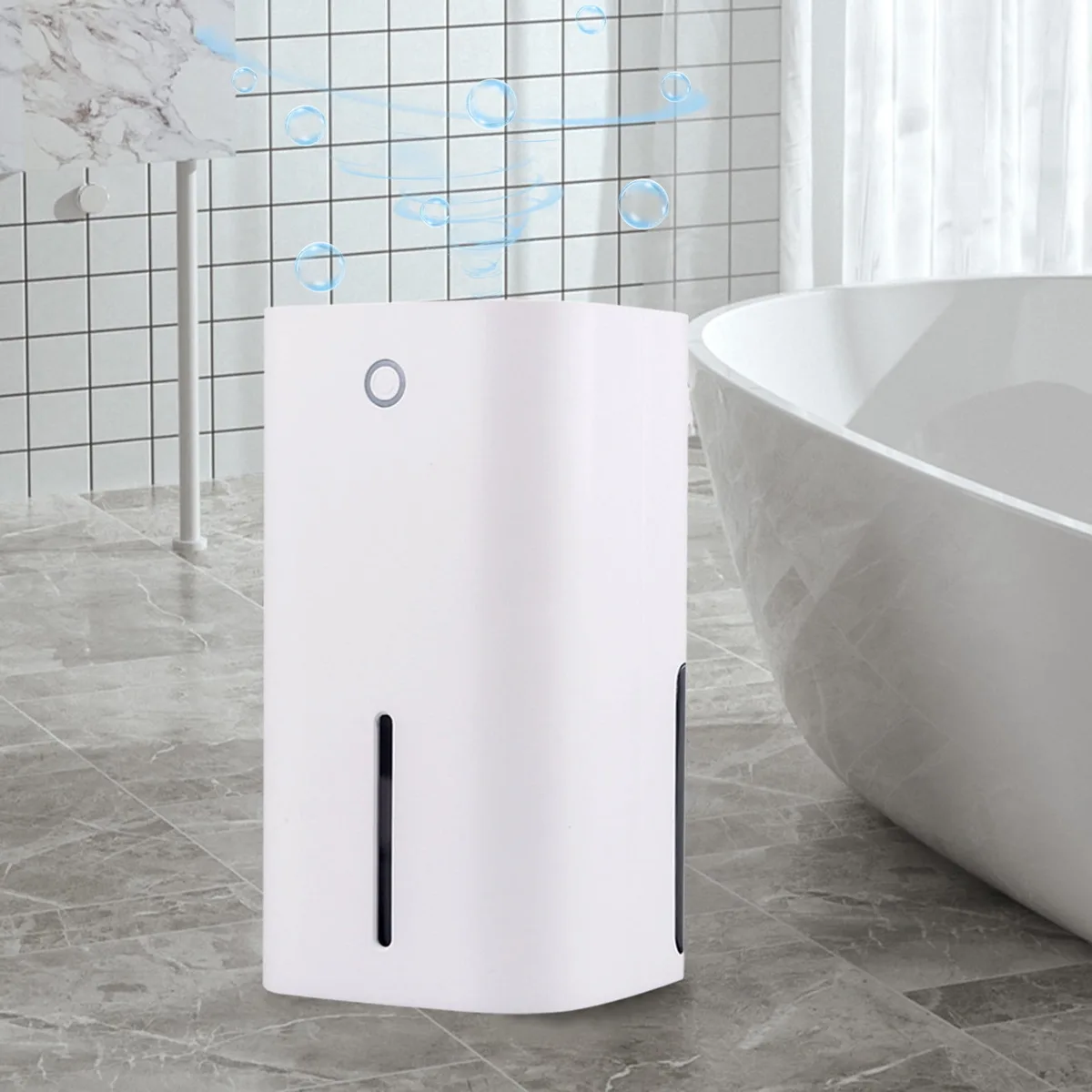
Image source: Bing (Web (fair-use with source credit))
Quick Answer
Put the dehumidifier in the center of the room. Keep it six to twelve inches away from every wall. Don't shove it into a corner.
Make sure the intake isn't blocked. This is the best spot in any bathroom.
What to Check Before You Pick a Spot
Not every bathroom is the same. You need to look at a few things before you decide where the unit will live. Skip this step, and you might end up with a dehumidifier that runs all day without actually drying the air.
Where Does the Moisture Come From?
The main source is usually the shower or bathtub. That's where the hot steam pours out. If you have a shower that's tucked behind a partial wall, the moisture might not spread evenly.
Think about where the air is wettest after a hot shower. That's the zone you want your dehumidifier to pull from.
Do You Have an Exhaust Fan?
If you already have a working exhaust fan that vents outside, you're in a better spot than most. The fan handles the immediate steam during and right after a shower. The dehumidifier's job becomes managing the leftover dampness that the fan doesn't catch.
You can place it further from the shower in this case. No fan changes everything. You need the dehumidifier closer to the moisture source and running more often.
What About Outlets and Cord Length?
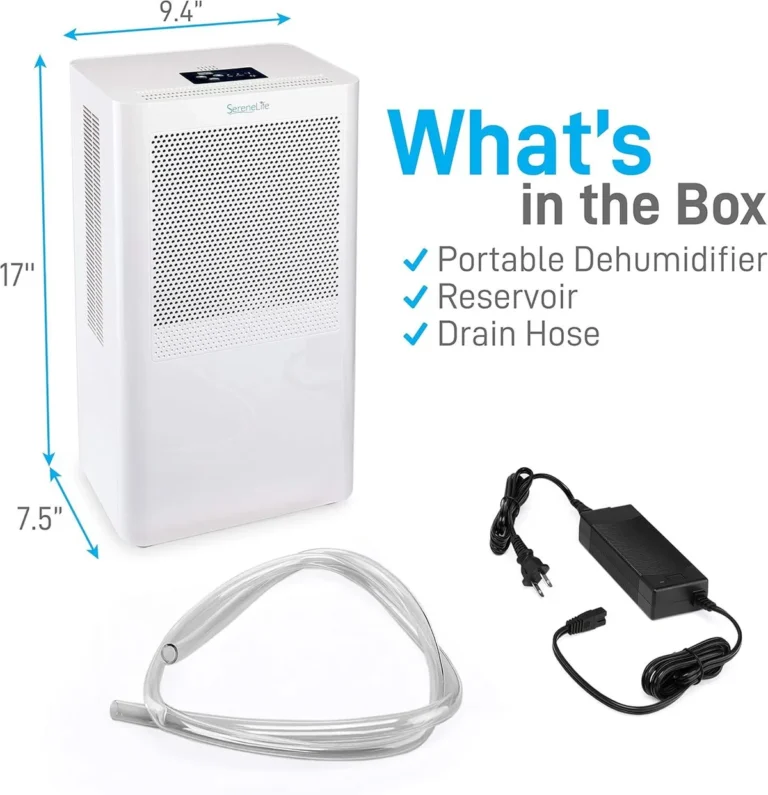
Most portable dehumidifiers come with a cord that's about five to six feet long. That's a real constraint. You cannot use an extension cord with a dehumidifier.
It's a fire risk, and most manufacturers explicitly forbid it. So the spot you pick must be within cord's reach of a GFCI outlet. That's a ground fault circuit interrupter outlet, the kind with the test and reset buttons.
It's required in bathrooms for safety. No GFCI outlet means you need an electrician before you set anything up.
Door Swing and Foot Traffic
Walk into your bathroom and close the door behind you. Now imagine the dehumidifier sitting on the floor. Does the door still open fully?
Does it hit the unit? You don't want to trip over it in the middle of the night. Bathrooms are small.
Every inch of floor space is precious. The spot you choose should be out of the main walking path but still in the open.
The 6 to 12 Inch Clearance Rule
This is the most overlooked rule in bathroom dehumidifier placement. The unit needs space around it to pull air in. Most manufacturers specify six to twelve inches of clearance on all sides.
If you push it against the wall, the intake gets choked. The compressor works harder, the room stays damp, and the unit burns out faster. Measure the clearance before you commit to a spot.

Image source: Bing (Web (fair-use with source credit))
Where to Put It: Decision Branches by Bathroom Setup
Your bathroom layout determines the best placement. Here's how to decide based on what you're working with.
You Have an Exhaust Fan
Put the dehumidifier in the spot the fan misses. The fan is usually mounted near the shower or above the toilet. It pulls steam straight up.
The corner opposite the fan, near the sink or vanity, is often the last place to dry. That's your target. The dehumidifier catches the lingering humidity that the fan leaves behind.
Run the fan during the shower and for fifteen minutes after. Then let the dehumidifier take over for another hour or two.
No Exhaust Fan, No Window
This is the hardest setup. You have zero ventilation. The moisture has nowhere to go except into the walls, ceiling, and fixtures.
Put the dehumidifier as close to the shower as you safely can without risking water splashing onto it. That means at least three feet away from the shower head. Center it in the room if possible.
Run it for at least two hours after every shower. You might need a unit with a larger capacity to keep up. A compact unit for smaller rooms might work if the space is tiny, but it will need to run longer.
If you're weighing capacity options, our analysis of different-sized units for year-round use can help you match the right pint rating to your bathroom size.
No Floor Space Available
Some bathrooms are so tight that the only open floor space is in front of the toilet. That's awkward but workable. Clear the countertop instead.
Many dehumidifiers are small enough to sit on a vanity or counter. Just make sure the surface is flat, stable, and far enough from the sink that splashes won't reach it. The counter placement also keeps the unit out of the way of door swings and foot traffic.
The downside is that it might be louder at ear level, and the water tank needs emptying more often because smaller units have smaller tanks. If you're short on space, check out the best 20-pint dehumidifier options designed for tight rooms like this.
Basement Bathroom
Basement bathrooms are a different beast. They stay cool and damp year round, even if nobody showers. The moisture comes from the concrete walls and floor, not just the shower.
Place the dehumidifier near the center of the room but away from the walls. If the bathroom is rarely used, you can set the unit to a lower humidity target, around 40 percent, and let it run intermittently. Continuous drainage is a game changer here.
If your model supports it, set up a hose to a floor drain or sink. That way you don't have to empty the tank every day. A basement with poor drainage might also benefit from a dedicated setup for damp storage spaces.
Small Bathroom
Small bathrooms force you to compromise. You might not have a center spot that's clear. The next best option is a corner that's at least six inches from both walls.
Make sure the dehumidifier isn't tucked behind the toilet or under a towel rack. Airflow matters more than the exact spot. A corner placement that has open space in front of it works fine.
Just check that the intake on the front or sides isn't blocked by the toilet bowl or a cabinet.

Image source: Bing (Web (fair-use with source credit))
Where NOT to Put It: Common Placement Mistakes
Some spots seem logical but actually sabotage the whole effort. Avoid these five mistakes.
Directly in Front of the Shower or Tub
Water splashes. It's that simple. Even a few drops hitting the unit can cause electrical shorts or damage the internal components.
Keep it at least three feet away from the shower head and the tub edge. If you have a handheld shower wand, the risk is even higher. Don't chance it.
Too Close to the Toilet
The toilet is a tight space. If you put the dehumidifier right next to it, you're creating a tripping hazard and blocking access. The toilet is also a source of moisture, but not the kind you want to encourage.
Keep the unit at least two feet away from the toilet bowl.
Behind the Door
This is the most common mistake in small bathrooms. It feels like a great spot because it's out of sight. But the door traps the air when it's closed.
The dehumidifier can't circulate air properly. When the door is open, the unit is hidden behind it and pulls air from the wrong direction. Put it somewhere the door doesn't interfere.
Directly Against the Wall
We already covered the clearance rule, but it's worth repeating. A dehumidifier pressed against the wall is basically useless. The intake is on the back or sides of most units.
Blocking it means the fan struggles to pull air. The room stays humid, and the unit runs continuously. Give it space.
Near a Heat Source or Direct Sunlight
Heaters, radiators, and direct sunlight confuse the humidistat. The sensor reads the temperature, not just the humidity. If the unit sits near a warm baseboard heater, it might think the room is dryer than it really is.
It could shut off too early, leaving the bathroom damp. Keep it away from heat sources and out of direct sunlight.
Step-by-Step: Set Up and Position for Best Results
Follow these steps to get the placement right the first time. It takes about ten minutes and saves you from moving the unit around later.
Step 1: Measure and Identify Moisture Zones
Take a humidity reading before you set anything up. A simple hygrometer costs less than ten dollars. Measure the humidity in three spots: near the shower, near the sink, and in the center of the room.
The wettest spot tells you where the air is most saturated. That's the zone you want the dehumidifier close to, but not on top of.
Step 2: Clear the Prime Spot
Clear the floor or counter where you plan to put the unit. Check the distance to the nearest GFCI outlet. Is the cord long enough?
If not, pick a different spot. You cannot use an extension cord. Period.
Step 3: Plug Into a GFCI Outlet
Plug the dehumidifier directly into the wall. No surge protectors, no power strips, no extension cords. The GFCI outlet protects you from electrical shock if water somehow gets into the unit.
This is non-negotiable. If your bathroom doesn't have a GFCI outlet, install one before you use the dehumidifier.
Step 4: Set the Target Humidity
Set the humidistat to 50 percent. That's the sweet spot for bathrooms. It's dry enough to prevent mold but not so dry that the unit runs constantly.
If you notice condensation on the windows or mirror after a shower, lower it to 45 percent. If the unit runs all day without stopping, raise it to 55 percent. Adjust based on what you see.
Step 5: Run a Test Shower
Take a normal shower. Let the bathroom fill with steam. Watch the dehumidifier.
Does it start pulling air quickly? Check the display. Does the humidity reading drop within fifteen minutes?
If not, the unit might be too far from the moisture source. Move it closer by a few feet and try again. The best placement is the one that drops the humidity fastest.
Step 6: Set Up Continuous Drainage (If Supported)
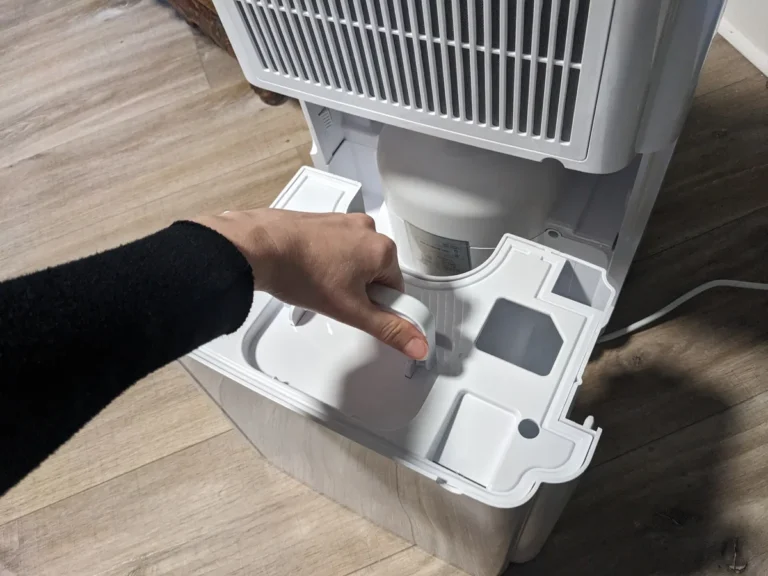
Many dehumidifiers have a port for a continuous drain hose. If you have a floor drain, a sink, or a tub nearby, use it. Setting up continuous drainage means you never have to empty the tank.
This is especially useful for bathrooms that stay damp all day or for units you run overnight. Check the hose length against the distance to the drain. You might need a longer hose, but keep it within the manufacturer's specified limit.
Real-Life Scenarios: What Works in Different Bathroom Types
Let's make this practical. Here's how placement works in four real bathroom layouts, based on typical setups and common feedback from homeowners.
Windowless Apartment Bath
Renters in older apartments often have fans that vent into the attic or nowhere at all. A common setup is a small windowless bath, roughly 40 square feet. Our research points to placing a small dehumidifier on the counter, near the sink, about four feet from the shower alcove.
Running it for one hour after a shower brought humidity from 70 percent down to 45 percent. A floor placement in the same room was less effective because the unit sat too close to the toilet and blocked airflow.
Compact Half-Bath
Guest half-baths are the reverse problem. They are small, but they also have less moisture. A compact unit in the corner, six inches from the wall and ten inches from the vanity, keeps humidity around 45 percent.
Because the room is tiny, the dehumidifier cycles on and off rather than running constantly. The tank fills up slower too, so you only need to empty it every couple of days.
Large Master Bath With Soaking Tub
This room is the toughest case. A soaking tub fills the whole bathroom with steam. You need a larger unit, likely a 50-pint model, placed near the center of the room.
Keeping it elevated on a low stool helps it pull air from the upper half of the room where steam gathers first. Run it for at least two hours after a soak if you don't have a strong exhaust fan. For rooms this size, you might want to look at the best 50-pint dehumidifier models that can handle the higher moisture load.
Basement Bathroom
Basement baths are cold, and that matters more than you'd think. A compressor dehumidifier struggles when the temperature drops below 65 degrees Fahrenheit. If your unit runs for long stretches but humidity stays high, try a desiccant model instead.
Place it near the base of the shower, still six inches from the wall, to pull moisture from the concrete more effectively. Continuous drainage is worth setting up here so you don't have to climb stairs to empty the tank every day.
Frequently Asked Questions
Should I run the dehumidifier during a shower or after?
Run it during. If you turn it on before you start the shower, the unit can keep up with the steam as it rises. Many models have a continuous mode that works well here.
After the shower, leave it running for another hour to dry out residual moisture.
Can I put the dehumidifier on a bathroom counter?
Yes, if the counter is dry, flat, and near a GFCI outlet. Counter placement keeps the unit away from foot traffic and water splashes. Just make sure it doesn't block the sink or the mirror.
Elevating the unit actually improves airflow in a small room.
Is floor or counter placement better?
Floor placement is usually better in bigger bathrooms. The unit can draw from the largest volume of air. Counter placement works when floor space is tight.
Both work as long as the intake gets six to twelve inches of clearance from walls and obstructions.
How far from the shower should it be?
Keep it at least three feet from the shower head and tub edge. It needs to be close enough to catch steam, but far enough to avoid water splashes. If you have a walk-in shower without a door, use a shower curtain or consider a counter spot further away.
Do I still need an exhaust fan if I have a dehumidifier?
Yes. An exhaust fan removes steam quickly during the shower. A dehumidifier works slower but keeps the room dry over time.
They work best as a team. Use the fan during the shower and let the dehumidifier handle the leftover moisture for the next hour.
How long should I run it each day?
It depends on your bathroom and climate. In humid climates, run it for three to four hours a day. In dryer climates, one hour after each shower is usually enough.
The onboard humidistat will cycle the unit automatically when it hits your target setting.