How to Control Crawl Space Humidity
Learning how to control crawl space humidity can feel overwhelming with all the conflicting advice out there. The truth is, most moisture problems come down to just two variables. Get those right, and you can stop mold, rot, and high energy bills for good.
Per the U.S. Department of Energy, a dirt crawl space can release up to 500 gallons of water vapor into your home each year. That moisture has to go somewhere.
If it's not managed properly, it ends up in your insulation, your ductwork, and your indoor air.
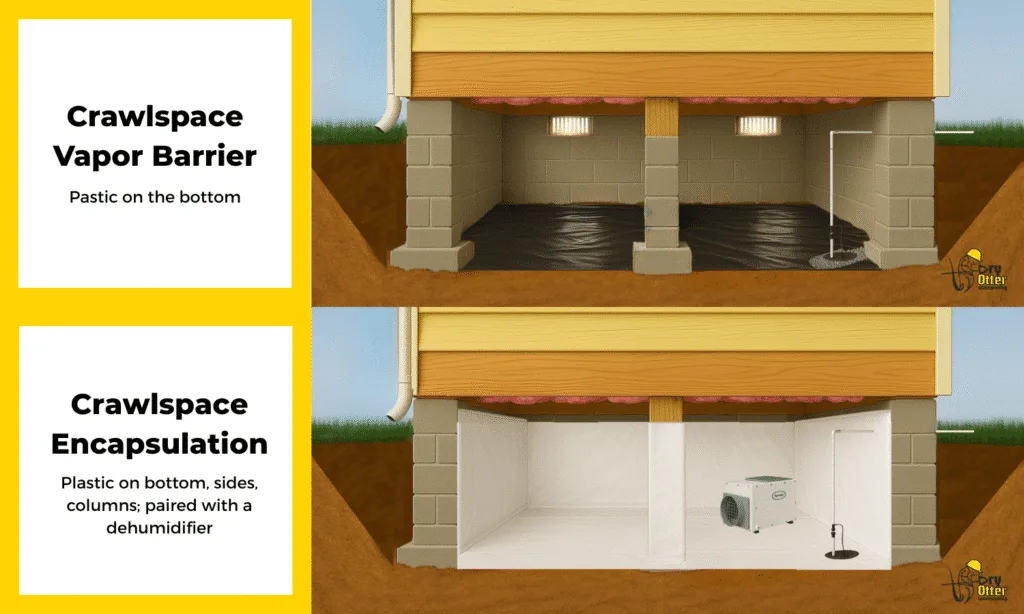
Image source: Bing (Web (fair-use with source credit))
Quick Answer
Control crawl space humidity by sealing the space and managing moisture at the source. Install a vapor barrier over the dirt floor. Seal all foundation vents.
Run a dehumidifier sized for your square footage. Keep humidity below 60 percent. Fix gutters and grading first to stop water from entering.
Why Your Crawl Space Humidity Problem Needs a Strategy, Not a Product
Here's the mistake most homeowners make. They see condensation or a musty smell, and they rush to buy a dehumidifier. They plug it in, and the problem comes back a month later.
That's because a dehumidifier is a tool, not a strategy.
The real work starts outside your house. If rainwater is pooling against your foundation, no machine can keep up. You have to stop the water before you try to dry the air.
That means extending downspouts, fixing gutters, and sloping the ground away from the house. The EPA's mold and moisture guidance makes this point clearly.
Once you've solved the bulk water issue, you can think about equipment. The right answer depends on whether your crawl space is vented or sealed, and what climate you live in. Those two factors determine everything.
The Two Questions That Decide Your Fix: Vented vs. Sealed, and Your Climate
Every crawl space falls into one of two categories. It's either vented (with those metal louvered vents in the foundation walls) or sealed (sometimes called encapsulated). Your climate determines which approach works best.
Vented crawl spaces were the standard for decades. The idea was that fresh air would dry out the space naturally. In humid climates, you're just pumping damp air in.
The vents actually make things worse. In dry climates, they can work fine.
Sealed crawl spaces use a vapor barrier on the floor and insulation on the walls. The vents get closed up permanently. The space becomes part of your conditioned living area.
This approach works well in humid climates but requires careful moisture management.
Your climate zone is the deciding factor. The U.S. Department of Energy's moisture control guidelines split the country into humid, mixed, and arid regions.
If you live in the Southeast, Pacific Northwest, or any humid area, a sealed crawl space with a dehumidifier is almost always the right call. If you're in the desert Southwest or a dry mountain region, vented can work perfectly well.
Your Crawl Space Humidity Decision Tree: Which Path You Should Take
Answer these three questions in order. You'll know exactly what to do.
Question 1: Do you have standing water or active leaks?
If yes, fix that first. Grade the soil. Extend downspouts.
Install a French drain if needed. Nothing else matters until the water stops. If no, move to question 2.
Question 2: Do you have foundation vents?
If yes, you have a choice. In humid climates, close and seal them permanently. In arid climates, leave them open and consider adding a vent fan.
If no, your crawl space is already sealed. Move to question 3.
Question 3: What is your relative humidity reading?
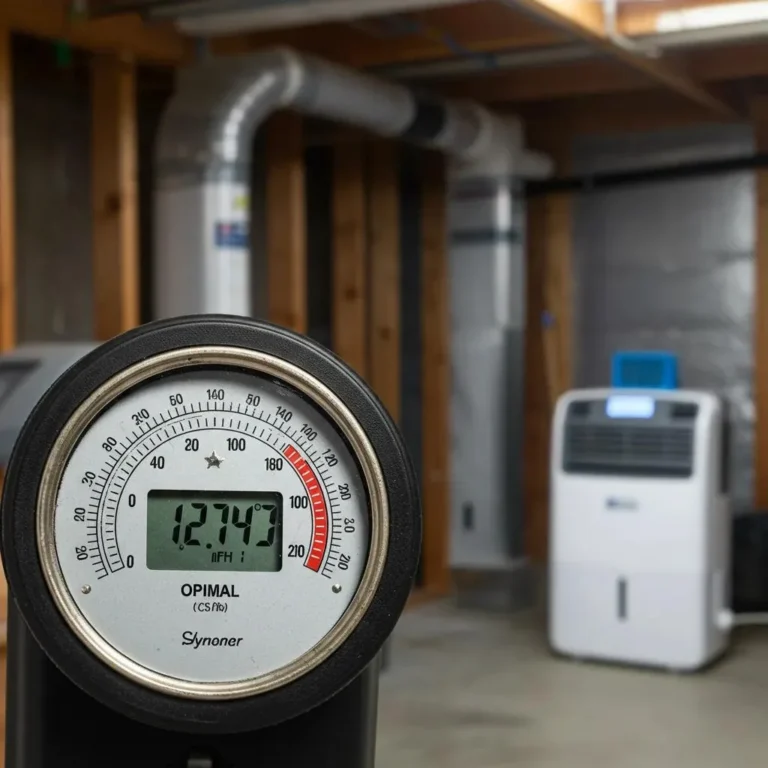
Measured with a hygrometer. If it's below 60 percent, you're in good shape. Monitor it through the seasons.
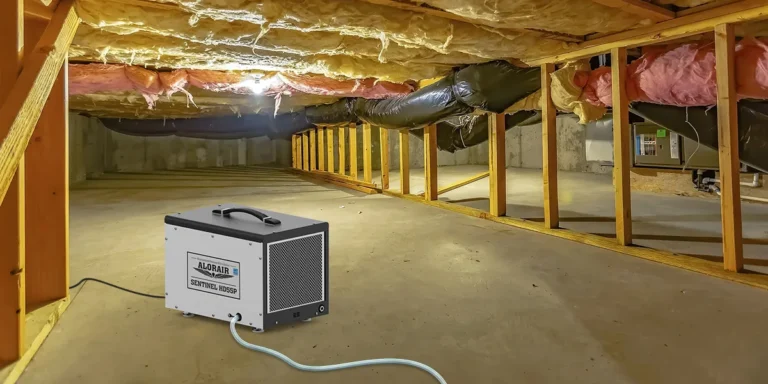
If it's above 60 percent, you need a dehumidifier. Size it based on square footage and moisture levels. A unit in the 50 to 70 pint range covers most crawl spaces.
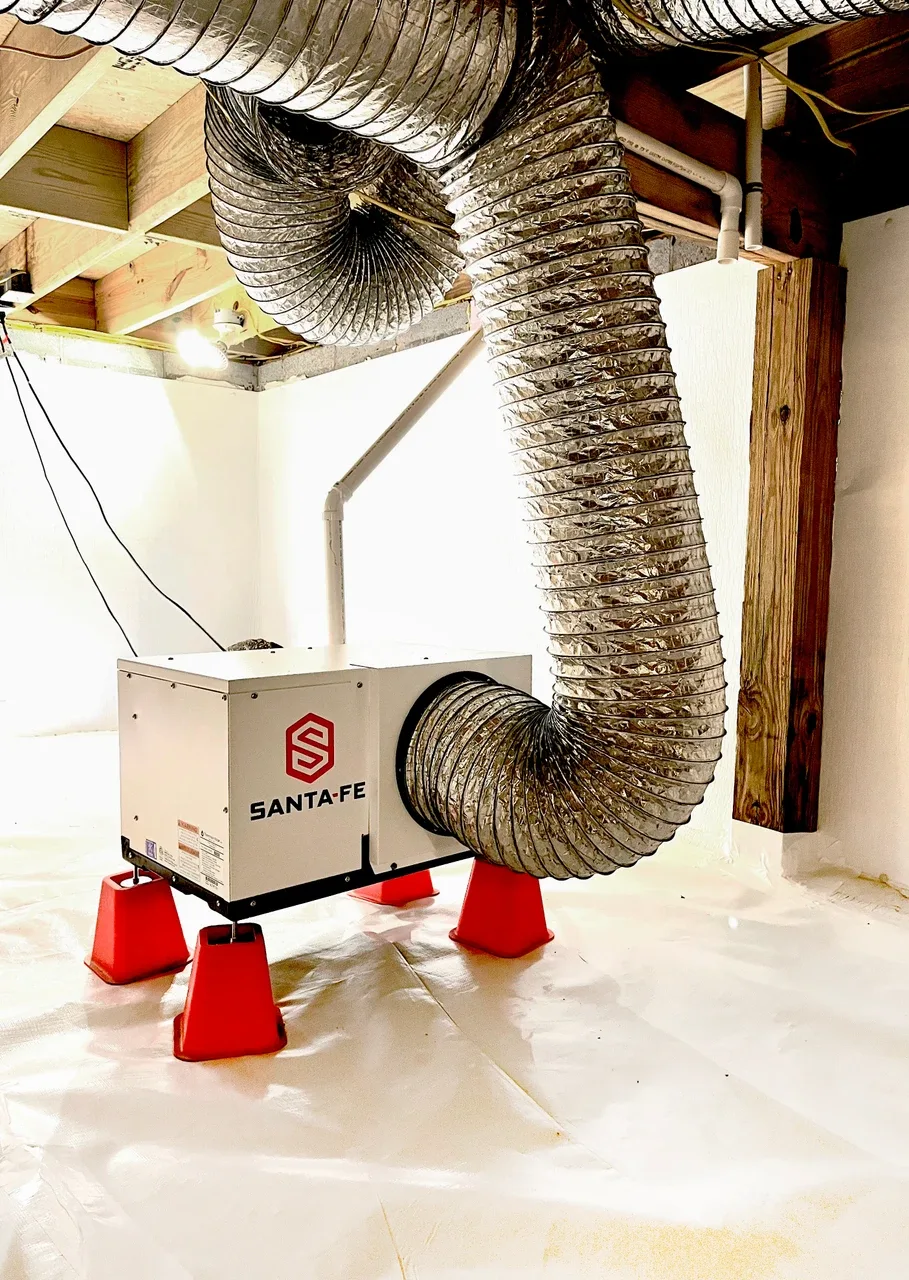
Image source: Bing (Web (fair-use with source credit))
If you're ready to buy, a top-rated 50-pint model handles medium sized spaces well. For larger areas, a 70-pint unit is a better fit.
Step-by-Step: How to Execute Each Path the Right Way
Once you know which path you're on, follow this sequence. Don't skip steps. Every one builds on the last.
Path A: Sealed crawl space in a humid climate
- Clear the space of debris and old insulation that's wet or moldy.
- Install a vapor barrier over the entire dirt floor. Overlap seams by 12 inches and tape them. Run the barrier up the walls 6 to 12 inches and fasten it.
- Seal all foundation vents permanently with rigid foam board and spray foam.
- Install a dehumidifier. Place it on a level surface and run a condensate line to a drain or a sump pump.
- Add a rim joist vapor barrier to seal the gap between the foundation and the floor joists.
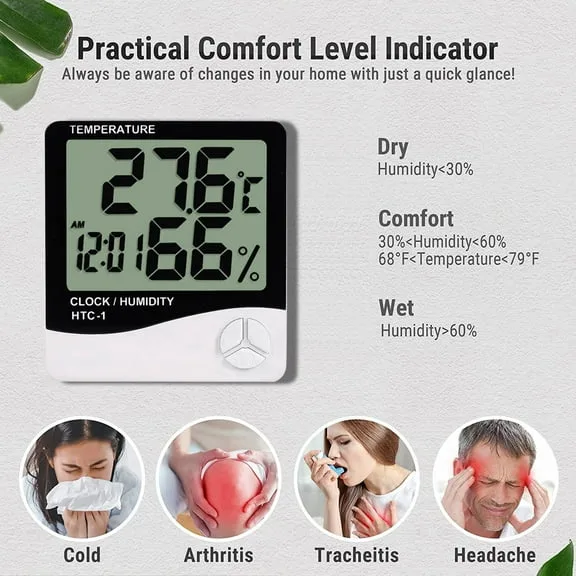
- Monitor humidity weekly with a wireless hygrometer you can read from inside the house.
Path B: Vented crawl space in an arid climate
- Make sure foundation vents are open and clear of debris.
- Install a vent fan to improve airflow. A thermostatically controlled fan that runs when humidity rises is ideal.
- Lay a vapor barrier over the dirt floor to reduce ground moisture.
- Check that the crawl space stays dry year round. If you see condensation on the vents in winter, consider switching to a sealed approach.
Path C: Mixed climate
Start with a sealed approach and add a dehumidifier set to 50 percent. In the dry winter months, you may not need it. Run it seasonally based on your readings.
The Mistakes That Cost Homeowners Thousands (and How to Skip Them)
These mistakes are expensive and completely avoidable.
Mistake 1: Ignoring the outside first. A homeowner installs a $1,200 encapsulation system but never fixes the gutter that's dumping water against the foundation. The crawl space stays wet. Always fix the exterior drainage first.
Mistake 2: Using a dehumidifier without a drain line. You set it up and empty the bucket every few days. Then you forget. The bucket fills up.
The unit shuts off. The humidity spikes back up to 70 percent. Run a condensate line to a drain or a sump pump.
This is non-negotiable.
Mistake 3: Sealing vents without a vapor barrier. You close the vents but leave the dirt floor exposed. The ground keeps releasing moisture. Now you've trapped it inside.
The vapor barrier must go down first.
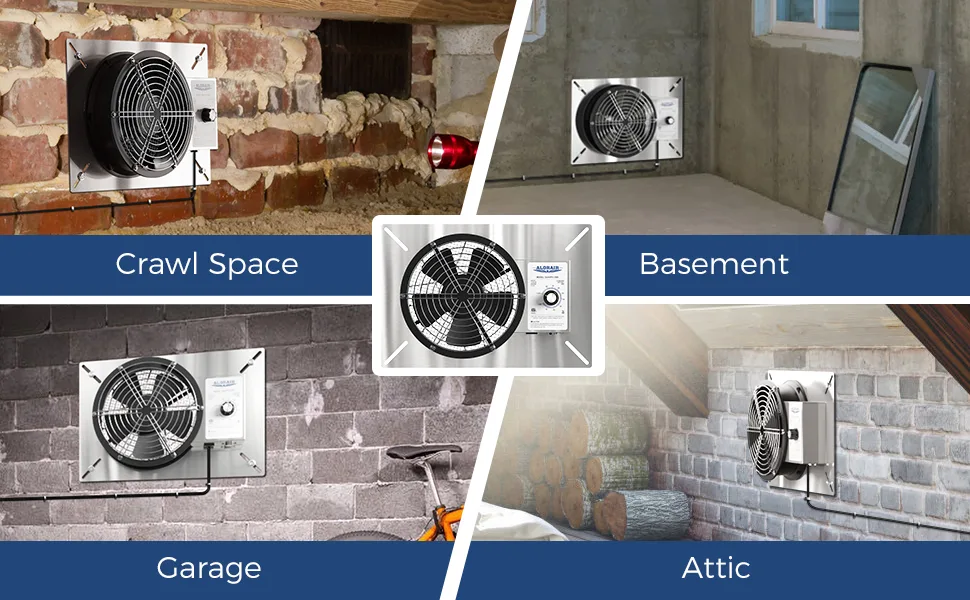
Image source: Bing (Web (fair-use with source credit))
Mistake 4: Undersizing the dehumidifier. A small 20-pint unit in a 1,500 square foot crawl space runs constantly and never catches up. Match the unit to the space. A 50-pint dehumidifier is the minimum for most crawl spaces.
For very damp or large spaces, step up to a 70-pint model.
Mistake 5: Not monitoring after the fix. You install everything, it works for a month, and you assume the problem is solved. Then summer arrives with higher humidity. A $15 hygrometer with a remote display saves you from this.
Check it weekly.
Frequently Asked Questions
How do I know what humidity level is safe in my crawl space?
Keep relative humidity between 30 and 50 percent. Anything above 60 percent for more than a few days encourages mold growth and wood rot. A simple hygrometer with a remote display lets you check the reading without crawling under there.
Should I seal my crawl space vents or keep them open?
It depends on your climate. In humid regions, seal them permanently. Open vents pull in moist air that makes the problem worse.
In arid climates, keep them open and add a vent fan for extra airflow. Monitor your readings and adjust.
Do I need a professional to install a vapor barrier?
You can do it yourself if the crawl space is clean and accessible. A 10 mil or 20 mil polyethylene sheet costs a few hundred dollars. Overlap the seams by 12 inches and tape them.
Run the barrier up the walls 6 to 12 inches. If the space has standing water, structural issues, or mold, call a professional.
What size dehumidifier do I need for a crawl space?
A 50 to 70 pint unit handles most residential crawl spaces. Start with a 50-pint model for spaces under 1,000 square feet. Go up to 70 pints for larger or very damp areas.
A condensate pump is essential if you don't have a floor drain.
Can I use a basement dehumidifier in my crawl space?
Yes, but check the clearance. Crawl spaces are often short. Some dehumidifiers are too tall to fit.
Look for a low profile model designed for tight spaces. Also make sure it has a condensate pump or a gravity drain option.
How often should I check my crawl space after fixing it?
Check it monthly for the first year. After that, inspect it every three months. Look for torn vapor barrier, standing water, condensation on pipes, and pest activity.
Replace the hygrometer batteries yearly.
Your Action Plan: Match Your Situation to the Right Solution
Here's the bottom line. You now have a complete decision tree based on your specific conditions. Let me summarize the paths so you can act on them.
If you have standing water or active leaks: Fix your gutters, extend your downspouts, and regrade the soil around your foundation. Install a French drain if needed. Do not buy a dehumidifier or a vapor barrier until the water stops.
That's step one.
If you have a vented crawl space in a humid climate: Seal the vents permanently. Install a vapor barrier over the dirt floor. Add a dehumidifier sized for your square footage.
Run a condensate line to a drain. Monitor humidity weekly.
If you have a vented crawl space in an arid climate: Keep the vents open. Add a vent fan for better airflow. Lay a vapor barrier on the floor.
Check the space after heavy rain. If it stays dry, you're good. If you see condensation, switch to a sealed approach.
If you have a sealed crawl space with high humidity: Add a dehumidifier. Check the vapor barrier for tears. Verify that the rim joists are sealed properly.
Make sure the condensate line drains correctly. A sealed space with a working dehumidifier should stay below 50 percent humidity.
If you're on a budget and need the cheapest fix: Start with the vapor barrier. A 6 mil polyethylene sheet costs about $0.10 per square foot. Lay it down and tape the seams.
Then address the vents. Seal them with rigid foam board and spray foam. That alone can reduce humidity significantly.
Add a dehumidifier when you can afford one.
For those ready to buy, our research shows that a 50-pint model is the sweet spot for most crawl spaces. If you need something more affordable, a 30-pint unit can work for smaller spaces. For larger or very damp areas, a 70-pint unit is the better investment.
The most important thing is to take action. A moist crawl space doesn't fix itself. It rots your floor joists.
It rusts your HVAC equipment. It degrades your indoor air quality. Every month you wait, the damage compounds.
Start with the exterior drainage. Then move to the vapor barrier. Then the dehumidifier.
Follow the order, and you'll get it right.