Can One Dehumidifier Cool Multiple Rooms
You've probably wondered, can one dehumidifier cool multiple rooms, or are you wasting your money trying? It's a fair question, especially when sticky summer air settles into every corner. The short answer is no: a dehumidifier doesn't cool like an air conditioner.
But that doesn't mean it can't make several rooms feel better.
Here's what most people miss. A dehumidifier pulls moisture out of the air, and drier air feels more comfortable at the same temperature. The EPA recommends keeping indoor relative humidity between 30 and 50 percent to discourage mold and ease damping.
So before you buy a second machine, let's see whether one unit can realistically handle your whole home.
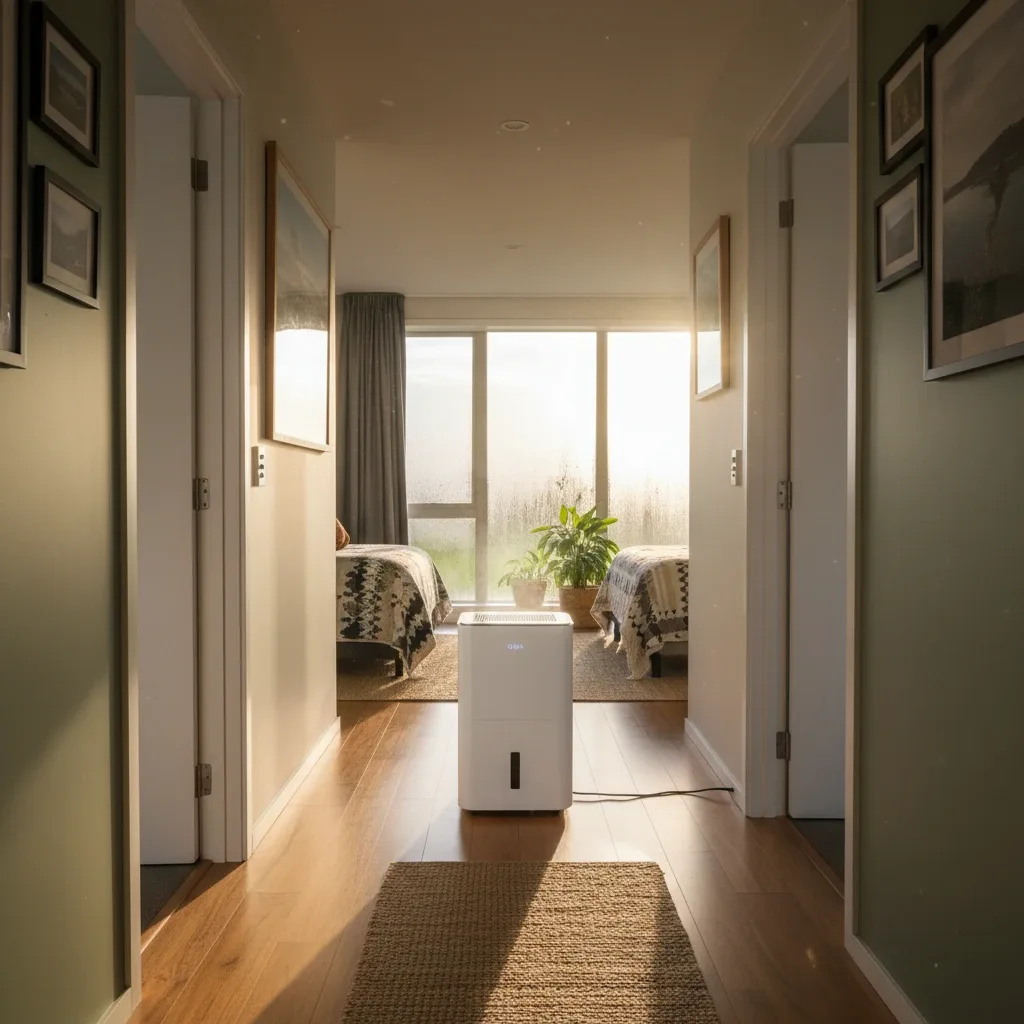
Image source: Bing (Web (fair-use with source credit))
Quick Answer
Can one dehumidifier cool multiple rooms? No. A dehumidifier removes moisture, not heat.
It actually blows out warm air. One unit can lower humidity across several connected rooms if the layout lets air move. But it will not make those rooms cooler.
For real cooling, you need an air conditioner.
The Short Answer: No, It Won't Cool, But That's the Wrong Question
Here's the confusion in one line: people say "cool" when they mean "feel better." A dehumidifier won't drop the temperature in your living room. Compressor models push warm air out the exhaust vent while they condense water. In a small closed room, that waste heat can nudge the temperature up, not down.
But lower humidity makes you feel cooler. Your body sheds heat through sweat evaporation, and humid air slows that process. Drop the relative humidity from 70 percent to 50 percent, and your skin feels drier even though the thermometer hasn't moved.
That's why the real question isn't about cooling at all. It's whether one machine can meaningfully lower humidity across several rooms. The answer depends on layout, room sizes, and the unit's pint capacity.
Think of a dehumidifier as a water remover, not a temperature changer. An air conditioner's primary job is pulling heat out. A dehumidifier's primary job is pulling water out.
That distinction explains why one machine can dry several rooms and still leave them warm.
Set your expectations around moisture removal, not thermostat readings. Less moisture means fewer damp sheets, less sweat, and less of that heavy, pre-storm feeling. That's the real win from a single unit.
Four Things That Decide If One Unit Will Work
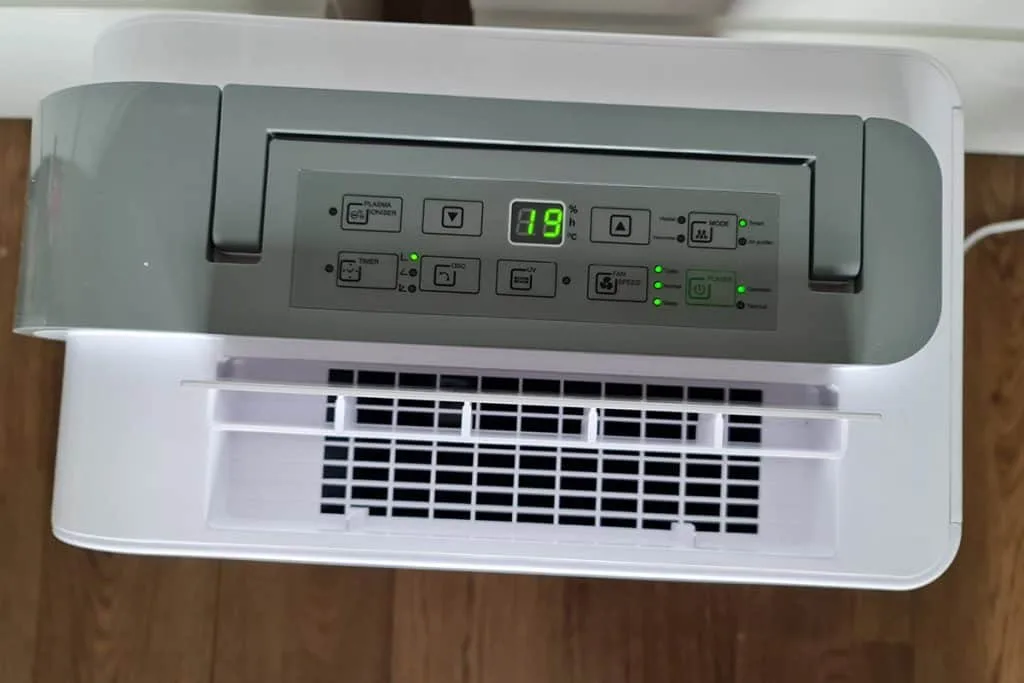
Image source: Bing (Web (fair-use with source credit))
Before you try anything, answer these four questions. Your answers will tell you whether one unit has a fighting chance.
1. Are the doorways open?
Even a powerful dehumidifier only treats the air that reaches it. With every interior door shut, each room becomes its own pocket of dampness. Leave doors open, especially near the machine.
If you can't, the unit will only dry the room it sits in.
2. What's the square footage?
Manufacturer specs list coverage in square feet, measured under AHAM's standard testing conditions of 80°F and 60 percent relative humidity. A mid-capacity machine might claim 2,500 square feet, but that assumes open doorways and normal ceilings. Closed-off hallways shrink that real-world reach.
3. Where does the moisture come from?
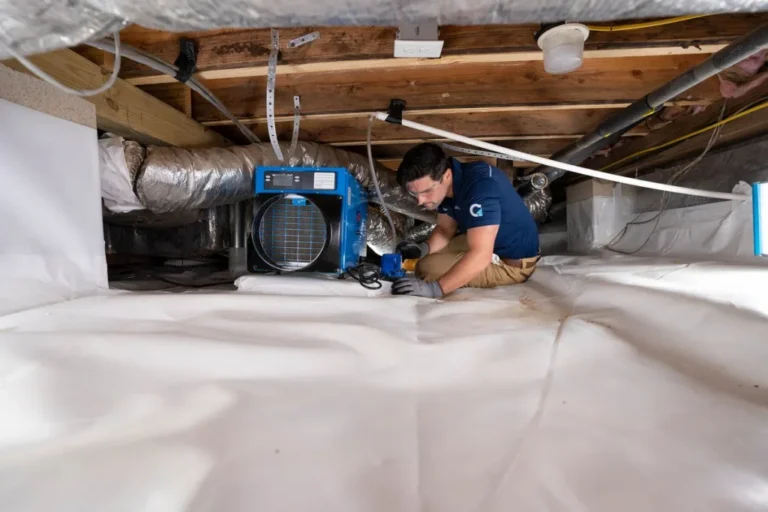
A damp basement keeps feeding humidity into the rest of the house. If your moisture source is isolated, like a bathroom, the machine can handle it. If it's a wet crawlspace, the whole house will stay sticky.
4. How much airflow can you create?
Air doesn't move around corners on its own. A box fan in a hallway can push dry air toward the far bedroom. Without that push, the dehumidifier only makes a bubble of comfort around itself.
If you can't create a circulation path, plan on moving the machine.
Add up your answers. Open doors, under 2,000 square feet, a contained moisture source, and a fan to push air: one unit can work. Miss any of those and you'll be disappointed.
How to Make One Dehumidifier Cover More Than One Room
You don't need to accept a single humid room. These five steps let one machine pull moisture out of several connected spaces.
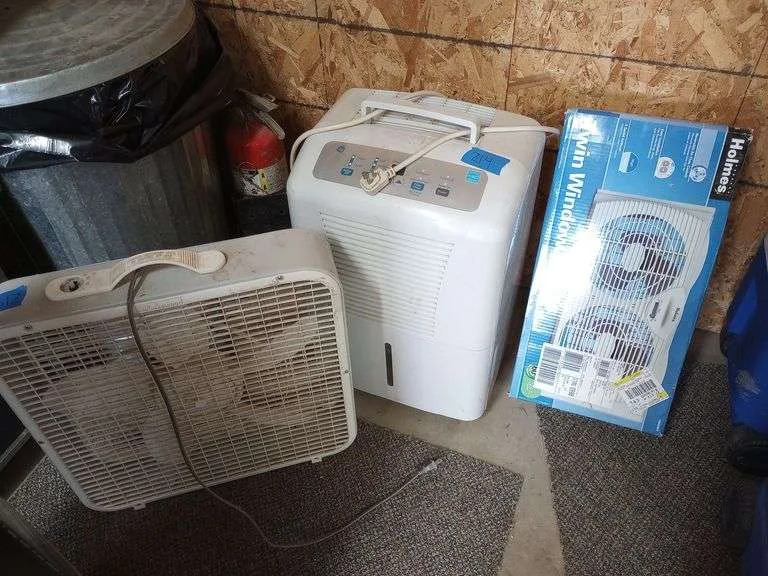
Image source: Bing (Web (fair-use with source credit))
Step 1: Place the dehumidifier in a central spot.
A hallway, landing, or open doorway works best. Think of it like a radio transmitter: the signal spreads furthest from the middle. Keep it 6 to 12 inches from walls so air can enter freely.
Step 2: Set the humidistat to 50 percent.
That's the sweet spot per the U.S. Environmental Protection Agency. Below 30 percent gets too dry, above 60 percent invites mold.
Let the machine cycle by humidity, not by timer.
Step 3: Open all interior doors.
Even a cracked door lets humid air drift toward the intake. For rooms that feel stuffy, prop them fully open during the day.
Step 4: Use a box fan to guide airflow.
Place a fan in a hallway pointing away from the dehumidifier. That pulls dry air out and drags moist air in. It sounds simple, but aggregate reviews report this is the single best trick for multi-room coverage.
Step 5: Run a continuous drain hose.
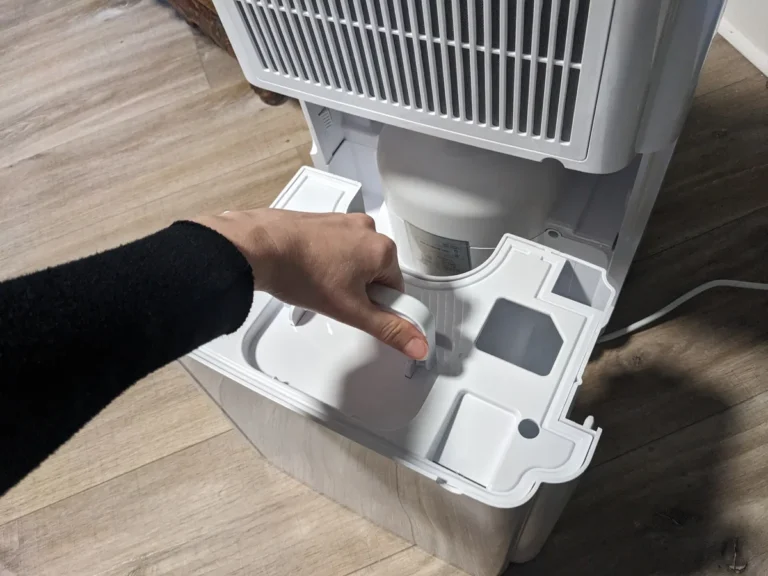
A 30-pint tank fills fast when you're drying half a house. Hook the machine's drain port to a sink or floor drain so it runs around the clock without you emptying it.
| Pint rating | Best for | Realistic reach with open doors |
|---|---|---|
| 20-30 pints | One large bedroom | 1-2 connected rooms |
| 40-50 pints | Most basements | 2-3 rooms with a fan |
| 70+ pints | Whole main floors | 4+ rooms with good airflow |
For tighter budgets, a 30-pint unit might do the job. For open floor plans, a 70-pint machine covers more ground.
When One Unit Isn't Enough
If you've tried everything and one unit can't keep up, you have three options. Here's how to choose.
- Closed-off rooms: Move the dehumidifier room to room, running it for a few hours in each. It's labor heavy but costs nothing extra.
- One end stays damp with open doors: Add a second fan before buying another machine. Airflow is often the missing link.
- Tank fills constantly and humidity stays high: The unit is undersized. Step up to a larger capacity. Many readers find that a large 50-pint model handles a whole main floor that a 30-pint couldn't touch.
- Drying a basement plus upstairs: That's usually a two-unit job. Basements pull moisture from the ground and walls, while upstairs brings in outdoor air. One machine can't fight both sources effectively.
There's also the question of whether you need cooling at all. If the room feels hot and sticky, a dehumidifier won't fix the heat. It removes water, not warmth.
Running a 70-pint unit in a small bedroom can even raise the temperature a degree or two. That's the machine working as designed.
Mistakes That Sabotage Multi-Room Coverage
- Closing the door to keep noise out. You're also keeping the moisture in. Place the unit away from bedrooms if noise is a problem.
- Setting the humidistat too low. A 30 percent target makes the machine run nonstop and waste energy. Stick to 50 percent.
- Ignoring the exhaust air. Since the output is warm, point it away from where you sit. Some users aim the exhaust toward a hallway so the warmth doesn't bother them.
- Forgetting the filter. A clogged filter cuts airflow drastically. Clean it every two weeks.
- Judging by the tank. A full tank means the machine is working. It doesn't mean the job is done. Let the humidistat be your guide.
- Opening windows. Outdoor humid air rushes right back in. Keep windows closed while the machine runs.
These fixes solve most "my dehumidifier isn't working" complaints. If yours still struggles, a budget-friendly option might get you a second unit without much spending.
Frequently Asked Questions
Does a dehumidifier make a room colder?
No. It removes moisture, not heat. The exhaust vent actually pushes out warm air.
In a small room, the temperature can rise slightly. For actual cooling, use an air conditioner.
Why does my dehumidifier make the air feel warmer?
Compressor models generate heat while condensing water. That warm air blows out the top vent. If you're standing nearby, it feels like a space heater.
It's normal, not a malfunction.
How long does one dehumidifier take to dry multiple rooms?
It depends on humidity levels and room size. Under normal conditions, expect a visible drop in relative humidity within 24 to 48 hours. A very damp basement may take several days.
Should I leave interior doors open when using a dehumidifier?
Yes. Open doors allow moist air to reach the machine. Closed doors create separate damp pockets.
If you need privacy, crack the door at least a few inches.
Can a dehumidifier replace an air conditioner for two rooms?
No. A dehumidifier lowers humidity, which makes warm air feel less sticky. It cannot lower the actual temperature.
For true cooling across multiple rooms, you need an air conditioner or a whole-house system.