Why Is My Room Still Humid With a Dehumidifier
You bought a dehumidifier, ran it all night, and the room still feels like a swamp. If you're asking why is my room still humid with a dehumidifier, you're not alone. This is one of the most common complaints we see in our research.
The answer is rarely a broken machine. Usually, it's a setup or sizing problem you can fix in under an hour.
Most underperforming units are simply too small for the space. The Association of Home Appliance Manufacturers (AHAM) rates dehumidifiers in pints per day, and a 30-pint unit typically covers only 300 to 500 square feet. If your room is bigger than that, or your moisture load is above normal, the machine will run forever without ever catching up.
Let's work through a simple diagnostic path to pinpoint your exact problem.
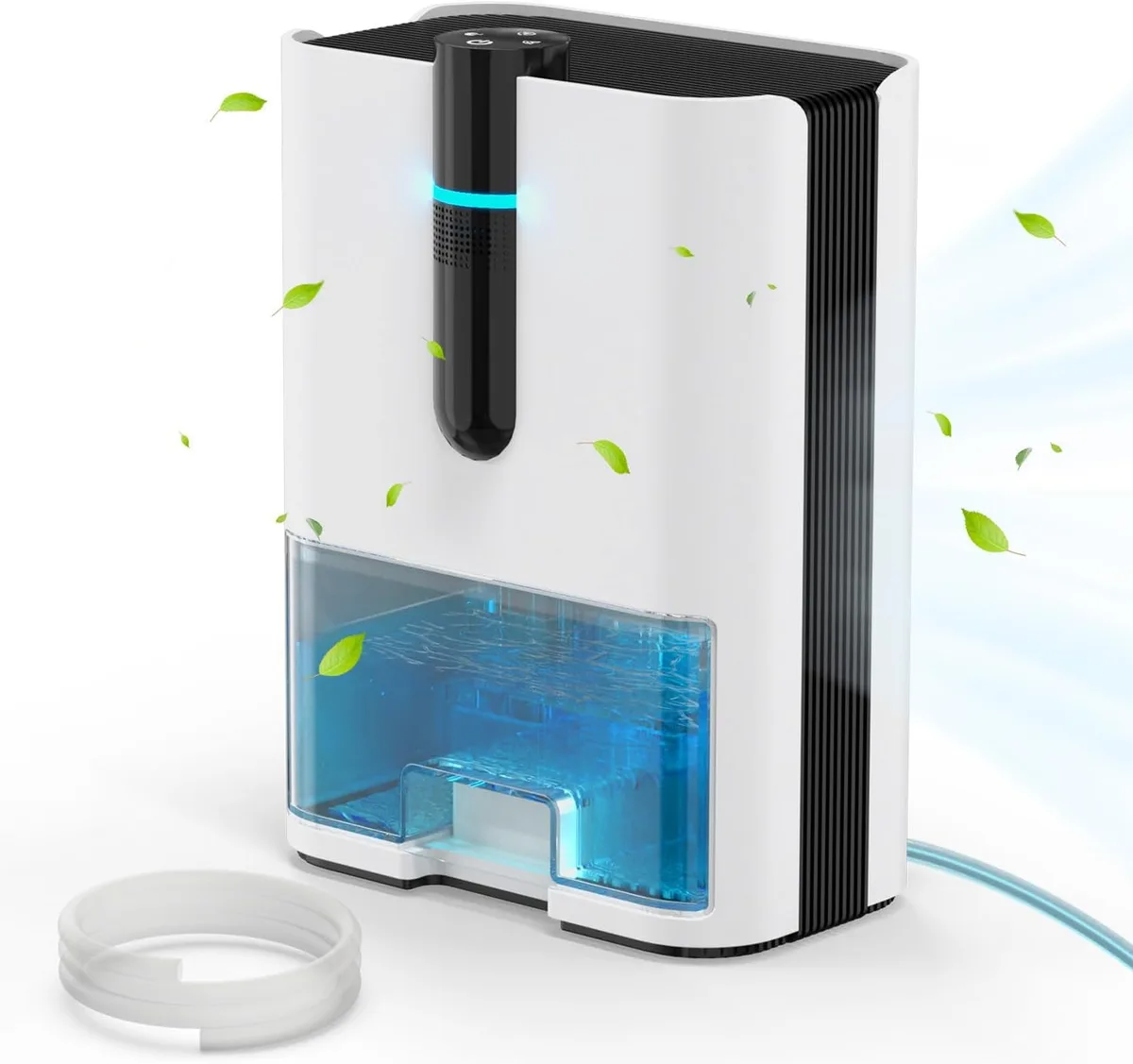
Image source: Bing (Web (fair-use with source credit))
Quick Answer
Your room stays humid because the dehumidifier is undersized. It could be poorly placed. It might be fighting an open window.
Check capacity, placement, and airflow first. Set the target between 30% and 50% relative humidity. Keep draining the tank when it's full.
If the unit doesn't collect water, it isn't working.
The Real Reason Your Dehumidifier Can't Keep Up
A dehumidifier pulls moisture from the air at a fixed rate, measured in pints per 24 hours. As of 2026, most portable units are rated under AHAM's DH-1 standard, which tests at 80°F and 60% relative humidity. Your room doesn't match those test conditions.
Real-world performance can be dramatically lower.
The key number is your moisture load. A typical bathroom shower releases about 0.5 pints per minute. Drying a load of laundry indoors can add 5 to 10 pints over a few hours.
A single person breathes and sweats around 2 to 3 pints per day. Add an aquarium, potted plants, or wet towels, and the load climbs fast.
If you have a 30-pint dehumidifier and the room generates 40 pints of moisture in a day, you've lost before you start. The unit will run continuously, the tank will fill, and the humidity will stay high because the machine simply can't keep up. A good value machine with the right capacity math makes all the difference.
But size isn't the only issue. Running the unit in "auto" mode with a built-in humidistat can cause it to shut off prematurely. Many humidistats are inaccurate by 5% to 10%.
That means your unit thinks the room is at 50% when it's actually at 58%. It stops pulling moisture exactly when you need it most. The EPA recommends keeping indoor relative humidity between 30% and 60% to prevent mold growth, so that sloppy sensing matters.
Before you blame the machine, check the conditions. The room might be too large, too wet, too cold, or too isolated. Any one of those factors can turn a working dehumidifier into an expensive fan.
The Diagnostic Flowchart: 5 Questions to Find Your Exact Problem
Answer these five questions in order. Each one leads to a different fix.
Question 1: Is the unit even collecting water?
If the bucket is empty after 24 hours, the compressor may not be running. The refrigerant could be low, or the room temperature might be below the unit's operating range. If it's collecting water but the humidity stays high, move to Question 2.
Question 2: Is the room temperature throwing things off?
Compressor dehumidifiers lose efficiency below about 65°F. In a cooler room, the coils can frost over, and the unit spends most of its cycle defrosting instead of pulling moisture. Desiccant units handle cold spaces far better.
If your basement sits at 58°F, a standard compressor model will struggle. If temperature isn't the issue, keep going.
Question 3: Are you fighting a losing battle against moisture sources?
List everything that adds water to the room. Showers, laundry, plants, aquariums, cooking, or a damp crawl space all count. If your moisture sources add more pints per day than the dehumidifier can extract, the humidity will never drop.
You either need a bigger unit or you need to remove some sources. A dedicated basement-rated unit often performs far better than a standard portable model for serious damp spaces.
Question 4: Is the air actually moving around the room?
If the dehumidifier is stuck in a corner, tucked behind furniture, or pointed at a wall, it only conditions a small bubble around itself. The rest of the room stays damp. Move the unit toward the center and open internal doors so air can circulate.
Also close windows and exterior doors while it runs. If airflow looks fine, move to Question 5.
Question 5: Is your humidistat lying to you?
Many built-in hygrometers read high or low by several percentage points. Place a second, calibrated hygrometer in the middle of the room. If the readings disagree, trust the external one and set the built-in target lower.
A unit that thinks the room is at 50% when it's really at 58% will shut off way too early. That's a silent, frustrating failure.
When the Machine Itself Is the Problem
Sometimes the fault is the unit, not the room. Let's look at the machine-side culprits first.
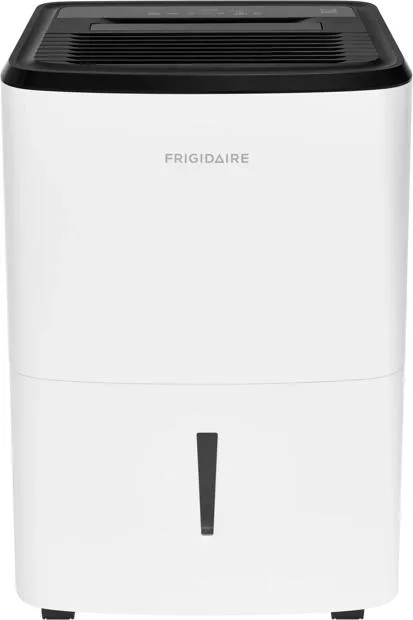
Wrong size for the room. The pint rating tells you the extraction capacity under ideal lab conditions. Real rooms are messier. A compact unit works fine for a small bedroom, but it's hopeless for an open-plan basement.
Use the rated coverage as a starting point, then add 25% if the space is known to be damp.
| Unit capacity (pints/24h) | Approximate coverage (square feet) |
|---|---|
| 20 pints | 250–300 sq ft |
| 30 pints | 300–500 sq ft |
| 50 pints | 500–800 sq ft |
| 70 pints | 800–1,500 sq ft |
Placement mistakes. The unit needs breathing room. A dehumidifier placed directly against a wall blocks the intake grille and reduces airflow. Keep it at least 6 to 12 inches from any surface.
Also avoid putting it in a closet or behind a sofa. The machine needs to draw air from the whole room, not just a pocket.
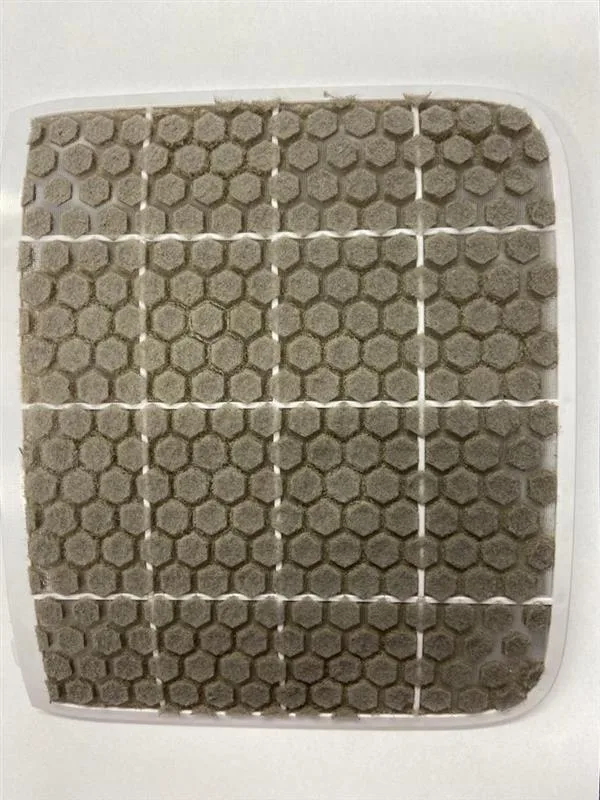
Dirty filters and coils. A clogged filter is one of the easiest problems to miss. If the filter is covered in dust, airflow drops and the coils can freeze. That kills extraction power.
Check the filter every two weeks and wash it with water if it's washable. Routine upkeep of the air intake keeps most major brands running efficiently.
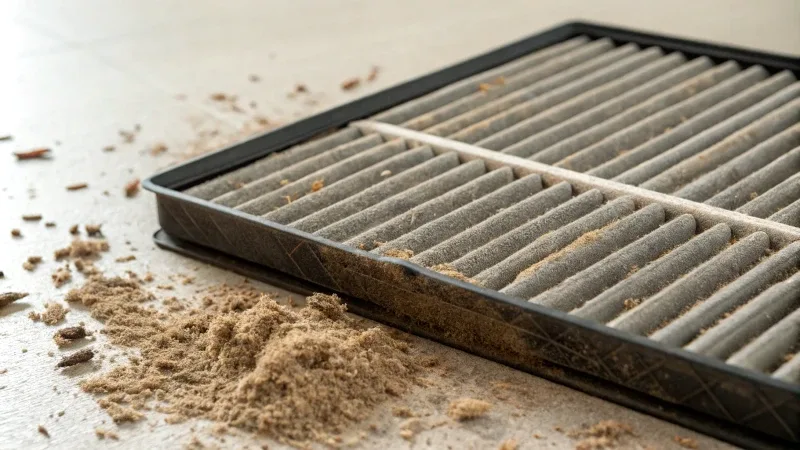
Image source: Bing (Web (fair-use with source credit))
Frozen coils and full tanks. Frost on the coils means the unit is running in air that's too cold, or the filter is blocked. A full tank is simpler. The machine shuts off automatically when the bucket fills, so if you aren't draining it, you get a few hours of drying followed by hours of silence.
Connect a continuous drain hose if possible.
Built-in humidistat inaccuracies. We touched on this above, but it deserves a repeat. Manufacturer specs suggest that built-in sensors can drift by 10% or more. That leads to short cycling and a room that never dries out.
A separate hygrometer costs a few dollars and gives you a reliable reference point.
When the Room Environment Is the Real Culprit
Even a perfectly sized, perfectly placed dehumidifier can lose to a hostile environment. This is where the hidden variables live.
You're leaving windows and doors open. Humid outdoor air rolls in as fast as your machine pulls it out. In hot, humid climates, an open window can add 20 pints of moisture in a few hours. That against a 30-pint unit?
You'll never catch up. Close everything before you start troubleshooting anything else.
You have sneaky moisture sources. Damp clothes drying on a rack release gallons of water into the air. An unvented dryer is worse. A fish tank, uncovered shower, or potted plants all add steady moisture.
Even a stack of wet firewood can contribute. People forget about these sources more than they realize. Address them before upgrading your unit.
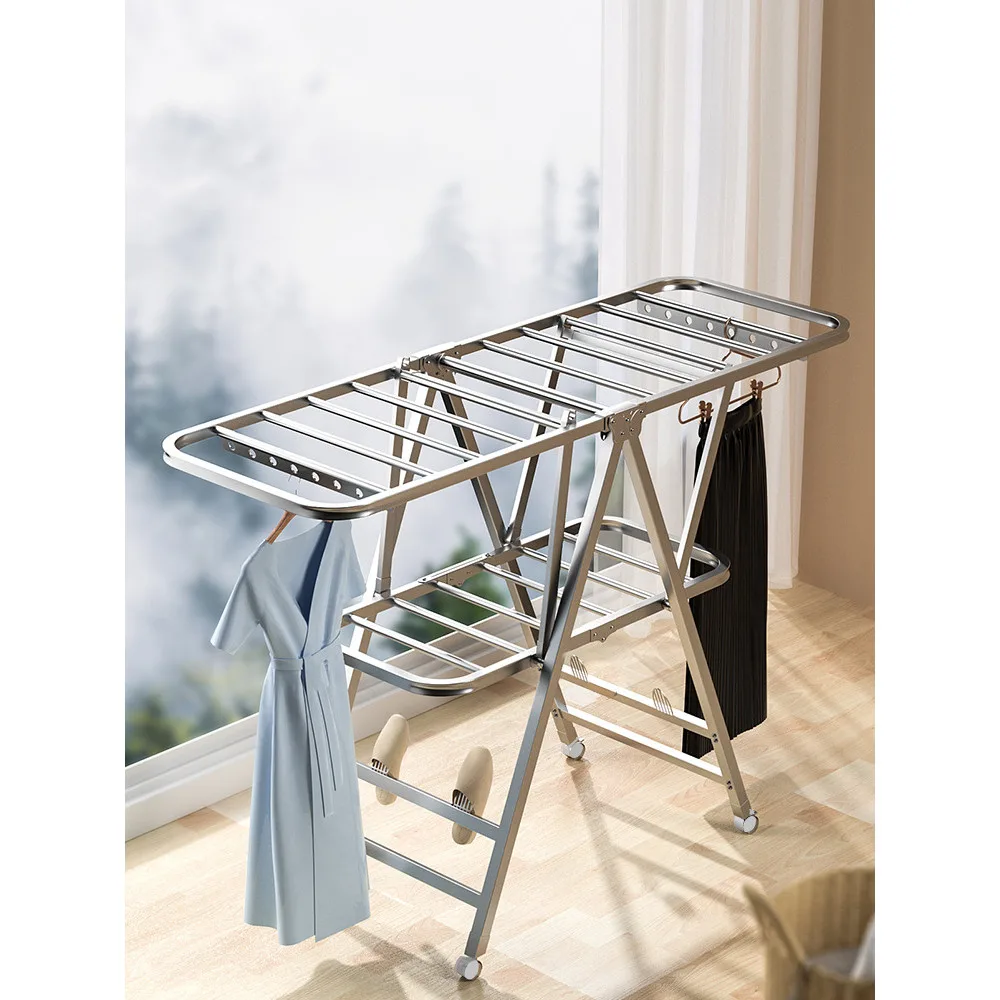
Image source: Bing (Web (fair-use with source credit))
The room is too cold. Compressor-based dehumidifiers stop working effectively below 65°F. If the air drops below that, the coils freeze and the unit alternates between freezing and defrosting. It looks like it's running, but it's barely extracting anything.
Desiccant units don't have this problem, which is why they're common in damp basements and winter garages.
You're trying to dry multiple rooms with one unit. A portable dehumidifier can't condition two separate rooms if the doors are closed. It conditions the space it's sitting in, not the whole house. If you want to manage the whole floor, you need a larger-capacity setup.
The space is bigger than the machine's coverage rating. Every pint rating has a square-footage rating attached to it. But that rating assumes average conditions. A 5,000-square-foot basement isn't going to dry out with a 50-pint unit.
That's like using a bucket to empty a swimming pool. Match the capacity to the space, and if the room is partially underground, go up a size.
Common Mistakes That Keep Your Room Damp
Setting the target humidity too high. If you set the dehumidifier to 60% or 65%, it will stop working long before the room feels dry. The EPA recommends 30% to 50% for comfort and mold prevention. Set it to 50% as a starting point, then lower it if needed.
Expecting results in the first few hours. A dehumidifier doesn't dry a room instantly. It takes 24 to 48 hours of continuous running to pull down the humidity in a damp space. Check the tank after the first day, not the first hour.
Running the unit in auto mode too soon. Auto mode uses the built-in humidistat to cycle the unit on and off. If the sensor is inaccurate, the unit shuts off too early. Run the machine in continuous mode for the first day or two to get a baseline.
Relying on the built-in humidistat without checking it. Place a separate hygrometer in the center of the room. Compare the reading to the one on the dehumidifier. If they don't match, trust the external one and adjust the unit's target accordingly.
Maintenance and Long-Term Optimization
Filter cleaning. Check the air filter every two weeks. A clogged filter reduces airflow and causes the coils to freeze. Wash it with warm water and let it dry completely before putting it back.
Coil inspection. Once a month, look at the coils. If you see frost or ice buildup, the unit is either too cold or the airflow is restricted. Let the unit defrost completely before running it again.
Drain hose check. If you use a continuous drain hose, inspect it for kinks or clogs every week. A blocked hose causes the tank to fill and the unit to shut off, even if the hose is attached.
Seasonal adjustments. In winter, a compressor dehumidifier may struggle in an unheated basement. Switch to a desiccant unit or move the dehumidifier to a warmer part of the house. In summer, you may need to run it more often because outdoor humidity is higher.
Frequently Asked Questions
Should I run the dehumidifier constantly or on a timer?
Run it constantly until the humidity drops to your target level. Once it's stable, you can use the built-in humidistat to cycle it on and off. In very damp spaces, constant operation for the first 48 hours is normal.
Is it normal for humidity to rise again when the unit shuts off?
Yes. The dehumidifier only removes moisture while it's running. When it shuts off, moisture from the room and sources will slowly raise the humidity again.
That's why continuous drainage is better than tank emptying.
Does a dehumidifier work better in a closed room or with some airflow?
A closed room works best. Open windows and doors allow humid outdoor air to enter, which the unit has to keep pulling out. Close the room and run the unit.
If you need airflow, keep interior doors open so air circulates, but keep exterior doors and windows closed.
Can a dehumidifier be too powerful for a room?
Yes, but it's rare. A unit that's too large can cycle on and off too quickly, which wastes energy and doesn't remove enough moisture from the air. In most cases, an oversized unit still works fine, but it may not run long enough to dry out the space evenly.
How do I know if my hygrometer is accurate?
Place it next to a calibrated hygrometer or use the salt test. Put a tablespoon of salt in a jar lid, add a few drops of water to make a paste, and seal it in a plastic bag with the hygrometer. After 8 hours, the reading should be 75%.
If it's off, adjust or replace it.