Does a Dehumidifier Prevent Mold
You walk into your basement and that smell hits you. That damp, earthy, unmistakable smell of mold starting to take hold. You've got a dehumidifier running, but you're still wondering: does a dehumidifier prevent mold, or is it just making you feel better while the spores keep spreading?
It's a fair question, and the answer isn't a simple yes or no.
The Environmental Protection Agency recommends keeping indoor relative humidity between 30 and 50 percent. That's a specific target, not a vague suggestion. A dehumidifier is the tool that gets you there, but it only works when you understand its limits.
Let's walk through the real story.
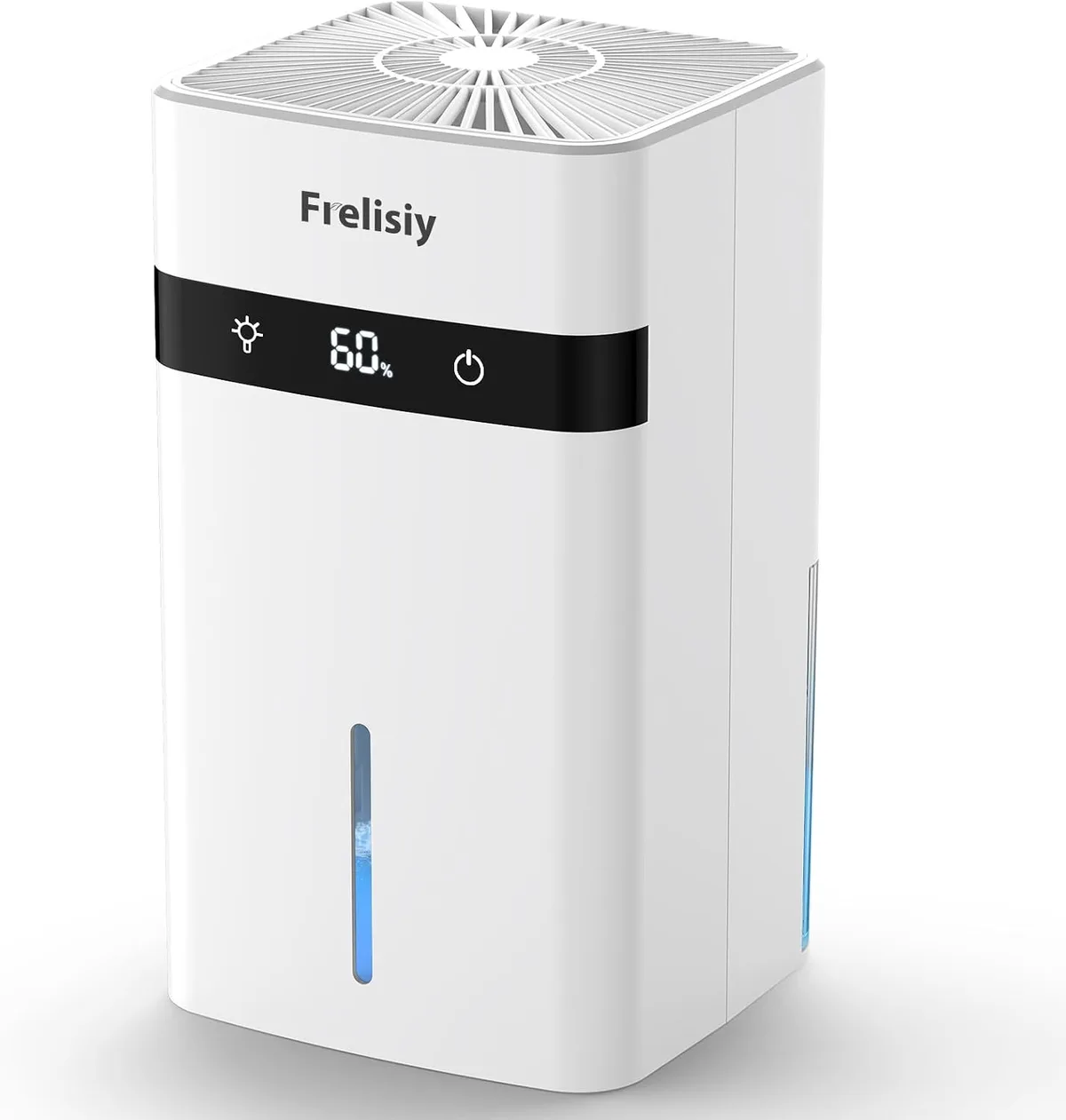
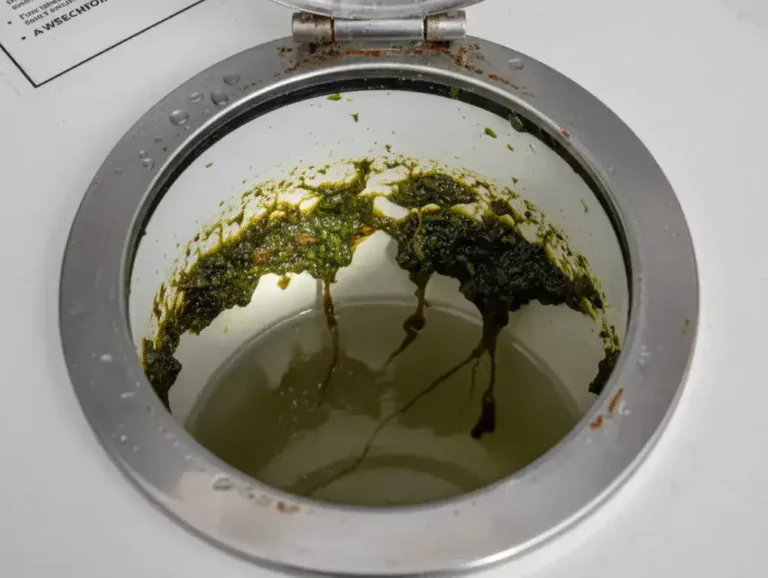
Image source: Bing (Web (fair-use with source credit))
Quick Answer
Yes, a dehumidifier prevents mold. It works by lowering humidity so mold cannot grow. Mold needs moisture to survive.
Without it, spores cannot germinate or spread. A dehumidifier removes that moisture from the air. But it cannot fix active mold or dry out already wet materials.
You need to address both issues.
The Truth About How Dehumidifiers Work
A dehumidifier pulls air in, cools it to condense moisture, then reheats and releases it. That collected water drains into a tank or a hose. The machine lowers the relative humidity in the room.
Exactly how effective that is depends on the size of the room, the starting humidity, and the temperature.
Manufacturer specifications indicate that most portable units are rated for specific square footage. A 50-pint unit, for example, typically covers 500 to 1,000 square feet. But those ratings assume a moderately damp environment.
If your space is larger or wetter, you need more capacity. Our large-room recommendations list verified coverage numbers so you can match the unit to your actual square footage.
Mold requires three things to grow: food, moisture, and a surface temperature between 40 and 100 degrees Fahrenheit. A dehumidifier attacks the moisture part. It reduces the relative humidity below the threshold where mold can thrive.
Under 60 percent, mold growth slows significantly. Below 50 percent, it stops for most species.
But here's the catch. The dehumidifier only affects the air. It cannot dry out a wet wall, a soaked carpet, or a leaky pipe.
Those materials still hold moisture. That's why the EPA stresses removing moisture sources first, then controlling humidity with a dehumidifier.
When It Works vs. When It Won't: The Real Conditions
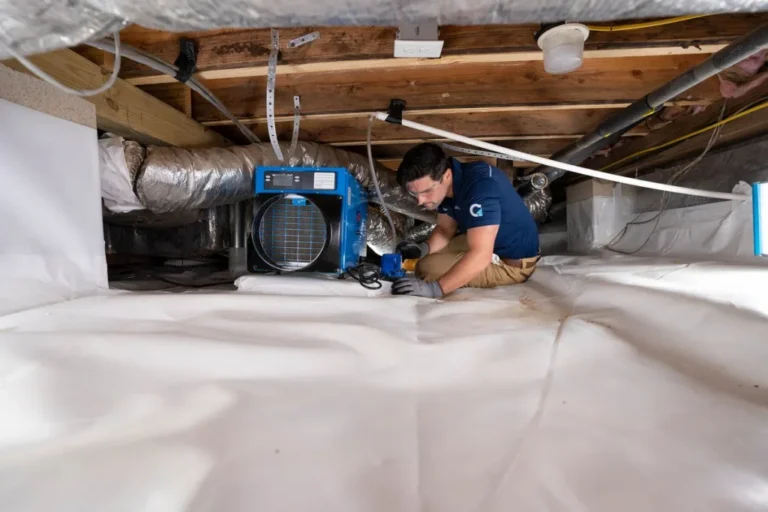
A dehumidifier prevents mold in well-sealed, enclosed spaces with consistent temperatures. Basements, crawl spaces, and storage rooms are perfect examples. These areas have limited airflow, so the dehumidifier can effectively control the entire air volume.
A dedicated high-capacity unit is usually the right call for these damp, below-ground spaces.
It also works well in whole-house setups. If you duct a central dehumidifier into your HVAC system, it dehumidifies the entire home. That's the most effective approach for preventing mold across multiple rooms.
But there are clear situations where a dehumidifier alone fails.
- Active moisture intrusion. If water is actively leaking in from a pipe, roof, or foundation crack, the dehumidifier is fighting a losing battle. It cannot keep up with a constant water source.
- Already wet materials. Drywall, wood, and carpet that have absorbed water need to be dried or replaced. The dehumidifier only removes moisture from the air, not from porous materials.
- Very cold temperatures. Compressor-based dehumidifiers struggle below 40 degrees Fahrenheit. The coils can ice up, reducing effectiveness. Desiccant models work better in cold spaces, but they're less common.
- Poor sealing. If your basement has open vents, cracks, or a dirt floor, outdoor humid air keeps flowing in. The dehumidifier constantly cycles, but humidity never stabilizes. You need to seal the space.
Aggregate user reviews report that homeowners in humid climates often see the best results during summer months. That's when outdoor humidity is highest and indoor mold growth is most likely. Run the unit continuously, and you'll see a noticeable drop in musty smells and visible condensation.
How to Use a Dehumidifier for Mold Prevention (Step by Step)
Using a dehumidifier correctly is not complicated, but it does require attention to detail. Follow these steps to maximize mold prevention.
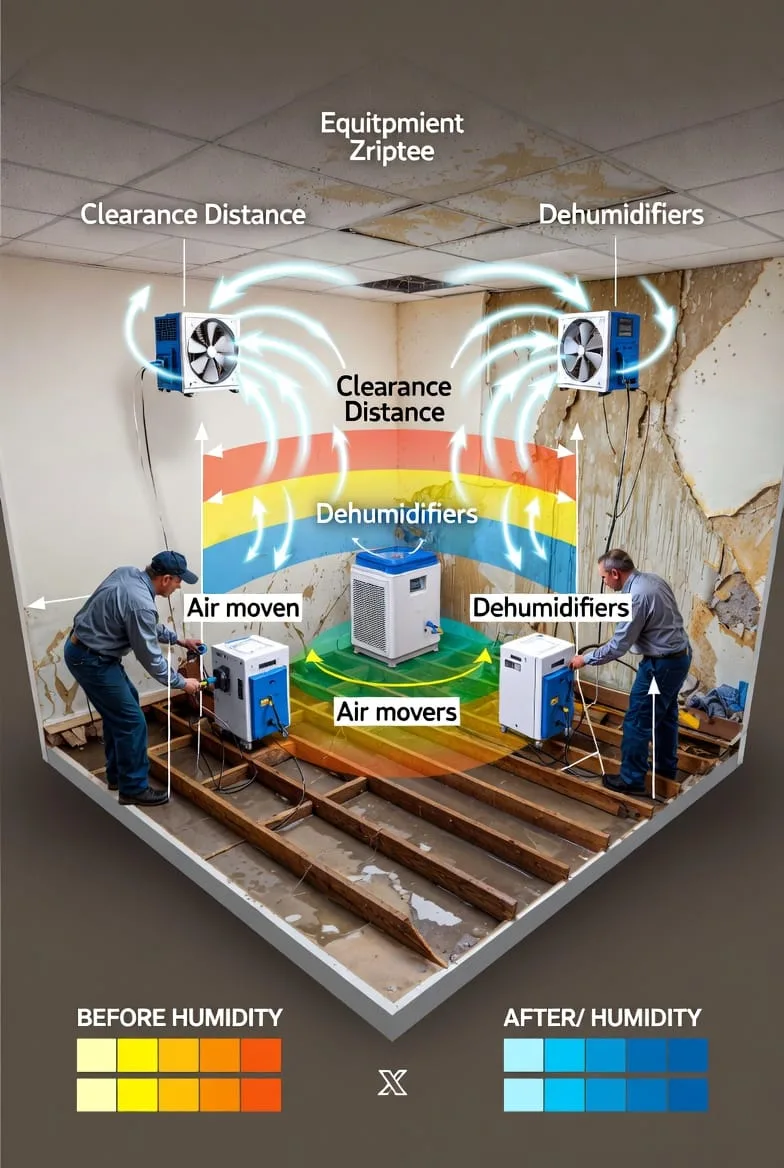
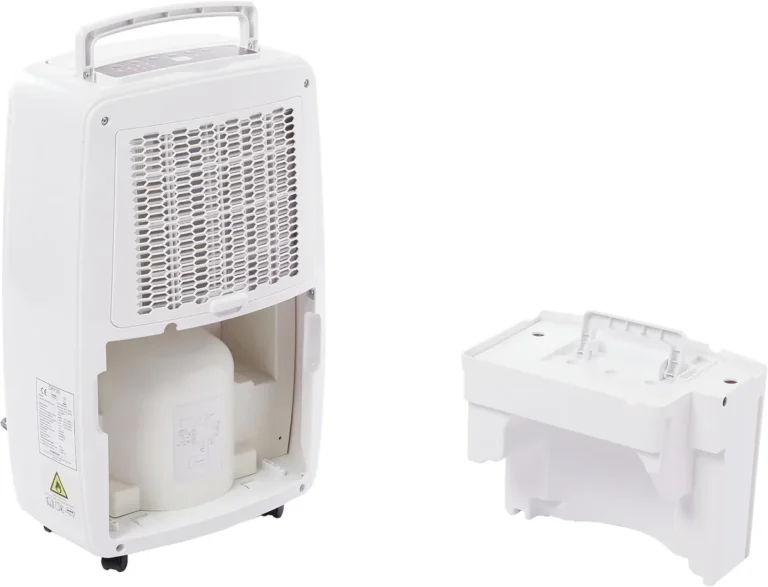
Image source: Bing (Web (fair-use with source credit))
| Step | Action | Why It Matters |
|---|---|---|
| 1 | Measure humidity with a hygrometer | Know your starting point before you begin |
| 2 | Set target humidity between 30 and 50 percent | EPA recommends this range for mold prevention |
| 3 | Choose a unit sized for your square footage | Undersized units run constantly and never catch up |
| 4 | Place the dehumidifier centrally, away from walls | Airflow is critical for moisture collection |
| 5 | Connect a continuous drain hose if possible | Avoids overflow and keeps the unit running |
| 6 | Run the unit 24/7 during humid conditions | Intermittent use allows humidity to spike |
| 7 | Monitor humidity weekly with a separate hygrometer | Ensures the unit is actually hitting the target |
Placement is everything. Put the dehumidifier in the center of the room, at least six inches from any wall. That allows air to circulate freely around the intake and exhaust. Do not push it into a corner or behind furniture.
That's a common mistake that cuts efficiency in half.
Set the right target. The EPA recommends 30 to 50 percent relative humidity. Do not set it below 30 percent. That is unnecessary and wastes energy.
Do not set it above 60 percent. That is ineffective for mold prevention. Use a separate hygrometer to verify the reading.
Some built-in humidistats are inaccurate.
Continuous drainage is a game changer. If your unit has a hose connection, use it. Running a hose to a floor drain or sink eliminates the need to empty the tank. If you cannot use a hose, check the tank daily.
An auto shut-off stops the unit, but humidity rises while it sits idle.
Run it continuously during humid months. Mold spores are always present. They only need moisture to activate. If you run the dehumidifier for a few hours and then turn it off, humidity rises again.
That cycle gives mold a chance to grow. Constant operation keeps humidity stable. For year-round protection, our year-round picks cover units that hold up well through every season.
Common Mistakes That Make Dehumidifiers Useless
Even a high-quality dehumidifier fails if you make these errors. Our research across verified buyer feedback shows these are the most common mistakes people make.
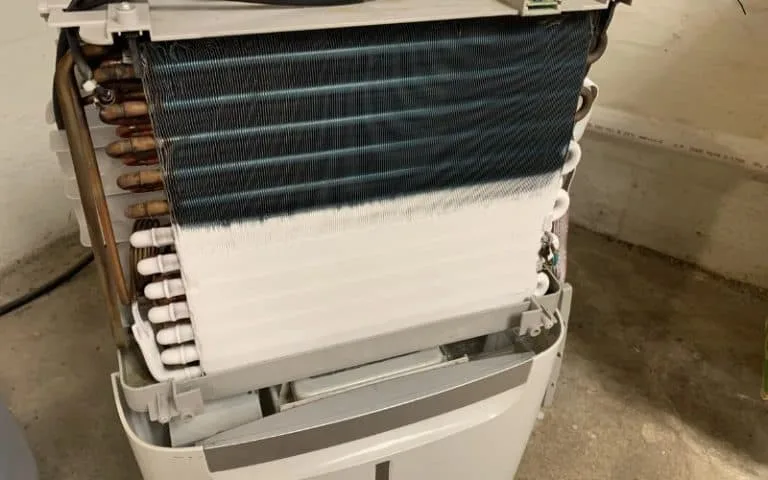
Image source: Bing (Web (fair-use with source credit))
Ignoring the filter. A dirty filter restricts airflow. The unit works harder, uses more energy, and removes less moisture. Clean or replace the filter every month during continuous use.
It takes two minutes and makes a huge difference.
Setting the humidity too high. Many people set their dehumidifier to 60 or 70 percent. That's not enough to prevent mold. The EPA says 50 percent is the safe upper limit for mold prevention.
If you set it higher, you're just wasting electricity.
Using the wrong size unit. A 30-pint dehumidifier in a 1,500-square-foot basement is fighting a losing battle. It runs constantly, never reaches the target humidity, and wears out quickly. If you're running a compact model in a large space, you will see the problem in your energy bill and your humidity readings.
Picking a properly sized unit from the start saves money and frustration.
Placing the unit in a closed room. The dehumidifier needs to pull air from the entire space. If you close the door to the basement, it only conditions that one room. Leave doors open or use a whole-house unit for better coverage.
Failing to address the moisture source. The most common mistake is thinking a dehumidifier fixes everything. It does not. If you have a leaky pipe, a wet crawl space, or poor drainage, the dehumidifier will never keep up.
Fix the source first, then use the dehumidifier to control the remaining humidity.
Running the unit only when you notice a smell. By the time you smell mold, it has already been growing for days or weeks. Prevention requires continuous operation. Run the unit before the smell shows up, not after.
Forgetting the drain hose. If the tank fills up, the unit shuts off. Humidity rises immediately. If you're not home to empty it, that's hours of lost dehumidification.
Use a continuous drain setup whenever possible.
When to Stop and Call a Professional
A dehumidifier is a powerful tool, but it has limits. If you see mold covering more than about 10 square feet, you need professional help. The EPA recommends calling a remediation specialist for any large or widespread mold issue.
Signs you need a professional:
- Visible mold that returns quickly after cleaning
- A musty smell you cannot locate or eliminate
- Mold behind walls, under flooring, or in HVAC ducts
- Health symptoms that worsen when you are in the space
- Water damage from flooding or a long-term leak
Professional mold remediation involves more than just scrubbing. Specialists use containment barriers, HEPA vacuums, and antimicrobial treatments. They also identify and fix the moisture source.
A dehumidifier alone cannot do that.
If you have a small patch of mold, say under a few square feet, you can handle it yourself. Scrub the area with detergent and water. Dry it completely.
Then run the dehumidifier to keep humidity low. But if the mold keeps coming back, you have a hidden moisture problem. That is when you call a pro.
Health risks are another reason to stop. The CDC warns that mold exposure can cause respiratory issues, allergies, and asthma attacks. If anyone in your home has these symptoms, prioritize safety over DIY.
A professional can test the air quality and identify the mold species.
As of 2026, most mold remediation companies also offer moisture mapping and infrared scanning. These tools find hidden moisture behind walls. That is information a dehumidifier cannot provide.
Sometimes the right move is to put the dehumidifier away and pick up the phone.
FAQ: Your Top Mold and Dehumidifier Questions Answered
Can a dehumidifier kill mold?
No. A dehumidifier cannot kill existing mold. It only removes moisture from the air.
Mold that is already growing needs to be physically cleaned. The dehumidifier prevents new growth by keeping humidity low. Think of it as a prevention tool, not a cure.
What humidity level stops mold growth?
The EPA recommends keeping relative humidity between 30 and 50 percent. Mold stops growing below 60 percent. For best results, aim for 45 to 50 percent.
Use a hygrometer to verify your settings. Built-in humidistats on dehumidifiers can be off by 5 to 10 percent.
How long does it take a dehumidifier to dry out a room?
It depends on the room size, starting humidity, and the unit capacity. A properly sized unit can drop humidity from 70 percent to 50 percent in about 24 to 48 hours. But it will not dry out wet materials.
That requires air movers and often professional equipment.
Should I run a dehumidifier in winter?
It depends on your climate. In cold basements, compressor units struggle below 40 degrees Fahrenheit. The coils ice up and efficiency drops.
A desiccant dehumidifier works better in cold temperatures. If your home is dry in winter, you may not need it at all.
Can a dehumidifier make mold worse?
No, but it can give a false sense of security. If you run a dehumidifier without fixing a leak or cleaning existing mold, the problem continues. The mold behind the wall still grows.
The dehumidifier only controls airborne moisture. It does not address trapped moisture in materials.
Do I need an air purifier with a dehumidifier for mold?
It helps but is not required. An air purifier with a HEPA filter captures mold spores from the air. A dehumidifier stops new spores from growing.
Together they address both sides of the problem. If you have allergies, a purifier is a smart addition.
The Bottom Line: Does a Dehumidifier Prevent Mold?
Yes, a dehumidifier prevents mold when used correctly. It is one of the most effective tools for controlling indoor humidity. But it is not a standalone solution.
You must fix moisture sources, clean existing mold, and maintain the unit properly.
The key is understanding what a dehumidifier can and cannot do. It lowers relative humidity. That stops mold from growing.
It does not dry out wet materials, kill existing spores, or fix leaks. Treat it as part of a broader moisture control strategy.
Start with a hygrometer to measure your current humidity. Set your dehumidifier to 50 percent or lower. Run it continuously during humid months.
Clean the filter monthly. Use a continuous drain if possible. If you follow these steps, you will see a real difference in mold prevention.
For specific situations, consider a properly sized unit for your space. A larger capacity model helps in basements and large rooms. A compact unit works for bedrooms and closets.
The right tool for the job makes all the difference.
Mold prevention is about consistency. A dehumidifier gives you that consistency. It keeps the air dry enough that mold cannot take hold.
That is the real answer. Yes, it prevents mold. But only if you use it the right way.