Does a Dehumidifier Remove Mold
You've just noticed a musty smell in your basement, or maybe you've spotted a patch of black fuzz on the bathroom ceiling. Your first instinct might be to plug in a dehumidifier and let it run until the problem disappears. So does a dehumidifier remove mold?
The short answer is no, it does not remove mold that's already visible and growing. What it does is dry the air, which stops new mold from taking hold.
A dehumidifier is a prevention tool, not a cleaning tool. According to the EPA, indoor relative humidity should stay between 30% and 50% to discourage mold growth. Once mold is already there, it needs to be physically removed before any machine can help.
Let's walk through how this actually works in a real home setting.
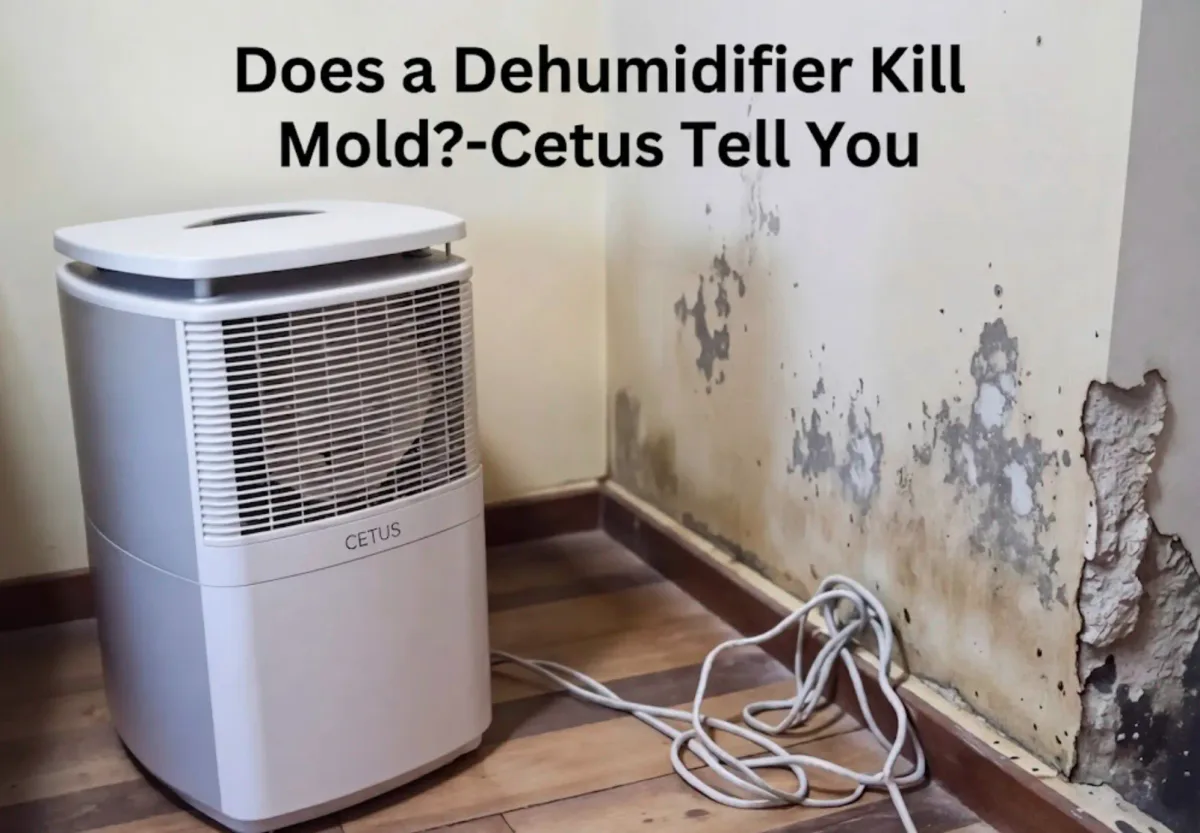
Image source: Bing (Web (fair-use with source credit))
Quick Answer
A dehumidifier does not remove existing mold. It only removes moisture from the air. Mold needs moisture to grow.
Lowering humidity stops new growth. But spores already on surfaces stay alive. You must clean the mold yourself.
Then use the dehumidifier to keep it from coming back.
How a Dehumidifier Works Against Mold (And Where It Fails)
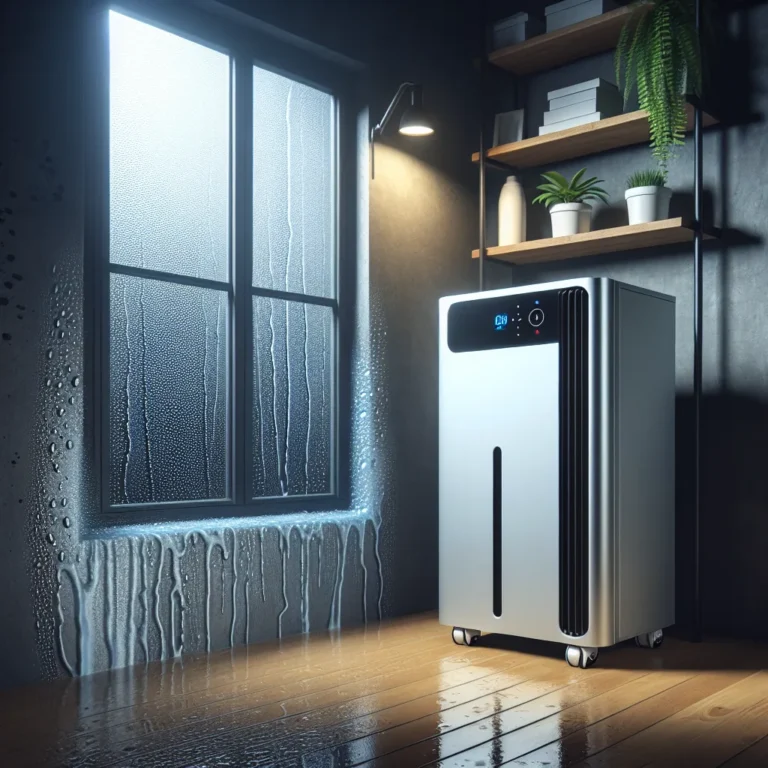
Dehumidifiers pull moisture from the air by drawing it over cold coils. The water condenses and drips into a tank or drain. The drier air that comes out makes it harder for mold spores to germinate.
Mold needs relative humidity above 60% to grow actively. A dehumidifier can drop that down to a safe 40% or 50% range.
But here's the part that trips people up. The dehumidifier only affects the air. It does nothing to the mold colony already sitting on your drywall, baseboard, or carpet.
Those spores are already there. They are dormant in dry conditions, not dead. A single rainstorm or a spill that raises the humidity again can wake them right back up.
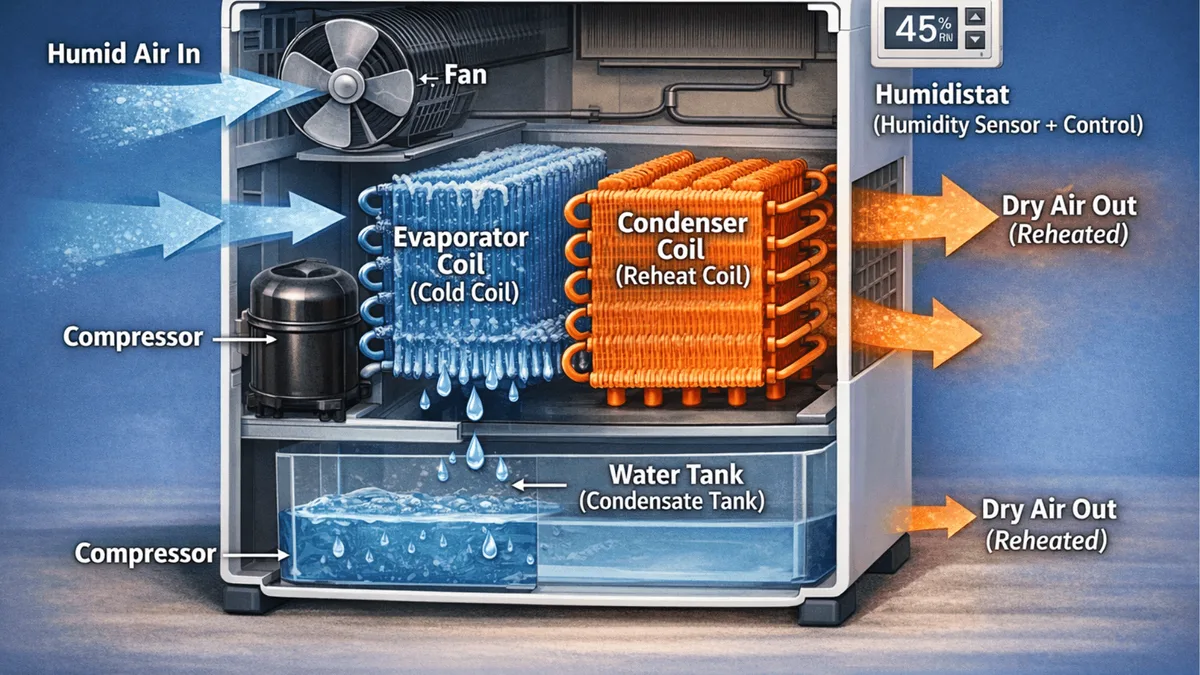
Image source: Bing (Web (fair-use with source credit))
The other failure point is porous materials. Mold can sink deep into wood, drywall, carpet, and upholstery. A dehumidifier cannot reach inside those materials to dry them out from the core.
You can run a unit for weeks and still have active mold hidden behind a wall or under a floorboard. The machine only addresses surface moisture in the air.
What a Dehumidifier Actually Does
| Role | What it does | What it doesn't do |
|---|---|---|
| Prevention | Keeps humidity below 50% | Won't kill existing mold |
| After cleaning | Dries the area fast | Can't reach inside porous materials |
| Odor control | Reduces musty smells | Won't remove spores from surfaces |
The Right Way to Handle Mold: A Step-By-Step Process
If you already have mold, your first step is not to buy a dehumidifier. Your first step is identification and removal. Here is the process that actually works.
Step 1: Find the moisture source. Mold needs water. That means a leaky pipe, a cracked foundation, poor gutter drainage, or condensation from a cold surface. Fix the leak first.
If you dry the air but water keeps coming in, you are wasting your time.
Step 2: Protect yourself. The CDC recommends wearing an N95 mask, gloves, and goggles when cleaning mold. You do not want to breathe in spores. They can trigger allergic reactions, asthma attacks, and long-term respiratory problems.
Step 3: Clean the mold. For small patches under 10 square feet, use a commercial mold cleaner or a solution of detergent and water. Scrub the surface thoroughly. Rinse and dry it completely.
The EPA advises against using bleach for porous materials because it only whitens the surface without killing the roots.
Step 4: Remove damaged materials. If mold has soaked into drywall, ceiling tiles, carpet padding, or insulation, those materials need to go. Cut them out, bag them in thick plastic, and dispose of them. You cannot save them by drying alone.
Step 5: Dry the area completely. Now you run the dehumidifier. Set it to 40% to 50% relative humidity. Keep it running for 48 to 72 hours, or until the area feels dry to the touch and any musty smell is gone.
Step 6: Monitor and maintain. Check the humidity level weekly. Clean the dehumidifier filter every month. If you notice condensation on windows or pipes, adjust the settings or move the unit closer to the problem area.
When to DIY vs. Call a Professional
Mold cleanup is not always a do-it-yourself job. There are clear lines that separate safe home maintenance from a situation that needs a licensed remediation contractor.
| Scenario | DIY | Call a Pro |
|---|---|---|
| Patch smaller than 10 sq ft | Yes | No |
| Visible mold on hard surfaces | Yes | No |
| Mold after a flood or sewage backup | No | Yes |
| Suspected mold inside HVAC ducts | No | Yes |
| Musty smell with no visible mold | Try first | If it persists |
| Household member with asthma or immune issues | No | Yes |
If the mold covers more than about 10 square feet, that is roughly a 3 foot by 3 foot area, the EPA recommends calling a professional. Large areas release too many spores into the air during cleaning. You risk spreading mold to other parts of the house.
The same goes for mold in your HVAC system. If you suspect it is in the ducts or the air handler, do not try to clean it yourself. You need a contractor who uses HEPA vacuums and negative air pressure to contain the spores.
Hidden mold is another red flag. If you smell mold but cannot see it, you might have growth behind a wall, under a floor, or in the attic. A professional can use a moisture meter, a borescope camera, or air sampling to find the source.
Trying to guess and spray something into a wall cavity usually makes things worse.
Common Mistakes That Make the Problem Worse
Even well-meaning homeowners make errors that turn a small mold problem into a big one. Here are the most common traps.
Running a dehumidifier without cleaning the mold first. This is the biggest mistake. You dry the air, the mold goes dormant, and you think the problem is solved. Then the humidity spikes again and the mold comes back stronger.
You have to remove the colony first.
Using bleach on porous surfaces. Bleach is 90 percent water. When you spray it on drywall or wood, the water soaks in and feeds the mold deeper. The bleach evaporates, but the water stays.
You end up with mold that is harder to reach. Use a detergent or a dedicated mold cleaner instead.
Ignoring the source of moisture. A dehumidifier is a band-aid, not a cure. If your basement floods every spring, no machine will keep up. You need to fix the drainage, seal the foundation, or install a sump pump.
The dehumidifier should be a backup, not the main solution.
Setting the humidity too low. Some people crank the dehumidifier to 30 percent or lower. That is drier than needed. It wastes electricity and can make the air feel uncomfortably dry.
It can also cause wood floors and furniture to crack. The sweet spot is 40 to 50 percent.
Forgetting to clean the dehumidifier itself. Mold can grow inside the water tank, on the coils, and in the filter. If you do not clean it regularly, the machine becomes a mold factory. You end up blowing spores back into the room.
Clean the tank weekly with vinegar and water. Wash the filter monthly.
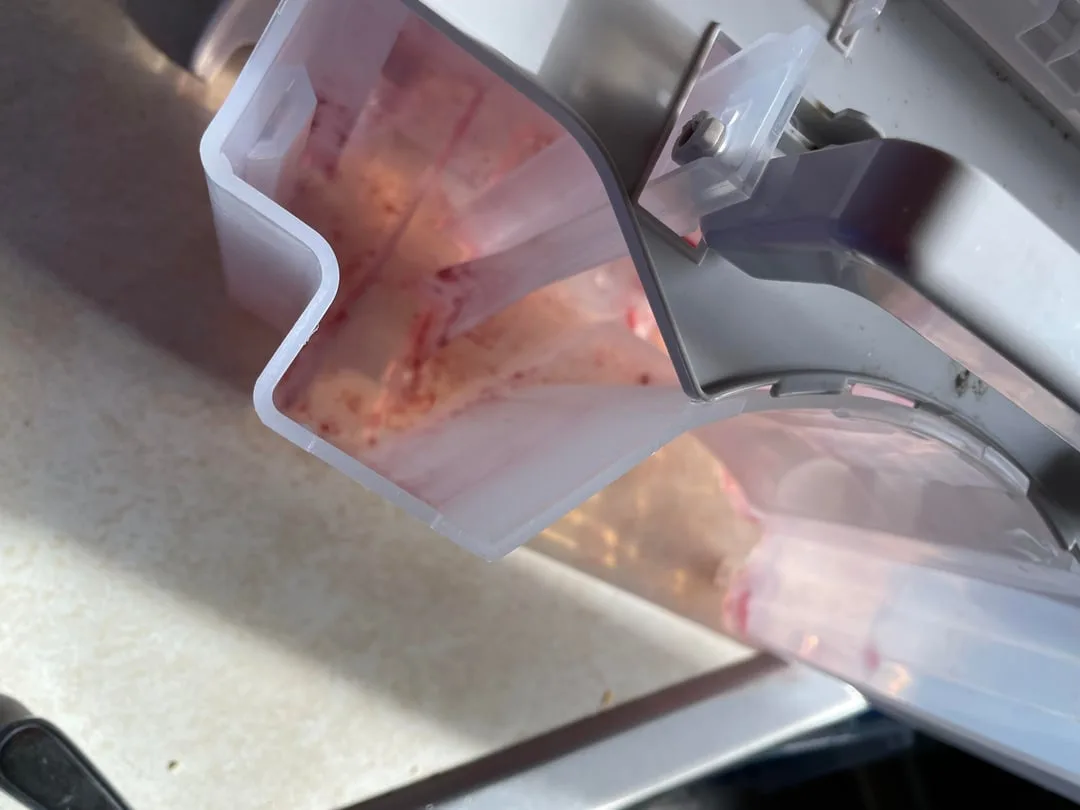
Image source: Bing (Web (fair-use with source credit))
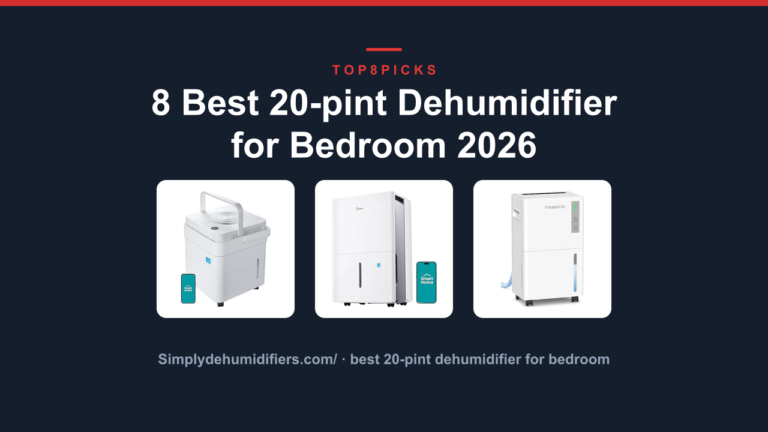
Thinking a small unit is enough for a large space. A 20-pint dehumidifier is fine for a bedroom, but it will never keep up with a damp basement or a flooded crawl space. You need a unit that matches the square footage. Most basements need at least a 50-pint model.
Using an undersized unit is a waste of time and money.
Dehumidifier Specs That Actually Matter for Mold Prevention
Not every dehumidifier is built for the same job. If you want to prevent mold after cleaning, you need the right specs for your space. Let's break down what actually matters.
Pint capacity. This is the most important number. It tells you how much moisture the unit removes in 24 hours. A 20-pint model works for a small bedroom or a closet.
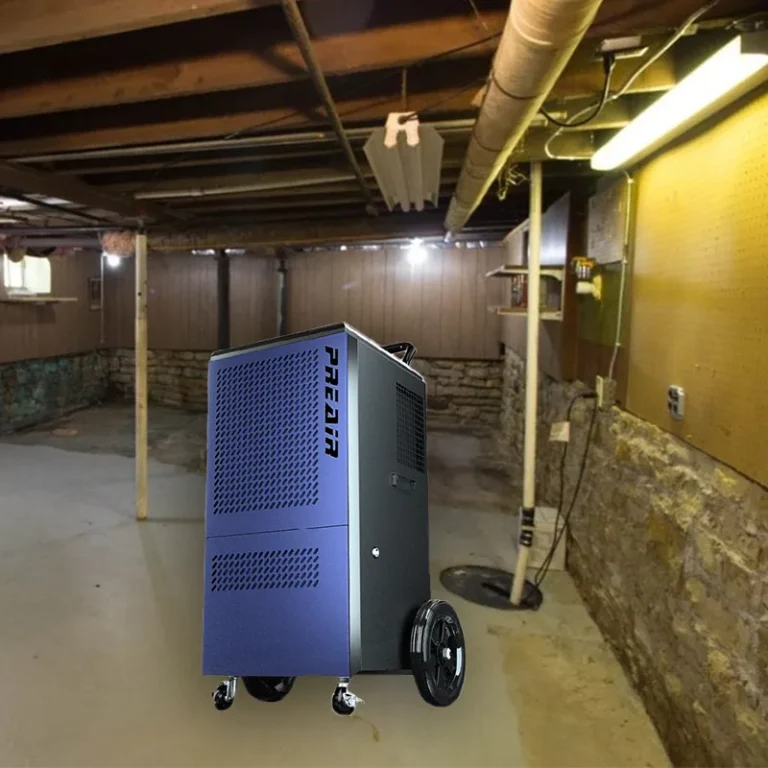
A 50-pint unit handles a standard basement. A 70-pint model is for large basements, crawl spaces, or whole floors. If you undersize the unit, it runs constantly and never catches up.
That is a waste of electricity and a recipe for mold to return.
Coverage area. Manufacturers list a square footage rating. But those numbers are based on ideal conditions. If your basement is damp or the ceiling is low, cut that rating in half.
A unit rated for 1,500 square feet might only handle 800 square feet in a real damp basement. Look for a unit that covers at least 50 percent more space than you need.
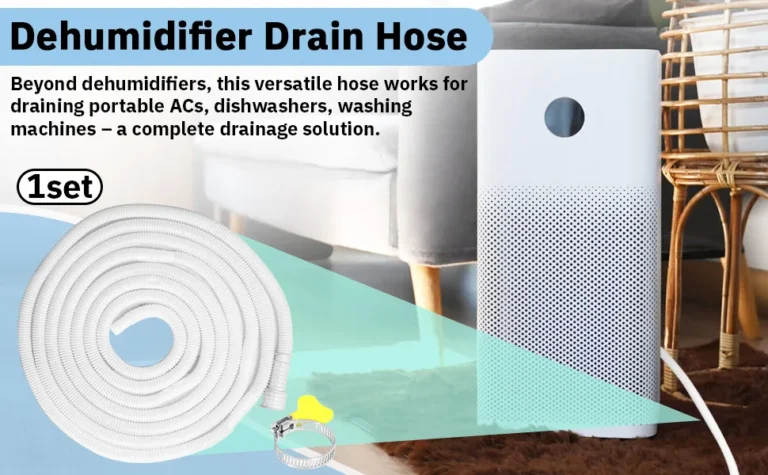
Continuous drainage. You do not want to empty a bucket every day. If you are running the dehumidifier for mold prevention, it should run 24/7. That means a hose connection to a floor drain or a condensate pump that pushes water up to a sink or window.
Most units support this. Make sure the one you pick does.
Hygrometer and humidity control. A built-in hygrometer measures the relative humidity. You want a unit that lets you set a specific target, usually 40 to 50 percent. Some cheap units only have a dial with vague settings.
Get one with a digital readout and a programmable set point.
Energy efficiency. Look for an Energy Star label. These units use about 15 percent less electricity than standard models. Over a year of continuous use, that difference adds up.
It also means the unit runs cooler and quieter.
For a deeper look at sizing, check out our guide to the best 50-pint models for large rooms. It covers the specific units that handle medium to large spaces well. If you need something smaller, our roundup of top-rated 20-pint dehumidifiers for bedrooms is worth a read.
Frequently Asked Questions
Can a dehumidifier kill black mold?
No. A dehumidifier cannot kill any type of mold. It only removes moisture from the air.
Mold spores on surfaces remain alive and dormant. They need physical cleaning or a commercial fungicide to be killed. The dehumidifier only prevents new growth after the cleanup.
How long does it take for a dehumidifier to dry out a room?
It depends on the room size and the starting humidity level. In a typical basement starting at 70 percent relative humidity, a properly sized unit can bring it down to 50 percent in 24 to 48 hours. If the space is very damp or has a constant moisture source, it may take several days.
Should I run a dehumidifier after cleaning mold?
Yes. Running a dehumidifier after cleaning is essential. It dries the area quickly and keeps the humidity low so new mold cannot grow.
Set it to 45 percent and run it continuously for at least 48 hours. Then monitor the humidity weekly to make sure it stays in the safe zone.
What humidity level prevents mold growth?
The EPA recommends keeping indoor relative humidity between 30 and 50 percent. Mold growth slows significantly below 60 percent and stops below 50 percent. Setting your dehumidifier to 45 percent gives you a good safety margin without wasting energy or drying the air too much.
Can I use a dehumidifier instead of repairing a leak?
No. A dehumidifier is not a substitute for fixing a leak. If water is actively entering the space, the dehumidifier will run constantly and never catch up.
You must fix the leak first. Then use the dehumidifier to handle the residual moisture and prevent future growth.
How often should I clean the dehumidifier to prevent mold inside it?
Clean the water tank every week with a vinegar and water solution. Wash the filter every month. Check the coils for dust buildup every three months.
If you see mold inside the tank or on the coils, clean it immediately. A dirty dehumidifier blows spores back into the room, which defeats the whole purpose.
Final Verdict: What You Should Actually Do
Here is the bottom line. A dehumidifier is a powerful tool for mold prevention, but it is not a mold removal tool. If you have active mold, you need to clean it first.
Then fix the moisture source. Then run the dehumidifier to keep the humidity below 50 percent.
The correct order is always the same. Identify the problem. Fix the leak.
Clean the mold. Dry the area. Prevent the return.
The dehumidifier handles the last two steps. It does not replace the first three.
If you are dealing with a damp basement or a humid room that has never had mold, a dehumidifier is a smart investment. It keeps the air dry and stops spores from germinating. Our guide to the best year-round dehumidifiers can help you pick the right one for continuous use.
For a more budget-friendly option, the best affordable dehumidifiers list has solid choices that do not break the bank.
But if you already see mold, do not plug in a machine and call it done. That is how mold problems get worse. Clean it.
Dry it. Then let the dehumidifier keep it safe. That is the real answer to the question.