When Is the Best Time to Run a Dehumidifier
You pull out your phone and check the weather app. 70% humidity outside, and your basement already feels like a damp towel. You know you need to run the dehumidifier, but when? The answer to "when is the best time to run a dehumidifier" isn't a single time of day.
It changes based on where you live, what season it is, and whether your AC is already running.
According to EPA guidelines, indoor relative humidity should stay between 30% and 50%. Anything above 60% invites mold, dust mites, and that musty smell. But running your dehumidifier at the wrong time wastes electricity and can even make the unit work harder.
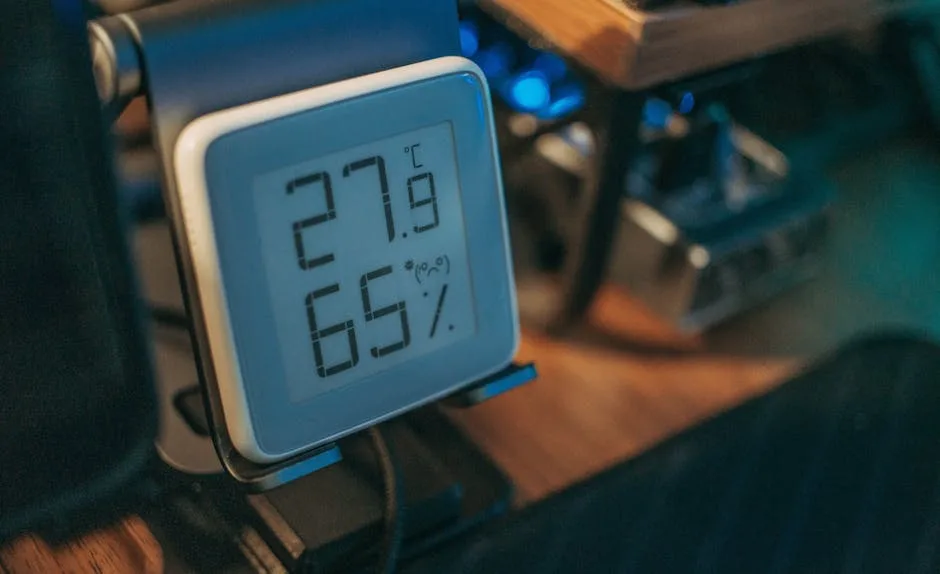
Image source: Bing (Web (fair-use with source credit))
Quick Answer
Run your dehumidifier when indoor humidity exceeds 50%. In summer, run it during the day alongside your AC. In winter, run it at night in basements.
Use a built-in humidistat to automate the schedule. Target 45% to 50% for comfort and energy savings.
Why the Best Time Isn't a Simple Answer
You might expect a straightforward answer like "run it overnight" or "only during the day." The reality is messier. The best time depends on three things: your local climate, the room temperature, and whether you're using air conditioning.
If you live in a humid coastal area like the Gulf Coast, outdoor humidity stays high all day. Opening windows to "air out" the house actually pulls more moisture inside. In that case, you run the dehumidifier whenever the indoor RH climbs above 50%, regardless of the clock.
But if you're in a drier climate like Colorado, you might only need the dehumidifier in a basement during summer storms. The schedule changes completely.
The other big factor is temperature. Compressor-based dehumidifiers work best above 65°F. Below that, the coils can frost over.
Desiccant models handle cooler basements better. So your equipment choice also shapes your timing. If you're shopping for a unit, models with a built-in humidistat and timer make scheduling far easier.
Our roundup of the best value dehumidifiers covers options that balance features and cost.
The takeaway? You need to match your schedule to your specific conditions. Let's walk through the four main variables that determine your ideal run time.
The Four Conditions That Change Your Schedule
Indoor vs. outdoor humidity
This is the most important variable. Check your outdoor humidity on a weather app or local forecast. If it's lower outside than inside, ventilating might be cheaper than running the dehumidifier.
If it's higher outside, keep windows closed and let the dehumidifier do the work.
A simple hygrometer costs about $10 to $15 and tells you indoor RH instantly. Many dehumidifiers have a built-in humidistat. If yours doesn't, buy a standalone one and place it in the same room.
Room temperature
Compressor dehumidifiers pull moisture by cooling coils. They work best when the room is above 65°F. Below that, they struggle.
If your basement sits at 60°F year-round, a desiccant model is a better fit. But if you're running a standard compressor unit, you'll get the best results when the room is warm.
AC usage and ventilation
Your air conditioner also removes moisture. When the AC runs, it dehumidifies the air as a side effect. Running a dehumidifier at the same time can be redundant.
But there's a catch. AC units often cycle on and off. They don't pull enough moisture alone.
In humid climates, a dedicated dehumidifier fills the gap.
If your AC runs frequently, set your dehumidifier to run during the AC's off cycles. Or run it at night when the AC is less active.
Energy costs by time of day
Some utilities charge higher rates during peak hours, typically afternoon to early evening. Running the dehumidifier during off-peak hours like overnight or early morning can save money. Check your electricity plan.
If you're on time-of-use billing, schedule the dehumidifier for the cheapest hours.
Decision Branches: Match Your Situation to a Run Time
Summer with the AC running
If your AC runs regularly, run the dehumidifier during the hottest part of the day, noon to 4 p.m. The AC is already working hard. The dehumidifier helps by removing moisture before the AC coils have to.
This reduces the AC's workload slightly.
But don't run both at full blast simultaneously. Set the dehumidifier to 45% RH. The AC will handle the rest.
If you have a smart dehumidifier, set it to run only when the AC compressor is off. That spreads the load.
Summer without AC (basements, coastal homes)
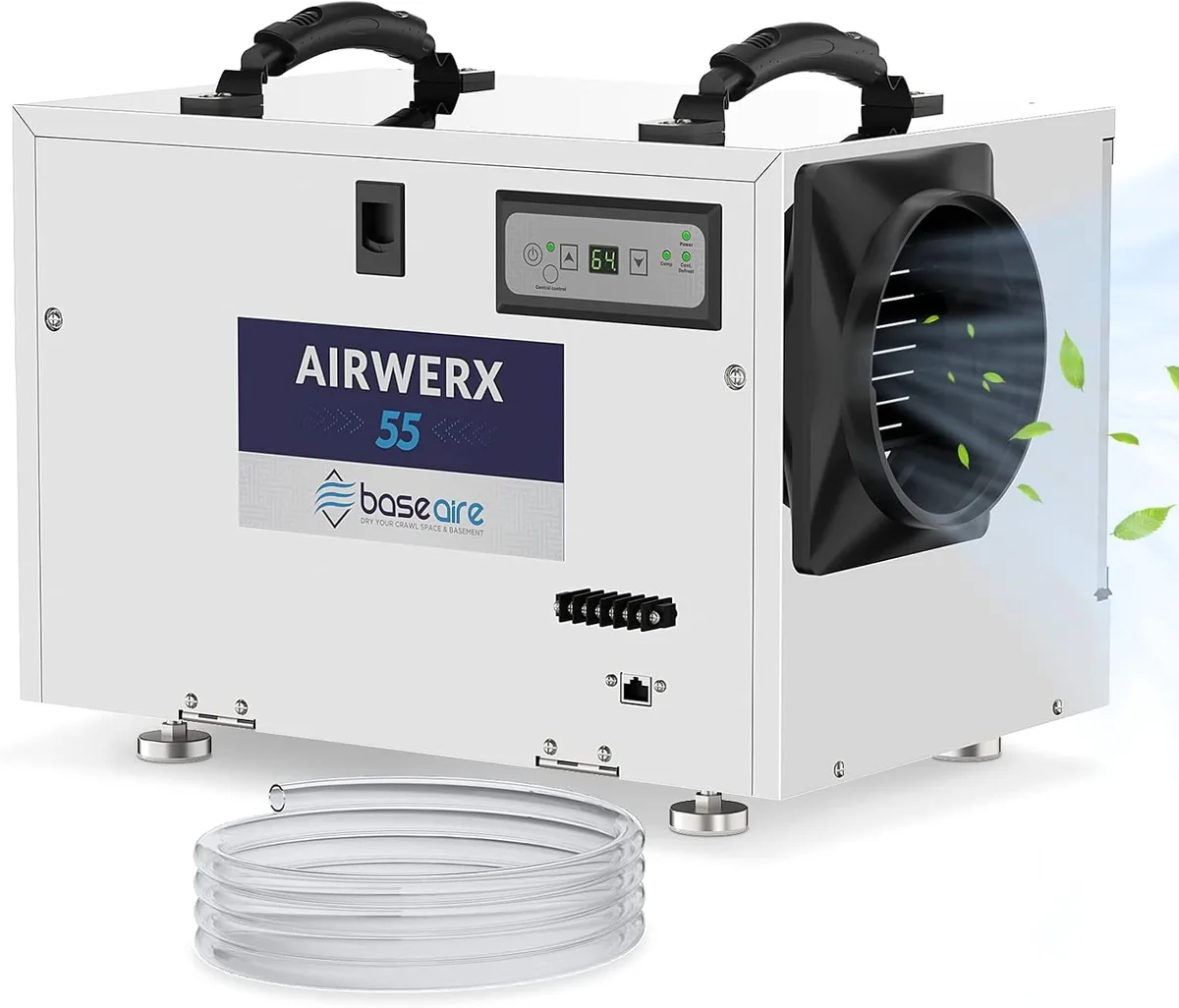
Image source: Bing (Web (fair-use with source credit))
If you don't use AC or live in a basement that stays cool, run the dehumidifier during the afternoon when outdoor humidity is lowest. In coastal areas, outdoor humidity often peaks in the early morning and drops in the afternoon. That's the best window.
For basements, run it continuously until the RH drops to 50%. Then use a timer or humidistat to maintain that level. A 50-pint model is typical for a standard basement.
Our guide to the best 50-pint dehumidifier for basements covers the top options with scheduling features.
Cool, damp basements under 65°F
This is where compressor units fail. If your basement stays below 65°F, either switch to a desiccant dehumidifier or run the compressor unit during the warmest hours of the day. Even a few degrees can make a difference.
If you're stuck with a compressor unit, set it to run from 2 p.m. to 6 p.m. when ambient warmth is highest. Monitor for frost. If you see ice on the coils, stop running it and look into a desiccant alternative.
Drying laundry indoors
If you hang dry clothes inside, the moisture load spikes. Run the dehumidifier in the same room while the laundry is drying. Start it immediately after hanging the clothes and run it for 2 to 4 hours, depending on the load size.
This prevents humidity from spreading to other rooms.
Bedrooms at night (sleep mode vs. noise)
Running a dehumidifier in a bedroom at night is fine if the unit is quiet enough. Many modern models have a sleep mode that reduces fan speed and noise. Set the target RH to 50% and let it run.
The noise level on low speed is typically 40 to 45 dB, quieter than a window AC unit.
If noise bothers you, run the dehumidifier during the day and use a small fan at night for airflow. Alternatively, place the unit in a hallway outside the bedroom door. If you need a compact unit for a bedroom, our list of the best 20-pint dehumidifiers for bedrooms includes quiet models.
Step-by-Step: Set Up Your Dehumidifier Schedule in 5 Minutes
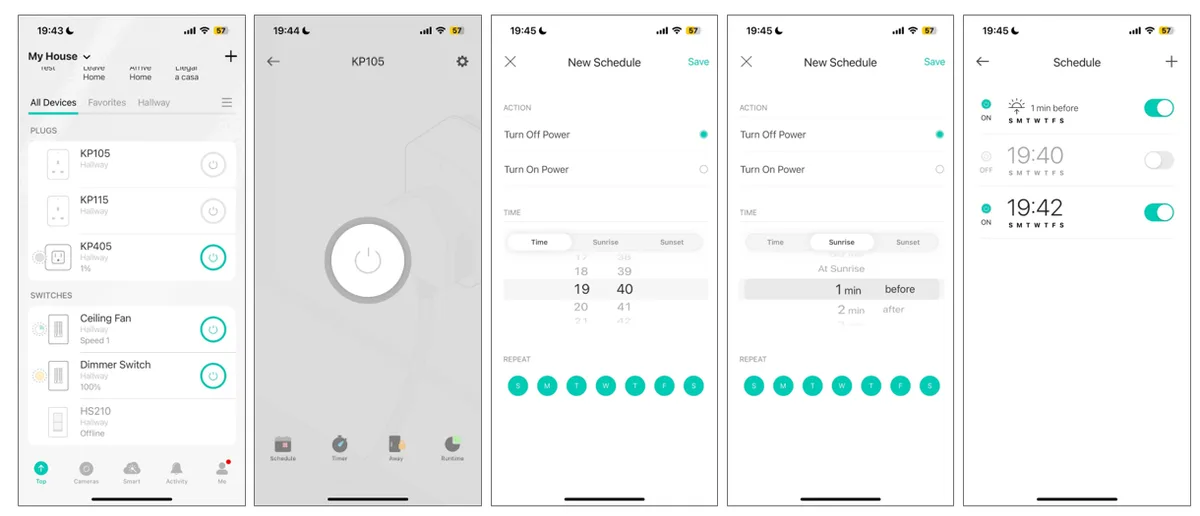
Image source: Bing (Web (fair-use with source credit))
Let's walk through the setup process. This works for most dehumidifiers with a built-in timer or a smart plug.
Step 1: Measure your baseline humidity. Place a hygrometer in the room. Wait 15 minutes. Write down the reading.
Step 2: Set your target humidity. Most experts recommend 45% to 50% for comfort and mold prevention. Set the humidistat to 50% initially. You can adjust down later if needed.
Step 3: Choose your run mode. If your unit has a "continuous" mode, it runs until the bucket is full. Use "auto" mode instead. It cycles on and off based on the humidistat reading.
This saves energy.
Step 4: Set a timer or schedule. If you want to run it only during specific hours, use the built-in timer. For example, set it to run from 10 a.m. to 6 p.m. in summer. If your unit doesn't have a timer, buy a smart plug for $10 to $15 and set a schedule in the app.
Step 5: Monitor and adjust. After 24 hours, check the humidity reading. If it's still above 50%, increase run time. If it's below 40%, your air is too dry.
Reduce run time or raise the target.
For a more detailed look at scheduling features across different models, check our guide to the best dehumidifiers for year-round use.
Common Scheduling Mistakes That Waste Energy or Over-Dry Your Home
Running it 24/7 without a humidistat. This is the biggest waste. A dehumidifier running nonstop uses about 500 to 700 watts per hour. Over a month, that's significant.
Always use auto mode.
Setting the target too low. Some people set the dehumidifier to 30% thinking "drier is better." Below 30%, you risk static shocks, dry skin, and cracked wood floors. Stick to 45% to 50%.
Running it in a cold room. Compressor units freeze up below 65°F. If you run one in a cold basement, it damages the compressor over time. Switch to a desiccant model or warm the room first.
Ignoring the filter. A clogged filter reduces airflow. The unit runs longer, uses more energy, and pulls less moisture. Clean the filter every 30 days.
Replace it every 6 months if it's not washable.
Placing it in a corner. Dehumidifiers need airflow around them. Keep them at least 6 inches from walls. Don't tuck them behind furniture or curtains.
Not draining it properly. If you rely on the bucket, it fills up and the unit shuts off. You come home to a humid house. Use a continuous drain hose if you have a floor drain.
For basements, a pump model can push water up to a sink or drain.
Final Decision Guide: Your Default Schedule by Season
Here is a simple reference table. Match your climate and room type to the recommended schedule.
| Season | Room Type | Recommended Run Time | Notes |
|---|---|---|---|
| Summer | Living space with AC | Noon to 4 p.m. | Helps AC; set to 45% RH |
| Summer | Basement without AC | 2 p.m. to 8 p.m. | Outdoor humidity lowest in afternoon |
| Summer | Bedroom | 8 a.m. to noon or overnight with sleep mode | Avoids peak heat; sleep mode if quiet |
| Fall | Basement (cool, under 65°F) | 2 p.m. to 6 p.m. | Desiccant unit preferred; watch for frost |
| Winter | Basement | 10 a.m. to 4 p.m. | Warmest part of the day; low outdoor humidity |
| Winter | Living space | Only if RH exceeds 50% | Usually not needed; monitor first |
| Rainy season | Any room | Run continuously in auto mode | Set to 50% RH; use continuous drain |
If you live in a humid coastal climate, run the dehumidifier year-round in the basement. Set it to 50% and let the humidistat control it. The schedule matters less than the setpoint.
If you live in a dry climate, only run it in the basement during summer storms. Set a timer for 4 hours after heavy rain. Check the RH the next day.
If it's below 50%, skip the next run.
If you dry laundry indoors, run the dehumidifier in the same room for 2 to 4 hours after hanging clothes. Use a timer so it doesn't run all night.
If you have a crawl space, run the dehumidifier during the warmest 6 hours of the day. Crawl spaces stay cooler than basements. A compressor unit needs that warmth to work.
Frequently Asked Questions
Should I run my dehumidifier at night?
Yes, if the unit is quiet enough. Set it to 50% RH and use sleep mode. Most modern units run at 40 to 45 dB on low, quieter than a fan.
If noise is a problem, run it during the day instead.
Is it better to run a dehumidifier continuously or on a timer?
Continuous mode wastes energy. Use auto mode with a humidistat. The unit runs only when needed.
This saves electricity and prevents over-drying. A timer is useful for specific tasks like drying laundry.
Can I run a dehumidifier and an air conditioner at the same time?
Yes, but coordinate them. Set the dehumidifier to 45% RH and the AC to 76°F. The AC removes some moisture.
The dehumidifier handles the rest. Running both is fine as long as the dehumidifier cycles on and off.
What happens if I run a dehumidifier in a cold room?
Compressor units freeze up below 65°F. Ice forms on the coils. The unit stops pulling moisture and may get damaged.
Switch to a desiccant dehumidifier for cold basements. Or warm the room first.
How do I know if my dehumidifier is running at the right time?
Check the humidity reading after 24 hours. If it stays above 50%, increase run time. If it drops below 40%, reduce run time.
The goal is a steady 45% to 50% RH. A hygrometer gives you the data you need.
Do I need to run my dehumidifier in winter?
Usually not. Winter air is naturally dry. Indoor RH often drops below 30%.
Running a dehumidifier in winter makes the air too dry. Only use it in a damp basement or if you notice condensation on windows.