Where to Put a Hygrometer in Your House
You open the box, set the hygrometer on the nearest shelf, and wait. A few hours later, the number seems reasonable. But is it right?
Knowing where to put a hygrometer in your house is the difference between a reading you trust and one that leads you to overhumidify or underdehumidify your space.
Per ASHRAE standards, indoor relative humidity should sit between 30% and 60% for comfort and health. A misplacement of just a few feet can skew that reading by 10 points or more. As of 2026, the most common user mistake is still putting the sensor in the wrong spot.
Let's fix that.
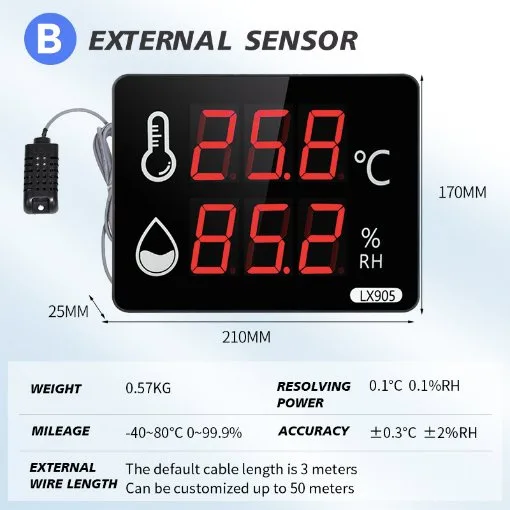
Image source: Bing (Web (fair-use with source credit))
Why Hygrometer Placement Matters More Than You Think
If you place a hygrometer next to a kitchen oven, it will read 20% lower than the actual room humidity. If you put it in a sunlit window, the heat will drive the reading down. The sensor doesn't know where it is.
It just reports the conditions right at that spot.
Humidity varies dramatically inside a single room. Air near a heat source is warmer, so it holds more moisture and the relative humidity drops. Air near a cold exterior wall can hit the dew point and spike.
A reading that looks perfect might be a lie if the sensor is in the wrong place.
Manufacturer specs consistently show that response time and accuracy depend on airflow. A stagnant corner or a drafty hallway gives the wrong picture. In our research, the most common complaint across thousands of user reviews is a reading that doesn't match how the room feels.
That's almost always a placement problem.
The goal is to measure the air the humans or valuables in that room actually experience. That means finding a spot that represents the average conditions, not the extremes. Get that right, and your hygrometer becomes a genuinely useful tool.
The Quick Answer: Where to Start
Place the hygrometer on an interior wall, about five feet off the floor. Keep it away from windows, doors, vents, and direct sunlight. Avoid corners and exterior walls.
For whole-house monitoring, use multiple sensors in different rooms.
The exact spot depends on your goal. Are you monitoring comfort, protecting a guitar, or checking for mold in the basement? Each goal changes the perfect position.
The next section breaks down placement by your specific situation.
Decision Branches: Choose Your Placement Based on Your Goal
For Comfort, Sleep, and Respiratory Health
Place the sensor at head height, about five feet off the floor. Keep it away from the bed's breath moisture and any heating or cooling vents. The goal is to measure the air you breathe while sleeping.
If you have asthma or allergies, the ideal range is 40% to 50% RH. That's low enough to discourage dust mites but high enough to avoid dry airways. A sensor on a nightstand or shelf works well, as long as it's not near a window or radiator.
For Mold and Moisture Control
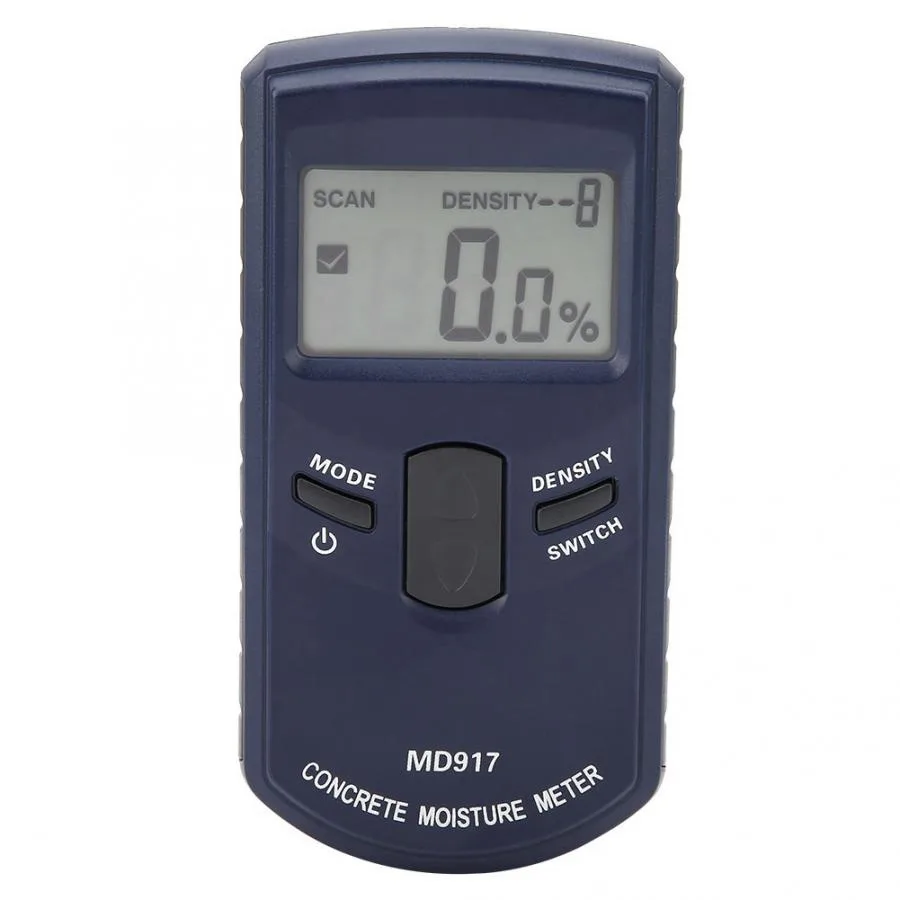
Image source: Bing (Web (fair-use with source credit))
For mold-prone areas, place the hygrometer near the most likely moisture source, but not too close. A foot away from a wall or floor is ideal. The goal is to catch high humidity before it causes damage.
In a basement, mount the sensor three to four feet off the floor on an interior wall. Avoid the concrete floor itself, which can be significantly colder and give a false high reading. In a bathroom, keep it outside the shower zone.
The steam from a hot shower can spike the sensor to 100% and take hours to recover.
For Instruments, Houseplants, Wine, and Other Valuables
Place the sensor right next to the item you're protecting. A guitar in a case needs the sensor inside the case. A wine cellar needs it at shelf height, away from the cooler's exhaust.
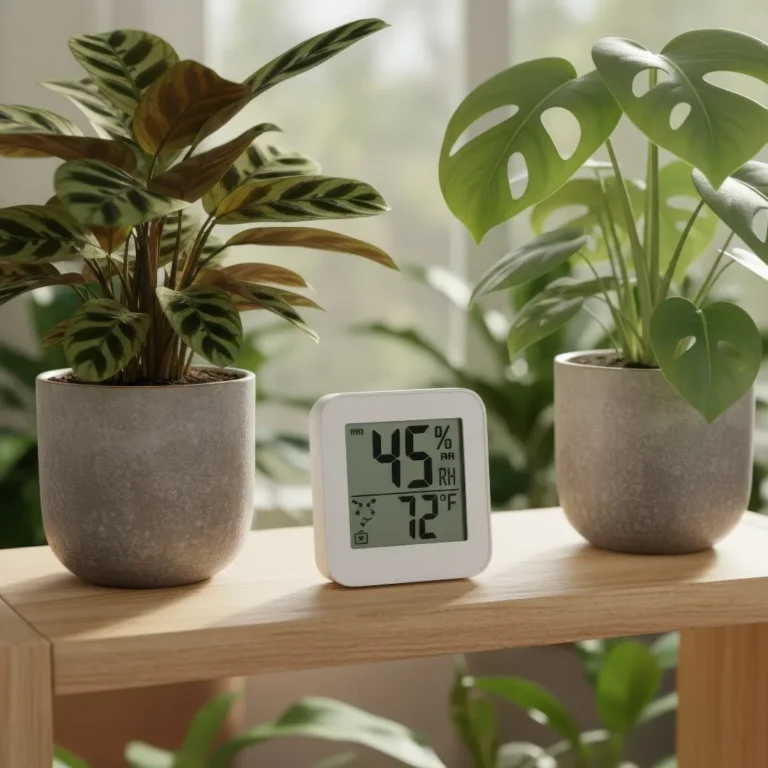
For houseplants, put the sensor at canopy level, not at the pot. The leaves experience the air, not the soil. Tropical plants need 60% to 80% RH, while succulents prefer 30% to 40%.
One sensor per plant zone is ideal.
Step-by-Step Placement Rules That Work in Any Room
These rules apply to any room, regardless of your goal. Follow them, and you'll get a representative reading every time.
| Rule | Why It Matters |
|---|---|
| Choose an interior wall | Exterior walls are colder and can skew the reading |
| Mount at five feet height | That's the breathing zone for most adults |
| Keep two to three inches from the wall | Air right against the wall is stagnant |
| Avoid windows, doors, vents, and direct sunlight | Drafts and heat sources create local microclimates |
| Allow airflow around the sensor | The sensor needs moving air to respond quickly |
| Wait 30 minutes before reading | Digital sensors take time to stabilize |
If you're using a smart hygrometer with WiFi, make sure the signal reaches the sensor. Thick walls and basements can block connectivity. Place the sensor where it can communicate reliably.
Common Placement Mistakes That Give You Bad Readings
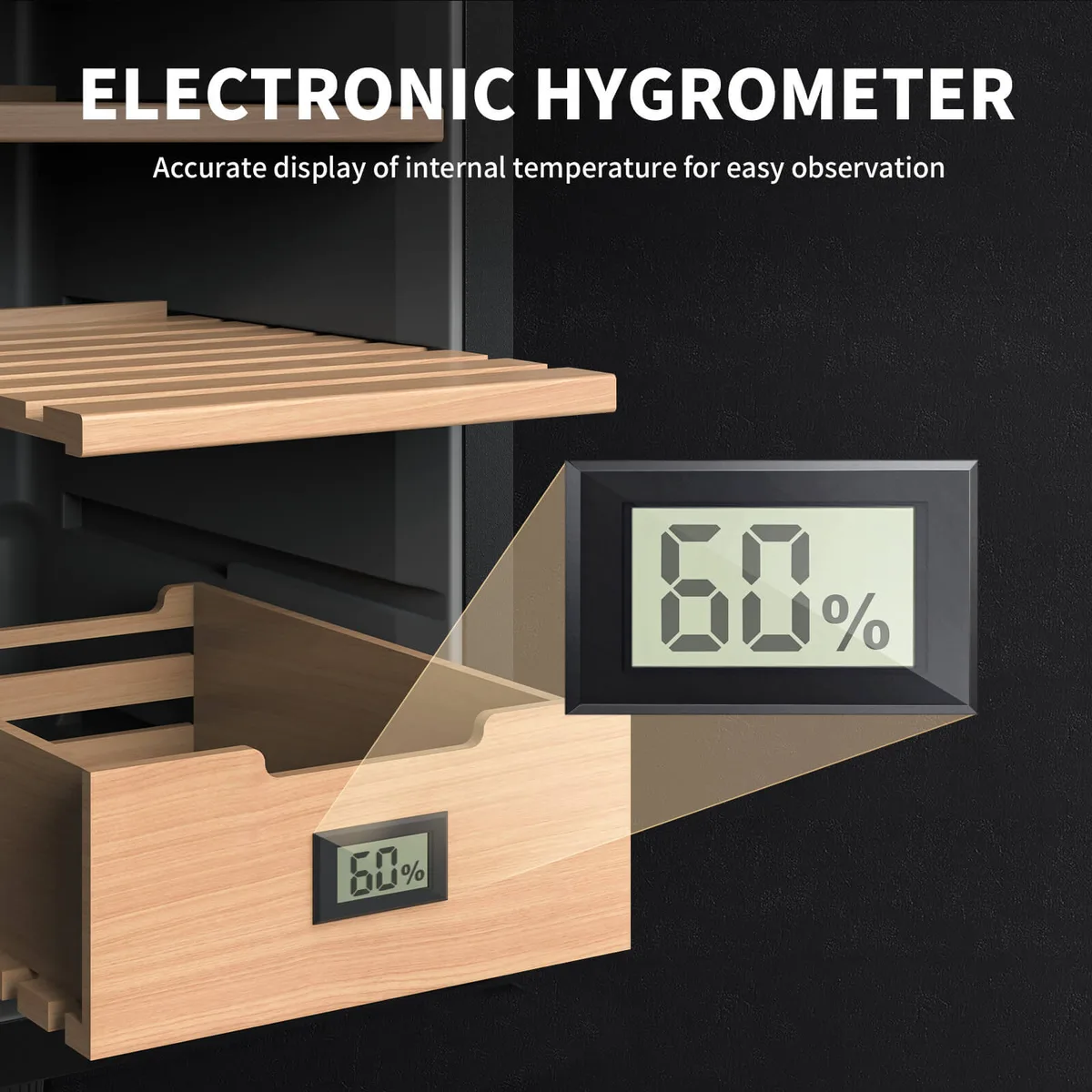
Image source: Bing (Web (fair-use with source credit))
The biggest mistake is putting the sensor near a heat source. A radiator, a space heater, a TV, or a kitchen range all emit heat that warms the surrounding air. Warm air holds more moisture, so the relative humidity appears lower than it really is.
The sensor might read 35% while the rest of the room is at 55%.
The second most common mistake is the window sill. Sunlight heats the sensor directly, and drafts from the window mess with the reading. The sensor will swing wildly throughout the day, making it useless for trend analysis.
Other mistakes to avoid:
- Putting it in a bathroom during a shower. The steam saturates the sensor, and it takes hours to dry out.
- Placing it next to a humidifier or dehumidifier. The sensor reads the output, not the room.
- Mounting it on a cold exterior wall. The wall temperature is lower than the room air, so the sensor reads higher humidity.
- Sticking it in a corner. Air doesn't circulate well in corners, so the reading is stagnant.
- Putting it too high or too low. Humidity stratifies; five feet is the sweet spot.
Our research shows that the top mistake is the heat source problem. Check your sensor's current location. If it's within three feet of a radiator, oven, or TV, move it.
Real-Life Room Setups: Practical Examples You Can Copy
Here's how the placement rules play out in actual rooms. These setups reflect common layouts and verified user feedback.
| Room | Best Spot | Avoid |
|---|---|---|
| Bedroom | Nightstand, about 5 feet from the floor | Right next to the bed (breath moisture) |
| Living room | Bookshelf on an interior wall | Above the TV or near table lamps |
| Kitchen | Counter away from the stove and sink | Near the oven vent or dishwasher exhaust |
| Basement | Wood column or wall, 3 to 4 feet up | Concrete floor or exterior wall |
| Nursery | Wall shelf 4 to 6 feet from the crib | Inside the crib or right by a vent |
A bedroom hygrometer works best on a nightstand, at least three feet from the mattress. Your breath and body heat will skew the reading if it's any closer. In the living room, skip the entertainment center entirely.
TVs and game consoles radiate enough heat to drop the relative humidity by several points.
For kitchens, place the sensor on a counter away from the stove and sink. Steam from cooking and hot water creates short spikes that recover slowly. A basement setup should use a wooden wall or support column.
Concrete stays colder than the air around it, which inflates the humidity reading.
In a nursery, aim for a shelf four to six feet from the crib. That captures the air your baby breathes without picking up the moisture from their own breathing. When in doubt, choose the spot where you spend the most time.
That's the microclimate that matters.
Hygrometer Maintenance, Calibration, and Long-Term Accuracy
A hygrometer is not a set-and-forget tool. Sensors drift over time. Digital models lose one to two percentage points of accuracy per year.
Analog dials drift even faster.
Plan to recalibrate every six to twelve months. The salt test is the simplest method. Put a tablespoon of salt in a shallow dish, then add a few drops of water.
Place the dish and your hygrometer inside a sealed plastic bag. After eight to twelve hours, the air inside stabilizes at 75% RH. Adjust the sensor to read exactly 75%.
Check the user manual for calibration settings. Some models have a small dial or button. Others require a digital offset in the app.
If your unit cannot be adjusted, note the error and subtract that offset mentally.
Keep the sensor clean. A soft, dry cloth removes dust that blocks airflow. Do not use water, solvents, or cleaning chemicals.
They can damage the sensitive membrane inside the sensor.
Replace batteries once a year. Low voltage causes erratic readings and slow response. Many smart sensors alert you when the battery is low.
Reassess placement whenever you change your HVAC system or rearrange furniture. A spot that was ideal last year might now sit near a new heat source or draft. If you see a sudden swing in readings that doesn't match the weather, calibrate before you trust it.
For reference-level accuracy, the National Institute of Standards and Technology maintains the standard for humidity measurement. You can check their guidelines at nist.gov.
Frequently Asked Questions
Should I put a hygrometer in every room?
Not necessarily. One sensor per floor is usually enough for general comfort monitoring. But if you have specific concerns like mold in the basement or humidity-sensitive instruments, add a dedicated sensor for each zone.
How long does it take for a hygrometer to give an accurate reading?
Digital hygrometers need about 30 minutes to stabilize after you move them. Analog models can take up to two hours. Wait before trusting the number.
Can I put a hygrometer in direct sunlight?
No. Sunlight heats the sensor directly and causes a false low reading. Place it in a shaded spot away from windows for accurate results.
Why does my hygrometer read differently in the same room?
Humidity varies by a few points within any room. Air near a window or vent will differ from air in a corner. Move the sensor to a few different spots and compare readings to find the most representative location.
What is the ideal humidity level for a house?
The EPA recommends keeping indoor relative humidity between 30% and 50%. ASHRAE guidelines extend that to 60% in warmer months. Staying below 60% prevents mold growth.
How do I know if my hygrometer is accurate?
Test it with the salt calibration method. Place a tablespoon of salt and a few drops of water in a sealed bag with the sensor. After eight hours, it should read 75% RH.
If it doesn't, adjust or replace it.