What Is a Good Humidity Level
You've probably noticed it. That sticky feeling in the air. Or maybe the opposite, dry, cracked skin and static shocks every time you touch a doorknob.
What is a good humidity level for your home? It's a simple question with a surprisingly specific answer. Get it wrong, and you're inviting mold, dust mites, respiratory trouble, or just plain discomfort.
The Environmental Protection Agency recommends keeping indoor relative humidity between 30% and 50%. That's not a loose guideline. It's backed by decades of building science and public health research.
Go above 60%, and you're in mold territory. Below 30%, and you're breathing air drier than the Sahara. Let's break down exactly what that means for you and your home.
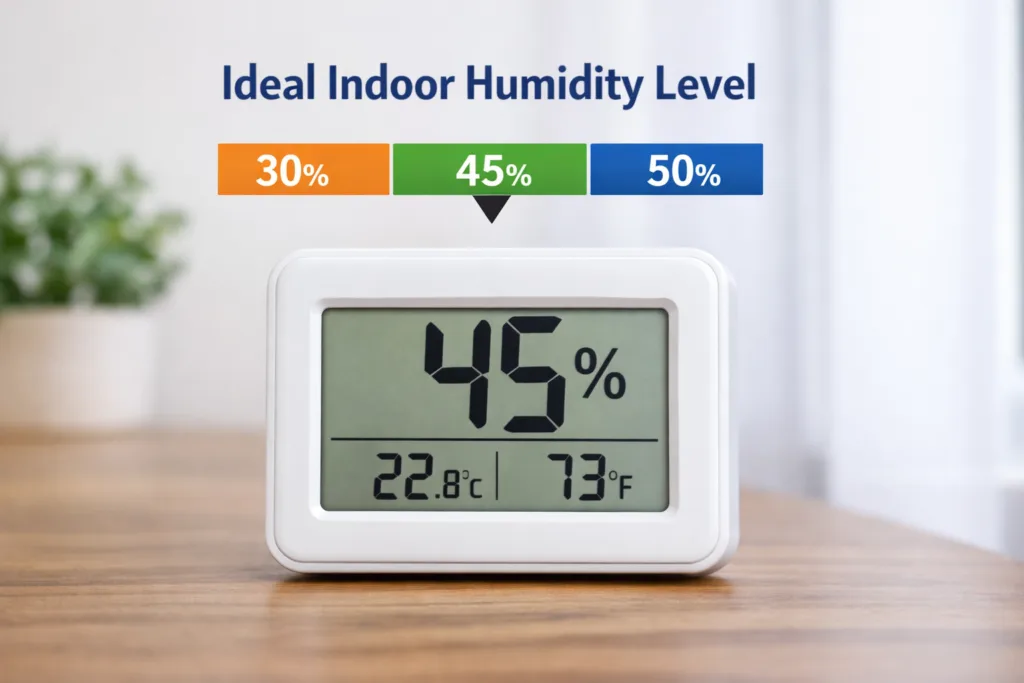
Image source: Bing (Web (fair-use with source credit))
Quick Answer
A good humidity level for your home is 30% to 50% relative humidity. That's the sweet spot. Below 30% causes dryness and static.
Above 50% invites mold and dust mites. The ideal target is around 45%. Stay in that range year-round for comfort and safety.
What Happens When Humidity Goes Wrong (The Risks)

Image source: Web (Bing) / zeenews.india.com (Web image (fair-use with source credit))
Humidity isn't just a comfort thing. It's a health and safety issue. Let's look at what happens when you drift outside that 30-50% zone.
When It's Too Dry (Below 30%)
Dry air hits your body first. Your sinuses dry out. Your throat gets scratchy.
Your skin cracks and itches. You wake up more tired because your airways are irritated all night. Static electricity builds up.
You'll feel it every time you touch a light switch or pet your cat.
It damages your home too. Wood floors shrink and gap. Furniture joints loosen.
Musical instruments crack. Paint peels. Your HVAC system works harder because dry air feels cooler than moist air.
So you crank the heat, which dries it out even more. That's a vicious cycle.
When It's Too Humid (Above 60%)
This is where the real trouble starts. High humidity breeds mold, mildew, and dust mites. Dust mites thrive above 50% RH.
They're a major trigger for asthma and allergies. Mold starts growing on surfaces within 24 to 48 hours if humidity stays above 60%.
You'll see warning signs first. Condensation on windows. Musty smells in basements or closets.
Peeling wallpaper. Warped door frames. And it's not just your home.
Your health takes a hit too. High humidity makes it harder to cool down because sweat won't evaporate. You feel clammy, sluggish, and more prone to respiratory infections.
The Real Cost
Per ASHRAE Standard 62.2, proper ventilation and humidity control are essential for indoor air quality. Ignoring humidity costs you. Higher energy bills from overworked HVAC.
Expensive mold remediation. Replacing warped floors or damaged furniture. Medical bills from allergy flare-ups or respiratory illnesses.
Get it right, and you avoid all of that.
How to Measure and Control Your Home's Humidity
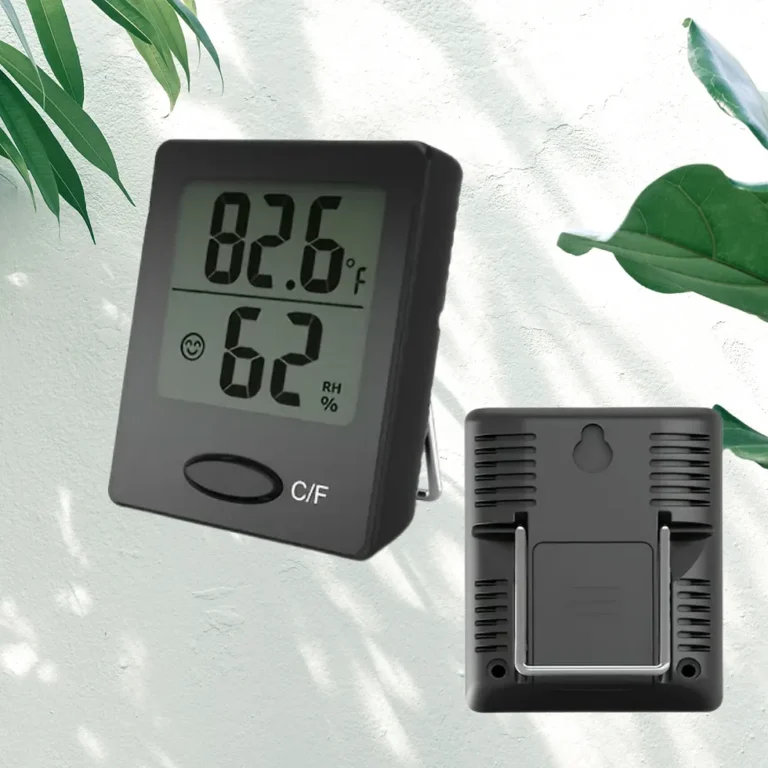
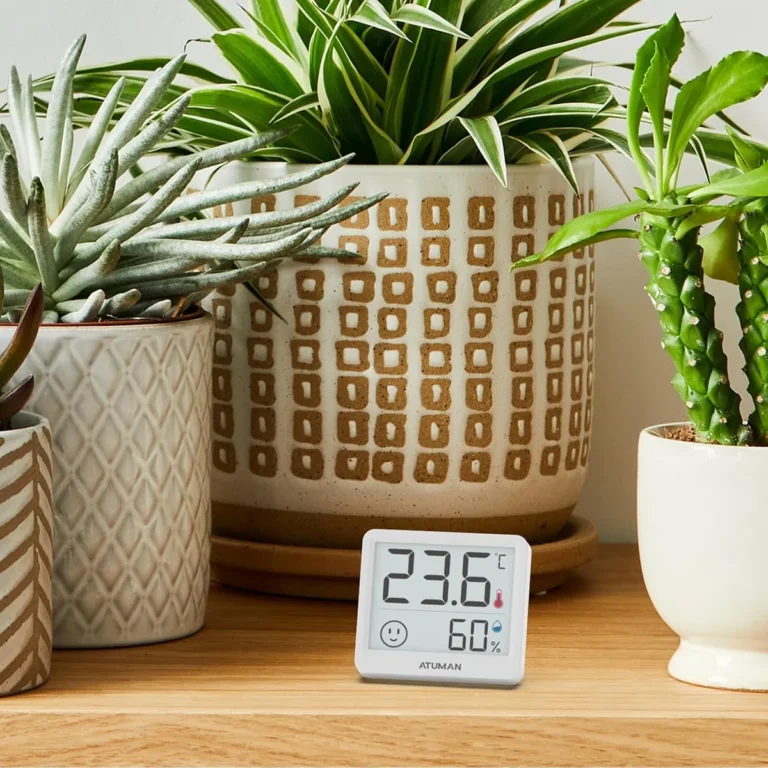
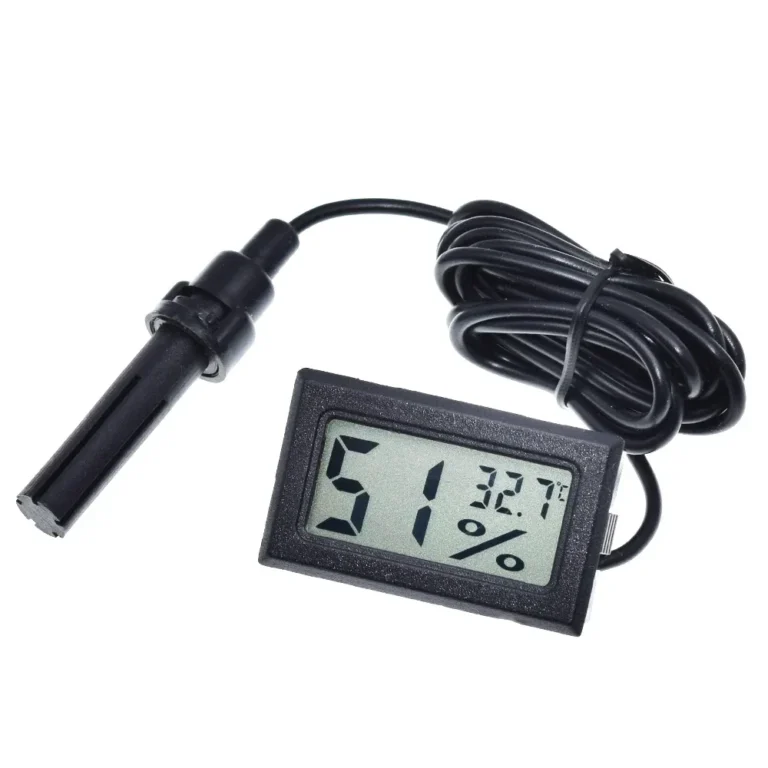
You can't fix what you don't measure. Step one is getting a reliable hygrometer. These are cheap.
A decent digital model costs $10 to $30. Place it in a central living area, away from direct sunlight, vents, and windows. Let it sit for a few hours before trusting the reading.
What to Look For in a Hygrometer
Not all hygrometers are accurate. Here's what matters:
- Accuracy: Look for a model rated within +/- 5% RH. Cheaper ones can be off by 10% or more.
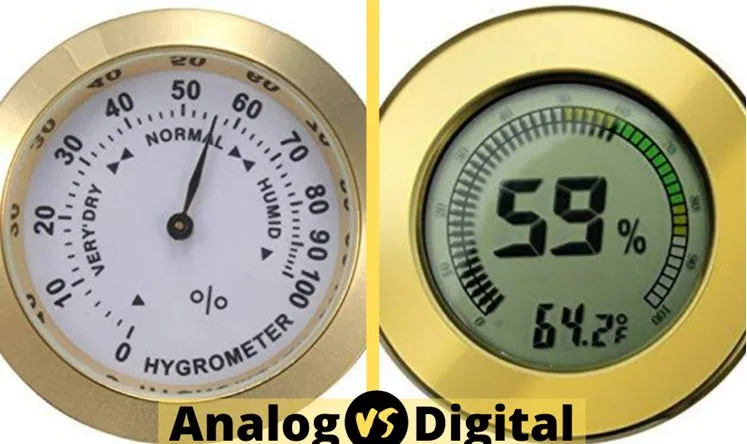
- Digital vs. analog: Digital is almost always more accurate and easier to read.
- Extra features: Some show temperature, trend arrows, or connect to a smartphone app. Nice to have, but not necessary.
- Placement matters: Don't put it in the bathroom or kitchen while cooking. Those readings will spike and mislead you.
How to Raise Humidity
If your readings are below 30%, you need a humidifier. Here are your options:
- Whole-house humidifier: Installed into your HVAC system. Best for dry climates or large homes. Costs more upfront but runs automatically.
- Portable evaporative humidifier: Good for a single room. Uses a wick filter and fan. Quiet and energy-efficient.
- Ultrasonic humidifier: Creates a fine mist. Very quiet. But can leave white dust if you have hard water.
How to Lower Humidity
If your readings are above 50%, you need a dehumidifier. Options include:
- Whole-house dehumidifier: Integrated with your HVAC. Best for basements or humid climates. Expensive but effective.
- Portable dehumidifier: Good for a single room. Look for one rated for your room size. Capacity is measured in pints per day.
- Air conditioner: Your AC naturally removes moisture. But if it's oversized or running short cycles, it won't dehumidify well.
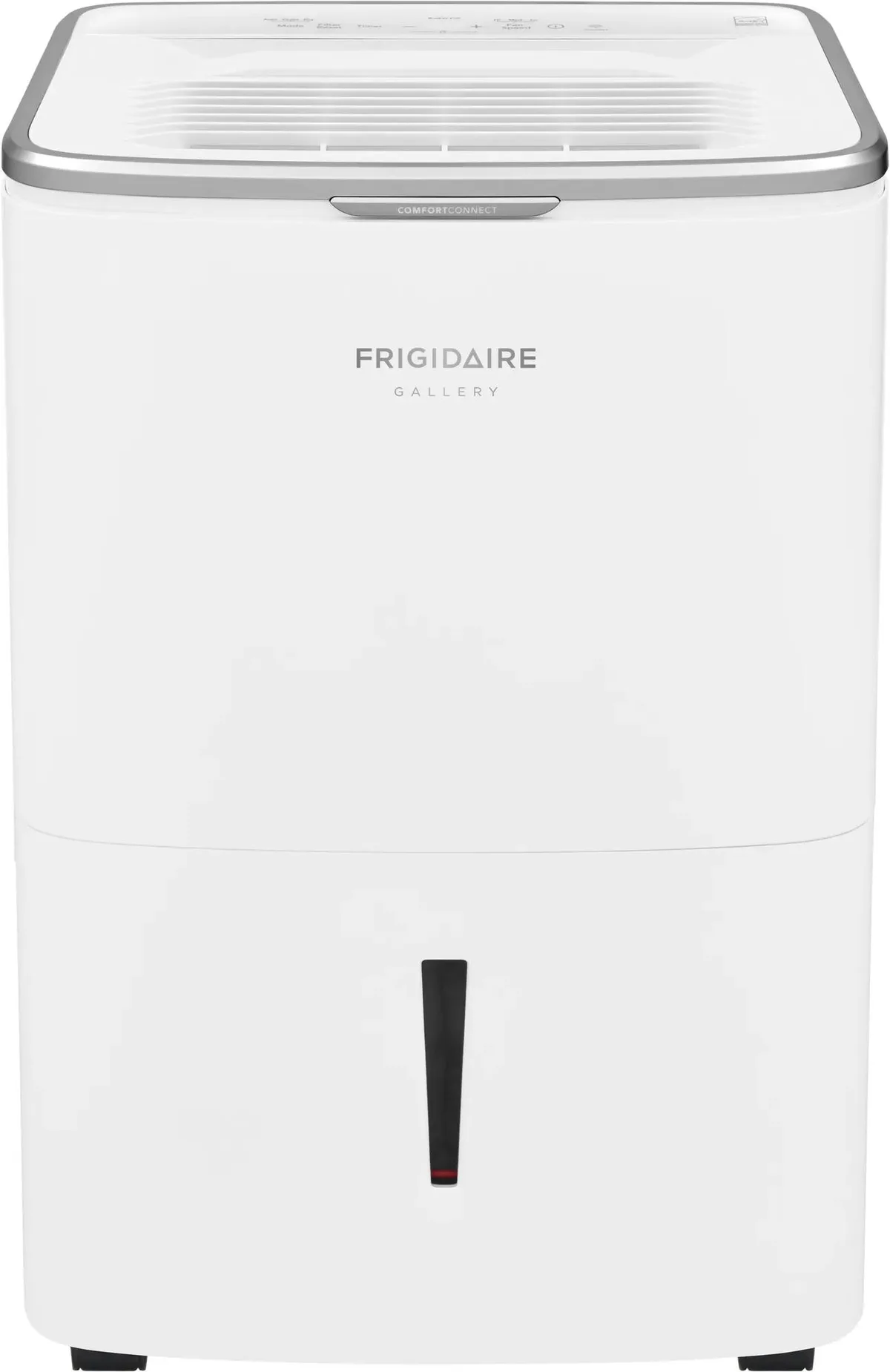
Image source: Bing (Web (fair-use with source credit))
A Quick Decision Guide
| If Your Humidity Is | What to Do |
|---|---|
| Below 30% | Add a humidifier (whole-house or portable) |
| 30% to 50% | Do nothing. You're in the sweet spot |
| 50% to 60% | Monitor closely. Use exhaust fans. Consider a dehumidifier |
| Above 60% | Get a dehumidifier immediately. Check for mold |
Adjusting for Seasons, Climate, and Your Home
The 30-50% rule is a general guideline. Real life is messier. Your home's humidity changes with the seasons, your local climate, and even your house's construction.
Winter vs. Summer
In winter, cold air holds less moisture. When that dry air gets heated indoors, relative humidity plummets. You'll often see readings below 20% in northern climates.
That's when you need a humidifier most.
In summer, warm air holds more moisture. Your AC should help. But if it's running short cycles or your home is leaky, humidity can climb fast.
You might need a dehumidifier even if your AC is running.
Climate Matters
- Arid climates (Southwest, Mountain West): Dry year-round. You'll almost always need a humidifier in winter, and sometimes in summer too.
- Humid climates (Southeast, Gulf Coast, Pacific Northwest): High humidity most of the year. A dehumidifier is a must, especially in basements.
- Four-season climates (Midwest, Northeast): You'll need both. A humidifier in winter, a dehumidifier in summer. Expect to swap them seasonally.
Your Home's Construction
Newer, tighter homes hold moisture better. That's good in winter. But bad in summer because trapped humidity becomes a problem.
Older, draftier homes let moisture escape. That's good in summer but terrible in winter.
If you have a basement, that's almost always your biggest humidity problem. Basements are cooler and more humid than the rest of the house. A dedicated dehumidifier down there is often the single best investment you can make.
A Seasonal Checklist
- Spring: Check your dehumidifier. Clean or replace the filter. Set it to 45% RH.
- Summer: Run your dehumidifier. Keep windows closed when it's humid outside. Use exhaust fans in bathrooms and kitchens.
- Fall: Switch to humidifier mode. Clean or replace the filter. Set it to 40% RH.
- Winter: Run your humidifier. Monitor for condensation on windows. If you see it, lower the humidity slightly.
Common Humidity Mistakes That Cost You (or Harm Your Home)
Even well-meaning homeowners make these errors. Here are the most common ones and how to avoid them.
Mistake 1: Trusting One Hygrometer Reading
A single hygrometer gives you a snapshot of one spot. But humidity varies room to room. A bathroom after a shower is wildly different from a bedroom.
Measure in multiple rooms. Focus on problem areas like basements, bathrooms, and bedrooms. Average them out.
Mistake 2: Over-Humidifying in Winter
You're trying to fix dry air, so you crank the humidifier. But too much moisture in winter creates condensation on cold windows. That water runs down, soaks into the window frame, and breeds mold.
The fix is simple. Keep humidity below 40% when outdoor temps drop below freezing. If you see condensation, turn it down.
Mistake 3: Ignoring Your HVAC System
Your AC and furnace are your front-line humidity fighters. A dirty filter, undersized unit, or faulty thermostat throws everything off. Have your HVAC serviced annually.
Change filters every 1 to 3 months. Make sure your AC is sized correctly. Too big, and it cools fast but doesn't run long enough to remove moisture.
Mistake 4: Using a Humidifier Without Cleaning It
Portable humidifiers grow mold and bacteria inside the tank. If you don't clean them weekly, you're spraying mold spores into the air you breathe. Use distilled water if possible.
Empty and dry the tank daily. Clean with vinegar or hydrogen peroxide weekly.
Mistake 5: Closing Off Rooms
You think you're saving energy by closing vents in unused rooms. That creates pressure imbalances. Humid air gets trapped, and moisture builds up.
Keep doors open and vents unobstructed. Allow proper airflow.
Mistake 6: Relying Only on Your AC for Dehumidification
Your AC removes moisture, but it's not a dehumidifier. It's designed to cool air. It only removes moisture as a side effect.
In humid climates, your AC alone can't keep up. A dedicated dehumidifier is often necessary, especially for basements or whole-home humidity control.
When to Call a Pro (It's Not Always DIY)
Some humidity problems go beyond a plug-in appliance. Visible mold growth is the clearest red flag. If you see mold spreading on walls, ceilings, or wood, call a professional mold remediation service.
Don't try to clean it yourself. Scrubbing disturbed spores just releases more into the air.
Persistent humidity is another sign. If your dehumidifier runs constantly and readings stay above 60%, there's a bigger issue. It could be a leak, poor drainage, or a system that's too small.
An HVAC contractor can diagnose what a portable machine can't fix.
Hidden moisture needs professional eyes. Soft spots on walls. Blistering paint.
A musty smell that never fades. These point to moisture trapped inside wall cavities. Surface treatments won't fix them.
Per the EPA's mold guidance, if the affected area covers more than 10 square feet, professional help is the right call. That's the threshold where DIY cleanup gets risky. Look for certified professionals with IICRC or NORMI credentials.
Licensed assessors don't do the remediation themselves, so you get an honest evaluation.
Health symptoms matter too. If family members get worse respiratory issues indoors but feel better when they leave the house, that's a signal. An indoor air quality specialist can trace the cause.
So can a good HVAC contractor.
Finally, call a pro before a real estate transaction. A proper humidity and mold inspection can prevent expensive surprises after closing. The cost of a one-time consult beats a major remediation bill later.
Frequently Asked Questions
What is the ideal humidity for a bedroom?
The ideal bedroom humidity is between 30% and 50%, with 40% as your target. You spend eight hours in that room every night. Too dry means a sore throat and dry eyes in the morning.
Too humid allows dust mites and mold to thrive.
Can humidity make you sick?
Yes, both extremes can make you sick. Low humidity dries out your nasal passages, making you more vulnerable to respiratory viruses. High humidity promotes mold, dust mites, and bacteria, which trigger allergies and asthma.
Staying in the 30% to 50% range keeps you healthier.
How do I know if my house is too humid without a hygrometer?
Look for condensation on windows, musty odors, and that heavy, sticky feeling in the air. Warped wood, peeling paint, and visible mold are later signs. A hygrometer gives exact numbers, but these symptoms appear well before readings reach dangerous levels.
Why is my house so humid with the AC running?
Your AC might be short-cycling. An oversized unit cools the air quickly but shuts off before removing enough moisture. A clogged filter, low refrigerant, or a thermostat fan set to "on" instead of "auto" can also cause high humidity.
Check those before buying a dehumidifier.
What should I set my dehumidifier to?
Set your dehumidifier to 45% to 50% for most situations. That gives you a buffer below the 60% mold threshold. If you have allergies or asthma, drop it to 40%.
For basements, 50% balances moisture control with energy use.