Danby Dehumidifier Keeps Shutting Off
Your Danby dehumidifier keeps shutting off, and that can be frustrating. You’re not alone. It’s one of the most common search terms for this brand.
In many cases the unit is working exactly as designed, and a small fix gets it back to normal.
Manufacturer specs show these units cycle off when the bucket fills, the room hits your humidity target, or the defrost routine kicks in. As of 2026, all current Danby models include a continuous drain port and an auto‑reset function. Improper setup still causes false shutoffs.
Let’s walk through every possibility so you know what to check first.
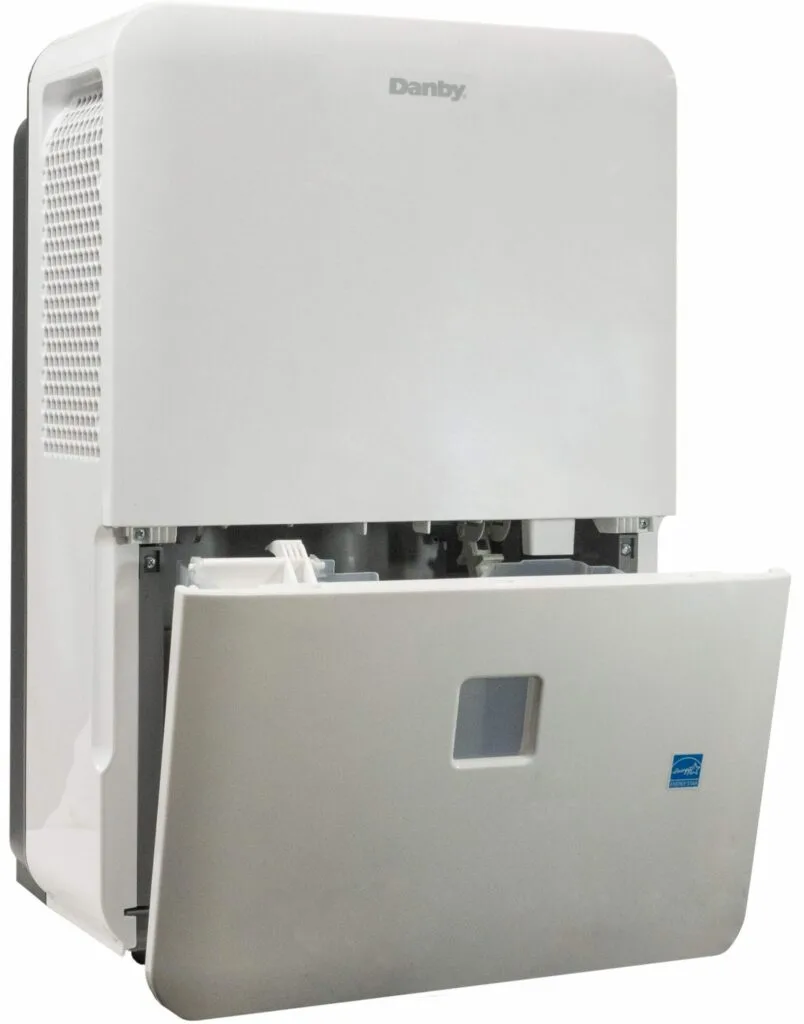
Image source: Bing (Web (fair-use with source credit))
Quick Answer
If your Danby dehumidifier keeps shutting off, start with the bucket and check that the float switch moves freely. Make sure the room temperature is above 41°F. Clean the air filter.
If those steps don’t help, look for an error code on the display.
Why Your Danby Keeps Shutting Off (And When to Worry)
A dehumidifier that stops running isn’t always broken. Here are the most common reasons it cycles off automatically:
- Bucket is full. The float switch triggers a shutoff even if you don’t see water. A tilted unit or a stuck float can give a false “full” signal.
- Humidity setpoint is reached. If you set it to 30% and the room is already at 30%, the compressor will shut off. That’s normal.
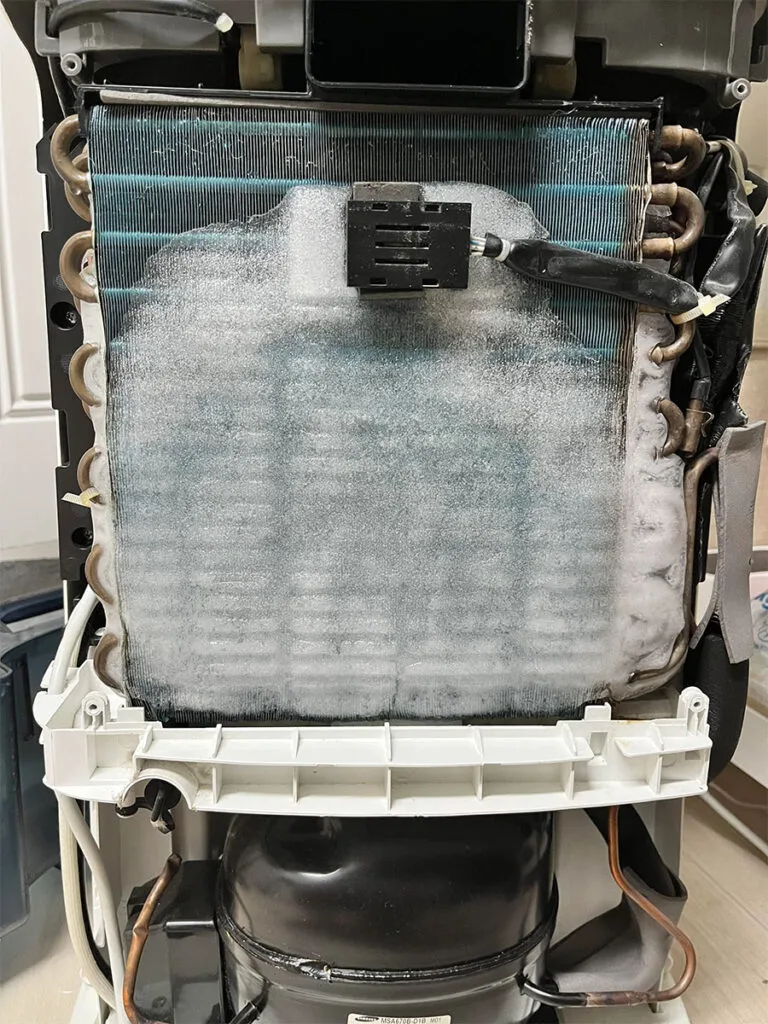
- Defrost cycle activates. When the evaporator coils get too cold, the unit runs the fan only for 5, 10 minutes to melt frost. You’ll see the defrost light.
- Room temperature too low. Danby models require at least 41°F (5°C) to operate. Below that, the compressor won’t start or will shut off to protect itself.
- Thermal overload triggered. If airflow is blocked or the compressor overheats, a safety switch cuts power. It restarts after 30, 60 minutes.
When should you worry? If the unit shuts off within a few minutes of startup and the bucket is empty, the room is warm, and no error code is displayed, that points to a hardware or sensor issue. Also flag it if the shutoff happens during the first use after a long storage period.
The compressor might be locked.
Most of these problems are quick to diagnose. The next section helps you separate normal cycling from real trouble.
First Things First: Normal Cycling vs. Real Malfunction
Before you start pulling parts, confirm whether the shutoff is expected. Use this simple checklist:
| Normal Shutoff | Real Malfunction |
|---|---|
| Runs 20–60 minutes, stops, restarts after defrost | Stops after 2–5 minutes, restarts only when unplugged |
| Bucket is full or nearly full | Bucket is empty and float moves freely |
| Display shows “EH” or “P2” (defrost mode) | Display shows “E1” or “EC” (sensor error) |
| Unit is in a room below 41°F (5°C) | Room is 65°F+ and humidity is 60%+ |
| Power light stays on after shutdown | Power light goes off completely |
If your situation matches the left column, nothing is wrong. Let it do its job. If it matches the right column, move to the decision tree.
A quick visual check: open the bucket and look at the float switch. That small plastic piece rises with water. If it’s stuck in the raised position, the unit thinks the bucket is full even when it’s empty.
A gentle push down can free it.
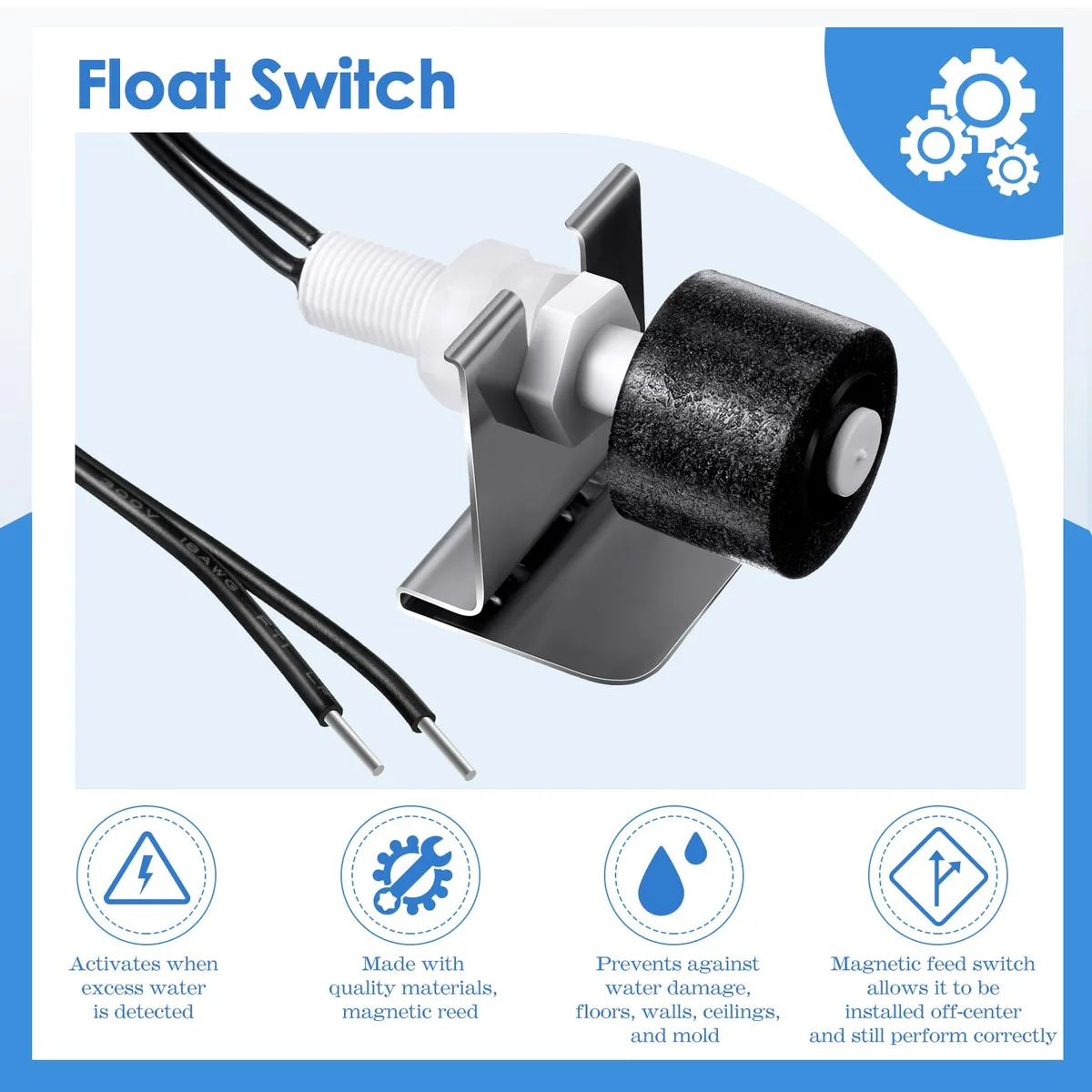
Image source: Bing (Web (fair-use with source credit))
The Quick Troubleshooting Decision Tree (Step by Step)
Follow this order. Each step eliminates one cause.
Step 1: Check the bucket and float.
Pull the bucket out and look at the float arm. It should drop freely. If it’s sticky, clean it with a damp cloth.
Reinstall the bucket firmly. If the unit now runs, you fixed the false‑full signal.
Step 2: Read the error code.
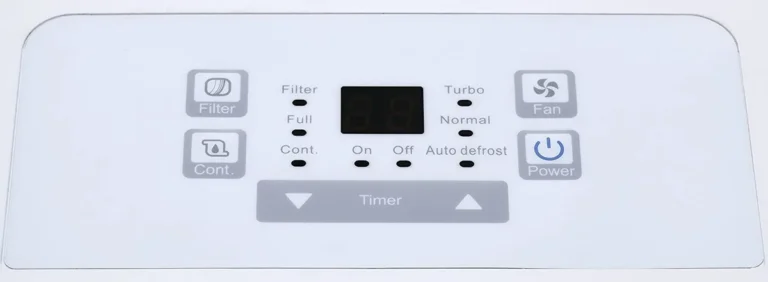
On models with a digital display, note any code. Common Danby codes:
E1, humidity sensor failureE2, coil sensor failureEHorP2, defrost cycle active (normal)EC, refrigerant leak or compressor issue
Step 3: Check the air filter.
A clogged filter restricts airflow, causing the coils to ice up and trigger a safety shutoff. Wash the filter with warm water. Let it dry completely before reinstalling.
Step 4: Measure the room temperature.
Use a separate thermometer. If the room is below 41°F, move the unit to a warmer space. The compressor will not operate reliably in cold conditions.
Step 5: Inspect the drain hose.
If you are using continuous drainage, ensure the hose is not kinked, pinched, or looping above the drain port. Water must flow downhill.
Step 6: Reset the unit.
Unplug the dehumidifier. Wait 15 minutes. Plug it back in.
This resets the thermal overload and control board. If it runs normally, the problem was a temporary glitch.
If all these checks pass and the unit still shuts off quickly, the issue is likely a faulty sensor, pump, or compressor. That’s covered in the next section.
Common Mistakes That Make the Problem Worse
People often jump to the wrong fix and end up back at square one. Avoid these:
- Ignoring the error code. A flashing “E1” isn’t a mystery. It means the humidity sensor is bad. Replacing the sensor costs far less than a whole new unit.
- Setting the humidity too low. In a damp basement, setting it to 30% means the unit runs constantly and cycles off only when it reaches that low target. Set it to 45, 50% for efficient operation.
- Placing the unit in a corner or against a wall. Blocked air intake causes overheating and thermal shutdown. Danby manuals recommend at least 12 inches of clearance on all sides.
- Using an undersized unit for the room. A 30‑pint model in a 2000‑sq‑ft space runs nonstop and cycles off more often because it can’t keep up. If you’re considering a replacement, check our guide on choosing the best dehumidifier for basement spaces.
- Leaving the bucket misaligned. Even a slight tilt can prevent the float switch from dropping. Always push the bucket in until you hear it click.
When the Compressor, Sensor, or Pump Is the Real Issue
If the decision tree didn’t solve it, you’re looking at a component failure. These are the three most common hardware problems on Danby dehumidifiers.
Compressor thermal overload. The compressor has an internal thermal protector. If it cycles on and off rapidly (short cycling), the protector trips and the unit stays off for up to an hour. This can happen after a power outage or if the unit was unplugged and plugged back in too quickly.
A 15‑minute reset usually fixes it. Repeated tripping means the compressor or relay is weak.
Failed humidity sensor. The sensor reads the room’s moisture level and tells the compressor when to stop. A faulty sensor sends wrong data, causing the unit to think the target is reached immediately. You’ll see the fan run but the compressor never kicks on.
The fix: replace the sensor. The part number varies by model, usually under $20.
Condensate pump issues (on pump models). If your Danby has a built‑in pump to push water up to a drain, a failed pump motor or a blocked impeller will trigger a shutoff. You may hear the pump hum but no water moves. Clearing the pump chamber or replacing the pump assembly is necessary.
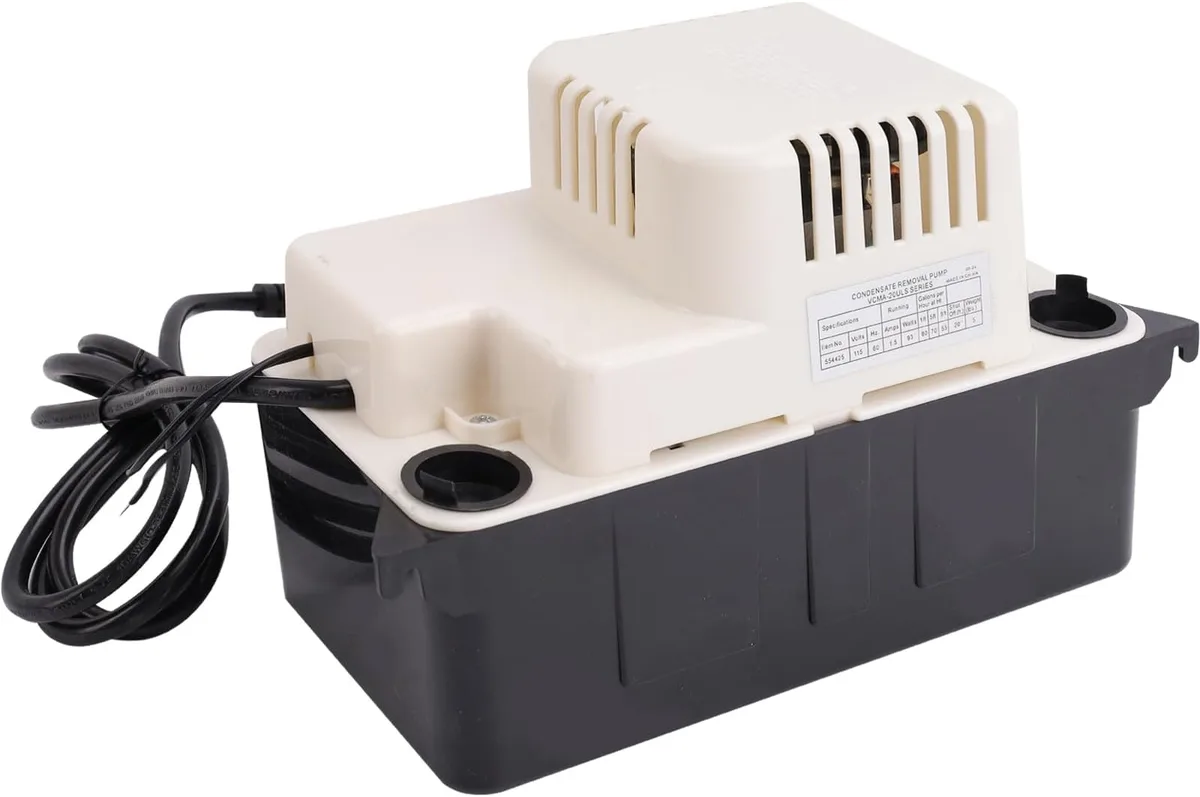
Image source: Bing (Web (fair-use with source credit))
For any of these, you can consult Danby’s official support site for model‑specific troubleshooting. If the unit is less than two years old, check warranty coverage before buying parts.
Now that you know what can go wrong, the next part of this guide covers when to repair versus replace your Danby, and how to get it running reliably long‑term.
Repair vs. Replace: A Practical Guide for Your Model
Once you’ve confirmed a hardware issue, you face a real choice. Repairing a Danby dehumidifier is often cheaper than replacing it, but not always worth the effort.
When to repair. If the unit is less than three years old and the problem is a simple part like a float switch, humidity sensor, or condensate pump, repair makes sense. These parts cost between $15 and $60. A sensor swap takes about 20 minutes with a screwdriver.
Danby’s warranty covers parts for the first year and labor for 90 days. If you are still under warranty, contact support first. They will often ship a replacement part free.
When to replace. If the compressor is dead, the refrigerant circuit has a leak, or the control board has failed, repair costs can exceed half the price of a new unit. A new compressor alone costs $150 to $250 plus labor. You can find a comparable Danby model for $200 to $350.
In that case, replace it. Also consider replacement if your current unit is undersized for the room. A 30‑pint model struggling in a 1500‑sq‑ft basement will keep cycling off and never keep up.
If that sounds like your setup, check out our guide to the best dehumidifier for the right capacity.
How to decide. Start with the error code and the age of the unit. If the code is EC (refrigerant leak) or the compressor doesn’t kick on at all, quote a repair. Compare that quote to the price of a new, more efficient model.
Also factor in energy savings. A newer Energy Star rated unit uses about 30% less electricity. Over a few years, that savings can offset the purchase price.
FAQ: Danby Dehumidifier Shuts Off – Quick Answers
Why does my Danby dehumidifier shut off after a few minutes?
The most common cause is a false “bucket full” signal. The float switch may be stuck in the raised position. Open the bucket, push the float down gently, and reinstall.
If it keeps happening, the switch is likely defective.
What does error code E1 mean on a Danby dehumidifier?
E1 indicates a humidity sensor failure. The sensor sends incorrect readings to the control board. The compressor either won’t start or shuts off prematurely.
Replace the sensor. It costs $15 to $20.
How long does a Danby dehumidifier run before shutting off?
In normal operation, it runs in cycles of 20 to 60 minutes. It shuts off when the bucket fills, the humidity setpoint is reached, or the defrost cycle activates. Defrost lasts 5 to 10 minutes.
If it shuts off in under 5 minutes, something is wrong.
Can cold room temperature cause my Danby to shut off?
Yes. Danby dehumidifiers require a room temperature above 41°F (5°C). Below that, the compressor will not run.
Move the unit to a warmer area or use a model rated for low temperatures.
Should I reset my Danby dehumidifier if it keeps shutting off?
Yes. Unplug the unit for 15 minutes. This resets the thermal overload and control board.
If normal operation resumes, the shutdown was a temporary glitch. If it recurs, proceed with the troubleshooting steps.
How do I know if my Danby needs a new condensate pump?
If the unit shuts off and you hear a humming sound from the pump but no water drains, the pump is likely clogged or failed. Clean the pump chamber and check the impeller. If the motor is dead, replace the pump assembly.