Can You Run a Dehumidifier on a Generator
Can you run a dehumidifier on a generator? Yes, but only if you match the electrical numbers correctly. Get the numbers wrong and you will trip the generator or damage the compressor.
It is a common question after storms and power outages.
Most standard dehumidifiers draw between 300 and 800 watts while running. Their compressor motor needs a burst of two to three times that wattage to start up. As of 2026, the U.S.
Department of Energy sets efficiency standards for these units. Before you plug anything in, you need to understand the real problem most people face.
Image source: Bing (Web (fair-use with source credit))
The Real Problem: When the Power's Out and the Basement's Damp
The real problem is not whether a generator can power a dehumidifier. It is whether your specific generator can handle the startup load. Most people do not realize how much power the compressor needs to start.
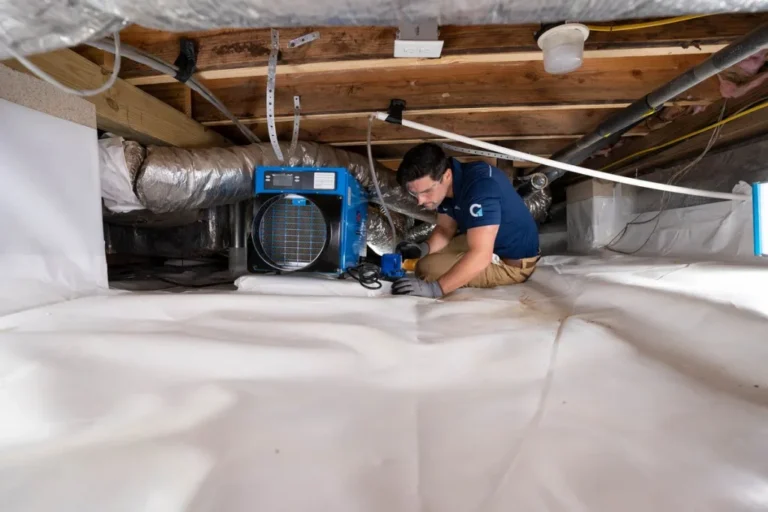
You have a wet basement after a storm. The humidity is rising. Mold can start growing in 24 to 48 hours.
You need to dry the space fast. A dehumidifier is the best tool for the job.
But your generator is also powering other things. A refrigerator keeps food cold. A sump pump keeps water out.
Lights help you see. Every appliance adds to the load.
Here is what most people are trying to run at the same time:
- A refrigerator (600 to 800 running watts)
- A sump pump (800 to 1,200 startup watts)
- A few lights and phones (100 to 200 watts)
- A dehumidifier (300 to 800 running watts)
Add those up and you are looking at 1,800 to 3,000 watts of running load. That is before the startup surges. A 3,500-watt generator might handle it.
A 2,000-watt inverter generator probably will not.
You need to plan your load carefully. That is the real problem. The solution starts with understanding the numbers.
The Quick Answer: Yes, But Only If You Match the Numbers Right
Yes, you can run a dehumidifier on a generator. The generator must handle the startup surge. Most dehumidifiers need 600 to 1,500 surge watts.
Check the nameplate on your dehumidifier first. Add 20% headroom for safety.
How It Works: Surge Watts vs Running Watts and Why the Compressor Matters
A dehumidifier's compressor needs a big jolt of electricity to start spinning. That jolt is called the startup surge or inrush current. It lasts less than a second, but it can be two to three times higher than the running wattage.
For example, a dehumidifier that uses 500 watts while running might need 1,200 to 1,500 watts to start. Your generator must handle that surge. If it cannot, the generator will trip its breaker or stall.
The running wattage is what the dehumidifier uses once the compressor is running. That number is easier to find. It is usually printed on the nameplate or in the manual.
This is why you cannot just look at the running watts. You have to look at the surge rating of your generator. Most portable generators list both numbers.
The peak or surge rating is the number that matters for startup.
Here is a quick breakdown of what to expect:
| Dehumidifier Size | Typical Running Watts | Typical Surge Watts |
|---|---|---|
| Small (30-40 pints) | 300-500 | 600-1,200 |
| Medium (50-60 pints) | 500-700 | 1,000-1,800 |
| Large (70+ pints) | 700-1,000 | 1,500-2,500 |
These numbers are estimates. Check your specific model for exact specs. The nameplate is the most reliable source.
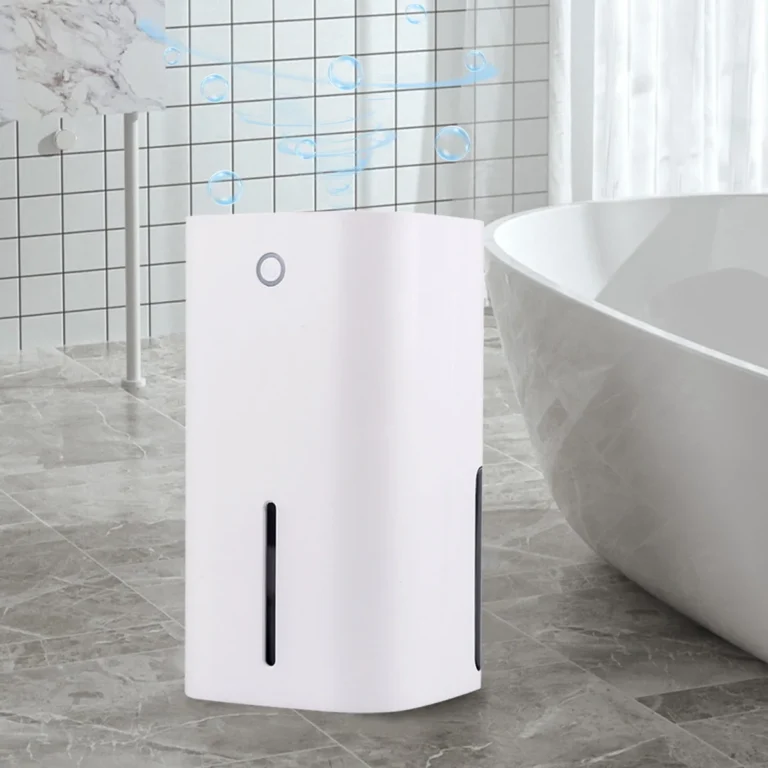
If you are shopping for a dehumidifier that works well with a generator, look for models with a lower startup draw. Some newer units have soft-start technology that reduces the inrush current. That can make a big difference when you are working with limited generator capacity.
You can find a solid selection of models designed for wet basements in our guide to the best dehumidifier for basement use.
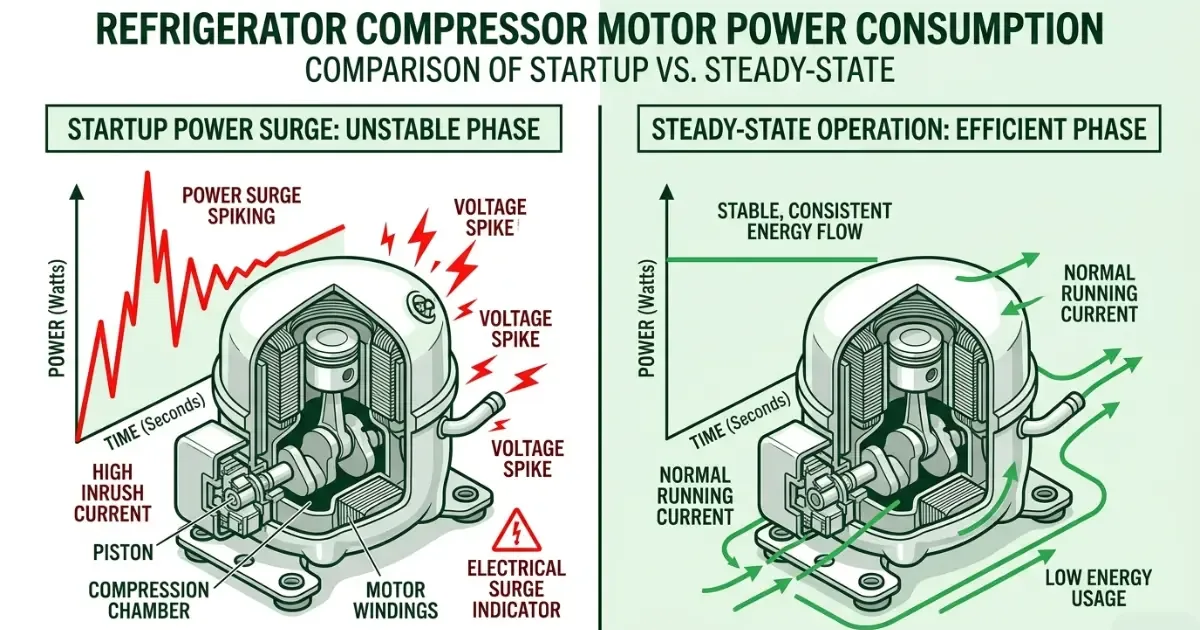
Image source: Bing (Web (fair-use with source credit))
Step-by-Step: How to Check If Your Dehumidifier and Generator Are a Match
Here is the process. Follow these steps in order.
Step 1: Find the dehumidifier nameplate. It is usually on the back or side of the unit. Look for the amps or watts rating. If you see amps, multiply by 120 volts to get watts.
For example, 6 amps times 120 volts equals 720 watts.
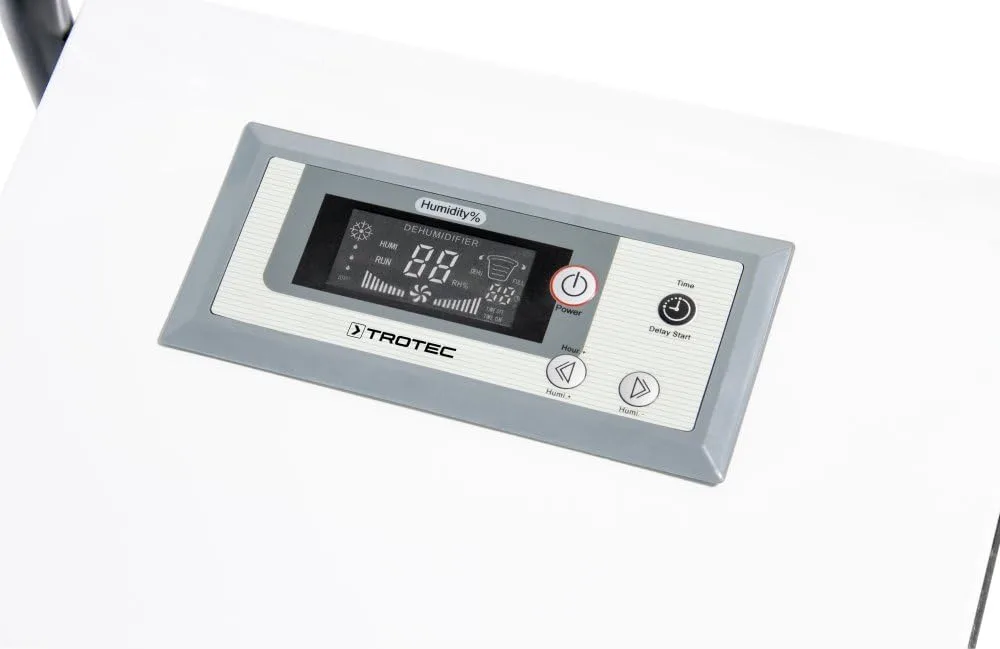
Image source: Bing (Web (fair-use with source credit))
Step 2: Check the generator's surge and running wattage. This is printed on the generator or in the manual. The surge rating is the peak number. The running rating is the continuous number.
Step 3: Compare the numbers. The generator's surge rating must be higher than the dehumidifier's startup surge. The running rating must be higher than the dehumidifier's running watts plus any other loads.
Step 4: Add up all other appliances you plan to run at the same time. A sump pump, a refrigerator, or lights all draw power. Include those in your total.
Step 5: Leave 20% headroom. Do not load the generator to 100% of its rated capacity. A generator running at full load is less efficient and more likely to trip.
If your numbers do not match, you have options. You can run a smaller dehumidifier. You can run the dehumidifier on a separate circuit.
Or you can upgrade to a larger generator.
What Can Go Wrong: Mistakes That Kill the Setup or Create a Danger
Several common mistakes can ruin your setup. Here are the ones we see most often.
Mistake 1: Ignoring the startup surge. This is the most common error. People look at the running watts and think they are fine. Then the compressor kicks in and the generator shuts down.
Mistake 2: Using an undersized extension cord. A long or thin cord creates voltage drop. The generator has to work harder. The dehumidifier may not start.
Use a 12-gauge or 10-gauge cord rated for outdoor use. Keep it as short as possible.
Mistake 3: Overloading the generator. You might want to run the dehumidifier, the refrigerator, and a few lights all at once. That is fine, but only if the total stays under the generator's rating. Add up every load before you plug anything in.
Mistake 4: Running the generator indoors. This is a deadly mistake. Generators produce carbon monoxide. The [U.S.
Consumer Product Safety Commission](https://www.cpsc.gov) warns that CO poisoning kills hundreds of people each year. Always run the generator at least 20 feet from the house. Never run it in a garage, basement, or enclosed space.
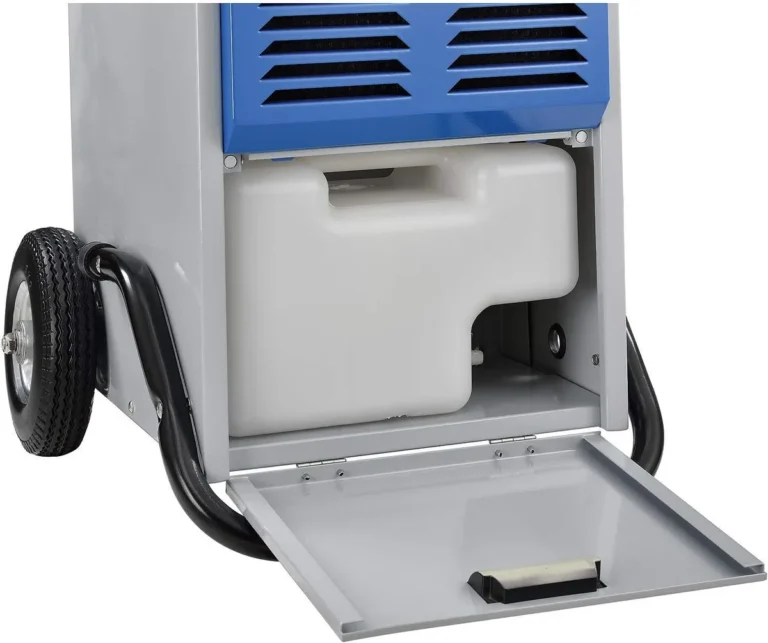
Mistake 5: Forgetting to check the bucket. A dehumidifier fills its bucket quickly. If you run it unattended on a generator, the bucket will fill and the unit will shut off. Use a continuous drain hose if your model supports it.
That way you can leave it running overnight without interruption.
Critical Safety Rules You Cannot Ignore
Running a dehumidifier on a generator comes with real risks. Safety has to come first. Here are the rules you must follow.
Never run the generator indoors. This is the most important rule. Generators produce carbon monoxide. The U.S.
Consumer Product Safety Commission reports that hundreds of people die each year from CO poisoning. Keep the generator at least 20 feet from your house. Make sure the exhaust points away from doors and windows.
Use a battery-powered CO detector inside your home.
Use the right extension cord. A cord that is too long or too thin causes voltage drop. That can stop the dehumidifier from starting. Use a 12-gauge or 10-gauge outdoor-rated cord.
Keep it as short as possible. A 50-foot cord is usually fine. A 100-foot cord might cause problems.
Never refuel a hot generator. Turn the generator off. Let it cool down completely. Then add fuel.
Spilling gasoline on a hot engine can cause a fire.
Do not plug the generator into a wall outlet. This is called backfeeding. It can electrocute utility workers and damage your home's wiring. If you want to power circuits in your house, hire a licensed electrician to install a transfer switch or interlock kit.
Keep the generator dry. Rain or standing water can cause electrical shock. Run the generator on a dry surface. Use a generator tent or canopy if needed.
Never touch the generator with wet hands.
Frequently Asked Questions
How do I find the wattage of my dehumidifier?
Look at the nameplate on the back or side of the unit. It lists the amps or watts. If you see amps, multiply by 120 volts.
For example, 5 amps times 120 volts equals 600 watts. That is the running wattage. The startup surge is about two to three times that number.
Can I run a dehumidifier and a refrigerator on the same generator?
Yes, if the generator has enough capacity. A refrigerator uses 600 to 800 running watts. A dehumidifier uses 300 to 800 running watts.
Add both to your total load. Then add 20% headroom. A 3,500-watt generator can handle both easily.
A 2,000-watt generator might struggle.
What size generator do I need for a dehumidifier?
A 2,000-watt generator can run most small to medium dehumidifiers. A 3,500-watt generator gives you room for other appliances. Check the surge rating of your generator against the startup surge of your dehumidifier.
That is the number that matters most.
Can I use an inverter generator with a dehumidifier?
Yes. Inverter generators produce clean power. That is good for sensitive electronics.
Many modern dehumidifiers have digital controls and circuit boards. An inverter generator is a safer choice for those units. It also uses less fuel at partial loads.
How long can I run a dehumidifier on a generator?
It depends on the generator's fuel tank size and the load. A 5-gallon tank running at half load can last 8 to 12 hours. A smaller 2-gallon tank might only last 4 to 6 hours.
Use a continuous drain hose so the dehumidifier keeps running even if the bucket would fill. Check the fuel level regularly.
The Bottom Line: A Simple Decision Guide for Your Situation
Here is a simple way to decide if your setup will work.
If your generator's surge rating is higher than the dehumidifier's startup surge, and your running load stays under the generator's rated capacity with 20% headroom, then yes. Plug it in and run it. Use a heavy-duty extension cord.
Follow the safety rules.
If your generator's surge rating is too low, you have several options. You can run a smaller dehumidifier. You can unplug other appliances before starting the dehumidifier.
Or you can upgrade to a larger generator.
If you are buying a new dehumidifier specifically for generator use, look for one with a lower startup draw. Some models use soft-start technology. That makes a big difference.
You can explore models that work well in basements through our list of the best dehumidifiers on the market.
If safety is a concern and it should be, never skip the CO detector. Never run the generator indoors. Never overload the circuit.
In the end, the question of whether you can run a dehumidifier on a generator comes down to your specific equipment and your attention to detail. Check the numbers. Plan the loads.
Respect the risks. Do those three things and your setup will work.