How Long Does It Take to Dry a Crawl Space
You have water in your crawl space, and you need a straight answer on how long does it take to dry a crawl space. The truth is there is no single number. Drying time can range from three days to several weeks depending on a handful of critical factors.
Manufacturer specifications and IICRC S500 restoration standards indicate that proper drying requires active equipment, not just open vents. The Institute of Inspection, Cleaning and Restoration Certification sets the benchmark for professional water damage restoration. Let us walk through what actually decides your timeline.
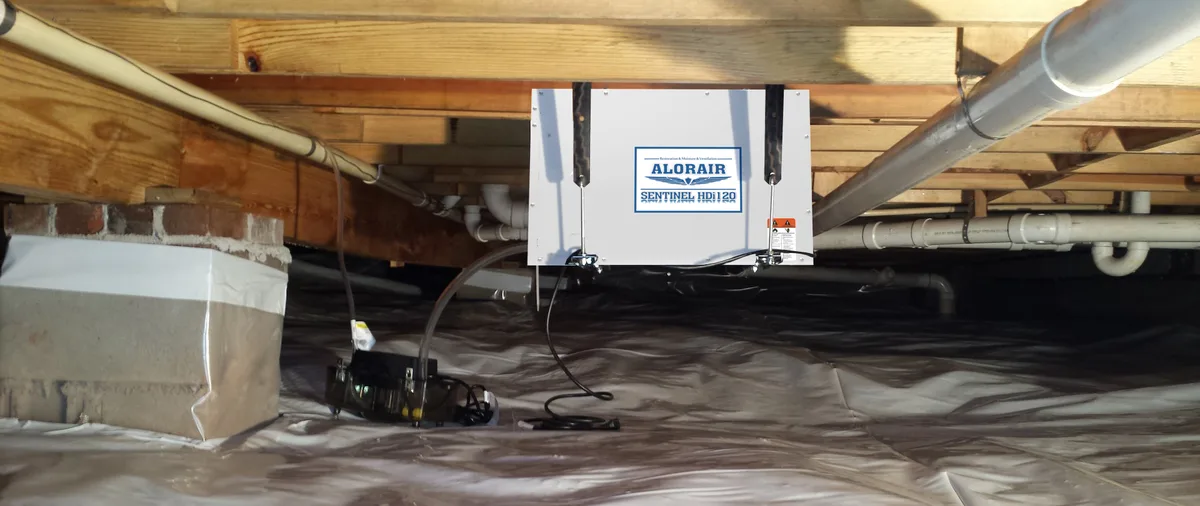
Image source: Bing (Web (fair-use with source credit))
Quick Answer
A crawl space typically dries in 3 to 7 days. Heavier flooding or saturated soil pushes that to 2 to 4 weeks. Standing water must be removed first.
Active drying with air movers and dehumidifiers is essential. Target wood moisture content below 16%. Relative humidity should reach 40 to 50%.
The 4 Variables That Decide Your Drying Time
Image source: Bing (Web (fair-use with source credit))
Every crawl space is different. These four factors control how fast yours will dry.
1. How Much Water Is There?
A small pipe leak is very different from a flood. If you have standing water more than an inch deep, you need to pump it out first. That step alone can take a day.
Saturated soil underneath will keep releasing moisture for days afterward. Clay soil holds water much longer than sand or gravel.
2. Temperature in the Crawl Space
Warm air holds more moisture and speeds evaporation. Drying time roughly halves with every 10°F temperature increase, up to a point. If your crawl space sits at 50°F, expect much slower drying than one at 70°F.
Portable heaters can help, but never use gas-powered equipment in an enclosed space. Carbon monoxide is a real danger.
3. Airflow and Ventilation
Stagnant air will not dry anything. You need high-velocity air movers creating cross flow across wet surfaces. The general rule is 1 to 2 air changes per hour for the crawl space volume.
If the space is sealed, you also need a dehumidifier to pull moisture out of the air. Vents alone rarely cut it, especially in humid climates.
4. Type of Materials in the Crawl Space
Dirt floors take longer than concrete. Wood joists and subflooring absorb water quickly but release it slowly. Insulation, especially fiberglass batts, acts like a sponge.
You may need to remove and replace soaked insulation. Vapor barriers that are torn or missing let ground moisture wick up into the space.
The Step-by-Step Process: Drying a Crawl Space the Right Way
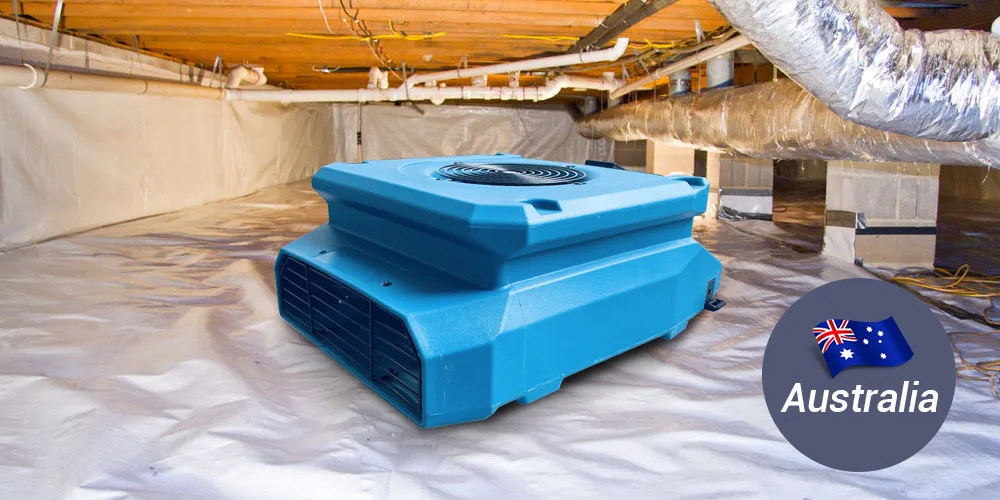
Image source: Bing (Web (fair-use with source credit))
Step 1: Remove Standing Water
Use a sump pump or a wet/dry shop vacuum to get rid of any pooled water. This is step one. Nothing else works until the standing water is gone.
For deep water, a submersible pump is the right tool.
Step 2: Remove Debris and Wet Insulation
Pull out mud, leaves, and any soaked insulation batts. Fiberglass that has been wet for more than 24 hours should be discarded. It will not dry properly and will trap moisture against the wood.
Step 3: Set Up Air Movers
Position high-velocity fans to create a continuous airflow pattern. Point them across the wettest surfaces. Direct the flow so it pushes moist air toward the exit or toward the dehumidifier intake.
Avoid aiming fans directly at the soil if it is already dry on top, as that can kick up dust and redistribute moisture.
Step 4: Run a Dehumidifier
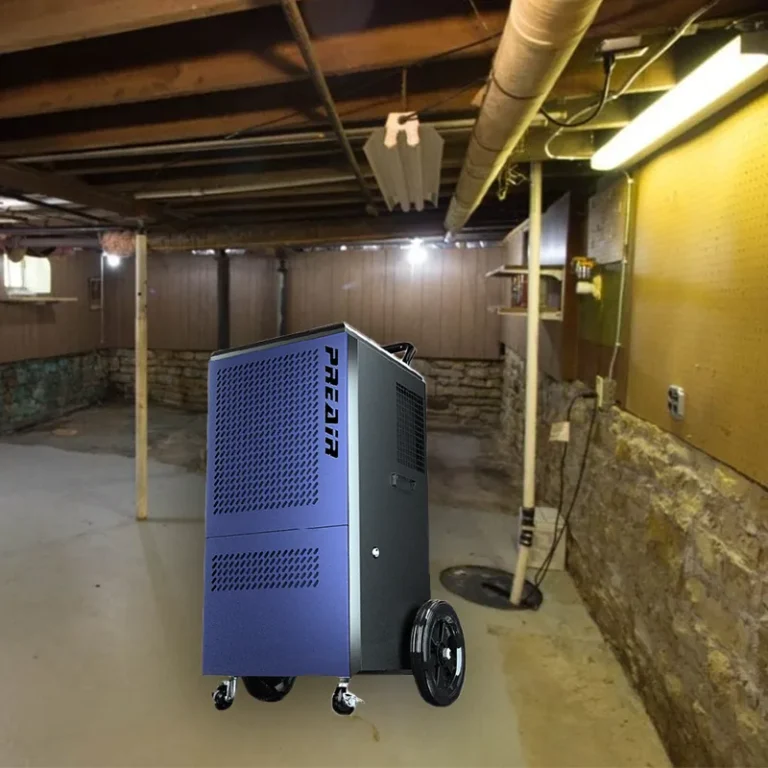
Place a dehumidifier in the center of the crawl space or near the wettest area. Use a model rated for the square footage of your space. For a typical crawl space, a 50-pint or 70-pint unit is common.
For deeper moisture issues, a higher-capacity unit will save you days of run time. Run the drainage hose to the outside or into a sump pit. Do not rely on the collection bucket.
You will be emptying it constantly.
Step 5: Monitor Moisture Levels
You cannot guess if a crawl space is dry. Use a moisture meter to check wood surfaces. A pin-type meter gives you a direct reading.
Target wood moisture content below 16% to prevent rot. Below 12% is ideal.
Check relative humidity with a hygrometer. Aim for 40 to 50%. If it stays above 60%, keep the equipment running.
Check the soil surface under the vapor barrier. If the ground feels damp, moisture is still wicking up.
DIY vs. Professional Drying: Which Route Should You Take?
This depends on the scale of the problem and your comfort level with equipment.
DIY is a good fit when:
- Standing water is less than an inch deep
- The affected area is under 500 square feet
- You can rent or already own a dehumidifier and a couple of air movers
- The water source is fixed (no ongoing leak)
- You have time to monitor moisture levels daily
Call a professional when:
- Standing water is more than two inches deep
- The crawl space has limited access or is very small
- You find mold growth already visible
- The water came from sewage or floodwater
- You have tried drying for a week with no progress
Professional services use industrial-grade equipment and moisture mapping tools. They also carry insurance. If the job goes wrong, you have recourse.
A mistake in a DIY drying job can lead to mold and structural damage that costs thousands to fix.
6 Mistakes That Will Add Days to Your Drying Timeline
1. Relying on natural ventilation only. Opening vents and hoping the wind does the work is the most common error. Outdoor air in humid climates is often above 70% relative humidity.
You are just swapping moist air for moist air. Close the vents and use mechanical drying.
2. Placing the dehumidifier in the wrong spot. Setting it near the access hatch might be convenient, but it is not effective. Place the dehumidifier in the wettest area or at the center of the space.
Make sure the drainage hose runs downhill with no kinks.
3. Forgetting to check the vapor barrier. A damaged or missing vapor barrier lets ground moisture wick up into the air. Even after you remove standing water, the soil keeps releasing moisture.
If the barrier is torn, replace it. If there is no barrier, install one.
4. Using too small a dehumidifier. A 20-pint unit meant for a bedroom will not keep up with a crawl space. Manufacturers recommend matching the pint capacity to the square footage.
For most crawl spaces, a 50-pint or 70-pint unit is the minimum.
5. Stopping drying at the wrong time. The surface feels dry, so you pack up the equipment. That is a costly error.
Wood can feel dry on the surface while the core is still wet. Check with a moisture meter. Keep running equipment until the wood reads below 16%.
6. Ignoring the outside source. Drying the crawl space is pointless if water keeps coming in. Check gutters, downspouts, and grading around the foundation.
Make sure the ground slopes away from the house. Fix the source first, then dry.
When to Stop and Call a Professional: Safety Warnings
Some crawl space situations are not safe for DIY work. If you encounter any of these, stop and call a licensed restoration contractor.
Standing water with sewage or flood contamination. Do not enter a crawl space flooded with sewage, river water, or storm runoff. These waters contain bacteria, viruses, and chemicals. Professional crews have protective gear, disinfectants, and proper disposal procedures.
Visible mold covering more than a few square feet. Disturbing mold releases spores into the air. The EPA recommends professional remediation for areas larger than 10 square feet. If you have asthma, allergies, or a compromised immune system, do not risk it.
Electrical hazards. If water has reached electrical outlets, wiring, or appliances, do not enter. Call a licensed electrician first. The crawl space may have live wires submerged in water.
Gas leaks. If you smell natural gas or propane, leave immediately. Do not operate any electrical equipment. Do not create sparks.
Call your gas company from outside.
Structural damage. If the water caused foundation cracks, sagging joists, or collapsed insulation, the space may be unsafe. A structural engineer or restoration contractor should inspect it first.
Confined space risks. A crawl space with less than 18 inches of clearance is a confined space. Carbon monoxide from gas-powered equipment can build up quickly. Oxygen levels can drop.
Professionals have air monitors and safety harnesses.
When DIY has failed. You ran equipment for a full week. The wood moisture content is still above 16%. Something is wrong.
A professional can find the hidden moisture source using thermal imaging or moisture mapping.
Crawl Space Drying FAQs
How long does it take to dry a crawl space after a flood?
Three to seven days with active drying equipment. If the soil is heavily saturated, expect two to four weeks. The key is removing standing water immediately and running air movers and dehumidifiers continuously.
Can I dry a crawl space with just a fan?
A single fan is not enough. You need cross flow from multiple air movers and a dehumidifier to pull moisture out of the air. Fans alone will just circulate humid air.
How do I know if my crawl space is dry enough?
Use a moisture meter on wood surfaces. Target wood moisture content below 16%. Use a hygrometer for relative humidity.
Aim for 40 to 50%. If either reading is above those levels, keep drying.
Should I open crawl space vents to dry it out?
No. In humid weather, open vents let moist air in. Close all vents while actively drying.
After the crawl space is dry, check your local building code for ventilation requirements. Many modern codes now allow sealed crawl spaces.
Does a dehumidifier help dry a crawl space?
Yes, absolutely. A dehumidifier is essential for removing moisture from the air. Without one, the air stays saturated and evaporation slows down.
For crawl spaces, choose a model rated for the square footage of your space. If you are buying a unit for this purpose, a reliable whole-year dehumidifier is a solid investment.
How much does it cost to dry a crawl space professionally?
Professional drying typically costs $500 to $2,000 depending on the size of the space and the severity of the water damage. DIY equipment rental runs $30 to $100 per day plus the cost of a dehumidifier.
When should I replace insulation after a flood?
Replace any fiberglass insulation that has been wet for more than 24 hours. It will not dry properly and will trap moisture against the wood. Spray foam insulation can often be dried and saved, but it should be inspected by a professional.