What Humidity Level Is Best for a Crawl Space
If you've noticed a musty smell drifting up from your crawl space, you're already dealing with the fallout of humidity that's too high. The question of what humidity level is best for a crawl space depends heavily on whether yours is vented or sealed. Most homeowners don't realize the answer changes based on their specific setup.
The EPA recommends keeping indoor relative humidity between 30% and 50% to prevent mold growth. The International Residential Code Section 408 outlines crawl space ventilation requirements, but modern building science often recommends sealing instead. Your crawl space type determines which target is right for you.
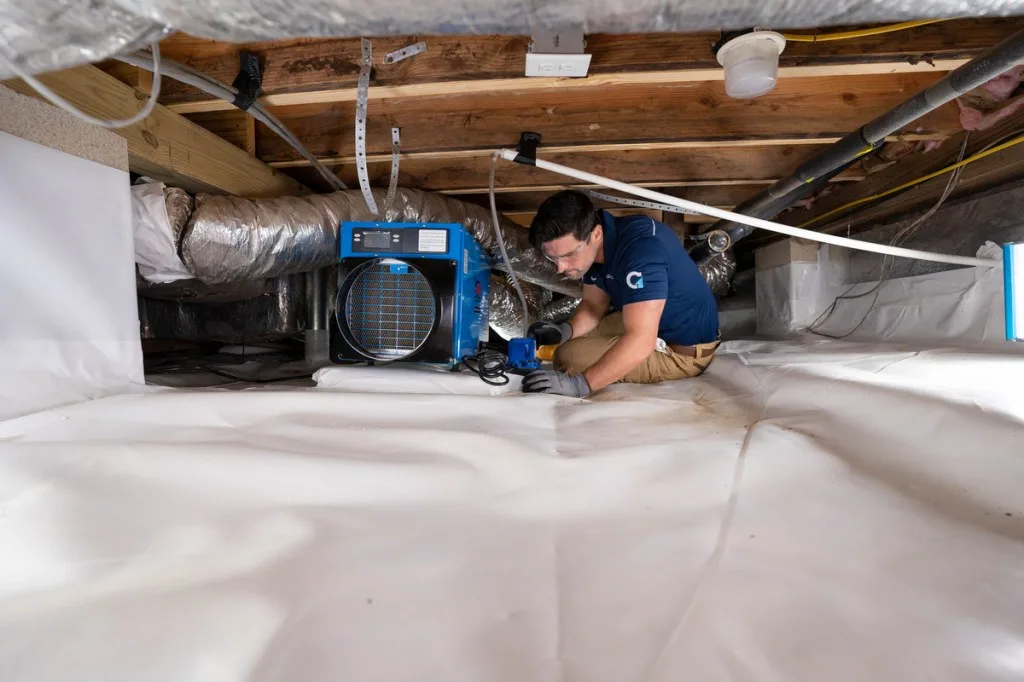
Image source: Bing (Web (fair-use with source credit))
Quick Answer
The best humidity level for a crawl space is 30% to 50% relative humidity for an encapsulated space. For vented crawl spaces, aim to keep it below 60% during humid months. Anything above 60% RH invites mold, rot, and pest problems.
Measure with a digital hygrometer at multiple points.
The Problem: Why Your Crawl Space Humidity Matters
Your crawl space sits directly on the ground. Moisture naturally rises from the soil, and if it has nowhere to go, it gets trapped. That trapped moisture pushes the relative humidity above 60%, and that is when problems start.
Wood rot is the most obvious issue. Crawl space joists and subflooring can decay within months when the wood moisture content stays above 12%. Mold and mildew follow quickly.
You will notice the musty smell first, then visible colonies on the insulation or framing.
There is also a hidden cost. High crawl space humidity raises your energy bills. Damp air is harder to heat and cool, and it makes your HVAC system work harder.
If your ductwork runs through the crawl space, you are pulling humid air directly into your living spaces.
Pests love damp crawl spaces. Termites, carpenter ants, and rodents are all drawn to moist wood. Once they establish a nest, you are looking at extermination costs on top of repair bills.
A dry crawl space removes that attraction entirely.
The EPA warns that prolonged exposure to high humidity can lead to structural damage and health issues from mold spores. Ignoring the problem only makes it more expensive to fix later. A lot of homeowners find they need a unit that runs continuously to keep conditions stable.
The Decision Tree: Finding Your Target Humidity Based on Crawl Space Type
The target humidity level depends on one key factor: whether your crawl space is vented or sealed. Here is how to find your answer.
If You Have a Vented Crawl Space
Vented crawl spaces rely on passive airflow through foundation vents. The problem is that in humid climates, those vents pull in moist outdoor air. Your target is below 60% RH.
If you cannot keep it there with vents alone, close the vents in summer and add a dehumidifier.
If You Have a Sealed Crawl Space
Encapsulated spaces have a vapor barrier covering the floor and walls. All vents are sealed. Your target is 30% to 50% RH.
This range prevents mold growth and keeps the wood dry. You will almost certainly need a properly sized dehumidifier to maintain this level.
If You Are in a Humid Climate
The Southeast, Gulf Coast, and Pacific Northwest have high outdoor humidity. Vented crawl spaces struggle in these regions. Most experts recommend encapsulation.
If you keep a vented space, you need active ventilation with fans or a dehumidifier.
If You Are in a Dry Climate
Dry climates have lower outdoor humidity. A vented crawl space can work well here. Close the vents in winter to prevent frozen pipes.
Target below 60% RH and monitor during rainy seasons.
Step-by-Step: How to Measure Crawl Space Humidity Correctly
Measuring crawl space humidity is straightforward, but you need to do it right. Here is the process.
What You Need
A digital hygrometer is the best tool for measuring relative humidity. Avoid cheap analog models that drift over time. A moisture meter for wood is also helpful for checking joists and beams.
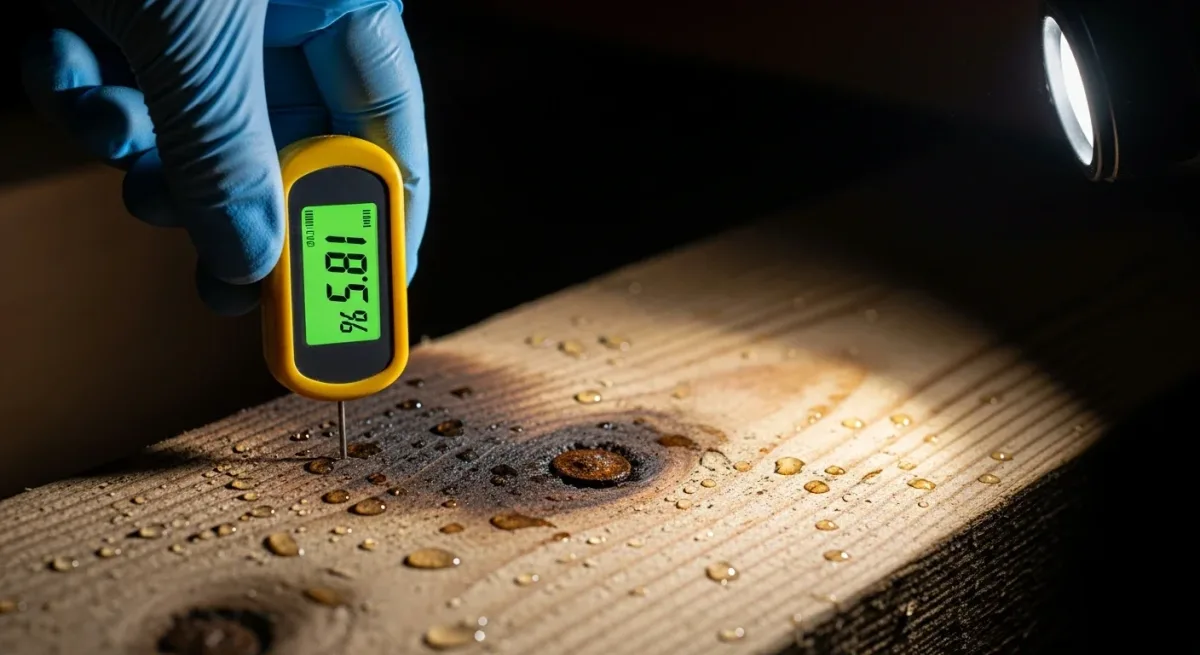
Image source: Bing (Web (fair-use with source credit))
Where to Place the Hygrometer
Place the hygrometer in the center of the crawl space, about 12 inches above the ground. Do not put it near vents or doors where airflow will give a false reading. Check at multiple spots if your crawl space is large.
When to Measure
Measure during the hottest part of the day in summer. That is when humidity peaks. Also measure after rain to see if your drainage is working.
Take readings over several days to get an accurate picture.
How to Interpret the Results
If the reading is above 60% for a vented space or above 50% for an encapsulated space, you need action. Add a dehumidifier, improve drainage, or seal the space. If the reading is below 30%, the air is too dry, which can cause wood to crack.
Common Mistakes That Keep Humidity High
Even with the right equipment, a few common mistakes can keep your crawl space humid. Here is what to watch for.
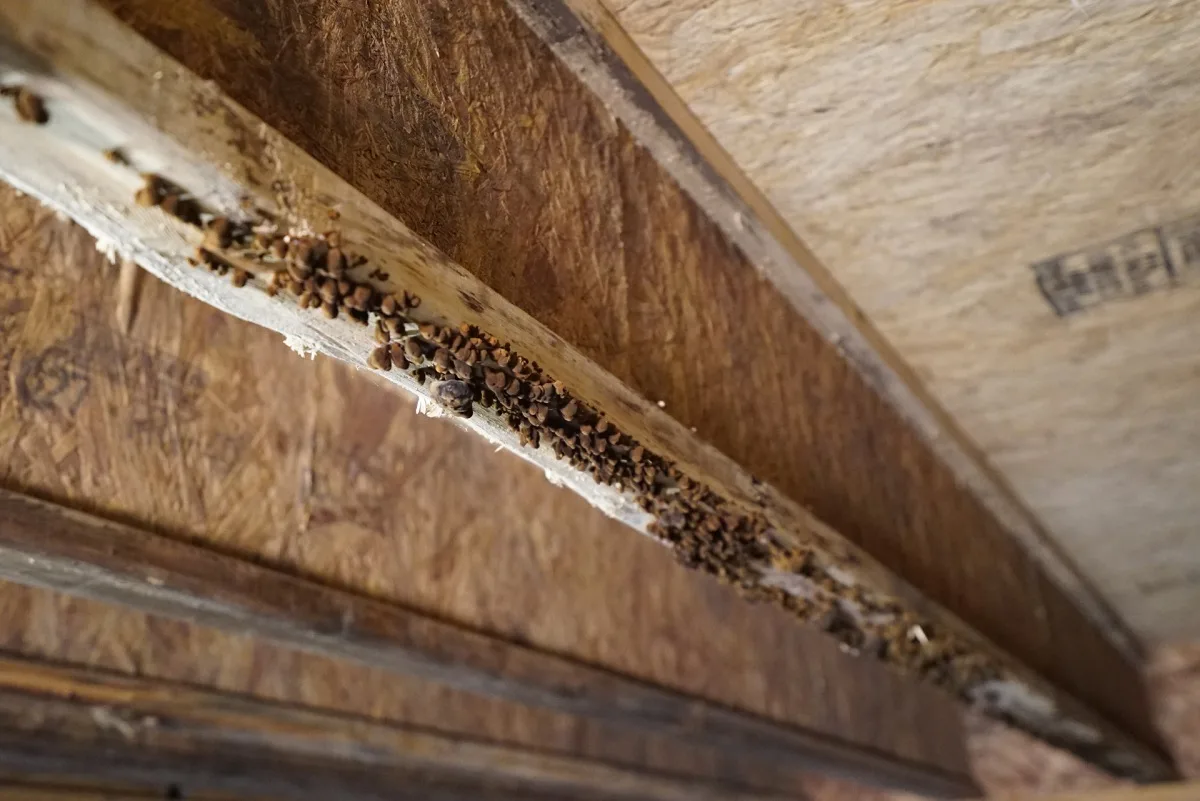
Image source: Bing (Web (fair-use with source credit))
Leaving Vents Open in Summer
In humid climates, open foundation vents pull in moist outdoor air. This makes your dehumidifier work harder. Close the vents in summer and open them in winter if you have a vented space.
Using an Undersized Dehumidifier
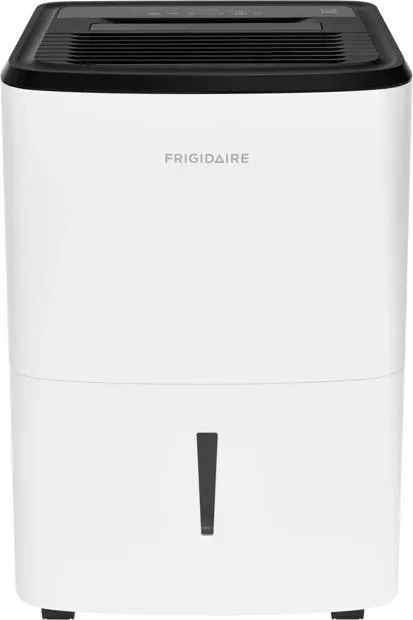
A dehumidifier that is too small will not keep up. You need a unit rated for your crawl space square footage. For most spaces, that means a 50-pint model or a 70-pint model.
Ignoring the Vapor Barrier
If your crawl space has a dirt floor, you need a vapor barrier. Without it, moisture from the soil evaporates directly into the air. A 6-mil polyethylene sheet is the minimum.
Go with 10-mil or 20-mil for better durability.
Not Sealing Gaps and Cracks
Air leaks around pipes, wires, and the foundation wall let outside moisture in. Seal these gaps with spray foam or caulk. Every crack matters.
Forgetting to Check Drainage
If water pools around your foundation, no dehumidifier can keep up. Keep gutters clean and downspouts direct water away from the house. Grade the soil so it slopes away from the foundation.
Real Scenarios: What Worked for Others
Real crawl spaces behave differently than the textbook says. Here are three scenarios that show how the decision tree plays out.
Sealed Space in the Southeast
A homeowner in Georgia had a fully encapsulated crawl space with a 70-pint dehumidifier. The humidity stayed at 55% no matter what. The unit was running constantly.
The problem was a torn vapor barrier near the foundation wall. Moisture was seeping in through the gap.
The fix was simple. They patched the vapor barrier with seam tape and sealed the tear. Humidity dropped to 45% within a week.
The dehumidifier now runs half as often. This is a common issue with older encapsulations.
Vented Space in the Pacific Northwest
Another homeowner in Oregon had a vented crawl space with humidity hitting 70% in summer. They tried closing the vents and adding a 50-pint dehumidifier. The humidity dropped to 55% but would spike after rain.
They needed an active drainage system outside.
The lesson here is that a dehumidifier cannot fix a wet foundation. They redirected the downspouts and regraded the soil. The humidity stabilized at 50%.
They now run a smaller unit to maintain it.
Undersized Unit in the Midwest
A homeowner in Ohio had a 30-pint dehumidifier in a 1,500-square-foot crawl space. The unit ran 24/7 and never got below 65%. They upgraded to a 70-pint model and hit 45% in three days.
The smaller unit was simply overwhelmed.
The takeaway is clear. Size your dehumidifier for the space. A 30-pint unit works for a small basement.
A crawl space usually needs a bigger unit that can handle continuous operation.
Frequently Asked Questions
What humidity level is too high for a crawl space?
Any reading above 60% relative humidity is too high. At that point, mold can start growing within 24 to 48 hours. Wood rot becomes a risk once the wood moisture content exceeds 12%.
Keep your crawl space below 60% RH at all times.
Should I close my crawl space vents in summer?
Yes, if you live in a humid climate. Open vents pull in moist outdoor air. That makes your dehumidifier work harder.
Close the vents in summer and open them in winter when the air is drier. This is standard advice from building science research.
How do I know if my crawl space humidity is too high?
The easiest sign is a musty smell in your home. You might also see condensation on HVAC ducts or pipes. Visible mold on insulation or framing is a clear indicator.
A digital hygrometer gives you the exact number. Check it regularly during humid months.
Does a dehumidifier in the crawl space really help?
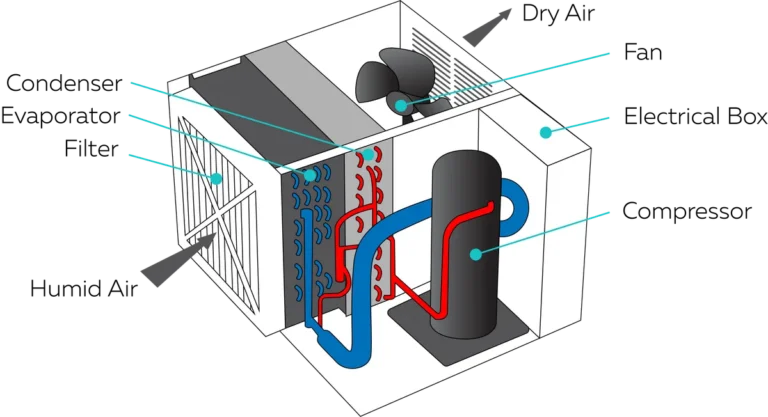
Yes, a properly sized dehumidifier is the most effective way to control humidity. It removes moisture from the air before it can cause damage. The key is getting the right size for your space.
An undersized unit will run constantly and never catch up.
How long does it take to lower crawl space humidity?
A correctly sized dehumidifier can lower humidity by 10 to 15 percentage points in the first 24 hours. Full stabilization usually takes three to seven days. The exact time depends on the starting humidity, the space size, and how well sealed the crawl space is.
Final Decision Guide: Your 3-Step Action Plan
Here is the simple plan to get your crawl space humidity under control. Follow these steps in order.
Step One: Determine Your Crawl Space Type
Is your crawl space vented or sealed? Check the foundation walls for vents. Open vents mean you have a vented space.
No vents and a plastic vapor barrier mean it is sealed. Your target humidity depends on this answer.
Step Two: Measure and Monitor
Place a digital hygrometer in the center of the crawl space. Take readings at the hottest part of the day. Record the numbers over a week.
If the average is above 60% for a vented space or above 50% for a sealed space, you need action.
Step Three: Choose the Right Solution
If you have a vented space, close the vents in summer. Add a dehumidifier sized for your square footage. If you have a sealed space, check the vapor barrier for tears.
Seal any gaps. Then add a dehumidifier to maintain 30% to 50% RH.
For most crawl spaces, a 50-pint or 70-pint dehumidifier is the right choice. A unit that runs continuously during humid months will keep the space dry. Proper drainage outside the foundation is just as important as the equipment inside.
The EPA recommends keeping relative humidity below 60% to prevent mold growth. The University of Florida IFAS extension confirms that encapsulation with a dehumidifier is the most effective strategy for humid climates. Follow these guidelines and your crawl space will stay dry, healthy, and problem-free.