What Humidity Should a Bedroom Be
If you've ever woken up with a dry throat, stuffy nose, or scratchy eyes, your bedroom humidity might be the culprit. So what humidity should a bedroom be? The answer is simpler than you might think.
Research consistently shows that the ideal relative humidity for a bedroom falls between 40 and 60 percent. This range is backed by organizations like the EPA and ASHRAE, which set indoor air quality standards. Getting it right matters more than you'd expect.
Let's break down why.
The Quick Answer: Why 40–60% Relative Humidity Is the Bedroom Sweet Spot
Keep your bedroom humidity between 40 and 60 percent. That is the sweet spot for health and comfort. Below 40 percent, the air gets too dry.
Above 60 percent, mold and dust mites thrive. A simple hygrometer tells you exactly where you stand.
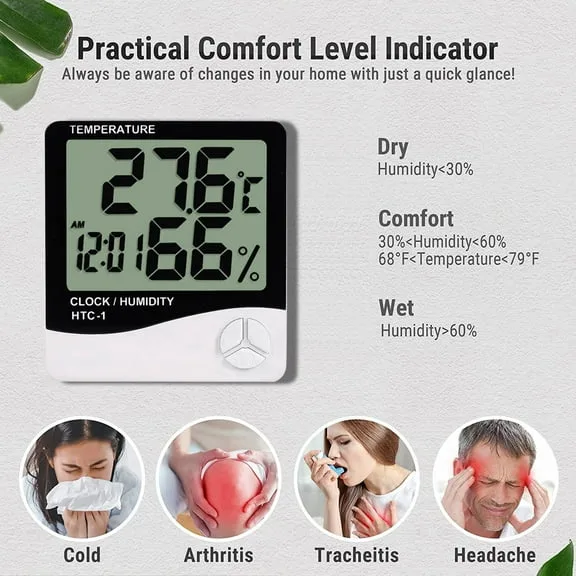
Image source: Bing (Web (fair-use with source credit))
This range is not arbitrary. It comes from decades of indoor air quality research. As of 2026, the EPA and ASHRAE still land on this same zone for living spaces.
The EPA recommends keeping indoor relative humidity between 30 and 50 percent, but experts often stretch that to 60 percent for bedrooms.
Why the slight difference? Bedrooms are where we spend eight hours breathing deeply. The air quality there directly affects sleep, skin, and respiratory health.
At 40 to 60 percent, your body's natural defenses work best. Your nasal passages stay moist enough to trap airborne particles. Your skin does not dry out.
Harmful microorganisms struggle to multiply. It is a biological sweet spot.
What is relative humidity anyway?
Relative humidity measures how much moisture the air holds compared to what it could hold at that temperature. Warm air holds more moisture than cold air. A bedroom at 68 degrees and 50 percent humidity feels very different from one at 78 degrees and 50 percent.
That is why the same room can feel clammy in summer and bone-dry in winter.
The key takeaway? Do not guess. Measure it.
A $10 hygrometer removes all the guesswork.
What Goes Wrong at the Extremes: Health Risks of Dry Air, Mold, and Dust Mites
When humidity drops below 40 percent, the air literally pulls moisture from your body. Your nasal passages dry out. Your throat gets scratchy.
You might wake up with a nosebleed or chapped lips. This is not just discomfort. Dry air makes it easier for viruses like the flu to survive and spread.
The low humidity side effects
- Dry, itchy skin and cracked lips
- Nosebleeds and sinus irritation
- Worsened asthma and allergy symptoms
- Static electricity that shocks you and damages electronics
- Cracked wood furniture and flooring
Below 30 percent, these problems accelerate. Your eyes may feel gritty. Your throat might hurt every morning.
Your sleep quality drops because your body works harder to keep your airways moist.
The high humidity side effects
Above 60 percent, you invite a different set of problems. Mold and mildew thrive in damp air. Dust mites multiply rapidly.
Both are common asthma and allergy triggers.
- Musty smell that lingers in bedding and carpets
- Condensation on windows, which is a clear warning sign
- Mold growth on walls, ceilings, and behind furniture
- Increased dust mite populations
- Stuffy, clammy feeling that makes it hard to breathe
The real danger is that high humidity often goes unnoticed. You might not smell mold until it is well established. By then, you are breathing in spores every night.
The CDC warns that mold exposure can cause respiratory issues, especially for children, the elderly, and people with asthma.
The dust mite connection
Dust mites are microscopic bugs that live in bedding, mattresses, and carpets. They do not bite, but their waste particles are a major allergen. Dust mites need humidity above 50 percent to survive.
Below 45 percent, they dry out and die. Keeping your bedroom humidity in the 40 to 50 percent range naturally reduces dust mite populations without chemicals.
How to Measure and Adjust Bedroom Humidity: Hygrometers, Humidifiers, and Dehumidifiers
You cannot fix what you do not measure. The first step is getting a reliable hygrometer. Digital models cost between $10 and $30 and display your current relative humidity instantly.
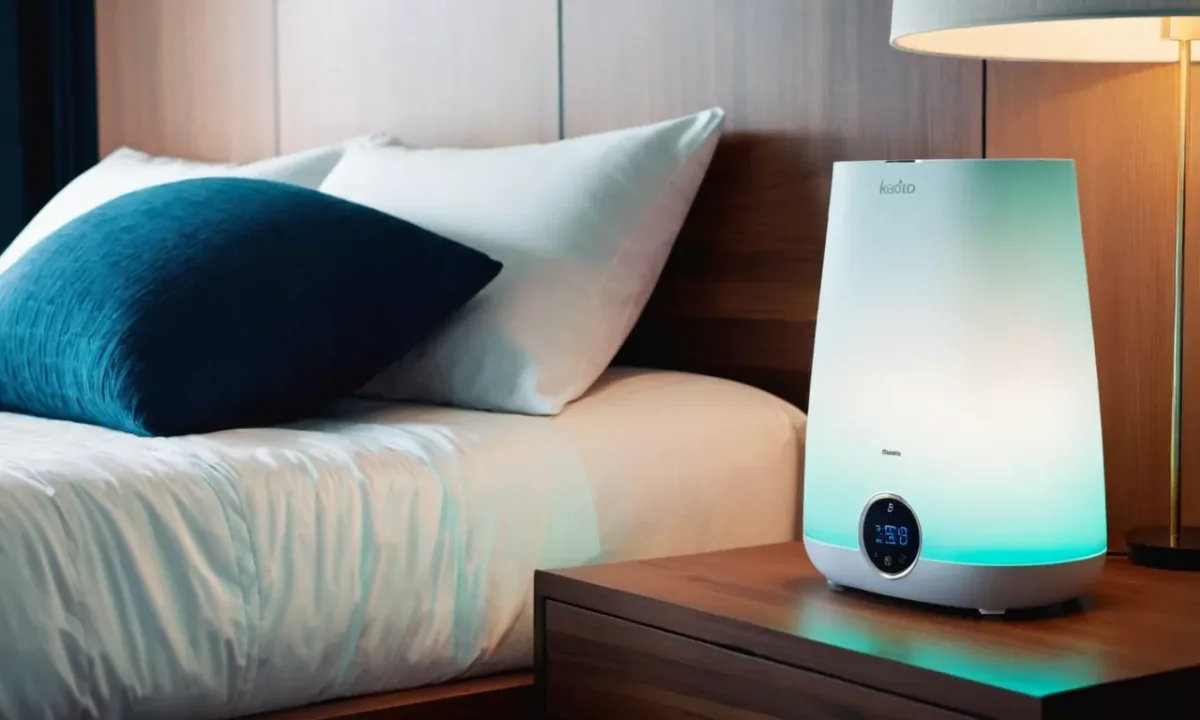
Image source: Bing (Web (fair-use with source credit))
How to get an accurate reading
Place the hygrometer at head height near your bed. Do not put it on a windowsill, near a vent, or in direct sunlight. Those locations give false readings.
Let it sit for 10 to 15 minutes before checking. Take readings at different times of day and under different weather conditions. A single reading is a snapshot.
A week of readings is a pattern.
If your bedroom is too dry
Dry air is most common in winter when heating systems strip moisture from the air. A humidifier is your best fix. For a standard bedroom, a cool mist humidifier works well.
It adds moisture without heating the air, which makes it safer and more energy-efficient.
- Set the humidifier to 45 to 50 percent as a starting point
- Place it on a flat surface away from walls
- Clean the tank weekly to prevent bacteria growth
- Use distilled water if you see white dust on furniture
If your bedroom is too humid
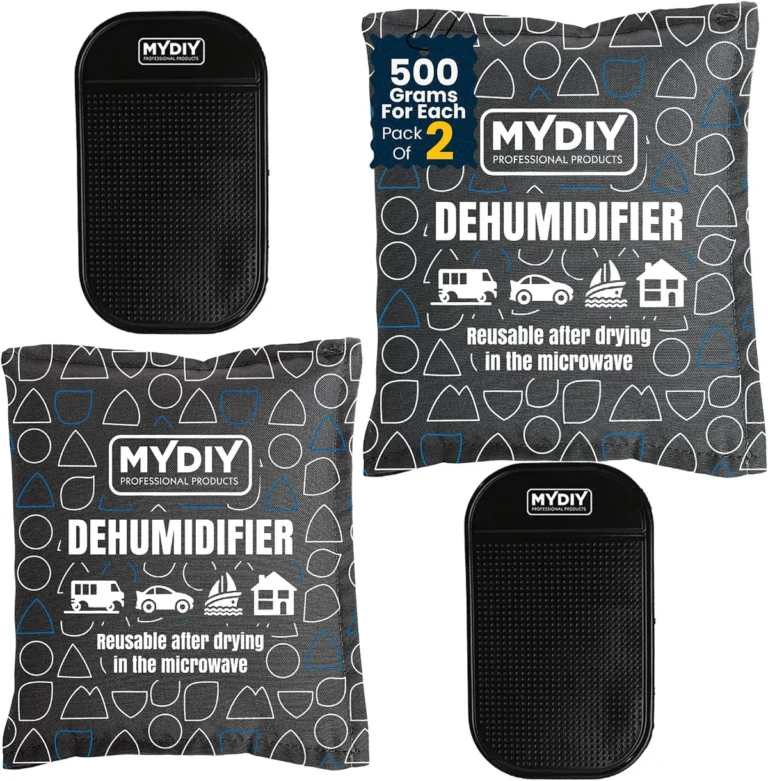
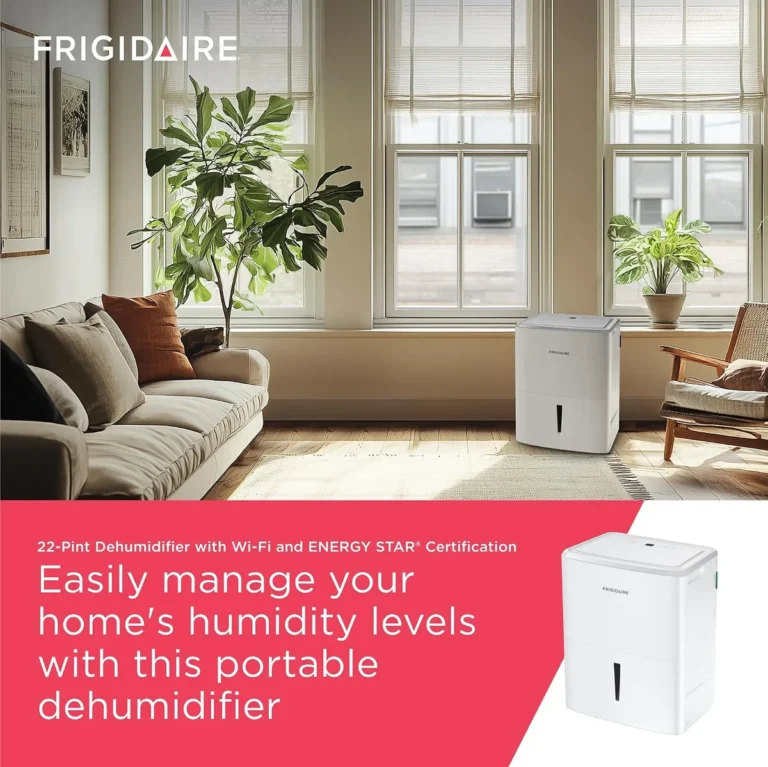
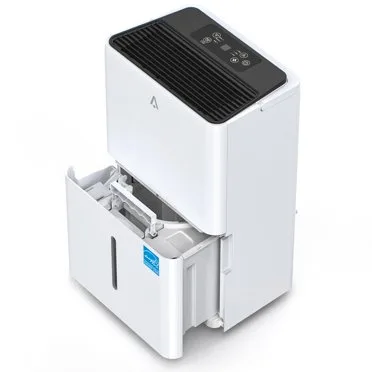
High humidity is common in summer, especially in coastal or southern climates. A dehumidifier removes excess moisture from the air. For a typical bedroom, a compact unit works well.
We've rounded up dependable models for small spaces.
- Set the dehumidifier to 45 to 50 percent
- Empty the water tank daily or use a continuous drain hose
- Keep the unit away from walls for proper airflow
- Clean the filter every two weeks
The smart sensor option
Smart thermostats and dedicated air quality monitors now include humidity sensors. Some connect to your phone and send alerts when levels drift out of range. These are not essential, but they make monitoring effortless.
You can also check the EPA's indoor air quality guidance for more detailed recommendations.
Common Humidity Mistakes That Hurt Your Sleep and Your Home
Even with the right equipment, people make the same mistakes over and over. Here are the most common ones.
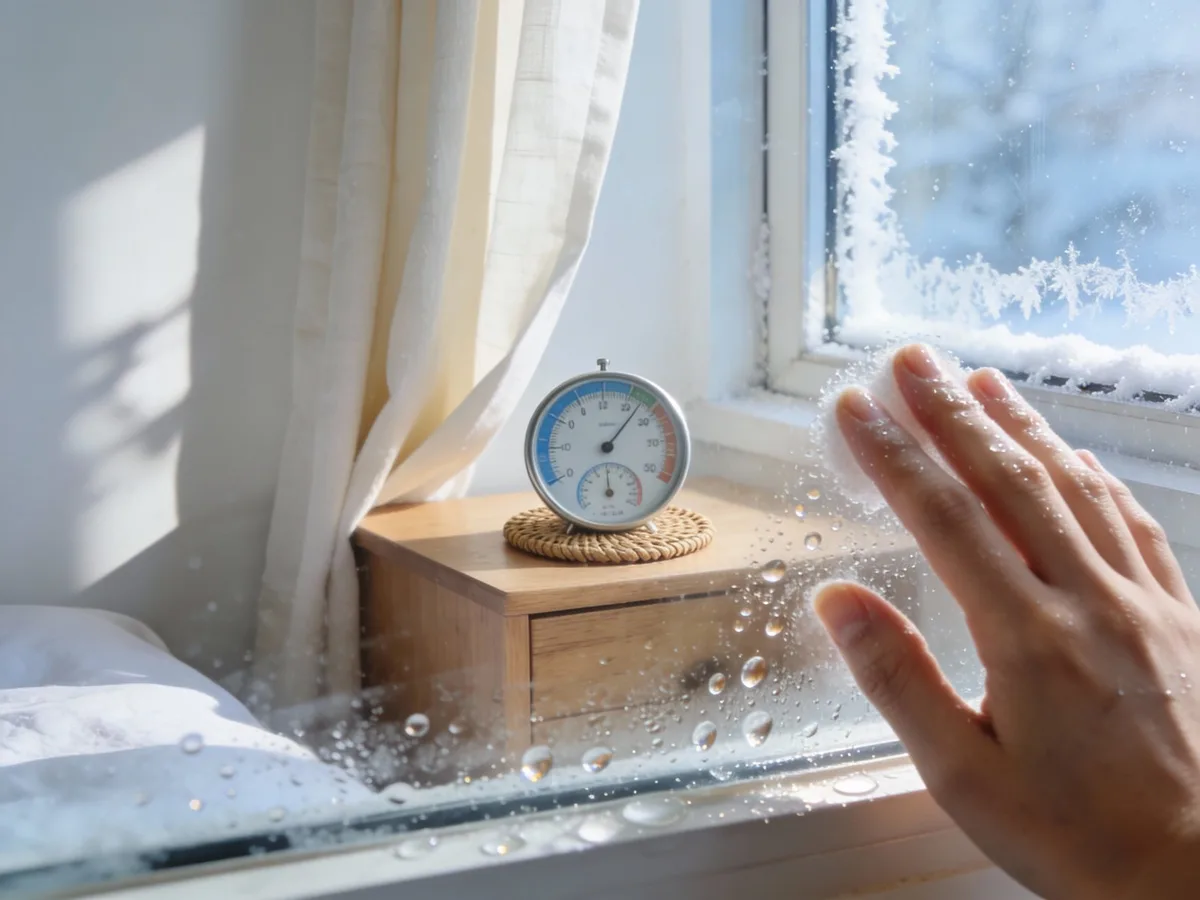
Image source: Bing (Web (fair-use with source credit))
Mistake 1: Cranking the humidifier to maximum
More is not better. Running a humidifier at full blast pushes humidity above 60 percent quickly. That leads to condensation on windows and mold growth.
Set it to a target level and let the humidistat do the work.
Mistake 2: Ignoring window condensation
If you see water droplets on your bedroom windows in the morning, your humidity is too high. This is the single most reliable warning sign. Wipe the windows dry and lower your humidifier setting or run a dehumidifier.
Persistent condensation leads to rotting window frames and mold.
Mistake 3: Placing the humidifier too close to the bed
People often put humidifiers on nightstands for convenience. This soaks the immediate area. It can damage your phone, lamp, and bedding.
It also creates a localized zone of high humidity around your head while the rest of the room stays dry. Place the unit across the room instead.
Mistake 4: Never cleaning the humidifier
A dirty humidifier becomes a bacteria farm. It blows microbes into the air you breathe all night. The EPA recommends cleaning the tank every three days and doing a deep clean with vinegar or hydrogen peroxide weekly.
If you see slime or pink residue, it is already too late.
Mistake 5: Using a dehumidifier in a room that needs a humidifier
Some people buy a dehumidifier because they hear it is "good for allergies." But if your bedroom is already dry, a dehumidifier makes things worse. Check your hygrometer first. Know your starting point before buying anything.
If you truly need one, plenty of budget-friendly options exist.
Mistake 6: Ignoring seasonal changes
Humidity is not static. Winter heating dries out the air. Summer air conditioning can also lower humidity, but outdoor humidity seeps in.
You might need a humidifier in January and a dehumidifier in July. Do not set and forget. Adjust seasonally.
Seasonal, Climate, and Health Adjustments: When to Drift From the Standard
The 40 to 60 percent range is a guideline, not a law. Your specific situation may call for adjustments.
Winter adjustments
Heating systems blast hot, dry air throughout your home. Bedroom humidity often drops below 30 percent in winter. This is when you need a humidifier most.
Target the upper end of the range, around 50 to 55 percent. This helps offset the drying effect of heating.
Summer adjustments
Summer humidity often climbs above 60 percent, especially in humid climates. Run a dehumidifier to keep levels below 55 percent. If you use air conditioning, it naturally removes some moisture.
But in many homes, AC alone is not enough. You may need a dedicated unit for the bedroom.
Climate considerations
- Dry climates (desert, high altitude): You will likely need a humidifier year-round. Target 45 to 50 percent.
- Humid climates (coastal, southern): A dehumidifier is your main tool. Keep humidity below 55 percent.
- Temperate climates: You may need both devices depending on the season. Monitor regularly.
Health-specific adjustments
| Group | Target Humidity |
|---|---|
| Infants and young children | 50–55% |
| Asthma and allergy sufferers | 40–50% |
| COPD or respiratory conditions | 45–50% |
| Dry skin or eczema | 50–55% |
| Sinus issues | 50–55% |
When to see a doctor
If you consistently wake up with breathing problems, headaches, or skin issues, humidity might be a factor. But it could also be a sign of something else. If symptoms persist after adjusting humidity, talk to your doctor.
They can rule out allergies, asthma, or other conditions.
FAQs: Your Top Bedroom Humidity Questions, Answered
What is the ideal humidity for a bedroom?
Aim for 40 to 60 percent relative humidity. This range keeps your nasal passages moist, prevents mold growth, and reduces dust mites. A simple hygrometer confirms your levels.
Staying inside this zone protects both your sleep and your home.
Can humidity affect my sleep quality?
Yes, it absolutely can. Dry air leads to snoring, a scratchy throat, and restless nights. High humidity makes you feel clammy and can trigger allergies or asthma.
The right balance helps you fall asleep faster and stay asleep longer.
How do I know if my bedroom is too humid?
Check for condensation on windows each morning. A musty smell or clammy feeling is another sign. A hygrometer reading above 60 percent confirms the problem.
Mold or mildew on walls or ceilings means you need to act quickly.
Should I use a humidifier or a dehumidifier?
It depends entirely on your current reading. If your hygrometer shows below 40 percent, use a humidifier. If it shows above 60 percent, use a dehumidifier.
For a compact bedroom unit, our research points to a few reliable options.
What happens if humidity is too low?
Dry air causes a scratchy throat, dry skin, chapped lips, and nosebleeds. Static electricity builds up. Asthma symptoms can worsen.
You may also get sick more often, since viruses survive longer in dry air. A humidifier fixes all of that.
How often should I clean my humidifier?
Clean the tank every three days. Do a deep clean with vinegar or hydrogen peroxide once a week. Pink slime or a musty smell means bacteria is growing.
A dirty humidifier blows microbes directly into your breathing air.
The Bottom Line: A Simple Bedroom Humidity Action Plan
Getting your bedroom humidity right does not have to be complicated. Follow these steps and you will sleep better, breathe easier, and protect your home.
Step 1: Buy a hygrometer
Spend $10 to $20 on a digital hygrometer. Place it at head height near your bed. Check it at different times of day.
Know your starting number before you change anything.
Step 2: Measure for a week
Do not act on a single reading. Track your humidity for several days. Note how it changes with weather, heating, and AC use.
This tells you what you actually need.
Step 3: Choose the right device
If your average is below 40 percent, get a cool mist humidifier. If it is above 60 percent, get a dehumidifier. A decent one doesn't need to be expensive.
If you need a unit that adapts to shifting seasons, look for one that handles both heating and cooling months.
Step 4: Set it and monitor
Target 45 to 50 percent as your starting point. Adjust up or down based on how you feel and what your hygrometer shows. Watch for condensation on windows.
That is your early warning system.
Step 5: Adjust seasonally
Winter heating dries the air. Summer humidity spikes. You might need a humidifier in January and a dehumidifier in July.
Your bedroom changes with the seasons, and so should your setup.
Step 6: Clean your equipment
A humidifier needs weekly cleaning. A dehumidifier needs its filter cleaned every two weeks. Neglected equipment creates more problems than it solves.
Keep it clean and it will keep you healthy.
The perfect bedroom humidity is between 40 and 60 percent. Measure it. Fix it.
Monitor it. That is the whole plan. Your throat, your skin, and your sleep will thank you.