Does a Dehumidifier Help With Mildew
Mildew on your walls, in your closet, or in that musty corner of the basement is more than an eyesore. It's a sign that your home is holding onto too much moisture. So, does a dehumidifier help with mildew?
The short answer is yes, but only if you use it correctly and understand what it can and cannot do.
Here is the key distinction you need to grasp right away. A dehumidifier prevents mildew from growing. It will not remove mildew that is already there.
Mildew needs moisture to survive. These machines strip that moisture from the air. Per EPA guidance, keeping indoor relative humidity between 30% and 50% is the target zone for preventing fungal growth.
Understanding this relationship between humidity, airflow, and surface moisture is the foundation of mildew control. Let's walk through it step by step.
Quick Answer
Yes, a dehumidifier helps with mildew. It removes excess moisture from the air. Lower humidity stops new mildew from forming.
It does not kill existing mildew. You must clean active growth first. If moisture keeps coming back, find the source.
A dehumidifier prevents, it does not cure. Run it until humidity stays under 50%.
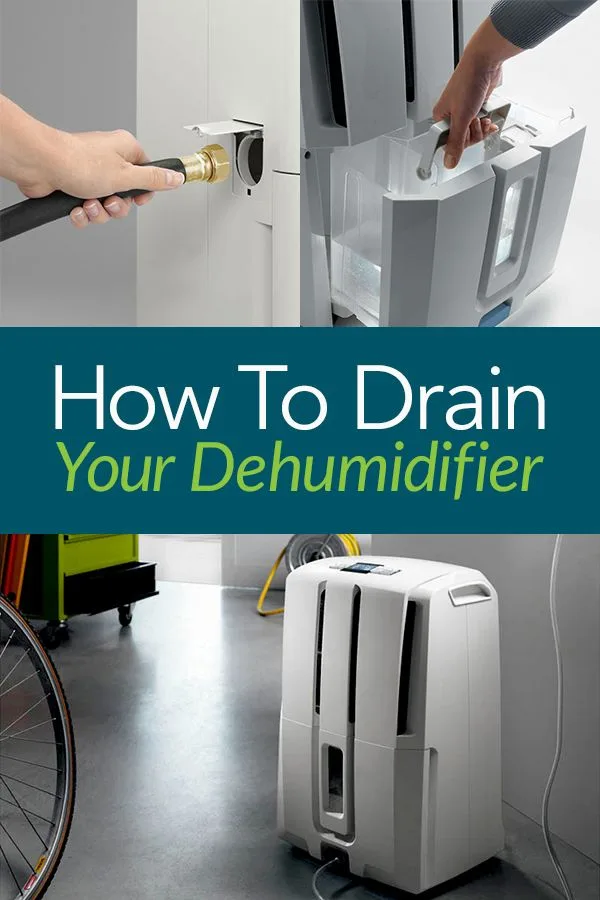
Image source: Bing (Web (fair-use with source credit))
What Actually Causes Mildew? (And Where a Dehumidifier Fits In)
Mildew is a surface fungus that thrives in damp, warm, poorly ventilated spaces. It needs three things to survive. It needs moisture.
It needs a food source like drywall, wood, or fabric. And it needs temperatures between roughly 40°F and 100°F. You cannot easily control the temperature.
You cannot remove the food source from your home's structure. That leaves moisture as the one factor you can actually manage.
Relative humidity is the metric that matters. When indoor RH sits above 60%, surfaces like walls, windows, and floors start holding microscopic layers of moisture. That is the invitation mildew wants.
Over time, those layers feed the fungus and let it spread across porous materials. Keeping RH below 50% means surfaces stay dry enough that mildew spores cannot take root and grow.
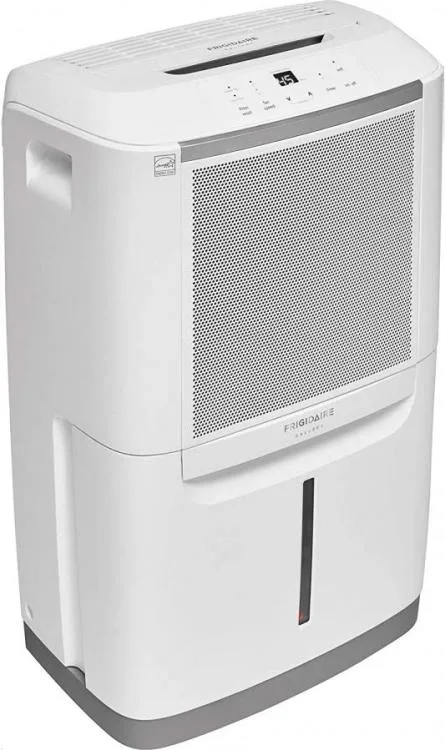
A dehumidifier pulls air in, cools it to condense water vapor, and collects that water in a tank or drains it away. Refrigerant-style units use cold coils. Desiccant models absorb moisture with a rotating wheel.
Both types drop the ambient humidity in a room. Lower humidity means drier surfaces. Drier surfaces mean mildew loses its primary fuel source.
But there is a critical limit. A dehumidifier only treats the air that passes through it. If you have a leaky pipe, groundwater seeping through a foundation, or flood damage, the incoming moisture will overwhelm the unit.
Think of it this way. A dehumidifier maintains the condition you have already created. It cannot fix a space that is actively being wet from a structural problem.
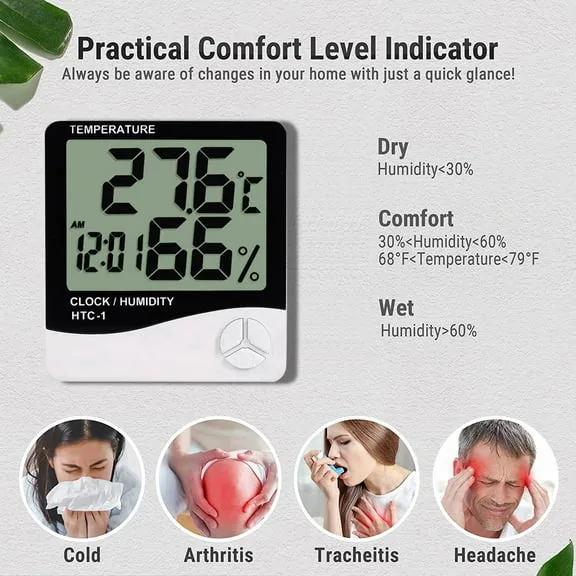
Image source: Bing (Web (fair-use with source credit))
When a Dehumidifier Won't Help (And What to Do Instead)
There are scenarios where running a dehumidifier is a waste of electricity. It can even give you false security. The most common one is a hidden or active leak.
If a pipe is dripping behind a wall or water is wicking up through a concrete slab, the dehumidifier is fighting a losing battle. You remove moisture from the air. The source keeps adding more.
The fix here is a plumber or foundation repair, not a machine.
Active leaks and structural moisture are not the only issues. Mildew that has already colonized a surface needs to be physically removed. Mildew has roots that penetrate porous materials.
A dehumidifier dries the surface. Those roots stay embedded. Once humidity rises again, the mildew regrows from those roots.
The only reliable method is to clean the affected area with a mildew-specific cleaner before you bring in any drying equipment.
Materials also dictate whether a dehumidifier can even help. Non-porous surfaces like tile and glass can be wiped clean and kept dry easily. Drywall, untreated wood, ceiling tiles, and fabric interiors soak up moisture and hold it deep inside.
If mildew has saturated these materials, the dehumidifier will not dry them fast enough to prevent rot or permanent staining. In severe cases, the only safe option is to remove and replace the affected material.
If you see standing water, visible water stains on ceilings, or a musty smell that persists even after cleaning, stop relying on the dehumidifier. These are signs of a problem that has moved beyond humidity control. Address the source with the appropriate fix.
Then use the dehumidifier as a second step to dry things out and keep them dry.
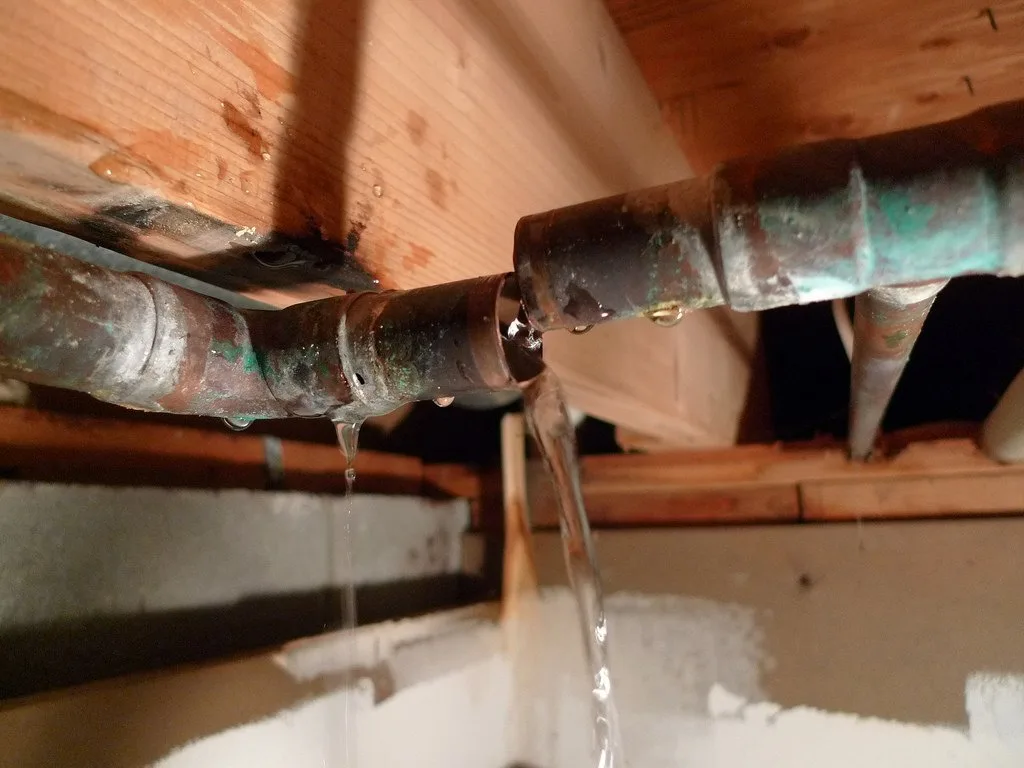
Image source: Bing (Web (fair-use with source credit))
Your Step-by-Step Plan: Clean, Dry, Then Prevent
You have to work in sequence. Cleaning and drying come first. Only then does the dehumidifier earn its keep.
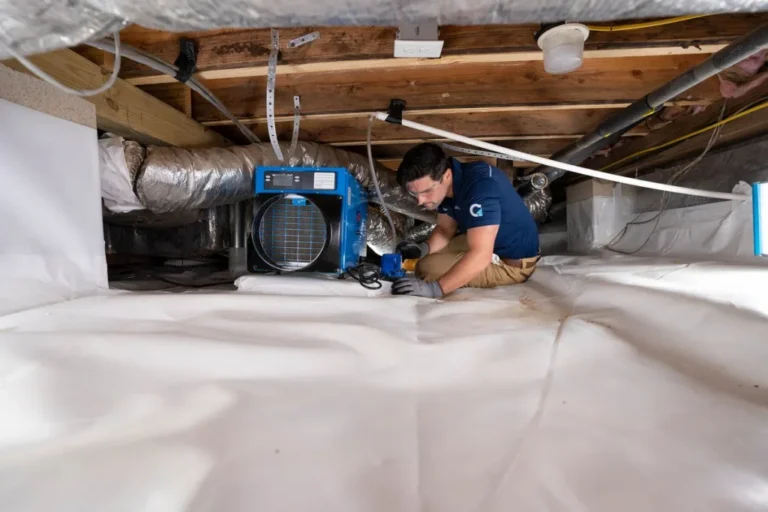
Start by finding the moisture source. Look for plumbing leaks, poorly sealed windows, or dampness rising from the crawlspace. Use a moisture meter if you have one.
If you cannot identify the source, the rest of the plan may not stick.
Once you have stopped the source, clean the mildew. Use a mildewcide or a simple solution of detergent and water. Wear gloves and a mask rated for mold spores.
Scrub the affected area thoroughly. Rinse with plain water. Let it dry completely.
For stubborn spots on drywall, you may need to repaint with a mildew-resistant primer afterward.
Then you dry everything out. Open windows if the outdoor air is drier than the indoor air. Run fans to keep air moving across damp surfaces.
If a room has been flooded or is extremely wet, this phase might take several days. The dehumidifier can run during this time. It is not the primary drying tool.
Fans and ventilation do the heavy lifting here.
Finally, set up the dehumidifier for prevention. Place it in the center of the room. Keep it away from walls and furniture so air can circulate freely.
Set the built-in hygrometer to 50% or lower. If your unit does not have a humidistat, use a separate monitor to track levels. Run it continuously until the space stays under 50% without constant operation.
Then use a timer or keep it running on low as needed. For larger basements or continuous moisture problems, consider a model with a drain hose so you do not have to empty the tank daily. If you are sizing a unit, match capacity to room size.
A compact 20-pint unit works for a bedroom. A high-capacity 70-pint model handles a large basement.
Common Mistakes That Make a Dehumidifier Useless for Mildew
The biggest mistake we see is placing the unit in the wrong spot. People park it in a corner or behind furniture. They think it will magically pull moisture from the whole room.
Dehumidifiers need airflow. They work best when placed centrally. Keep them at least six inches away from walls and clutter.
Burying the intake restricts air movement and drops effectiveness dramatically.
The second mistake is buying a unit that is too small for the space. A 20-pint unit might handle a bedroom. A damp 1,000-square-foot basement needs something with real capacity.
Oversized is always safer than undersized when mildew is your concern. Underpowered units run nonstop, cycle badly, and still leave humidity above that 50% threshold. This is where buyers get frustrated.
They realize they need a more capable setup than they started with.
Maintenance is the third overlooked failure point. A dirty air filter or dusty coils restrict airflow and force the compressor to work harder. Manufacturer specifications recommend cleaning the filter every two to four weeks.
This is especially important in dusty basements. Coils should be vacuumed or wiped down every few months. Skip this and the unit's efficiency drops by a measurable margin, even though the fan noise sounds the same.
Another common error is running the dehumidifier without a continuous drain. The tank fills up. The unit shuts off automatically.
All your progress reverses while you are at work. Humidity climbs back above 60% by the time you get home. For any ongoing mildew problem, a hose routed to a floor drain is not optional.
It is the only way to get reliable 24/7 operation. Pair that with an energy-efficient pick from our year-round recommendations and you have a system that actually stays ahead of the problem.
Choosing the Right Dehumidifier for Mildew
You need to match the machine to the space. Pint capacity is the first number to look at. A 30-pint model handles a medium bedroom or office.
A 50-pint unit covers a standard basement or living area. For very damp basements or large open spaces, a 70-pint unit is the right call. Go bigger if you are unsure.
Undersizing is the most common mistake.
Refrigerant units work best in warm climates. They use cold coils to condense moisture. They lose efficiency below 65°F.
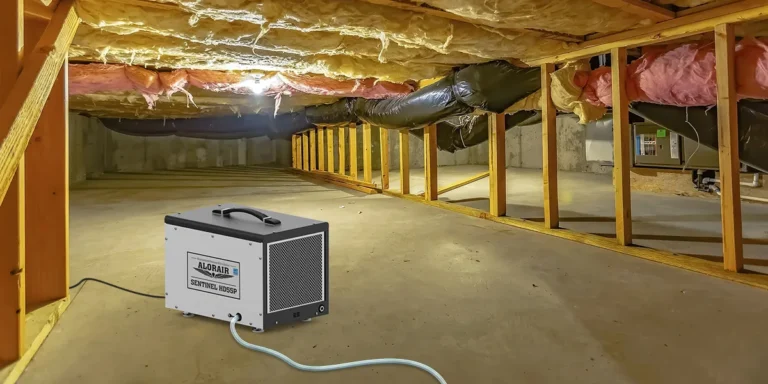
Desiccant units work better in cooler spaces like basements or crawlspaces. They use a chemical wheel to absorb moisture. They perform well in lower temperatures.
Choose based on where you need the unit.
Drainage is a critical feature. Manual tanks require emptying every 8 to 24 hours depending on conditions. For unattended operation, choose a unit with a continuous drain port.
Route a garden hose to a floor drain or sump pit. This lets the unit run indefinitely without intervention. If you want a model that balances cost and performance, check out our budget-friendly picks.
Energy Star certification matters for long-term running costs. A certified unit uses about 10% to 15% less electricity than a non-certified model. If you run the dehumidifier daily for months, that difference adds up.
A built-in humidistat is also worth having. It lets the unit cycle on and off based on actual humidity, not just a timer. This saves energy and keeps conditions stable.
Frequently Asked Questions
Can a dehumidifier remove mildew smell?
It can help reduce the smell by drying the air. The odor comes from active mildew and the gases it releases. Once you clean the mildew and keep humidity low, the smell fades.
The dehumidifier alone will not eliminate the odor if the mildew is still there.
How long does it take for a dehumidifier to stop mildew?
It depends on the room size and starting humidity. In a typical basement, you should see a noticeable drop in humidity within 24 to 48 hours. The mildew stops spreading once the air stays below 50% RH.
The unit needs to run continuously to maintain that level.
Should I run a dehumidifier in the winter?
It depends on your climate. In cold, dry winters, indoor humidity often drops naturally. You may not need a dehumidifier.
In mild or humid winters, or in basements that stay damp year-round, running the unit is still useful. Desiccant models work better in cold conditions.
Can I use a dehumidifier and an air purifier together?
Yes. They serve different purposes. A dehumidifier removes moisture from the air.
An air purifier captures airborne spores and particles. Using both gives you better protection. Clean the air while you keep surfaces dry.
This is a solid combination for mildew-prone spaces.
What humidity level kills mildew?
Relative humidity below 50% stops mildew from growing. It does not kill existing mildew. The spores can survive dry conditions for months.
Only physical cleaning removes the mildew. Keeping humidity low prevents regrowth after you clean.
Is it safe to leave a dehumidifier running all the time?
Yes, with the right setup. Use a continuous drain so the tank does not overflow. Keep the unit on a level surface.
Clean the filter regularly. Check the power cord for damage. Units with automatic shut-off and Energy Star certification are the safest choices for long-term use.