Does a Dehumidifier Remove Odors
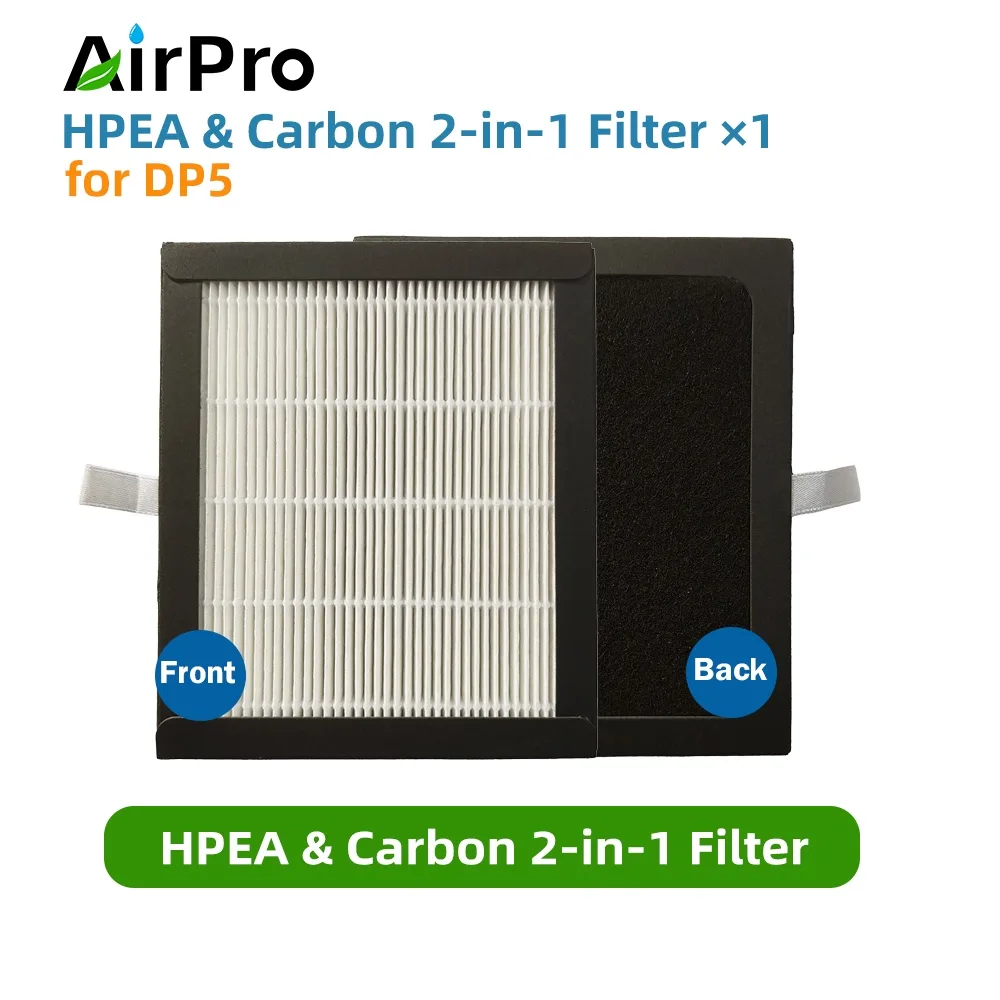
Image source: Bing (Web (fair-use with source credit))
The Quick Answer: It Depends on the Smell
A dehumidifier removes musty, moldy odors. It does this by lowering humidity. Without moisture, mold and mildew cannot grow.
But it will not remove smoke or cooking smells. You need to identify the smell source first.
How a Dehumidifier Actually Removes Odors (When It Works)
A dehumidifier pulls humid air over cold coils. The moisture condenses into water that drips into a bucket or drain. The drier air gets blown back into the room.
The cycle repeats until the humidity drops to your target level.
Mold and mildew are the main culprits behind musty smells. They need moisture to grow. When the relative humidity stays above 60 percent, mold spores activate and release microbial volatile organic compounds (MVOCs).
That is the earthy, stale odor you notice in a damp basement or bathroom. Bring the humidity below 50 percent, and the mold stops producing those compounds. The smell fades.
Some models include an activated carbon filter. These can help with light cooking odors. But the primary job of the machine is water removal, not air purification.
If you run a dehumidifier in a room with smoke damage, the smell stays. The moisture is not the problem.
Manufacturer specifications confirm that a standard compressor dehumidifier removes between 30 and 70 pints of water per day. That is enough to dry a 2,000-square-foot basement. But the machine only works on airborne moisture.
It does nothing for odors trapped in drywall, carpet, or furniture. For that, you need separate cleanup steps.
The 3-Step Smell Diagnostic: Is It Moisture or Something Else?
Before you buy or run a dehumidifier, diagnose the smell. This process takes about 10 minutes. It saves you from wasting time and electricity on the wrong solution.
Step 1: Measure the Humidity with a Hygrometer
Grab a hygrometer. These cost around 10 to 20 dollars at any hardware store. Place it in the room where you smell the odor.
Let it sit for 30 minutes to get an accurate reading.
If the humidity is above 60 percent, moisture is almost certainly the root cause. A dehumidifier will help. If the humidity is below 50 percent, your smell is coming from something else.
Look at other solutions.
Step 2: Check for Visible Mold, Damp Spots, or Stains
Walk through the room and look for signs of water damage. Check the corners of the ceiling, the baseboards, around windows, and behind furniture. Black or green spots on drywall, peeling paint, or a damp feel all point to mold.
If you see these, you have a moisture problem.
If the room looks dry and clean but the smell persists, the odor is likely from a non-moisture source. Pet urine soaked into padding, cigarette smoke embedded in walls, or a dead animal in the crawlspace can all produce strong smells. A dehumidifier will not help with these.
Step 3: Sniff the Source and Match the Smell Type
Get close to the source of the smell. Each type of odor has a distinct character.
- Musty, earthy, or like wet cardboard. This is mold and mildew. A dehumidifier works.
- Sour, pungent, or like ammonia. This is often pet urine or rotting organic material. A dehumidifier does not work.
- Sharp, smoky, or acrid. This is from tobacco, fire, or cooking. A dehumidifier does not work.
- Chemical or solvent-like. This is from paints, cleaners, or new materials. A dehumidifier does not work.
If you smell musty, run the dehumidifier. For anything else, move to the alternatives below.
When a Dehumidifier Is the Right Tool and When It's Not
This section is about matching the tool to the situation. It is the most important part of this guide.
Use Cases That Work: Basements, Crawlspaces, Flooded Areas, Bathrooms
Basements and crawlspaces sit below ground level. They trap moisture from the soil. A dehumidifier can drop humidity from 70 percent down to 45 percent in a day.
That stops the musty smell at the source. If you need a unit built for these spaces, the 50-pint models are a popular choice for medium-sized basements.
Bathrooms without proper ventilation also benefit. A portable dehumidifier left running after a shower prevents mold growth on grout and caulk. For larger bathrooms, a 70-pint model can handle the extra moisture load.
Flooded areas are another clear win. After a leak or flood, moisture soaks into drywall, wood, and carpet. A dehumidifier combined with fans speeds up drying.
This prevents mold from taking hold. For serious water damage, choose a unit designed for the job.
Use Cases That Fail: Smoke, Pet Accidents, Cooking, Chemical Odors
Smoke is a particle problem, not a moisture problem. The smell comes from tar and ash that sticks to surfaces. A dehumidifier does not remove these particles.
You need an air purifier with a HEPA filter and an activated carbon layer.
Pet accidents are similar. The smell comes from urine soaked into carpet padding or hardwood. It is not about humidity.
You need enzymatic cleaners or professional carpet cleaning. A dehumidifier might dry the area, but it will not clean the source.
Cooking odors like fish or curry are airborne grease and volatile compounds. A dehumidifier recirculates the same air. It does not filter it.
Exhaust fans, open windows, or an air purifier work better.
Chemical odors from paint, glue, or new furniture are off-gassing VOCs. Ventilation is the solution. Open windows and let fresh air in.
A dehumidifier will not help.
What Actually Works for Non-Moisture Smells
If you have diagnosed a non-moisture smell, here is what to do instead.
Air Purifiers with Carbon Filters
An air purifier with a HEPA filter captures smoke particles, dust, and pet dander. The activated carbon layer absorbs odors. For a bedroom or living room, a compact unit for smaller spaces can handle humidity.
But you still need a separate purifier for smoke or cooking smells. Look for a purifier with a high CADR rating for smoke.
Odor Absorbers and Better Ventilation
For small spaces like closets or storage units, odor absorbers work. Activated charcoal bags, baking soda, or zeolite crystals absorb smells without electricity. They are cheap and easy.
Replace them every few months.
Better ventilation is the most effective solution for chemical smells. Open windows on opposite sides of the room to create cross flow. Use exhaust fans in kitchens and bathrooms.
In a storage unit, a dehumidifier helps with mustiness. But you still need ventilation for other odors.
Ozone Generators and Mold Remediation (With a Clear Warning)
Ozone generators can kill mold and remove stubborn odors. They work by releasing ozone, which oxidizes organic compounds. But they are dangerous.
Ozone is a lung irritant. The EPA warns that ozone generators should never be used in occupied spaces. As of 2026, they are illegal in California for indoor use.
If you have a serious mold problem, remediation is the right answer. Remove the contaminated drywall, carpet, or insulation. Then treat the area with a mold-killing solution.
Only after the source is gone should you use a dehumidifier to keep the area dry. For a budget-friendly option to maintain dryness after cleanup, you can find reliable units under 100 dollars.
Mistakes to Avoid That Keep Musty Smells Coming Back
The Dirty Dehumidifier Problem
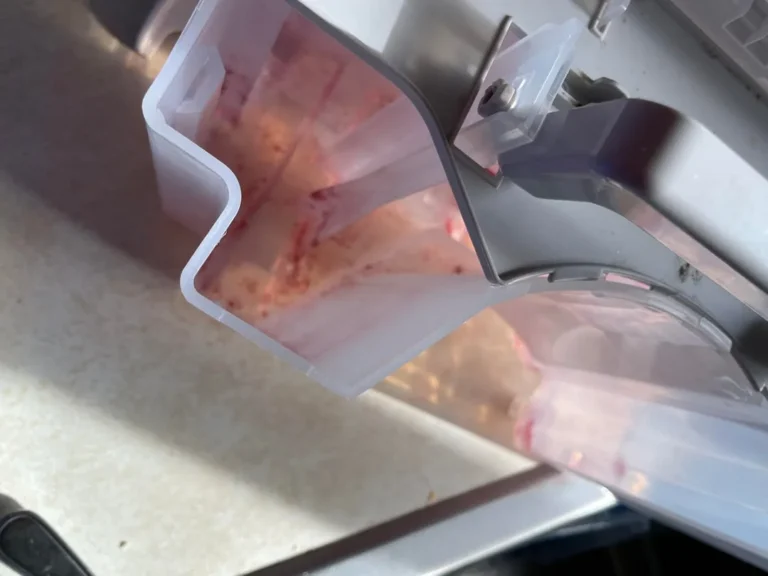
A dehumidifier can become the source of the smell if you do not clean it. Water sits in the bucket, coils, and drip tray. Mold grows there quickly.
Then the machine blows musty air straight back into the room.
Clean the bucket and filter every two weeks during heavy use. Wipe down the coils with a cloth. Per manufacturer instructions, a mix of water and white vinegar kills the mold without harsh chemicals.
A clean unit means a fresh-smelling room.
Wrong Size, Wrong Placement, Wrong Expectations
A 20-pint dehumidifier cannot dry a 2,000-square-foot basement. You will run it for days with no improvement. Match the machine to the room size.
A mid-capacity model works for most basements and large living areas.
Place the unit away from walls and heat sources. Keep doors and windows closed. Let it run continuously for the first 48 hours.
If the humidity drops but the smell stays, the odor is not moisture-related.
Ignoring the Real Water Source
A dehumidifier only pulls water from the air. It does not fix a leaking pipe, a wet foundation, or a flooded crawlspace. If the source of moisture stays active, the mold keeps growing.
The EPA recommends fixing the leak first and then using a dehumidifier to dry out the space. For serious flooding, you need a water-damage unit and possibly a professional. The dehumidifier is a support tool, not the cure.
Frequently Asked Questions
Can a dehumidifier remove smoke smell?
No. Smoke particles settle on walls, fabrics, and furniture. A dehumidifier only removes moisture from the air.
You need an air purifier with a carbon filter and a deep clean of all surfaces.
Why does my dehumidifier smell musty?
That means mold is growing inside the machine. Check the bucket, filter, and coils. Clean with white vinegar or mild detergent.
Rinse thoroughly and let it dry before running again.
How long until a dehumidifier gets rid of a musty smell?
Expect 24 to 72 hours. It depends on the room size and starting humidity level. If the smell stays after three days, the source is not just moisture.
Do I need an air purifier if I have a dehumidifier?
Yes, for smoke, pet odors, or cooking smells. A dehumidifier manages moisture. An air purifier captures particles and odors.
They solve different problems.
Can a dehumidifier make a smell worse?
Yes, if it is dirty. A dirty dehumidifier blows mold spores into the air. That amplifies the musty smell.
Clean the unit regularly to avoid this.
Should I run a dehumidifier after a flood?
Yes. Use it alongside fans to dry out the space quickly. This prevents mold from forming.
Start with a unit rated for water damage and run it until the humidity stays below 50 percent.
Your Verdict: Run It, Clean It, or Call a Pro
Use the decision tree from this article. If the humidity is above 60 percent and the smell is musty, run the dehumidifier. Wait 72 hours.
If the smell fades, you have solved it.
If the unit itself smells bad, clean it before judging its performance. If you see mold on drywall, carpet, or insulation, do not just dry the air. Call a mold remediation professional.
And if the smell is not musty, skip the dehumidifier entirely. Match the tool to the problem. You will not waste your time or money.