Can a Hygrometer Help Prevent Mold
Can a hygrometer help prevent mold? Yes, but it won't do the work by itself. Think of it as a warning system, not a cure.
It measures relative humidity, or how much water vapor the air actually holds. That single number tells you when your home is rolling out the welcome mat for mold.
Per EPA guidance, keeping indoor humidity below 60 percent, and ideally between 30 and 50 percent, dramatically reduces mold risk. A hygrometer is the only inexpensive tool that gives you that number in real time. Once you know it, you can fix the moisture problem before mold ever appears.
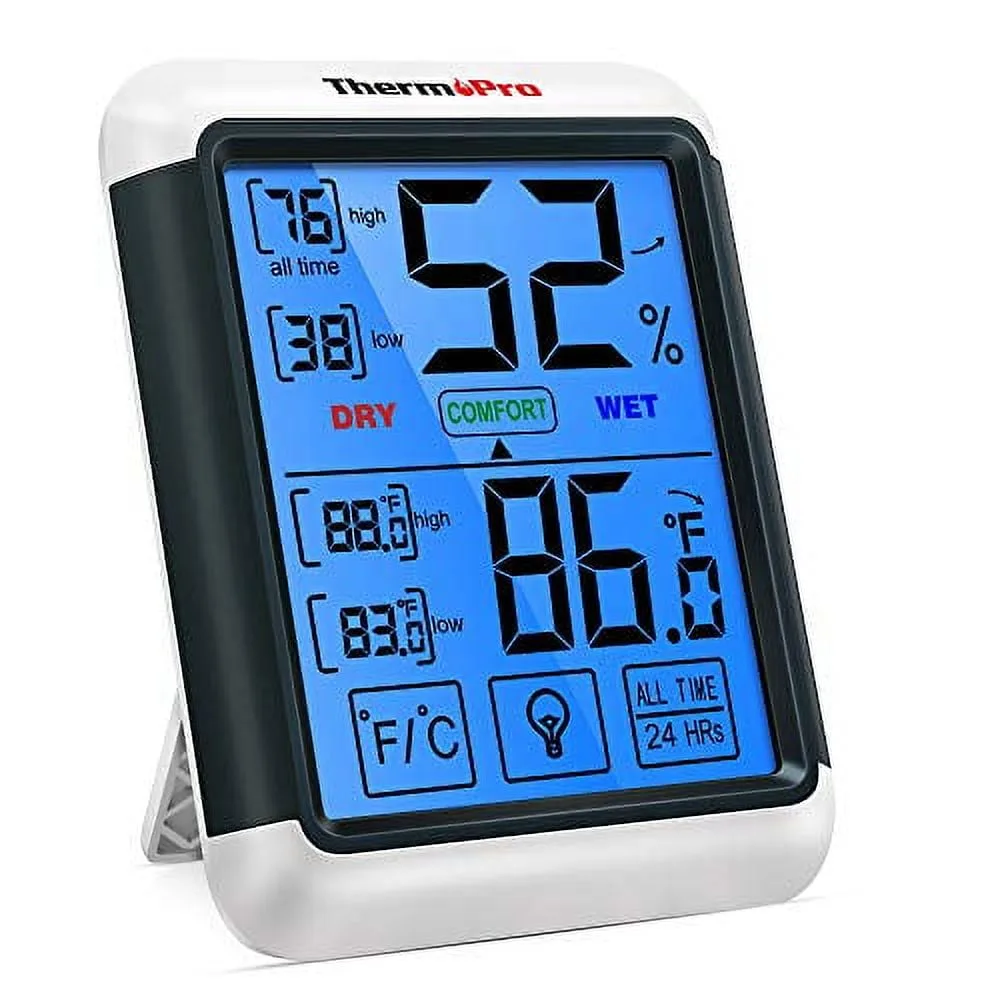
Image source: Bing (Web (fair-use with source credit))
Can a Hygrometer Actually Prevent Mold? (The Short Answer)
Yes, a hygrometer can help prevent mold. It gives you real-time indoor relative humidity. When humidity stays above 60 percent, mold has the moisture it needs to grow.
When you catch that number early, you can act before colonies form.
The catch: a hygrometer only measures the air. It doesn't remove moisture, kill spores, or fix a leak. It's a screening tool.
Think of it like a smoke detector for water vapor.
Environmental health agencies consistently list humidity control as a primary mold prevention strategy. The EPA still calls it one of the most practical steps a homeowner can take.
Why Humidity Control Is the Key to Stopping Mold Growth
Mold needs three things: food, warmth, and moisture. It usually finds food everywhere, since drywall, wood, and dust all count. It finds warmth in a typical room.
So moisture is the variable you can control.
Relative humidity drives that moisture. Warm air holds more water vapor than cold air. When humid air meets a cooler surface like a window frame or cold exterior wall, it condenses into liquid water.
That water soaks into drywall, and once drywall stays wet for more than 24 hours, mold has its window.
The accepted indoor guidance hasn't moved. Keep relative humidity at 30 to 50 percent, and never let it sit above 60 percent. Above that level, condensation and visible mold risk climb quickly, especially in bathrooms, basements, and closets with poor airflow.
The EPA's mold guidance recommends this same range for good reason.
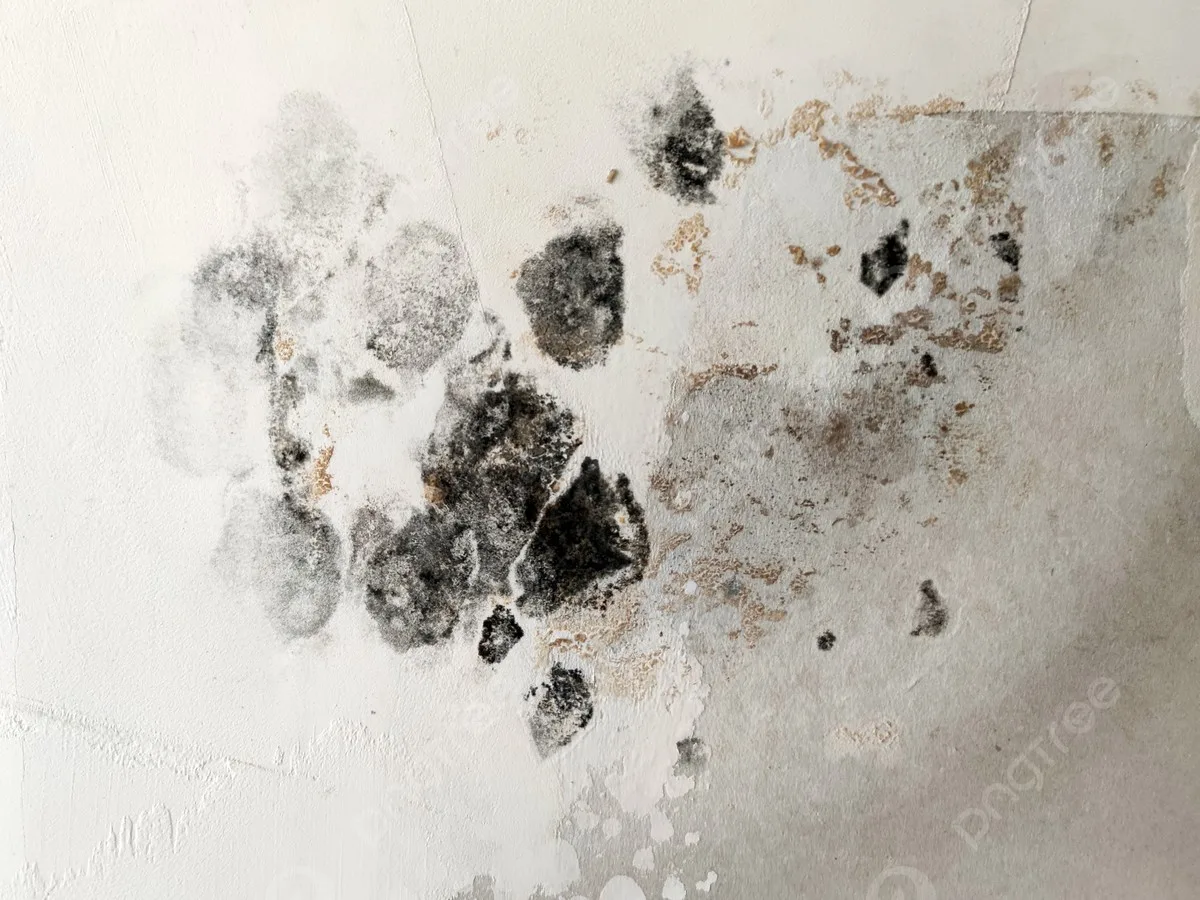
Image source: Bing (Web (fair-use with source credit))
How to Use a Hygrometer the Right Way: Placement, Calibration, and Thresholds
Getting accurate readings takes more than hanging a device and walking away. Three things matter most: placement, calibration, and knowing the thresholds.
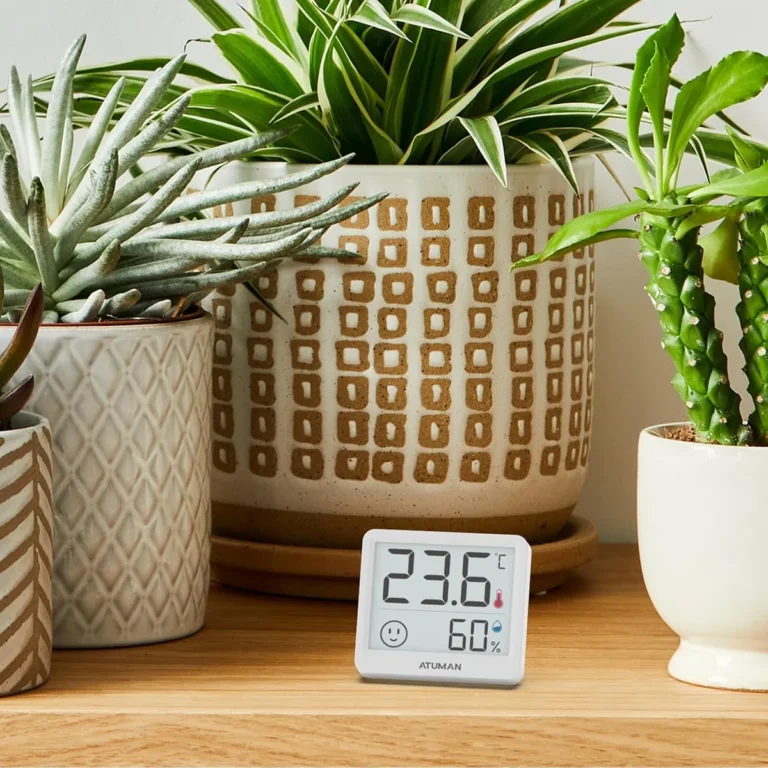
Placement. Set the hygrometer in the room you worry about most, usually a basement or bathroom. Mount it 3 to 5 feet off the floor, away from windows, vents, radiators, and the stove. Direct sunlight and heat sources skew the reading by several percent.
Don't trust a unit that sits on a steaming bathroom counter.
Calibration. Most hygrometers drift over time. The salt test catches that. Place a few tablespoons of salt in a bottle cap.
Dampen the salt without dissolving it. Seal it in a plastic bag with the hygrometer for 6 to 24 hours. It should read 75 percent.
If it reads 70, add 5 percent to every future value.
Thresholds. Treat 60 percent relative humidity as your red line. Below 50 percent is safer. Above 60 percent for more than a few hours, open windows, run fans, or turn on a dehumidifier.
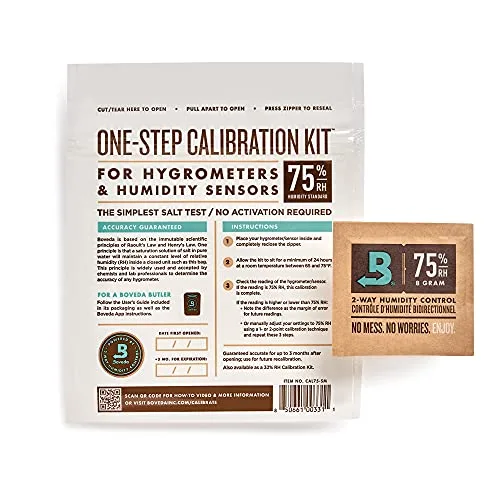
Image source: Bing (Web (fair-use with source credit))
What to Look for in a Hygrometer for Mold Prevention
Not every hygrometer earns its place in a home. For mold prevention, accuracy and reliability matter more than fancy extras.
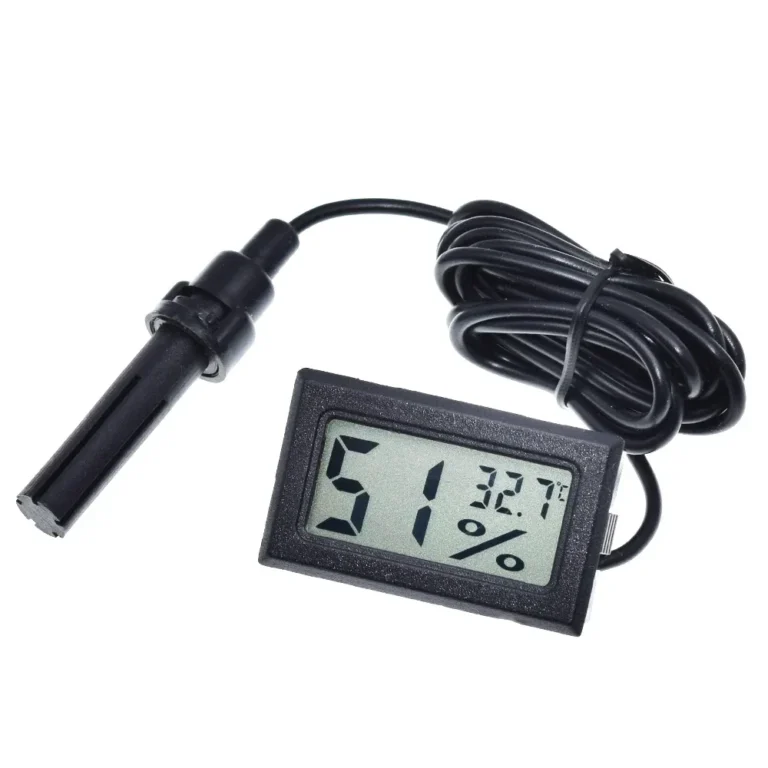
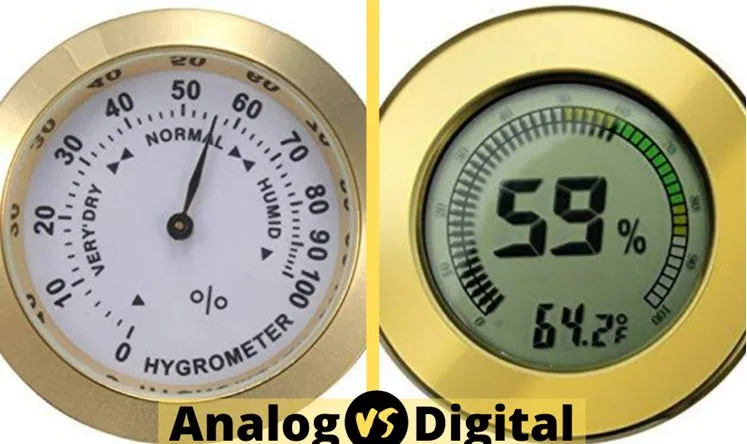
The first decision is digital versus analog. Digital models tend to be more accurate and easier to read. Analog units look nice but often drift badly and lack any calibration adjustment.
For a few dollars more, digital is the better guard.
Accuracy claims of plus or minus 2 to 3 percent are common on quality units. That's enough for mold prevention, since your action threshold is 60 percent, not a perfect number. Look for these features:
| Feature | Why it matters |
|---|---|
| Humidity accuracy ±2 to 3% | Tells you when you're close to the 60% danger zone. |
| Min/max memory | Shows the highest reading while you were away. |
| Calibration function | Lets you correct drift after the salt test. |
| Remote sensor or app | Monitors problem areas from outside. |
| Backlit display | Read it in a dark basement without a flashlight. |
Most units run on one or two AA batteries for months. Put the hygrometer in the room where mold has appeared before. Check it after your biggest humidity spike of the day.
5 Common Mistakes That Make a Hygrometer Useless
Even a good hygrometer fails when it's used badly. These five mistakes top the list.
Mistake 1: You trust one reading from the wrong spot. A hygrometer near a kitchen vent or sunny window tells you about that corner, not your basement. Move it to the risk zone.
Mistake 2: You never calibrate. Drift happens. A unit that reads 62 percent when the room is actually 55 percent makes you miss the danger zone. Run the salt test twice a year.
Mistake 3: You check the screen once, then ignore it. Humidity spikes when you cook, shower, or dry laundry. Check the reading at the start and end of your day.
Mistake 4: You watch humidity but not temperature. A room at 40 percent relative humidity can still get condensation on a cold window. Mold grows on that damp surface.
Mistake 5: You don't react. The hygrometer isn't a decoration. If it says 65 percent, ventilate, run a dehumidifier, or fix the leak. Otherwise, it's just a wall ornament.
When a Hygrometer Isn't Enough: What to Do Next
A hygrometer can't dry your walls, fix a leak, or kill mold spores. It's a sentinel, not a solution. If your readings keep climbing above 60 percent, shift from monitoring to intervention.
Start by finding the moisture source. Common culprits include gutter leaks, plumbing drips, and damp basements. Also look at daily habits.
Long hot showers, ventless dryers, and clothes drying indoors all pump water into the air.
Use a simple decision branch when readings climb:
- 50 to 60 percent: Watch it. Recheck in 12 hours.
- 60 to 65 percent: Ventilate. Open windows, run exhaust fans, and close the door during showers.
- Above 65 percent: Act now. Run a dehumidifier, check for leaks, and recheck within 24 hours.
If indoor humidity stays high despite ventilation, a dehumidifier is the next step. For a typical basement, a 50-pint unit can drop relative humidity by 20 percent or more. Set it to 50 percent and let it run for 48 hours before judging the results.
Seasonal shifts matter too. In summer, humid outdoor air pushes indoor readings up. An air conditioner helps by removing moisture as it cools.
In winter, indoor air often turns too dry, usually around 20 to 30 percent. The goal stays the same: keep between 30 and 50 percent.
Call an EPA-registered remediation professional if you see visible mold covering more than 10 square feet. That's about a 3 by 3 foot patch. Larger infestations release enough spores to trigger asthma, allergies, and respiratory irritation.
If a family member has a weakened immune system, get professional help even for smaller patches.
Finally, remember the hygrometer's job. It gives you early warnings, so respond immediately. The window between slightly high humidity and a mold problem is often just a few days.
The device only works if you do.
Frequently Asked Questions
What humidity level causes mold?
Mold can grow when relative humidity consistently exceeds 60 percent. At that level, condensation forms on cool surfaces like window frames, supply pipes, and outer walls. The EPA recommends keeping indoor humidity between 30 and 50 percent.
That range stops condensation and denies mold the moisture it needs.
Can a hygrometer detect mold?
No. A hygrometer only measures humidity. It cannot detect mold spores, moisture inside walls, or active colonies.
To find mold, look for visible discoloration, musty smells, or use a moisture meter. Treat the hygrometer as an early warning tool, not a mold detector.
Where should I place a hygrometer for mold prevention?
Put it where mold has appeared before, such as a basement, bathroom, or laundry room. Position it 3 to 5 feet off the ground, away from windows, vents, and heat sources. That placement gives you an accurate read on the air you actually breathe, not the microclimate near a stove.
How often should I check the hygrometer?
Check it at least twice a day, once in the morning and once in the evening. The biggest humidity spikes come from cooking, showers, and laundry drying. If a reading sits above 60 percent for more than a few hours, take action.
Waiting until the end of the week only gives mold a head start.
Do I need a hygrometer in every room?
No. Focus on rooms with moisture, plumbing, or poor airflow, like basements, bathrooms, and kitchens. A single unit placed in your highest-risk room is enough for most homes.
Add more only for a large open floor plan or known trouble spots.