Can a Dehumidifier Work in an Unfinished Basement
So you've got a damp, unfinished basement and you're wondering if a dehumidifier can actually help. The short answer is yes, but it's not as simple as plugging one in and walking away. A dehumidifier can work in an unfinished basement, but only if you match the right unit to your specific conditions.
Get it wrong, and you'll waste money on a machine that freezes up, runs constantly, or just can't keep up with the moisture.
Manufacturer specifications indicate that most standard refrigerant dehumidifiers stop working effectively when the temperature drops below 65 degrees Fahrenheit. That's a critical detail for many basements, especially in cooler climates or during winter months. As of 2026, the technology hasn't changed much on that front.
Let's walk through what actually makes a dehumidifier succeed or fail down there.
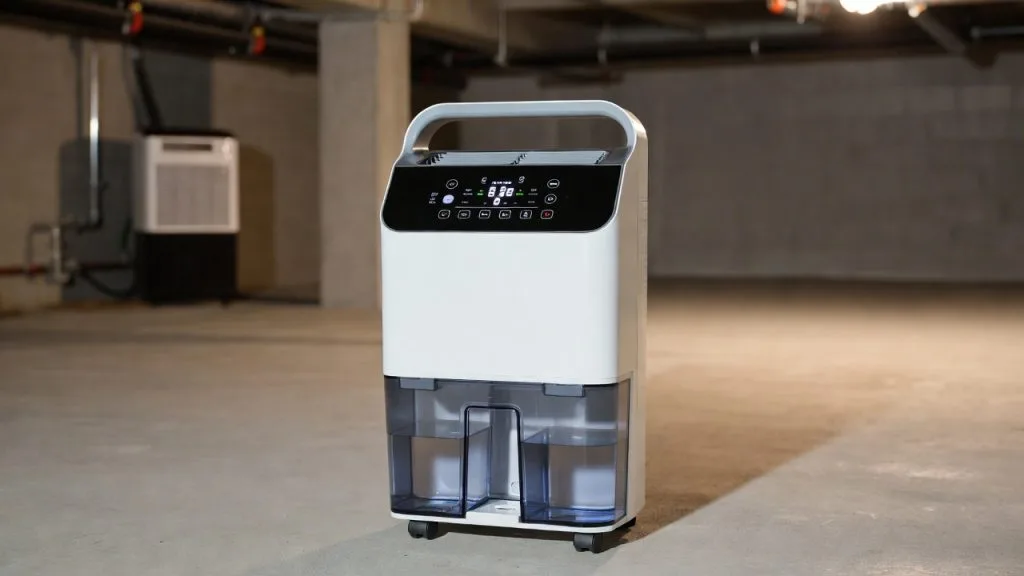
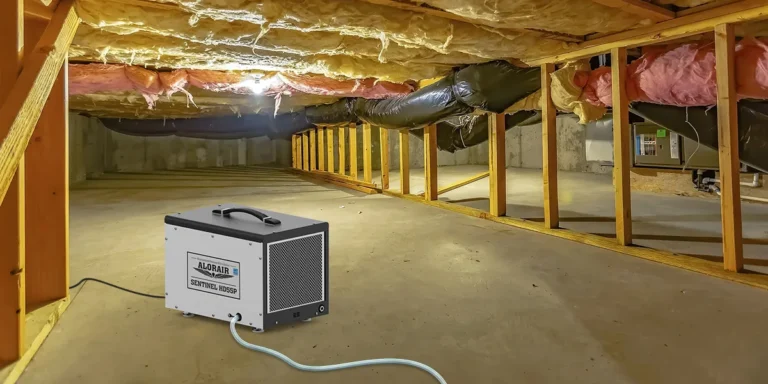
Image source: Bing (Web (fair-use with source credit))
Quick Answer
Yes, a dehumidifier can work in an unfinished basement. It needs the right conditions. The space must be reasonably sealed.
The temperature must stay above 65 degrees. You need a drain nearby. Pick a unit sized for your basement's square footage.
Ignore any of these, and you'll be emptying a tank every day with nothing to show for it.
How a Dehumidifier Actually Works in a Cold, Damp Basement
Most portable dehumidifiers use a refrigerant system. They pull air in, cool it down, and collect the water that condenses. That's the same basic principle your air conditioner uses.
But here's the catch: the cooling coils need to be colder than the air to work. If the basement air is already cold, the coils can't get cold enough to pull moisture out.
When the temperature drops below 65 degrees, a standard refrigerant unit struggles. Below 60 degrees, it starts frosting up. The coils freeze, the fan keeps running, but no water collects.
You end up with a machine that runs all day and empties nothing. That's a waste of electricity and a useless investment.
A desiccant dehumidifier handles cold basements much better. It uses a rotor and heat to absorb moisture directly. It works down to about 40 degrees.
But it uses more energy to run. It also costs more upfront. So your choice comes down to your basement's typical temperature range.
If your basement stays above 65 degrees year-round, a standard refrigerant unit is fine. If it dips lower, especially in spring and fall, look at a desiccant model. Our research shows that many homeowners in the Midwest and Northeast need the desiccant option for at least part of the year.
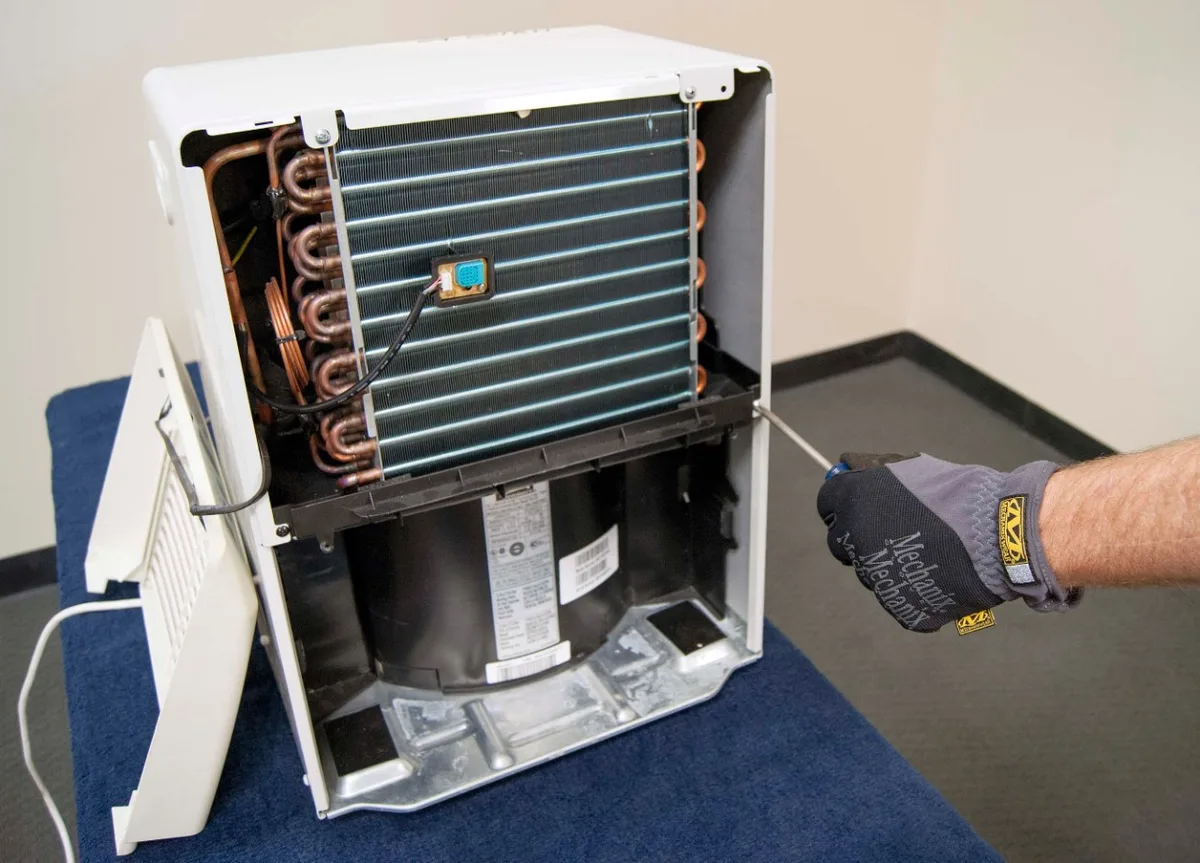
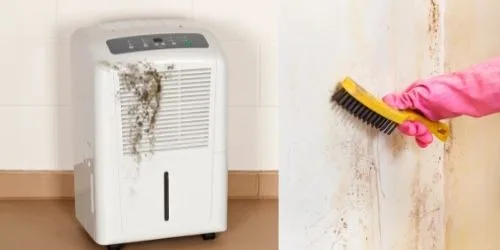
Image source: Bing (Web (fair-use with source credit))
The Decision Tree: Will It Work in Your Basement?
Let's walk through this step by step. Answer these questions honestly. Your answers will tell you exactly what you need.
Is your basement temperature consistently above 65 degrees?
- Yes: A standard refrigerant dehumidifier will work.
- No: You need a desiccant or low-temperature refrigerant unit.
Does your basement have a floor drain or sump pit?
- Yes: You can use a continuous drain hose. No need to empty a bucket.
- No: You'll need a unit with a condensate pump or a large tank you empty daily.
Is your basement sealed?
- Yes: A dehumidifier can keep up.
- No: You're fighting a losing battle. Seal cracks and gaps first.
What's the square footage?
- Under 500 sq ft: A 30-pint unit usually works.
- 500 to 1000 sq ft: Go with a 50-pint unit.
- Over 1000 sq ft: You need a 70-pint or larger unit.
Do you have standing water or major leaks?
- Yes: Fix the source first. A dehumidifier won't dry a flood.
- No: You're good to proceed.
If you answered "no" to the temperature question, you're looking at a different type of unit. If you answered "no" to the drain question, factor in the extra work of emptying a tank. For a reliable setup, many people choose a unit designed for continuous use, like a model rated for year-round operation.
Step-by-Step Setup Guide for an Unfinished Basement
Setting up a dehumidifier in an unfinished basement isn't complicated. But a few small details make a big difference. Follow these steps.
Step 1: Measure your humidity.
Use a hygrometer. You want to know the starting point. Most basements sit at 60 to 80 percent relative humidity.
Your target is 30 to 50 percent.
Step 2: Place the unit on a level surface.
Unfinished basements have uneven floors. Use a small piece of plywood or a plastic mat. Raise it off the floor slightly if you're worried about minor flooding.
Step 3: Connect the drain hose.
This is the most important step. Run a standard garden hose from the unit's drain port to a floor drain or sump pit. Use gravity drainage if possible.
If the drain is above the unit, you need a condensate pump.
Step 4: Set the humidistat.
Set it to 50 percent. The unit will run until it reaches that level. Then it cycles on and off as needed.
Step 5: Plug into a GFCI outlet.
Basements get damp. A ground fault circuit interrupter outlet protects you from electrical shock. If your basement doesn't have one, call an electrician.
Step 6: Check airflow.
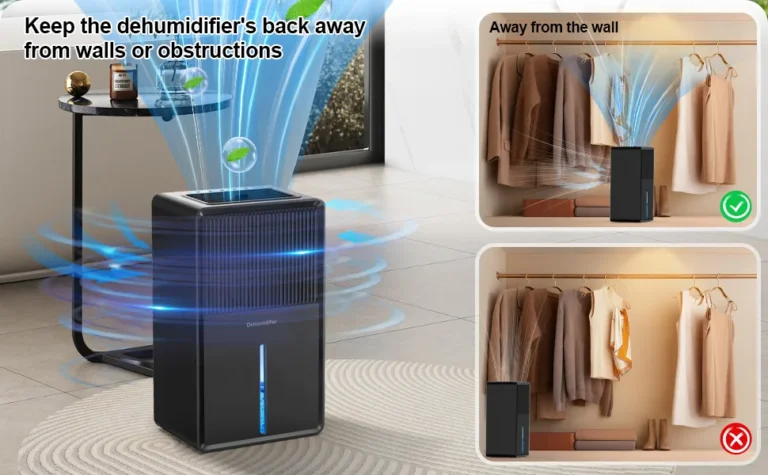
Don't push the unit against a wall. Leave at least 6 inches of space on all sides. The air needs to circulate freely.
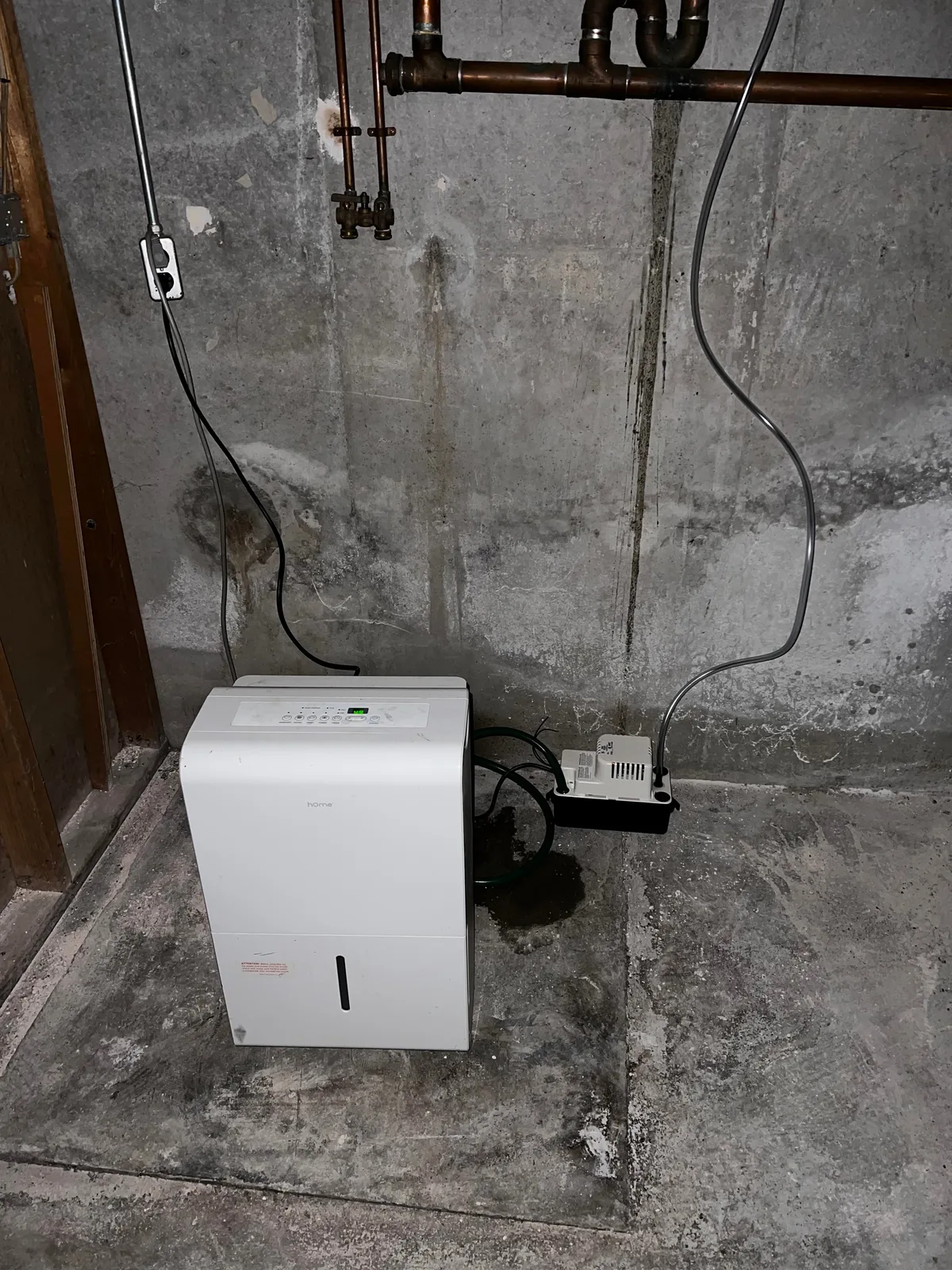
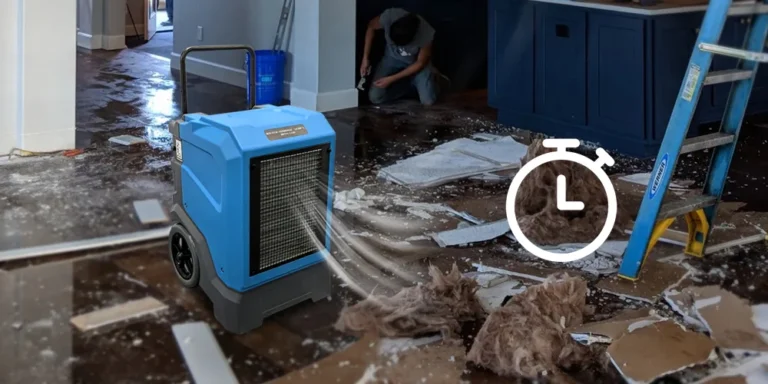
Image source: Bing (Web (fair-use with source credit))
Common Mistakes That Kill Performance
Even with the right unit, people make mistakes that ruin the results. Here are the most common ones.
Using a standard unit in a cold basement.
We already covered this. It's the number one reason a dehumidifier fails. The coils freeze, and you get zero water removal.
Check your basement's winter temperature before you buy.
Not connecting a continuous drain.
If you rely on the tank, you'll empty it every 12 to 24 hours. Miss a day, and the unit shuts off. Humidity creeps back up.
You're back where you started. Always use a hose to a drain.
Ignoring the filter.
A dirty filter blocks airflow. The unit works harder and pulls less water. Clean the washable filter every month.
It takes 30 seconds.
Putting the unit in a corner.
Air needs to move. If you box the unit in, it can't circulate. It recirculates the same dry air and never pulls moisture from the rest of the room.
Using a unit that's too small.
A 20-pint unit in a 1000-square-foot basement won't keep up. The unit runs constantly, wears out faster, and never hits your target humidity. Size it properly from the start.
Not sealing the space.
An open foundation crack lets in groundwater vapor. A gap around a pipe brings in outside air. The dehumidifier tries to dry the whole neighborhood.
Seal your basement first. Then the dehumidifier can do its job.
When a Dehumidifier Won't Cut It: Real Alternatives
If a dehumidifier fails, it's usually because the moisture isn't in the air. It's in the ground. Concrete is porous.
It wicks vapor from the soil below, and that vapor keeps coming no matter how long the machine runs.
A vapor barrier is the real fix for persistent dampness. It's a thick plastic sheet installed across walls and floors. It blocks groundwater vapor before it reaches the air.
Pair that with a dehumidifier, and you have a system that works.
Exterior drainage matters just as much. Check gutters and downspouts first. Make sure the ground slopes away from the foundation.
Seal cracks with hydraulic cement once you've addressed the exterior cause. The EPA's mold guidance is clear: control moisture at the source before anything else.
Standing water needs a different approach. A sump pump removes the water, but you still need a dehumidifier to dry the air afterward. For heavily flooded spaces, you need both working together.
Cold basements below 60 degrees need a desiccant unit. Standard refrigerant models freeze up and can't pull moisture. A desiccant handles low temperatures and keeps running through winter.
For small musty storage areas, a compact storage-friendly unit might be all you need. It's a targeted solution for a small space.
Frequently Asked Questions
What temperature is too cold for a dehumidifier?
Most standard refrigerant models stop working effectively below 65 degrees Fahrenheit. The coils frost over, and the unit can't pull moisture from the air. Desiccant units keep working down to around 40 degrees.
If your basement drops below 65 for part of the year, choose a desiccant model or one with auto-defrost.
Should I run a dehumidifier in the basement during winter?
Run it only if the basement stays above 65 degrees. Below that, a standard unit will freeze and waste electricity. A desiccant model works fine in winter since it doesn't rely on cold coils.
Set the humidistat to 50 percent and let it cycle automatically.
How long does it take to dry out an unfinished basement?
Expect noticeable improvement within three to seven days. A properly sized unit pulls several gallons daily in the first week. Very damp basements may take two to three weeks to reach 50 percent relative humidity.
After that, the unit cycles less often and just maintains the level.
Where should I place a dehumidifier in an unfinished basement?
Place it near the center of the room on a level surface. Keep it at least six inches from walls and shelving. Avoid corners where airflow is limited.
If you have a sump pit, set the unit nearby so you can run a continuous drain hose straight into it.
Final Verdict: Should You Buy One or Not?
If your basement is damp but has no standing water, buy one. A dehumidifier protects stored items, prevents mold and mildew, and makes an unfinished space usable. It's one of the most effective things you can do for a below-grade room.
Three conditions decide the outcome. Is the space above 65 degrees? Is it reasonably sealed?
Do you have a drain or sump pit? Three yeses and a quality unit will handle the job. One no, and you're better off fixing that problem first.
When you are ready to buy, match the unit to your square footage. Most average basements need a 50-pint model. Larger spaces benefit from a 70-pint unit.
Our list of basement-specific models is a solid starting point, and a value-oriented option gets the job done without overspending.
Stick to the basics. Use a continuous drain. Clean the filter monthly.
Keep the space sealed. Do that, and your dehumidifier will run reliably for years.