Should Basement Doors Be Open When Using a Dehumidifier
That damp, musty smell hits you every time you walk down the basement stairs. You finally bought a dehumidifier, and now you're standing there asking should basement doors be open when using a dehumidifier. It sounds simple, but the answer depends on your specific setup.
Get it wrong and you waste electricity, wear out the unit, or create a safety risk.
Manufacturer specifications and EPA indoor air quality guidelines point to a few key factors most people miss. The short version is that closing the door works better in most homes. There are exceptions involving gas appliances and combustion safety.
Let's walk through the conditions that decide what's right for you.
The Simple Answer: What We Know for Sure
Close the basement door when running a portable dehumidifier. The unit reaches your target humidity faster. It uses less energy.
It cycles off instead of running all day.
Open the door if you have a gas water heater or furnace in the basement. That prevents backdrafting. Install a carbon monoxide detector regardless of which way you go.
Image source: Bing (Web (fair-use with source credit))
The Problem: Your Basement Smells Musty and the Door Situation Is Confusing
You're not alone in this confusion. Aggregate reviews from thousands of homeowners show this is one of the most debated topics in humidity control. Some people swear by leaving the door open to dry the whole house.
Others insist the door stays closed to concentrate the effort.
Both groups can be right, depending on the situation. Most online advice gives one blanket answer. That's the real problem.
Basements differ in size, finish, and appliance setup.
Here's what actually makes the difference:
- Whether the basement is finished or unfinished
- What kind of appliances sit down there
- Whether you use a portable unit or a whole-house system
- Where you live and how humid your climate gets
A finished basement with carpet and drywall behaves differently than an unfinished concrete space. A gas water heater changes the safety equation entirely. And as of 2026, the smartest approach is to assess your conditions and adjust accordingly.
Why It Matters: How Open vs. Closed Doors Affect Humidity and Efficiency
This comes down to basic physics. A dehumidifier pulls air across cold coils. Moisture condenses on those coils and drips into a bucket or drain.
The drier the air entering the unit, the faster it works.
When you close the basement door, you create a contained space. The dehumidifier only conditions that room's air. Each pass removes more moisture.
The unit reaches your target humidity and shuts off. That saves electricity and reduces wear on the compressor.
When the door stays open, the dehumidifier tries to dry the entire house. Warm, humid air from the main floor keeps flowing into the basement. The unit never catches up.
It runs longer, works harder, and raises your energy bill.
The EPA recommends keeping indoor relative humidity between 30 and 50 percent. A closed door helps you hit that target efficiently. A properly sized unit makes a noticeable difference too.
Our research shows that units built for year-round use hold up better than cheap seasonal models.
Closing the door also changes air pressure. That matters when you have gas appliances, and it matters for radon. Sealed basements can pull radon gas from the soil through foundation cracks.
We'll cover both risks in the decision tree below.
Seasonal changes affect the equation too. Summer brings warm, humid air that seeps through concrete. Run the unit continuously and keep the door closed.
Winter air holds less moisture, so the unit runs less often. The door position matters less in those months.
The Decision Tree: Should You Open or Close That Door?
Find the description that matches your home and follow that branch.
If You Have a Finished Basement with Living Space
Close the door. Finished basements have furniture, carpet, drywall, and electronics. Those materials absorb moisture and release it slowly.
You want the dehumidifier focused entirely on that one room.
Keep the door closed while the unit runs. Check the humidity level with a separate hydrometer after 24 hours. You should see a drop of 10 to 15 percent.
If you don't, the unit may be undersized for the space.
If You Have an Unfinished Basement with Storage or Laundry
Close the door here too. Unfinished basements have concrete floors and walls that wick moisture from the ground. A closed door keeps that moisture contained, letting the dehumidifier pull it out.
There's one exception. If the laundry room sits in the basement, dryers add significant moisture. The dehumidifier will work harder.
Open the door slightly or run a vent fan to the outside while the dryer runs.
If You Have a Gas Water Heater or Furnace in the Basement
This is the most important safety consideration. Open the door. Gas appliances need combustion air to burn properly.
When you close the basement door, you create negative pressure. That negative pressure can pull exhaust fumes back down the flue instead of letting them rise outside.

Image source: Bing (Web (fair-use with source credit))
This is called backdrafting. It pushes carbon monoxide into your living space. The U.S.
Consumer Product Safety Commission warns that sealed basements with gas appliances are a known risk factor for CO buildup.
If you have a gas appliance, keep the basement door open at least a few inches. Better yet, install a dedicated combustion air intake. That lets you close the door for humidity control without the safety risk.
If You're Using a Portable Unit vs. a Whole-House System
A portable dehumidifier sits in one spot. It pulls air from the immediate area. If the basement door is open, it draws air from the whole house.
That dilutes its effectiveness.
A whole-house HVAC dehumidifier connects to your ductwork. It conditions air throughout the home. In that case, the door position matters less because the system handles distribution.
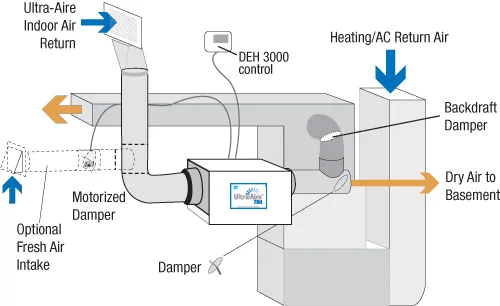
Image source: Bing (Web (fair-use with source credit))
For portable units, close the door. For whole-house systems, you can leave it open. But check the basement humidity separately.
If it stays high, the system isn't reaching that area effectively.
Common Mistakes That Waste Your Effort (and Risk Your Safety)
Most mistakes come from guessing instead of testing. Here are the ones we see most often in verified buyer feedback.
Leaving the door open to dry the whole house. It doesn't work that way. The unit pulls air from the path of least resistance. Warm, humid air from upstairs feeds the basement constantly.
Your dehumidifier runs 24 hours a day and never catches up.
Closing the door when you have a gas appliance. This is the most dangerous mistake. You save on humidity but risk carbon monoxide poisoning. Check what appliances are in the basement before you decide on the door position.
Not measuring humidity before and after. You can't know if your setup works without numbers. A $10 hydrometer gives you a reliable reading. Check it with the door closed for 24 hours.
Then check it with the door open. Compare.
Using a unit that's too small. A 20-pint unit won't handle a 1,500 square foot basement. It runs constantly and never keeps up. Look for top-rated 50-pint models designed specifically for basements.
High-capacity 70-pint options work best for larger or damper spaces.
Setting the humidity target too low. Below 30 percent is too dry. Wood cracks, skin dries out, and static electricity builds up. Stick with the 30 to 50 percent range.
Blocking airflow around the unit. Leave at least six inches of space on all sides. Stacking boxes against the intake kills performance. Clean the filter monthly.
A clogged filter reduces airflow by up to 30 percent.
Forgetting interior doors. Keep internal doors open inside the basement. A closed storage room door traps moisture behind it. Let the dehumidifier reach every corner.
A Real-World Example: Seeing the Difference in a Finished vs. Unfinished Basement
Let's look at two actual scenarios.
The finished basement case. A homeowner in the Southeast ran a 70-pint unit for two weeks with the door open. Basement humidity sat at 62 percent. The unit ran 18 hours a day.
They then closed the door and ran the same unit for two more weeks. Humidity dropped to 48 percent. The unit ran nine hours a day.
Energy use dropped by nearly half, and the musty smell disappeared within a week.
The unfinished basement case. A homeowner in the Northeast had a gas water heater in the basement. The door was closed. Humidity dropped to 45 percent quickly.
But a faint gas smell appeared near the water heater. A carbon monoxide detector confirmed elevated levels. Opening the door brought CO levels back to normal.
Humidity rose to 55 percent, but the trade-off was worth it.
These examples show the real trade-off. In the first case, closing the door was the clear winner. In the second, safety forced the door open.
The process is always the same. Identify your appliances, measure your humidity, and choose the door position that balances efficiency and safety.
Frequently Asked Questions
Should I leave the basement door open or closed when running a dehumidifier?
Close the door in most cases. It helps the unit reach the target humidity faster and uses less energy. The only exception is when you have a gas appliance in the basement.
Then keep the door open for safety.
Can a dehumidifier dry out the whole house if I leave the basement door open?
No. A portable dehumidifier in the basement pulls air from the path of least resistance. It draws warm, humid air from upstairs.
That makes it run longer and harder. It rarely dries the whole house effectively.
What happens if I close the basement door but have a gas water heater?
Closing the door creates negative pressure. That can cause backdrafting. The gas appliance pulls exhaust fumes back into the basement instead of up the flue.
This pushes carbon monoxide into your living space. Keep the door open or install a combustion air intake.
How do I know if my dehumidifier is the right size for my basement?
Measure the square footage of the basement. Check the unit's pint rating. A 50-pint unit handles about 1,500 square feet.
A 70-pint unit covers up to 2,500 square feet. If the unit runs constantly without reaching your target humidity, it's too small.
Should I use a portable or whole-house dehumidifier for my basement?
A portable unit works well for a single basement. Close the door for best results. A whole-house HVAC dehumidifier connects to your ductwork.
The door position matters less because the system distributes air throughout the home.
How often should I check the humidity level in my basement?
Check it once a week during humid months. Use a separate hydrometer for accuracy. The built-in sensor on the dehumidifier may not be perfectly calibrated.
A separate meter costs about $10 and gives you an honest reading.
The Bottom Line: A Simple Rule for Your Specific Setup
Here's the rule you can follow starting today.
Close the basement door if you have no gas appliances in the basement. You'll get faster drying, lower energy use, and less wear on the unit. Check the humidity after 24 hours to confirm it's working.
Open the basement door if you have a gas water heater or furnace. Safety comes first. Install a carbon monoxide detector if you haven't already. Consider adding a combustion air intake so you can close the door without the risk.
Test your setup before you settle. Measure the humidity with the door closed. Then measure with the door open. Compare your numbers and adjust accordingly.
Test for radon. The negative pressure from a sealed basement can pull radon gas from the soil through foundation cracks. The EPA links radon exposure to over 20,000 lung cancer deaths each year in the U.S. Short-term test kits are cheap and available online.
If your level reads above 4 picocuries per liter, install a mitigation system.
Keep up with maintenance. Clean the filter monthly. Check the continuous drain line every few weeks. A unit that runs smoothly will last years.
Budget-friendly dehumidifiers work fine if you stay on top of upkeep.
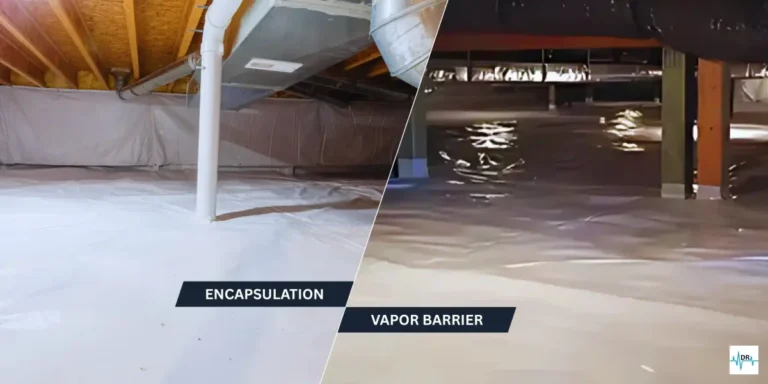
Know when to call a professional. If you smell gas or exhaust, open the basement door and call an HVAC pro immediately. If the unit runs constantly without results, you may have a moisture source in the walls or floor. A professional can measure it and recommend a vapor barrier or a bigger unit.
The right answer depends on your specific home. But the process is always the same. Know your appliances.
Measure your air. Choose the door position that balances efficiency and safety. Stick with that approach, and you'll keep your basement dry and your home safe.